IT Officer for London School of Osteopathy and a Carer representative for Maudsley. As you can see, I have many interests shown off my blog. I hope to keep it updated with posts and more things to come soon.
Unpaid carers are the unsung heroes of our society, providing essential support to loved ones with long-term or terminal illnesses, disabilities, or mental health conditions. Despite their vital role, they often remain invisible, unsupported, and overwhelmed by the weight of their responsibilities. As Carers Week 2025 approaches, it’s crucial to shine a light on the realities unpaid carers face and explore practical solutions to help them navigate their journey.
Drawing from lived experience and insights gathered from carer support groups, this article delves into the 20 most significant challenges unpaid carers encounter. It also offers actionable advice and resources to empower carers and those who wish to support them.
To watch the detailed video lecture, see below.
The Backbone of Society: Unpaid Carers in Context
There are an estimated 5 to 7 million unpaid carers in the UK alone, with millions more worldwide. These individuals save health and social care systems billions each year, yet their contributions are often undervalued or overlooked. The role of an unpaid carer is demanding, complex, and frequently misunderstood by those who have never walked in their shoes.
By Matthew McKenzie – Carers UK Volunteer and Ambassador
On Friday 6 June, I had the pleasure of joining Carers Uk and fellow Carers UK volunteers at a picnic in St James’s Park, London a brilliant afternoon full of connection, recognition, and shared purpose. The weather managed to hold “Thank Goodness!”
As a Carers UK volunteer and ambassador, it was great to see so many familiar faces and meet new ones, all united by a commitment to supporting unpaid carers across the UK. The picnic was a chance for us to unwind, share stories, and enjoy the beautiful surroundings of the park.
One of the highlights of the afternoon was the volunteer awards recognising the time, energy, and dedication that so many of us give. It was humbling to stand alongside other passionate volunteers and celebrate each other’s contributions.
Volunteers’ Week is a vital opportunity to shine a light on the incredible work of volunteers across the country and to say thank you for the real difference they make every day.
Later in the day, we teamed up to distribute Carers UK membership resources around the area, helping to raise awareness and connect more carers to support. You can check the link below to find resources.
I would like to extend a huge thank you to everyone who helped organise the event and to those who brought food and drink. Moments like these remind us that we’re not alone in what we do as Carers – we’re part of a caring, committed community.
Date: Friday, June 13, 2025 Time: 3:15 PM – 4:15 PM (GMT+1) Location: Cygnet Churchill, 22 Barkham Terrace, London SE1 7PW Admission: Free (Limited tickets available – reserve now!)
As part of this year’s Carers Week 2025, we’re thrilled to spotlight a truly special celebration: the Carer Poetry Performance Event & Book Launch – By Carers, For Carers. Taking place in the heart of London, this inspiring event offers a rare platform for unpaid carers to raise their voices through poetry, storytelling, and community.
Why This Event Matters
Caring can be isolating, demanding, and emotionally intense. This event flips the script by offering carers a space to express their journeys, hopes, struggles, and triumphs in their own words. It’s not just about performance it’s about connection, validation, and healing through creative expression.
Whether you’re a carer yourself or an ally, this is your opportunity to witness the power of poetry and lived experience intersecting. Hear firsthand stories that move, educate, and celebrate the silent heroes among us.
A Book Launch to Remember
The event also marks the launch of a special poetry book curated from carers across the community. It’s more than just a collection of verses, it’s a tribute to resilience, empathy, and the unseen emotional labor of caring.
Hosted by Matthew McKenzie
Spearheaded by Matthew McKenzie, a dedicated carer and ambassador for Cygnet Health, this event reflects his ongoing mission to amplify the voices of carers. With over 200 events hosted, Matthew brings both expertise and passion to the stage.
Reserve Your Free Ticket
Tickets are free but extremely limited. If you want to be part of this moving and empowering experience, don’t wait. Please note the event is for unpaid carers.
Let’s come together to honor the stories behind the care. Join us for an afternoon of poetry, purpose, and community.
Help raise awareness for unpaid mental health carers during Carers Week 2025. Learn how to support and recognize their vital, often unseen role in society. To watch the video of this blog, click the video below
Recognizing the Unseen: The Vital Role of Unpaid Carers in Mental Health
Every year, Carers Week serves as a powerful reminder of the millions of individuals who dedicate their lives to supporting loved ones with health challenges often without recognition, compensation, or adequate support.
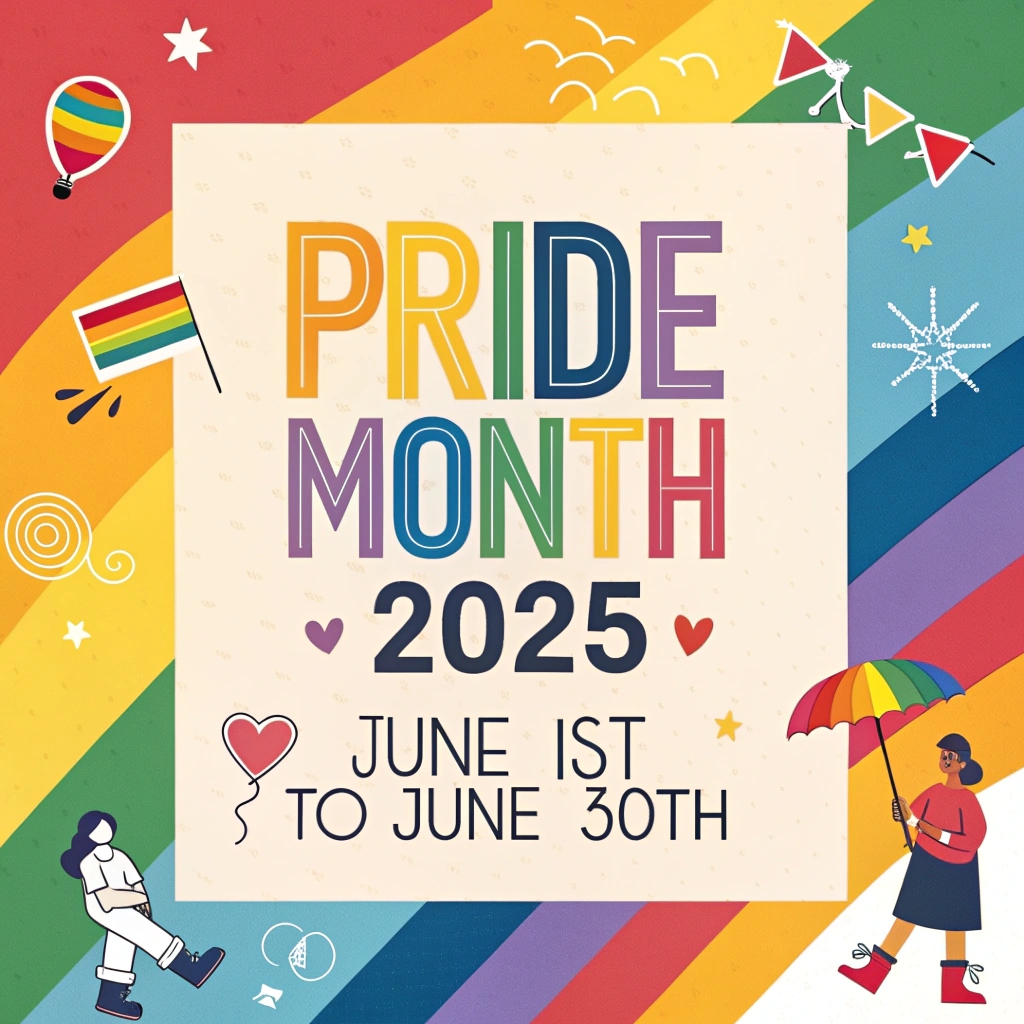
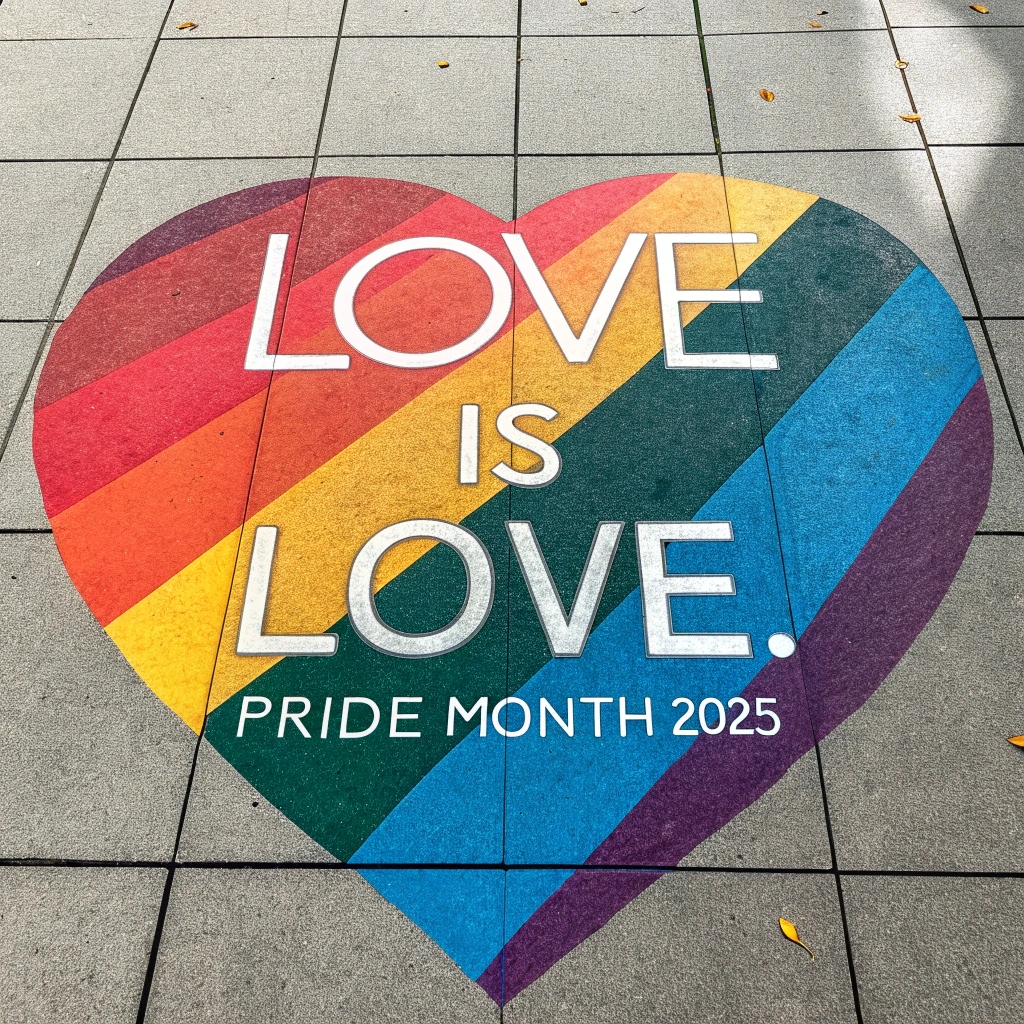
Join Matthew McKenzie in honoring Pride Month 2025, focusing on LGBTQ+ visibility, mental health awareness, and the ongoing fight for equality and inclusion.
To watch the video of my blog, please see the video below.
The Significance of Pride Month: More Than Just a Celebration
Every June, cities and communities across the globe come alive with vibrant colors, parades, and a sense of unity that transcends borders. Pride Month is a time to honor the LGBTQ+ community, but its significance runs much deeper than the surface-level festivities. It is a celebration of love, identity, and resilience a testament to the ongoing journey toward acceptance, equality, and human rights.
A Month of Color, Courage, and Community
Pride Month is not just about rainbow flags and lively parades. It is a period marked by courage and the collective strength of a community that has faced adversity for decades. The month serves as a reminder of the importance of unity, not just within the LGBTQ+ community, but across the world. In a time when global events can often feel divisive, Pride Month stands as a beacon of hope, encouraging people to come together in support of love and acceptance.
The Roots of Pride: From Protest to Global Movement
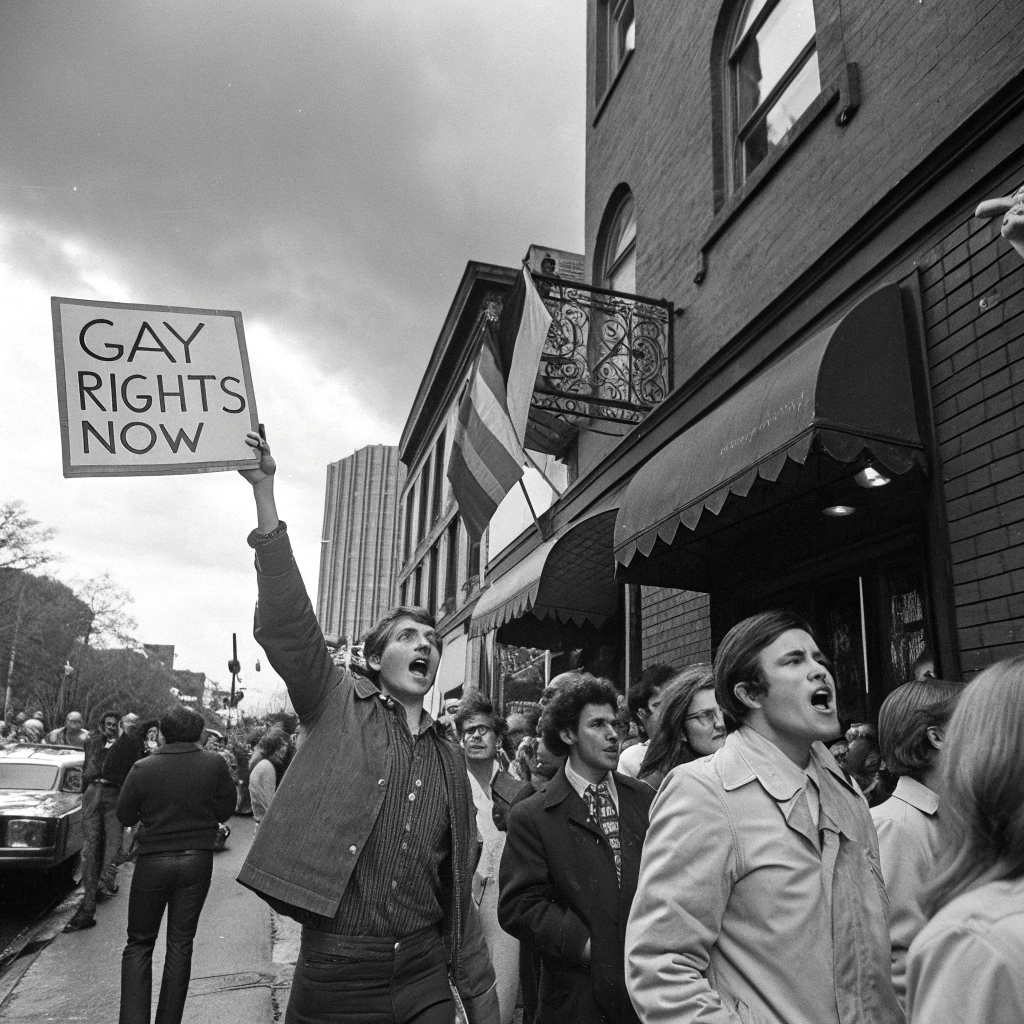
The origins of Pride Month are deeply rooted in resistance and the fight for equality. The Stonewall Uprising of June 1969 in New York City is widely recognized as the catalyst for the modern LGBTQ+ rights movement. What began as a protest against discrimination and police brutality has since evolved into a global movement, inspiring millions to stand up for their rights and the rights of others.
In the United Kingdom, the first Pride march took place in the early 1970s, igniting a flame that continues to burn brightly today. These early demonstrations were not just about visibility—they were about demanding recognition, respect, and the right to live authentically. Over the years, Pride has grown from a series of protests into a worldwide celebration, illuminating the stories, struggles, and triumphs of the LGBTQ+ community.
Visibility and Validation: The Lifeline of Pride
One of the most powerful aspects of Pride Month is its emphasis on visibility. For many LGBTQ+ individuals, being seen and valued for who they truly are can be a lifeline, especially in a world where discrimination and isolation are still prevalent. Visibility is not just about being present; it is about being acknowledged, respected, and celebrated.
The Ongoing Challenges: Discrimination and Mental Health
Despite the progress that has been made, LGBTQ+ individuals continue to face significant challenges. Discrimination, isolation, and mental health struggles are all too common. The importance of creating safe spaces where it is okay not to be okay—cannot be overstated. Mental health matters, and support is crucial. Whether it is reaching out to a friend, listening without judgment, or advocating for accessible mental health care, every action counts.
The Role of Community Support
Community plays a vital role in the well-being of LGBTQ+ individuals. Pride Month is a time to foster connections, offer support, and remind one another that no one is alone in their journey. It is about building a network of allies and advocates who are committed to championing inclusion and protecting one another.
Celebrating Pride: Honoring the Past, Embracing the Present
Pride Month is a celebration, but it is also a time for reflection and education. Through marches, art, poetry, storytelling, and educational initiatives, the LGBTQ+ community and its allies work to destigmatize the issues they face and foster joyful connections.
The Power of Storytelling and Art
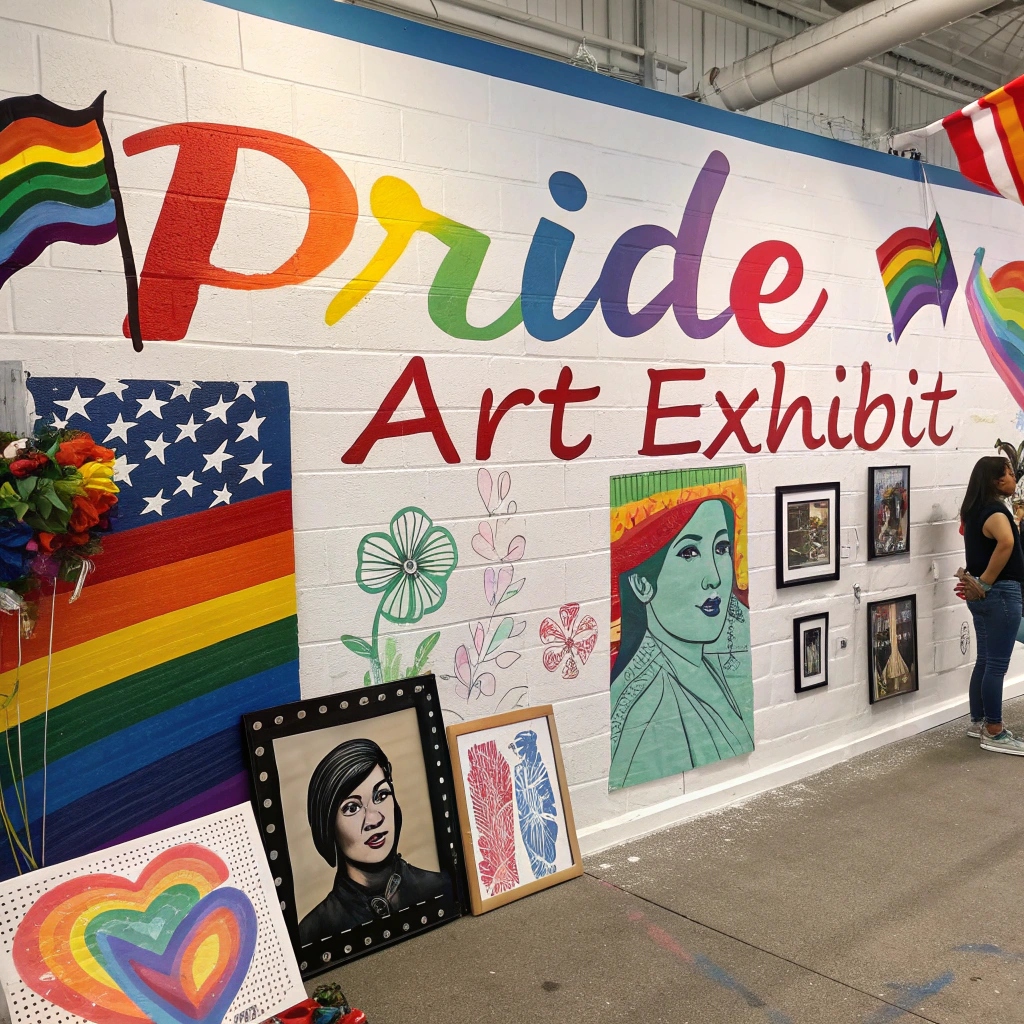
Art and storytelling have always been at the heart of Pride celebrations. They provide a platform for individuals to share their experiences, express their identities, and connect with others. Whether through poetry, visual art, or personal narratives, these creative outlets help to humanize the struggles and triumphs of the LGBTQ+ community.
Education and Advocacy
Education is a key component of Pride Month. By raising awareness about the challenges faced by LGBTQ+ individuals and advocating for change, the community continues to push for a more inclusive and equitable society. This includes fighting for accessible mental health care, challenging discriminatory laws and practices, and promoting understanding and acceptance.
Honoring the Trailblazers: Remembering Those Who Paved the Way
As we celebrate Pride Month, it is important to honor those who came before us—the trailblazers who fought for the rights and freedoms that many enjoy today. Their courage and determination laid the foundation for the progress that has been made, and their stories continue to inspire new generations to stand up for what is right.
Uplifting Voices Still Fighting to Be Heard
While much has been achieved, the fight for equality is far from over. There are still voices within the LGBTQ+ community that struggle to be heard, particularly those from marginalized groups. Pride Month is a time to uplift these voices, to listen, and to ensure that everyone has the opportunity to thrive.
Pride as a Call to Action: Building a More Inclusive World
Pride Month is not just a celebration, it is a call to action. It is a reminder that the journey toward equality and inclusion is ongoing, and that everyone has a role to play in creating a world where no one has to hide who they are to feel safe, loved, and respected.
Championing Inclusion and Protecting One Another
Standing up for equality means more than just attending parades or waving flags. It means actively working to create inclusive environments, challenging discrimination wherever it occurs, and protecting those who are vulnerable. It is about ensuring that everyone, regardless of their sexual orientation or gender identity, has the opportunity to live authentically and without fear.
The Importance of Allyship
Allies play a crucial role in the fight for LGBTQ+ rights. By standing in solidarity with the community, allies help to amplify voices, challenge prejudice, and promote understanding. Being an ally means listening, learning, and taking action to support those who are marginalized.
Mental Health and Pride: Creating Safe Spaces
Mental health is a central theme of Pride Month, and for good reason. The LGBTQ+ community faces unique challenges that can impact mental well-being, including discrimination, rejection, and social isolation. Creating safe spaces—both physical and emotional—is essential for fostering resilience and promoting healing.
Supporting Mental Health Within the Community
Support can take many forms, from offering a listening ear to advocating for policy changes that improve access to mental health care. It is important to recognize that mental health struggles are not a sign of weakness, but a reflection of the challenges that many LGBTQ+ individuals face. By prioritizing mental health, the community can continue to build strength and resilience.
The Role of Advocacy in Mental Health
Advocacy is a powerful tool for change. By raising awareness about mental health issues within the LGBTQ+ community and pushing for better resources and support, advocates help to break down barriers and reduce stigma. This work is essential for ensuring that everyone has the opportunity to thrive.
Looking Forward: The Future of Pride
As we look to the future, the spirit of Pride remains as important as ever. The journey toward equality is ongoing, and there is still much work to be done. But with each passing year, the movement grows stronger, fueled by the courage, resilience, and love of the LGBTQ+ community and its allies.
Building a World Where Everyone Can Thrive
The ultimate goal of Pride Month is to build a world where everyone can thrive exactly as they are. This means creating environments where diversity is celebrated, inclusion is the norm, and everyone is free to live authentically. It is a vision that requires ongoing commitment, but one that is within reach if we continue to stand together.
Celebrating Loudly, Loving Proudly
This June, and every June, let us celebrate loudly and love proudly. Let us honor the past, embrace the present, and work toward a future where everyone is valued and respected. Pride Month is a time to come together, to support one another, and to continue building a world where love, acceptance, and equality are not just ideals, but realities.
Conclusion: The Enduring Power of Pride
Pride Month is a powerful reminder of what can be achieved when people come together in the name of love and equality. It is a celebration of progress, a call to action, and a testament to the enduring strength of the LGBTQ+ community. As we celebrate this month, let us remember the importance of visibility, support, and advocacy. Let us honor those who paved the way, uplift those still fighting to be heard, and continue working toward a world where everyone can thrive exactly as they are.
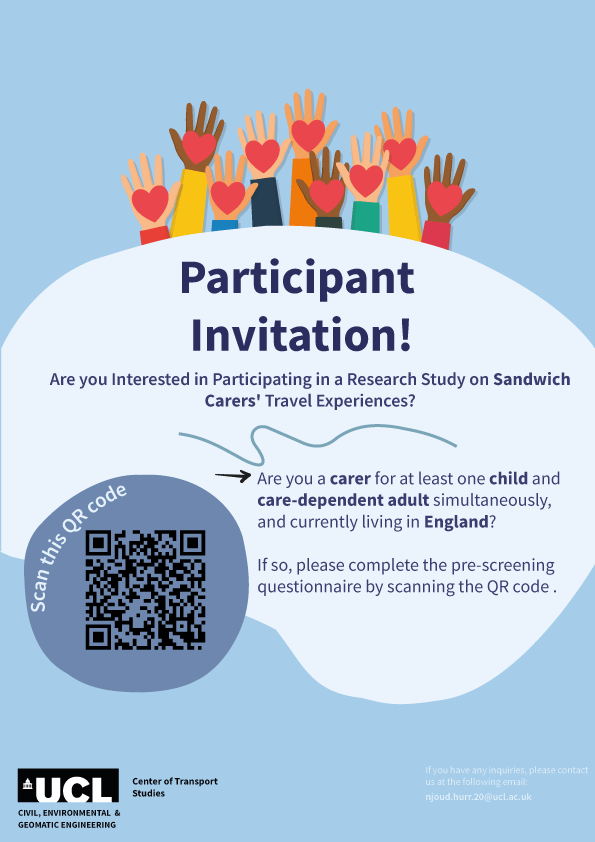
Are you currently juggling the responsibility of caring for both a child and a care-dependent adult? If so, you may be what we call a “sandwich carer”—someone who provides care for loved ones across different generations.
At UCL’s Center for Transport Studies, They are conducting an important research study exploring the travel experiences of sandwich carers, and we want to hear from you.
Why Participate?
Sandwich carers play a critical role in our society, often balancing work, caregiving, and personal needs—all while navigating complex travel routines. However, little is known about how this group manages their daily transportation. Your input can help inform future transport policies and support systems to make travel more accessible and manageable for carers like you.
Who Can Take Part?
You are eligible if:
You are a carer for at least one child and one care-dependent adult,
And you currently live in England.
How to Participate
Simply scan the QR code in the flyer (see below) to complete a short pre-screening questionnaire. It only takes a few minutes and is the first step to being part of this valuable study.
Get Involved Today
Your voice matters. By participating, you’ll be contributing to research that could lead to meaningful change for thousands of carers across the country.
For any questions or more information, feel free to contact us at: 📧 njoud.hurr.20@ucl.ac.uk
Thank you for considering taking part in this important work. Please share this invitation with others who might qualify.
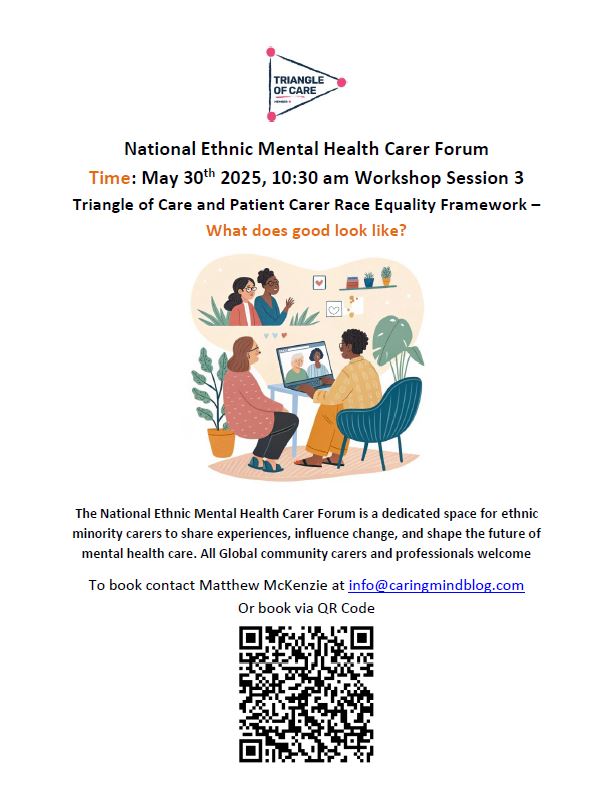
The meeting focused on carer involvement and representation across different regions, with participants discussing their roles in supporting carers and addressing discrimination. The main focus for this meeting was on “What does good look like?” when it comes to Triangle of Care and PCREF.
The group explored the Triangle of Care initiative and its five key elements, including discussions about medication-related challenges and the need for better communication between healthcare providers and carers. The conversation ended with conversations about improving carer support systems, including the importance of advocacy, training, and creating safe spaces for carers to share concerns confidentially.
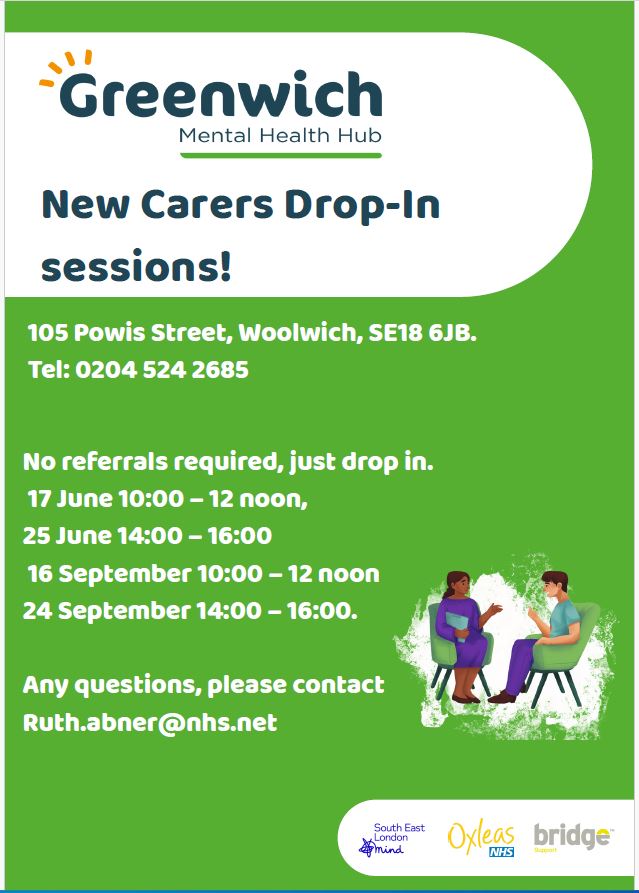
Are you a carer in the Woolwich area? Take a well-deserved break and connect with others at our brand-new Carers Drop-In sessions! Whether you’re looking for support, information, or simply a chance to chat with others who understand, you’re warmly welcome—no referral needed.
Welcome to a brief update of my Hospital Carers Discharge group. The Carers Hospital Discharge Toolkit Working Group is a collaborative initiative dedicated to improving the hospital discharge experience for carers and their loved ones. Chaired by myself a carer with lived experience, the group brings together a diverse mix of voices, including fellow carers, representatives from local carer centres, and, at times, hospital public and patient involvement (PPI) leads or staff. This inclusive approach ensures that the toolkit remains grounded in real-world experiences while benefiting from professional insight and support.
The meeting began with introductions from various participants who shared their roles related to carer support and hospital engagement, including updates on the Universal Care Plan and NHS 10-year plan from NHS England. We also had a presentation on the new project to support carers across North Central London, covering five boroughs and 11 hospital sites, which will help identify and support carers through various initiatives and resources.
The group discussed upcoming events for Carers Week 2025, new carers charter development at one of London’s largest NHS trusts, and various support programs, while addressing challenges and opportunities for improving carer support across different organizations and locations.
Carer Support and Hospital Engagement
The meeting began with introductions from various participants, who shared their roles and affiliations related to carer support and hospital engagement. Matthew highlighted his involvement in various mental health hospital trusts and carer engagement initiatives, while Eleanor discussed her new role as project manager for the North Central London Carers Support Project, which covers five boroughs. Ros from NHS England provided an update on the Universal Care Plan for carers, noting that more updates are needed. The conversation ended with plans for Eleanor to present later, focusing on developments in carer support across the region.
Universal Care Plan Implementation Update
As mentiioned earlier, there was a discussion the Universal Care Plan, which launched in January and will soon allow unpaid carers to initiate their own plans through the NHS app, expected by late summer or early autumn.
It was noted that while some organizations like hospitals and local authorities are familiar with the plan, there are knowledge gaps in the community and voluntary sectors. It was noted that the Urgent Care Plan team are addressing technical questions about IT systems and interfaces, and they are working towards a coordinated London approach. Also highlighted was the need for more training and support in having conversations with carers about the importance of being identified and registered in the system.
NHS 10-Year Plan Updates
There was also updates on the NHS 10-year plan, expected to be published in July, which will emphasize patient experience and care. An update on the integration of carers’ work streams between NHS England and the Department of Health and Social Care, with a likely focus on working-age carers. It was also mentioned on the uploading a video recording of the UCP Carer Contingency Plan launch to NHS Future, which participants could access by requesting to join.
Universal Care Plan Resources
The group discussed the Universal Care Plan (UCP) and its resources for carers, with an offer to connect with the UCP team in South West London.
Matthew shared a website link for UCP One London, which provides information and updates on carer technology initiatives.
The group also discussed plans for Carers Week next month and a new mental health resource for hospitals, though it was noted that details about the latter were still pending.
Carer Support Project Launch
Eleanor presented a new project to support carers across North Central London, covering five boroughs and 11 hospital sites. She explained how the project will identify carers through self-referral or hospital staff identification, using a website with translation tools and referral forms that can be submitted by carers.
Eleanor also discussed plans for carer awareness training and the distribution of informational materials in hospitals to help identify and support carers. Harrow Carers centre raised questions about how hospitals can alert staff to carers involved with patients and how to better identify carers, to which Eleanor responded with plans for training and collaboration with other initiatives like the Universal Care Plan.
Carer Strategy and Resources Discussion
Eleanor discussed her previous work with Guys and St Thomas’s, noting that she had been involved in creating a carer strategy. She offered to provide the email address of a former colleague for more accurate information. The group also discussed a returning from home resources project led by Guys in southeast London, which the CEO of Bexley Carers Centre planned to present at the next meeting.
Carer Support Program Updates
The meeting discussed a carer support program that targets all carers, including young carers, with no specific threshold or type of carer required. Eleanor explained that local carers organizations would decide how to support identified carers, and hospital staff would have a centralized referral system. Matthew McKenzie provided an update on Carers Week events, highlighting various topics and resources available.
I have placed the link below from the NHS England site.
Tower Hamlet Carers Centre shared developments at the Royal London Hospital, including the addition of two carer support workers, a new base on the 13th floor, and efforts to raise awareness among staff and carers.
Carer Support Events and Initiatives
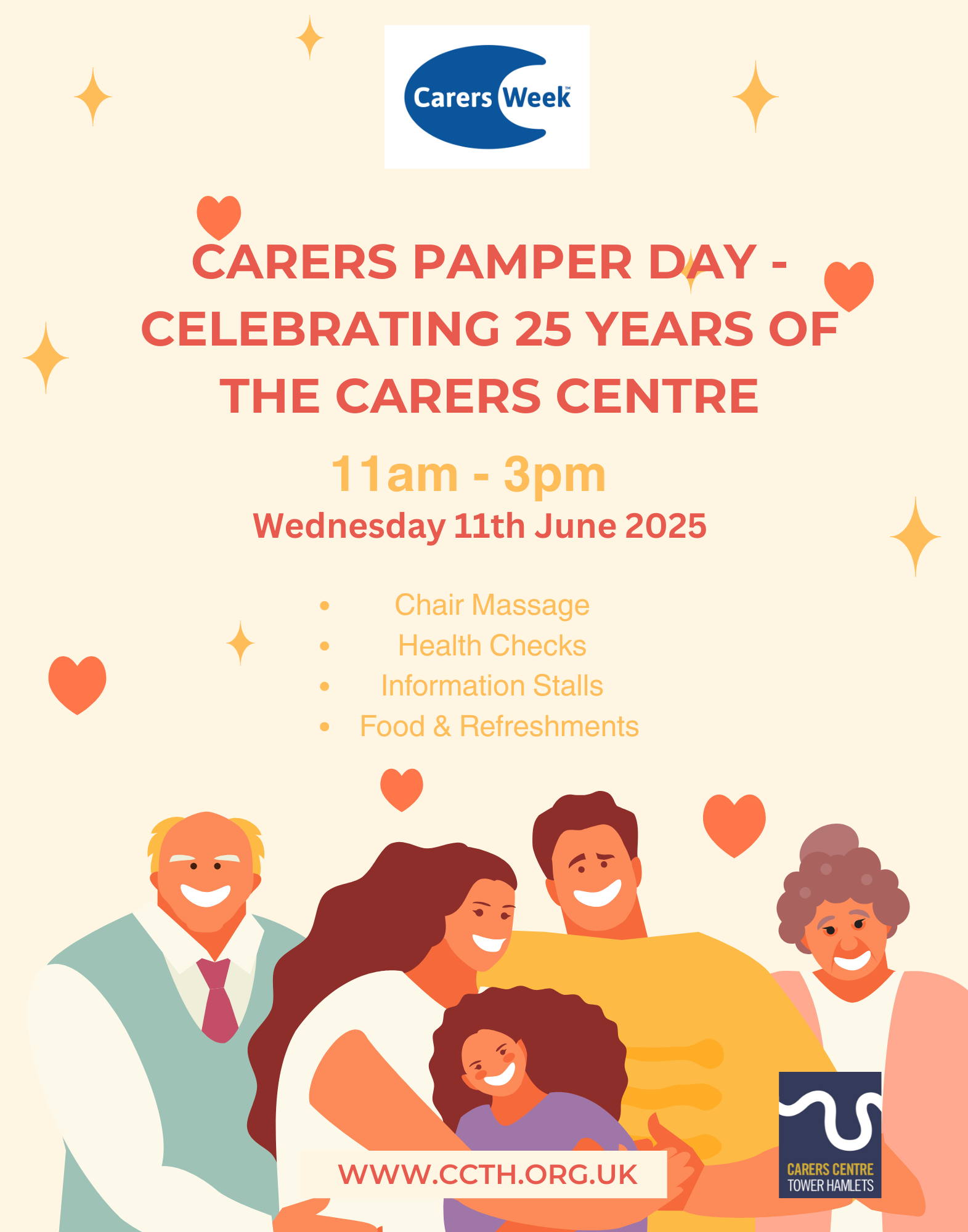
Tower Hamlets Carer centre discussed upcoming events to promote carer support, including a community day on June 11th.
Plus an information stall at the Royal Hospital on June 13th.
Tower Hamlets Carer Centre mentioned plans to start a coffee morning at the hospital’s 13th floor carers hub. Harrow Carers shared that the carers support lead stopped in April due to funding issues, but the NHS trust is now considering joining the Triangle of Care scheme. He requested help finding a suitable presenter for an upcoming meeting with high-level trust members. Matthew offered to connect the centre with Triangle of care leads, who might be able to help with the presentation.
Carers Week Planning and Support
The team discussed upcoming events for Carers Week 2025, including a joint event with the local authority and a new event in the north of the borough in partnership with Greenwich carers. St Georges hospital NHS trust (GESH) shared the development of a new carers charter based on feedback from listening events, which will be shared with various groups and staff to demonstrate commitment to carers’ needs.
SONY DSC
Bexley Carers mentioned the availability of the Household Support Fund for carers facing cost of living issues, with grants of up to £150 available through local authorities.
By Matthew McKenzie, carer activist Date: May 24, 2025
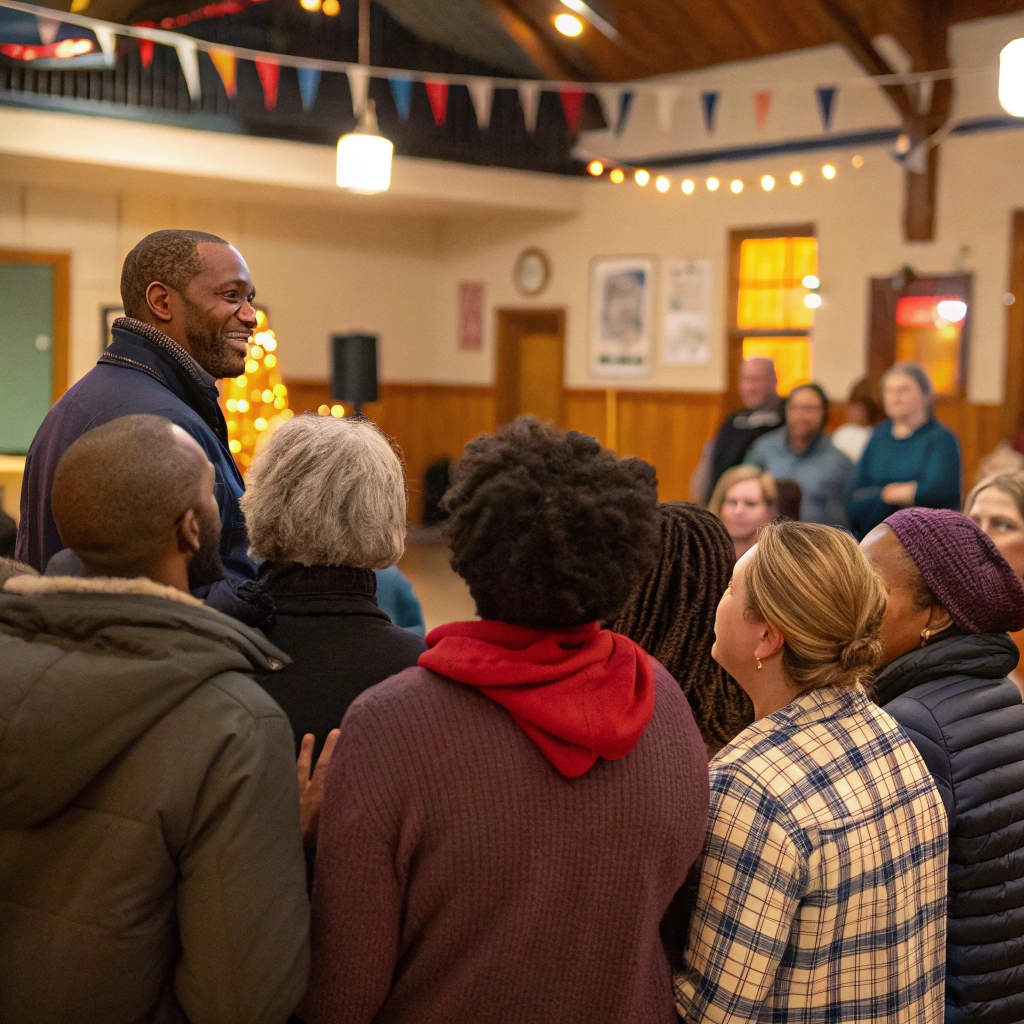
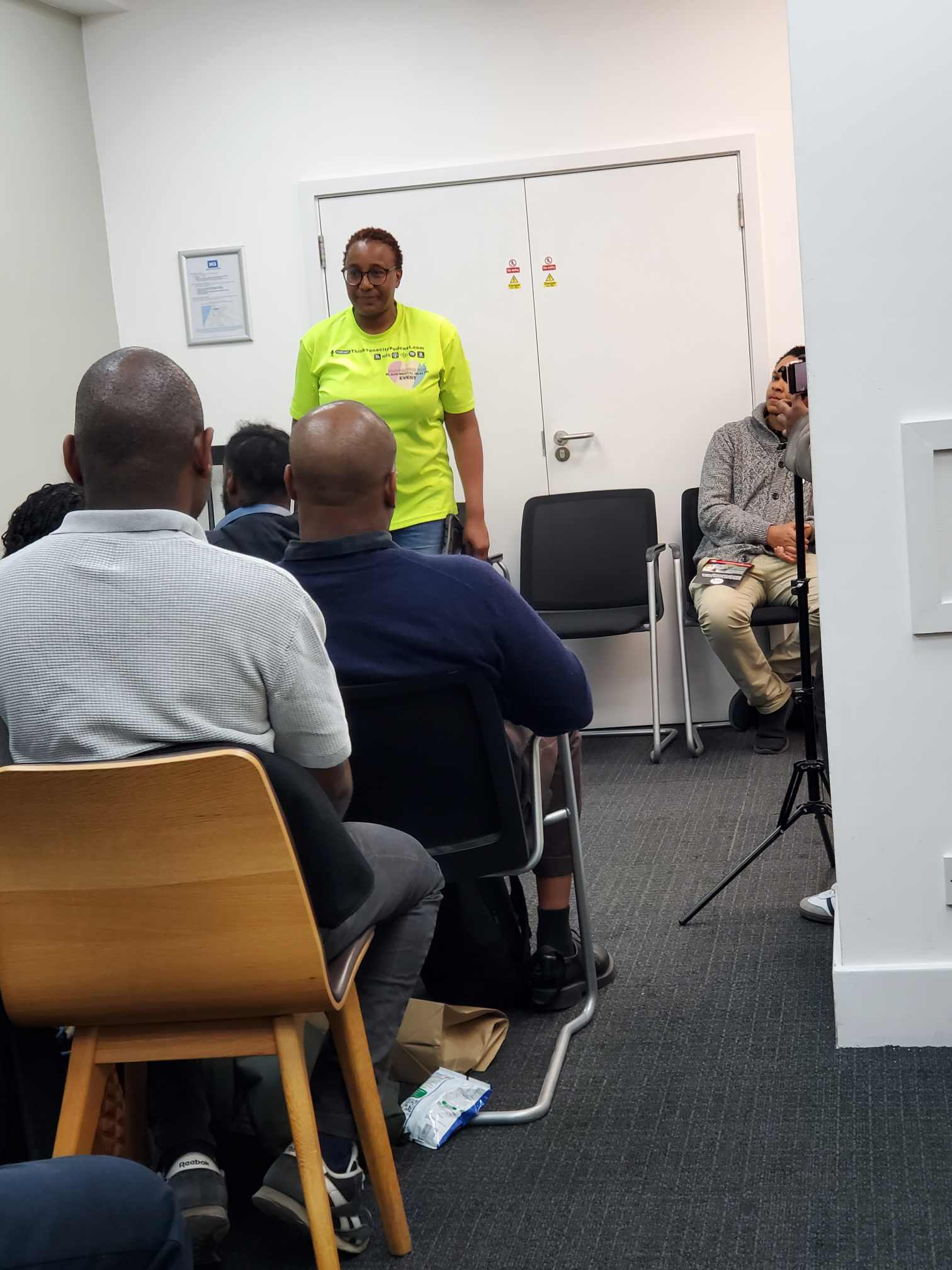
In an evening charged with truth, courage, and community spirit, Think Tenacity Academy CIC hosted one of the most impactful events of Mental Health Awareness Week 2025. Held at Think Tenacity HQ in Vauxhall and themed #BlackStorytellingCommunity, the gathering was more than a panel or workshop, it was a safe space for healing through shared experience.
The event was led by Bella Rareworld, Think Tenacity’s CEO and a mental health advocate living with bipolar disorder, the event was built on a legacy of ancestral wisdom: “Before slavery, social media, or podcasts, we passed on strength and knowledge through storytelling,” she reminded the audience. “Tonight, we reclaim that legacy not just to speak, but to heal, empower, and connect.”




















 A Caring Mind