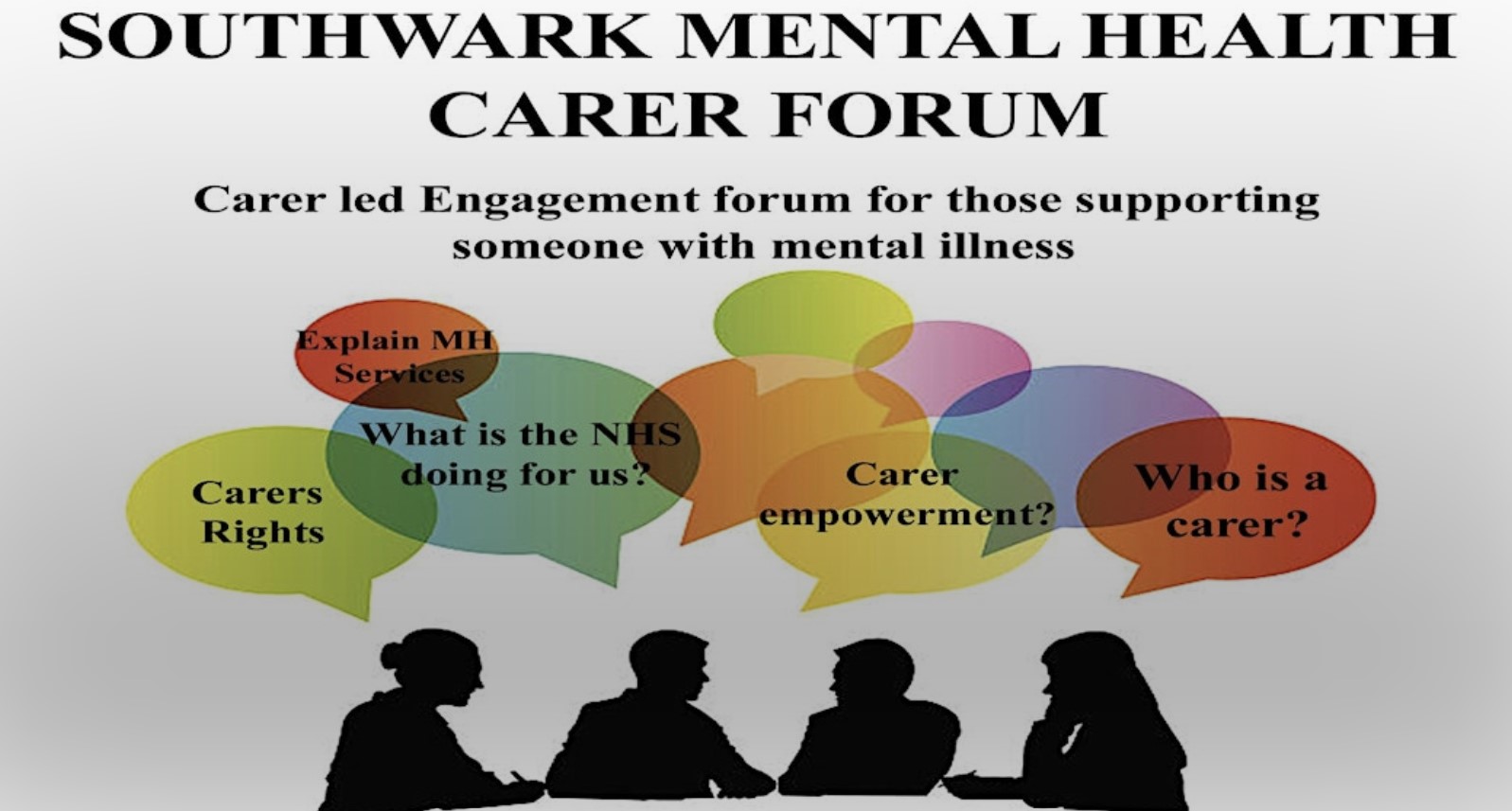
About the Forum: The Lewisham, Lambeth & Southwark Carers Forum is a collaborative online space that brings together unpaid carers, carer leads, mental health professionals, and support organizations to share experiences, raise concerns, and influence change. Focused primarily on mental health caregiving, the forum serves as a platform for peer support, policy updates, training insights, and service development. Led by carer advocate Matthew McKenzie, the group fosters empowerment through regular discussions, creative expression, and co-produced solutions, ensuring carers’ voices are heard across local systems and beyond.
Carers Week Collaboration Discussion
The meeting began with introductions from Matthew McKenzie, who leads a merged online carers group, and other participants including Yvonne, a carers navigator at Southwark Carers, and Margaret, a carer representative with the Royal College of Psychiatrists. The group discussed Carers Week activities and their various roles in supporting carers across different organizations. Karen Hooper, connected with the Lambeth Living Well Collaborative, while Lee Roach, the carers lead for South London & Maudsley in Lambeth, shared his involvement with the Trustwide Family and Carers Committee.
The Power of Poetry and Storytelling in the Lives of Carers
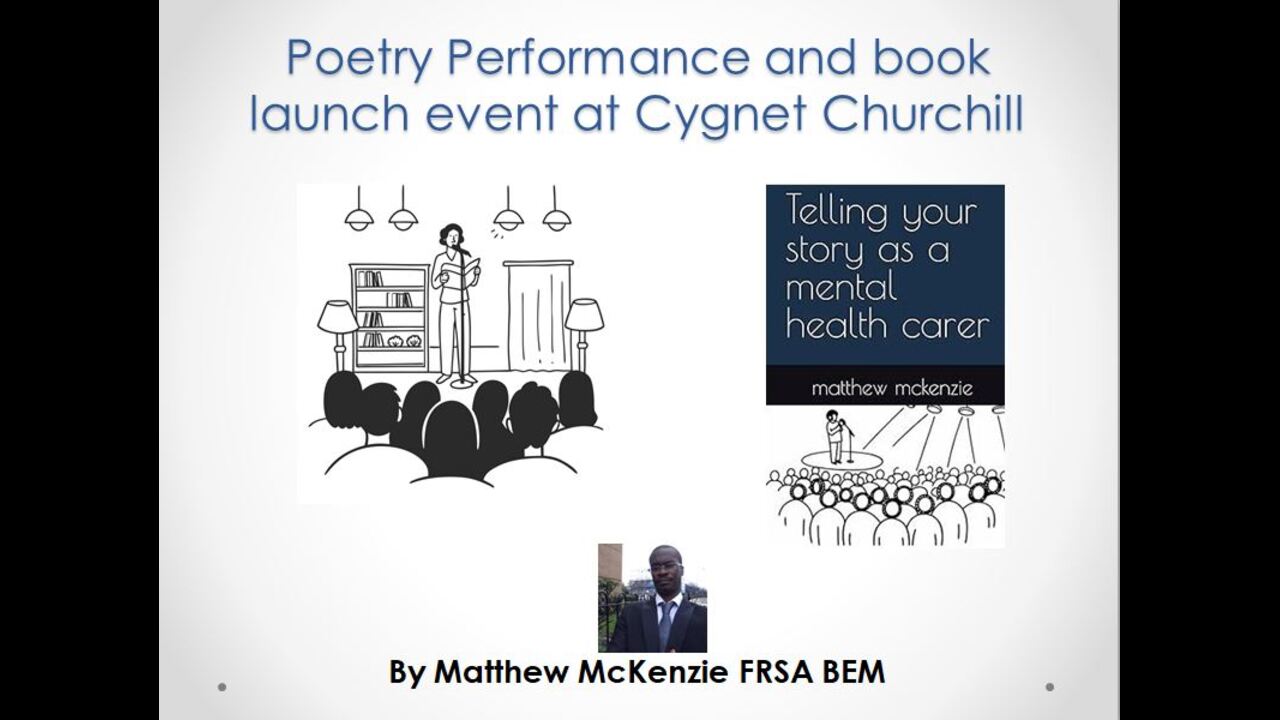
Caring for a loved one with mental health challenges or chronic illness is a journey marked by both hardship and hope. Too often, the voices of carers those who provide unpaid, tireless support are overlooked in the broader conversation about health and wellbeing. Yet, as this moving gathering of carers and poets reveals, storytelling and poetry can be transformative tools for connection, healing, and advocacy. So it was an honour to host our first poetry event at Cygnet Churchill for the 13th of June during Carers Week 2025
This Blog explores the themes, experiences, and creative expressions shared by carers, drawing from a vibrant community event centered on poetry, storytelling, and the lived realities of those who care. Through their words, we gain insight into the emotional landscape of caring, the challenges faced, and the resilience that emerges when stories are shared.
To watch the performance, please view the video below.
Giving Carers a Voice: The Motivation Behind the Book
The host of the event was myself (Matthew McKenzie), as a prolific author and advocate, where I have dedicated my eighth book to amplifying the voices of mental health carers. For me, books are more than just a means of communication they are a way to reach people who might otherwise remain unheard.
Welcome to a brief update of my Hospital Carers Discharge group. The Carers Hospital Discharge Toolkit Working Group is a collaborative initiative dedicated to improving the hospital discharge experience for carers and their loved ones. Chaired by myself a carer with lived experience, the group brings together a diverse mix of voices, including fellow carers, representatives from local carer centres, and, at times, hospital public and patient involvement (PPI) leads or staff. This inclusive approach ensures that the toolkit remains grounded in real-world experiences while benefiting from professional insight and support.
The meeting began with introductions from various participants who shared their roles related to carer support and hospital engagement, including updates on the Universal Care Plan and NHS 10-year plan from NHS England. We also had a presentation on the new project to support carers across North Central London, covering five boroughs and 11 hospital sites, which will help identify and support carers through various initiatives and resources.
The group discussed upcoming events for Carers Week 2025, new carers charter development at one of London’s largest NHS trusts, and various support programs, while addressing challenges and opportunities for improving carer support across different organizations and locations.
Carer Support and Hospital Engagement
The meeting began with introductions from various participants, who shared their roles and affiliations related to carer support and hospital engagement. Matthew highlighted his involvement in various mental health hospital trusts and carer engagement initiatives, while Eleanor discussed her new role as project manager for the North Central London Carers Support Project, which covers five boroughs. Ros from NHS England provided an update on the Universal Care Plan for carers, noting that more updates are needed. The conversation ended with plans for Eleanor to present later, focusing on developments in carer support across the region.
Universal Care Plan Implementation Update
As mentiioned earlier, there was a discussion the Universal Care Plan, which launched in January and will soon allow unpaid carers to initiate their own plans through the NHS app, expected by late summer or early autumn.
It was noted that while some organizations like hospitals and local authorities are familiar with the plan, there are knowledge gaps in the community and voluntary sectors. It was noted that the Urgent Care Plan team are addressing technical questions about IT systems and interfaces, and they are working towards a coordinated London approach. Also highlighted was the need for more training and support in having conversations with carers about the importance of being identified and registered in the system.
NHS 10-Year Plan Updates
There was also updates on the NHS 10-year plan, expected to be published in July, which will emphasize patient experience and care. An update on the integration of carers’ work streams between NHS England and the Department of Health and Social Care, with a likely focus on working-age carers. It was also mentioned on the uploading a video recording of the UCP Carer Contingency Plan launch to NHS Future, which participants could access by requesting to join.
Universal Care Plan Resources
The group discussed the Universal Care Plan (UCP) and its resources for carers, with an offer to connect with the UCP team in South West London.
Matthew shared a website link for UCP One London, which provides information and updates on carer technology initiatives.
The group also discussed plans for Carers Week next month and a new mental health resource for hospitals, though it was noted that details about the latter were still pending.
Carer Support Project Launch
Eleanor presented a new project to support carers across North Central London, covering five boroughs and 11 hospital sites. She explained how the project will identify carers through self-referral or hospital staff identification, using a website with translation tools and referral forms that can be submitted by carers.
Eleanor also discussed plans for carer awareness training and the distribution of informational materials in hospitals to help identify and support carers. Harrow Carers centre raised questions about how hospitals can alert staff to carers involved with patients and how to better identify carers, to which Eleanor responded with plans for training and collaboration with other initiatives like the Universal Care Plan.
Carer Strategy and Resources Discussion
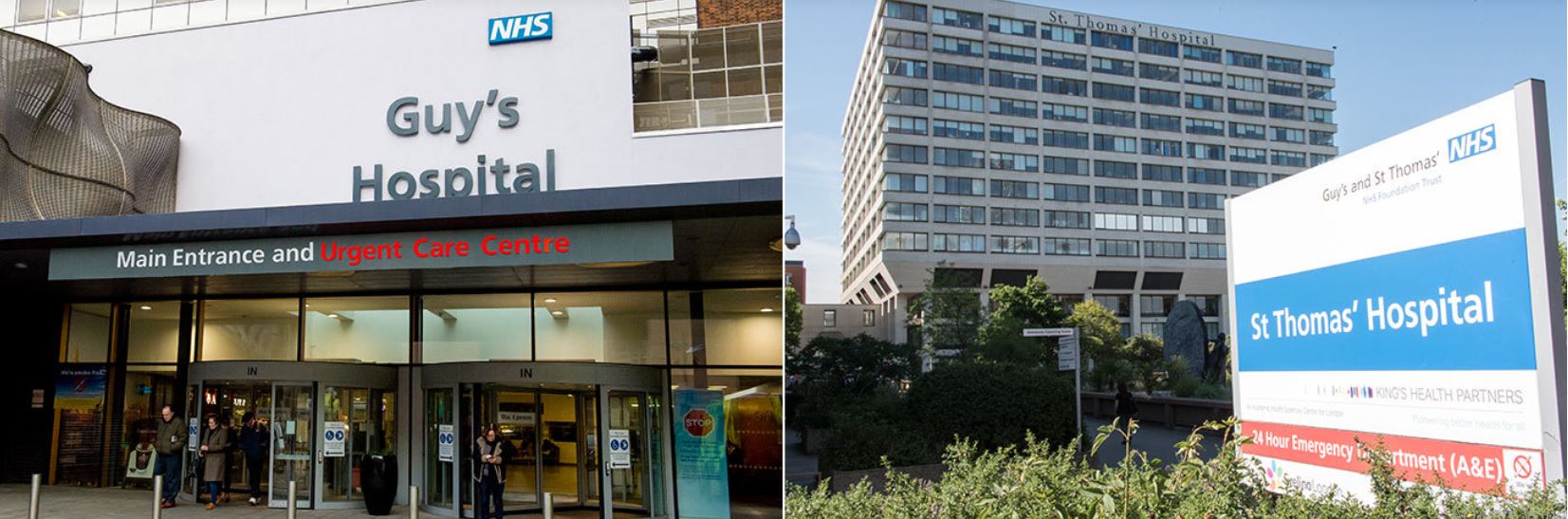
Eleanor discussed her previous work with Guys and St Thomas’s, noting that she had been involved in creating a carer strategy. She offered to provide the email address of a former colleague for more accurate information. The group also discussed a returning from home resources project led by Guys in southeast London, which the CEO of Bexley Carers Centre planned to present at the next meeting.
Carer Support Program Updates
The meeting discussed a carer support program that targets all carers, including young carers, with no specific threshold or type of carer required. Eleanor explained that local carers organizations would decide how to support identified carers, and hospital staff would have a centralized referral system. Matthew McKenzie provided an update on Carers Week events, highlighting various topics and resources available.
I have placed the link below from the NHS England site.
Tower Hamlet Carers Centre shared developments at the Royal London Hospital, including the addition of two carer support workers, a new base on the 13th floor, and efforts to raise awareness among staff and carers.
Carer Support Events and Initiatives
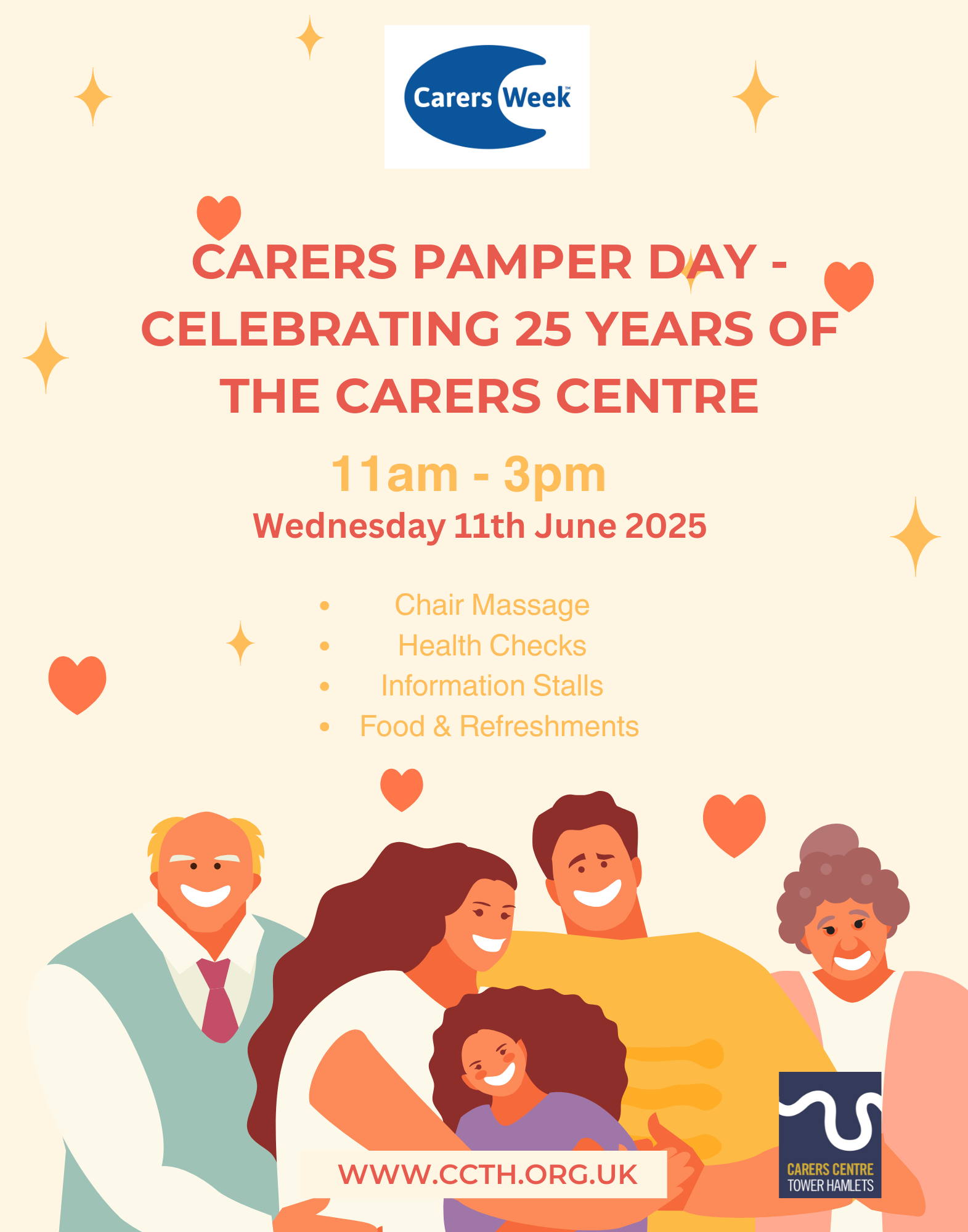
Tower Hamlets Carer centre discussed upcoming events to promote carer support, including a community day on June 11th.
Plus an information stall at the Royal Hospital on June 13th.
Tower Hamlets Carer Centre mentioned plans to start a coffee morning at the hospital’s 13th floor carers hub. Harrow Carers shared that the carers support lead stopped in April due to funding issues, but the NHS trust is now considering joining the Triangle of Care scheme. He requested help finding a suitable presenter for an upcoming meeting with high-level trust members. Matthew offered to connect the centre with Triangle of care leads, who might be able to help with the presentation.
Carers Week Planning and Support
The team discussed upcoming events for Carers Week 2025, including a joint event with the local authority and a new event in the north of the borough in partnership with Greenwich carers. St Georges hospital NHS trust (GESH) shared the development of a new carers charter based on feedback from listening events, which will be shared with various groups and staff to demonstrate commitment to carers’ needs.
SONY DSC
Bexley Carers mentioned the availability of the Household Support Fund for carers facing cost of living issues, with grants of up to £150 available through local authorities.
Here is a brief update of the Triangle of Care Community group for the month of May 2025. The Triangle of Care Community group is a collaborative forum that champions the voices of unpaid carers in mental health services. The group works in partnership with service users, carers, and professionals to embed the principles of the Triangle of Care, promoting shared decision-making, improved communication, and recognition of carers as equal partners in care.
Our most recent meeting brought together carers, NHS professionals, researchers, and advocates from across the UK, including representatives from Kent, Bristol, Lewisham, East Sussex, and Hertfordshire. The atmosphere was one of mutual respect, knowledge-sharing, and a shared drive to improve the experience of care for carers and their loved ones.
The meeting covered updates on Triangle of Care developments, including recent accreditations and ongoing pilots to adapt the model for various healthcare and social settings. Presentations were given on research studies related to mental health care, including pharmacist prescribers’ roles and experiences of underserved older male carers. The group also discussed campaigns for increased research funding in serious mental illnesses and initiatives to support carers, such as Carers Roadshows.
Triangle of Care Expansion Updates
Mary Patel one of the Triangle of Care leads, provided an update on Triangle of Care developments and accreditations. Several healthcare providers have recently gained Star awards. There are ongoing pilots to adapt Triangle of Care for social care settings and to incorporate criteria for better support of racially marginalized carers. Mary announced that the Triangle of Care community group will be formally brought on board with Carers Trust, with Matthew as the inaugural chair for a 2-year term. They are looking to bring on co-chairs to support Matthew in his role.
Triangle of Care Implementation Updates
The group discusses recent achievements in implementing the Triangle of Care model across various healthcare organizations. Gabrielle Richards who leads on carers at South London & Maudsley reported that her trust successfully completed their Star 2 accreditation assessment for community services.
Matthew McKenzie shared a video poem he created about the Triangle of Care as it was shown during the peer review at South London & Maudsley.
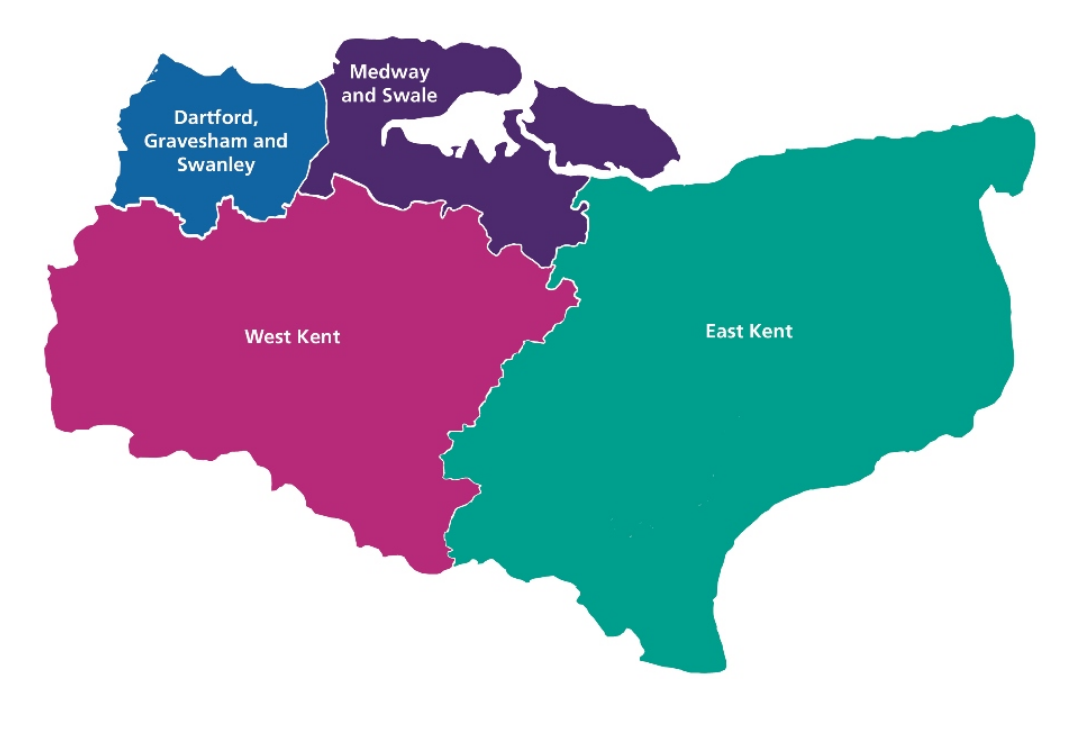
Kelvin thanked Gabrielle for her contributions as she prepares to leave her role. Louise from Kent and Medway NHS Trust reported they maintained their second star accreditation and have implemented new processes to ensure carer considerations are included in policy development.
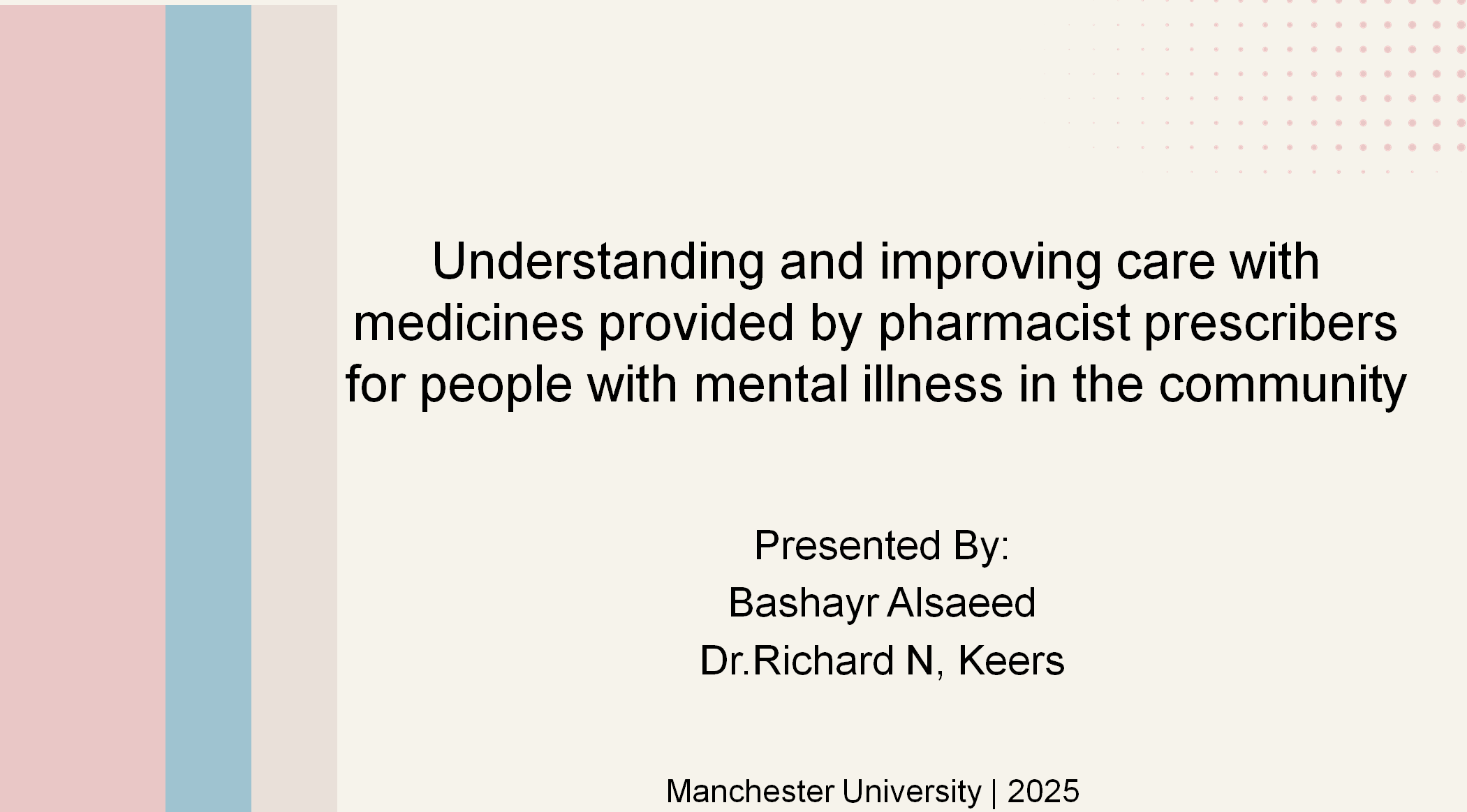
Richard introduced Bashir Al Saeed, a PhD student from the University of Manchester, to present their research study on the experiences of people with mental illness and their carers when receiving care from pharmacist prescribers in the community.
Bashir explains that the study aims to understand and improve care provided by pharmacist prescribers for people with mental illnesses in community-based settings. Participants will be asked to take part in a one-hour interview and will receive £30 as compensation.
The study is seeking individuals aged 18 or older with mental illnesses or their unpaid carers who have received care from pharmacist prescribers in the UK. A discussion follows about the inclusion criteria, particularly regarding the requirement for fluency in English, with concerns raised about potential issues against non-English speakers
Mental Health Research Campaign Initiative
The group discussed a campaign for better research into long-term serious mental illness in working-age people. Irene explained that they have been working on this campaign for a year, collaborating with experts from Oxford and the Welcome Trust.
The campaign aims to gather signatures and includes a short video. Irene emphasizes the importance of this initiative, as many in their group have loved ones who have been ill since their teens and are now in their thirties and forties.
You can find out more about the campaign from the link below.
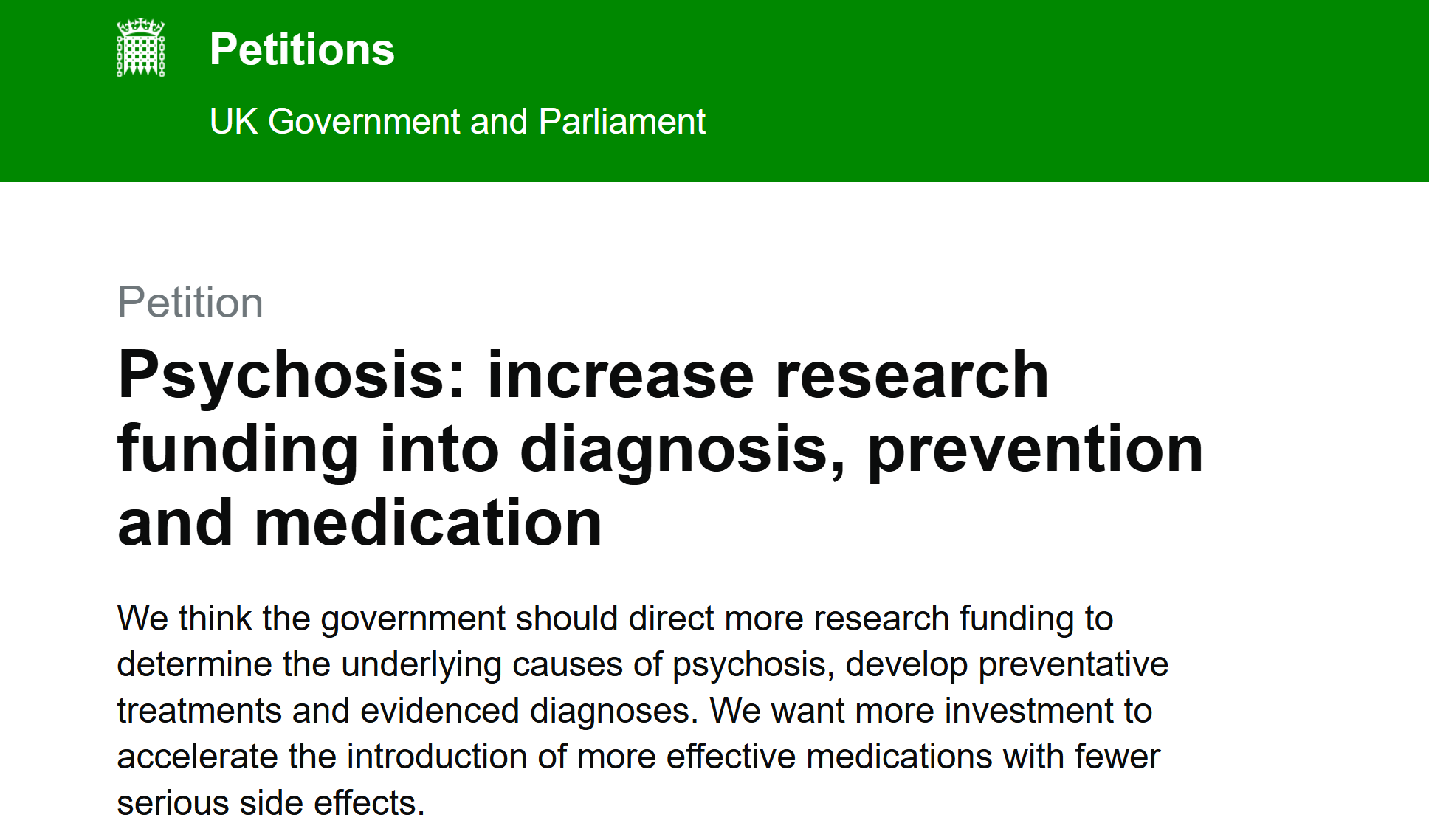
The discussion focuses on a petition to increase government funding for research into psychosis, including its diagnosis, prevention, and treatment. Irene passionately advocates for more effective medications with fewer side effects, emphasizing the need for better understanding of the underlying causes of psychosis. A carer shared personal experiences of her son’s struggles with mental illness and medication side effects. The group discusses the importance of signing and sharing the petition to gain government support for accelerated research in this area.
Pharmacist Prescribing for Mental Health
The discussion focuses on pharmacists prescribing for mental health conditions. Richard explains that some pharmacists, especially those with specialized training, are caring for people with mental illnesses in various settings. However, the extent of their involvement in prescribing and monitoring is still unclear. A carer expressed concern about pharmacists prescribing for severe conditions like bipolar disorder without extensive training. The group discusses the need for proper qualifications and access to medical records. Richard emphasizes that the study aims to understand and improve the care provided by pharmacist prescribers in community services.
Carers Roadshows: Community Support Network
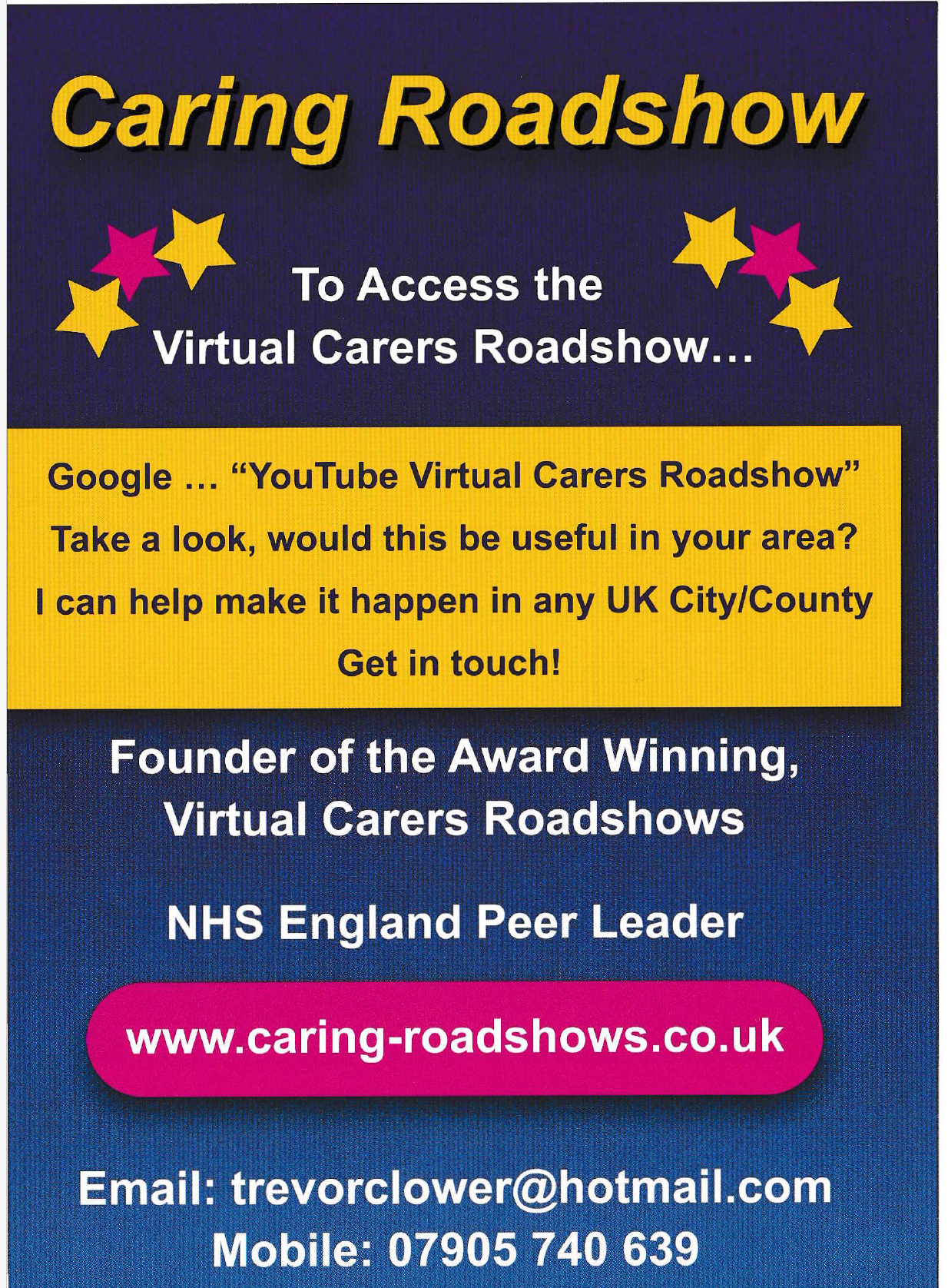
Trevor a carer involved at Notts NHS described his Carers Roadshows, which he has been organizing since 2013. These free events bring together various organizations dealing with health, mental health, and social care to provide information and support to carers and patients.
Trevor emphasizes the importance of communication in triangular care and sees the roadshows as an effective, sustainable tool for fostering connections between different organizations and the community. He expresses his ambition to expand the roadshows across the country, particularly in London boroughs, and offers to help others create their own roadshows using his four-step guide.
Older Male Carers Advisory Group
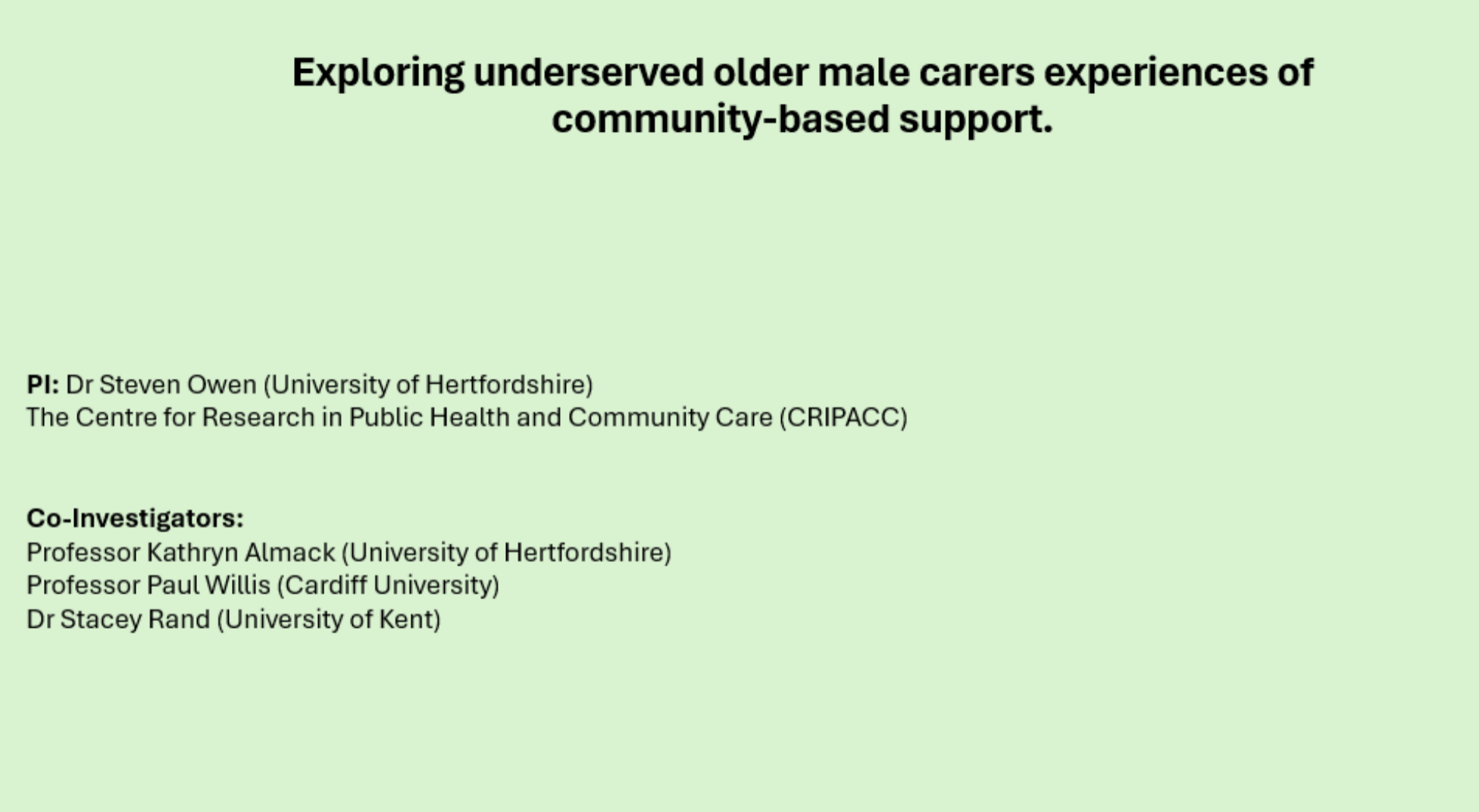
Steve Owen from the University of Hertfordshire presents his research project on exploring the experiences of underserved older male carers. The project aims to set up an advisory group of 7-10 older men, particularly from minority ethnic groups, same-sex relationships, and rural/coastal areas, to meet from June to December 2025.
The research group will discuss the benefits and challenges of caring, gender dynamics, and access to support. The project’s goals are to develop a grant proposal for further research and improve advisory group guidelines. Steve is still recruiting participants and welcomes help in sharing information about the project.
Final Reflections
The session highlighted both the progress and the gaps still faced by carers, particularly around communication, access to services, and recognition. The Triangle of Care model continues to be a vital tool in bridging these gaps, but it is the commitment of carers and professionals alike that drives real change.
“Thank you for another great meeting Matthew and everyone.” – Linda Thomas “These meetings have been such a resource for us all.” – Gabrielle Richards “Powerful video, powerful voices. Thank you everyone.” – Claire Wood
I’m proud to be involved and help lead as triangle of care community as Chair and look forward to building our impact together. If you’re interested in co-chairing or getting more involved, please reach out let’s continue to shape mental health care that values and includes carers at every level.
Hello everyone, it’s Matthew McKenzie here with another lecture aimed at unpaid carers. As you can see from the title, I’m in carer activist mode, which is basically what I am. And when I say carer, I’m talking about unpaid carers, those that care for someone living with a long-term illness. In this lecture, we will focus on effective ways for carers to lobby the government and create change.
To see the video lecture, see below.
Why Lobby Now?
Urgent Issues
You might be thinking, why am I making this sort of video now? The NHS is due to undergo significant changes, which will cause a lot of problems and challenges, especially for carers.
Hello everyone. I am Matthew McKenzie, Carer Activist, poet and author. Volunteer for Carers UK, Carers Trust and Macmillan Cancer support to raise awareness of unpaid carers using my lived experience of caring.
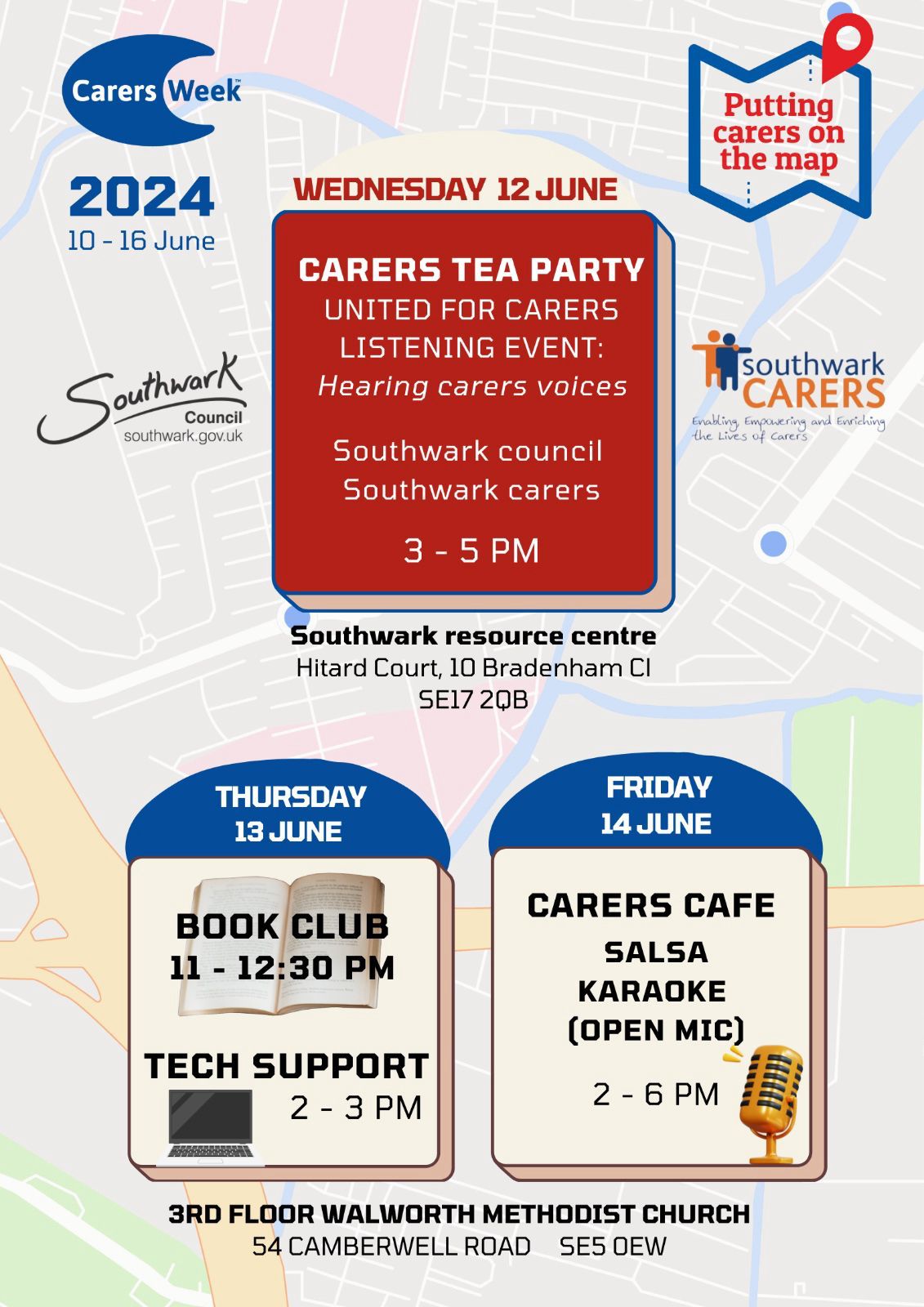
At the time of this blog post it is Carers Week 2024. Carers Week 2024 could not arrive at such a better time, especially with an election happening.
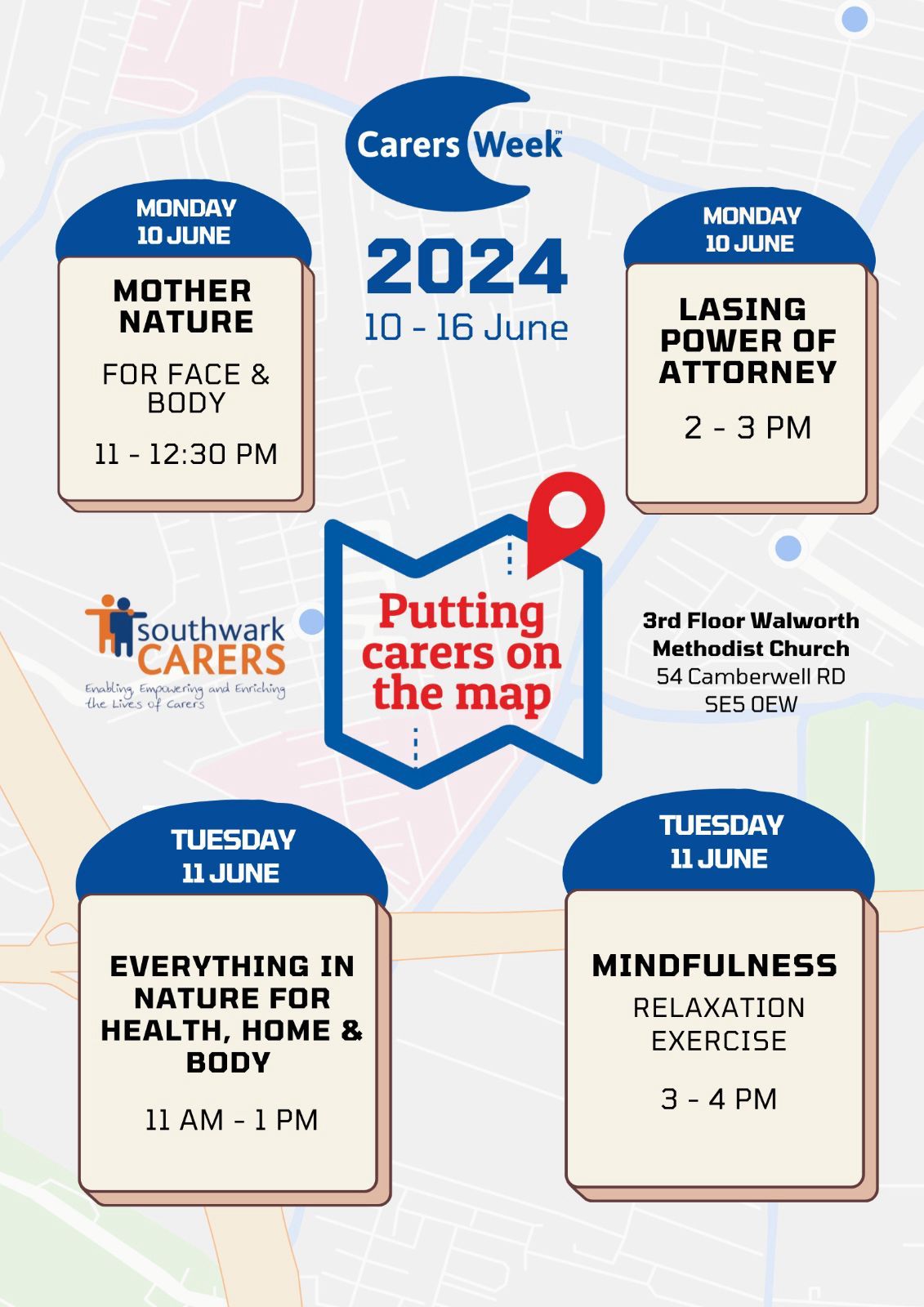
For Carers Week 2024, the theme is “Putting Carers on the Map”. I know many carers are facing so many challenges in their role. This could be down to difficultly providing unpaid care, getting engagement from health & Social care services or even being identified as carers.
Many carers up and down the country can be easily hidden, they carry on with their caring role unaware of the support that can be offered to them.
With an election due to take place, the chance to put carers on the map has never been greater. It is an excellent chance to use our voices, experience of care and connections to continue to raise awareness.
So I am counting on many to help raise that much needed awareness of Carers Week. If you are a carer, health professional or someone with lived experience, it might be worth looking out for events from 10th of June to the 16th of June.
I will continue to write and promote carer events nationwide and do all I can to help raise awareness of carers, I hope you can as well. You can sign a pledge on the Carers Week website or you can run an event yourself. There is nothing too small to place carers on the map.
Poem for Carers Week
For carers week to share It helps to be aware That if you really care Listen up for your own welfare
Its best you are not ignored Noted a carer to be on record For support is your reward So social care back onboard
For Carers week is here With events to promote and shareb Its worth attending, just be there To learn about unpaid care
So please dont be ignored It something you cant afford Support and help explored Faith in the system restored
Southwark Carers has been preparing for Carers Week 2024. If you are caring for someone unpaid in the borough of Southwark, check out the latest activities at Southwark Carers.
Welcome back to another blog post by carer activist and author Matthew McKenzie.
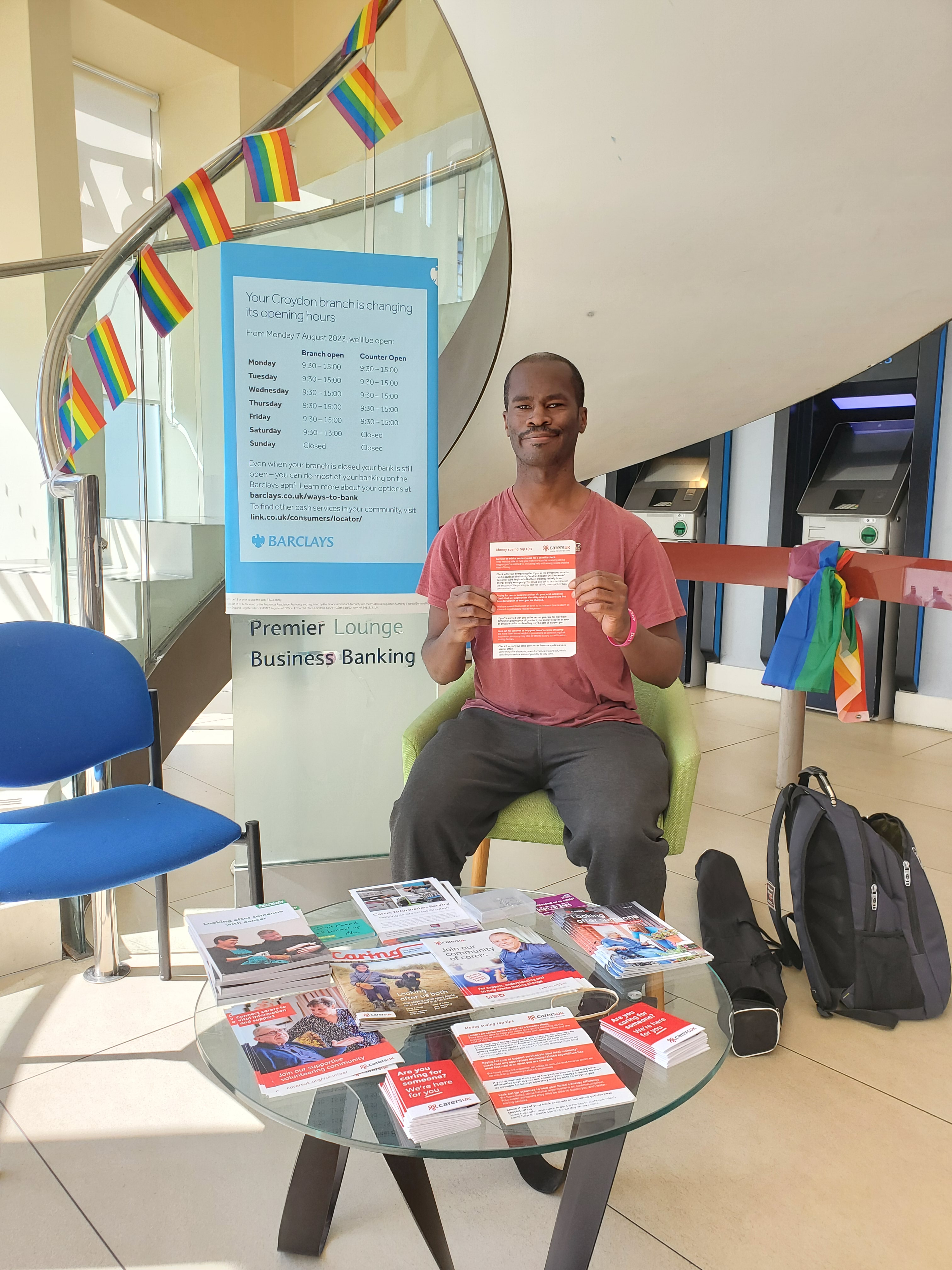
It has come to the end of Carers Week 2023. I decided to do one last final event after a successful carers week. This event was located at Barclays Bank over in Croydon.
As part of their support for Carers Week 2023, Barclays Bank was promoting Carers UK information and resources at their flagship UK branches below. As a Carers UK Community Connector volunteer I felt I could help raise awareness of Carers Week with Barclays’ customers.
Carers Week is an annual campaign to raise awareness of caring, highlight the challenges unpaid carers face and recognise the contribution they make to families and communities throughout the UK.
This would allow me to connect with unpaid carers who could access support.
Just so you know Carers UK is a national charity looking to make life better for the 5.7 million carers across the UK.
As it stands, a carer is a person of any age who provides unpaid care and support to a family member, friend or neighbour who is disabled, has an illness or long-term condition, or who needs extra help as they grow older.
So with the awareness campaign of Carers Week, it helped to promote awareness of caring and promote access to support for carers. Just by chance across the road Barclays bank in Croydon, was also the Carers Information service.
The Carers Information Service provides information, advice and support for carers living in, or caring for someone who lives in, the London Borough of Croydon. The staff were kind to provide me some leaflets incase I need to refer carers there.
I spent several hours that saturday speaking to customers who wanted to know more about Carers UK. I also brought some samaritan cards along. Staff at the bank were kind and supportive. There was a focus on community spirit as the bank wants to support people from all walks of life, including carers.
Barclays Bank also have information available on their website for customers if they are needing to set up access to support someone they are caring for https://www.barclays.co.uk/third-party-access/
Welcome fellow carers. Another update from carer ambassador Matthew McKenzie. I thought to do a quick update and feedback to a recent carers conference I have just returned from. The event has such a significance because it was held during carers week 2022.
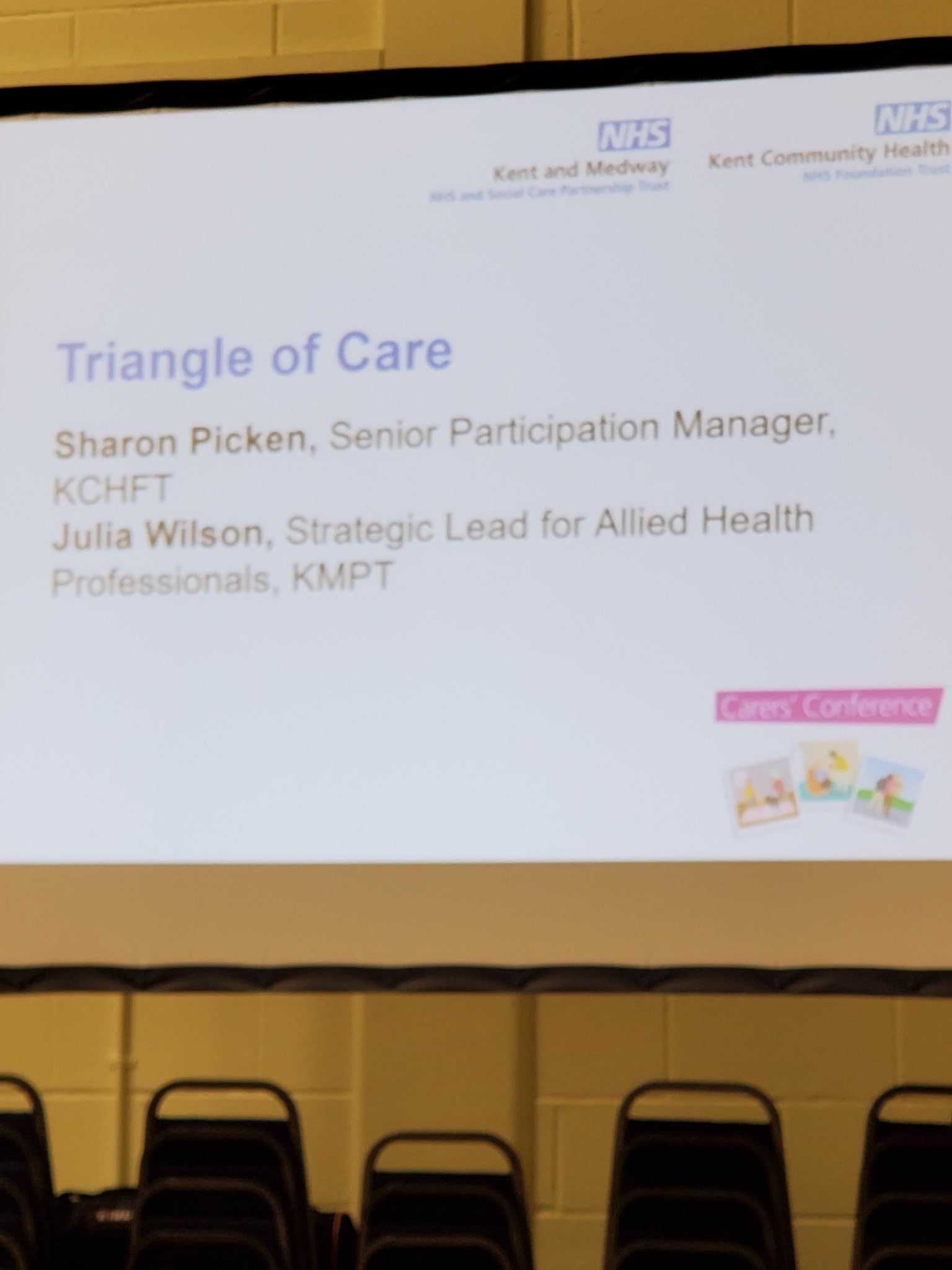
As you might know already, I speak often about the carer’s policies on Triangle of care. Usually the triangle of care has been taken up by many mental health trusts, but we are seeing an evolution where community and acute NHS trusts are picking up the challenge to focus efforts to families, friends and carers. So on the 9th of June 2022. Kent & Medway NHS & Social Care Partnership Trust and Kent Community Health NHS Foundation Trust launched their first ever JOINT carers conference.
The conference took place over at the Repton Connect Community Centre over in Ashford. I had a pleasant journey by train as the sun was shining. Of course I did not want to miss the event, because I was involved in co-producing the event with other carers. This is very important for other NHS trusts to co-op carers into planning such events since carers have an idea on what other families, friends and carers would like to hear.
I am blogging about the event, because I dont think I managed to give feedback when I left near the end of the event. So I hope my feedback is useful.
As I arrived at the conference, it was easy to get in because both staff from the 2 NHS trusts recognised me straight away and were smiling. I did catch a hint of nerves as people wonder if something was going to go wrong or fall apart, but as the conference got underway, everything went smoothly.
We had a good turn out at the first ever carer’s conference for the 2 NHS trusts and I was very impressed that both Chief execs (Gordon Flack and Helen Greatorex) of the NHS trusts turned up to open the event. They both admitted that although lots of changes has happened, there was always more to do. What impressed me is that the CEO’s stayed for quite a while at the event and introduced themselves to many staff and carers.
The set up of both on-site and virtual engagement was very impressive, but it is a different experience if you turn up for the event, although I admit some people cannot leave the ‘cared for’ by themselves at times.
We have some excellent activities and workshops listed below
Carer stories from Liz
Carer experience Video from Kay
Workshop on Carer assessments and support (carer’s first charity)
Dementia Care from Specialist Nurse
A video from MP Helen Whatley who used to be Minister for Care
Recovery college presentation
Managing Medication
Triangle of Care progression and updates
Plus close from the Acting Chief exe and CEO
Favourite parts of the event
I would have like to say I loved all of the event, but some things stuck out more and I feel they ought to get a mention. These things would have to be the ‘Carer’s Stories’. If its on video or a brave carer standing up in front of other carers or staff, its always something special. I learn from others all the time and I am sure other carers and professionals learn from those stories. In fact one of the carer stories is used for training staff. It make things that personal and authentic.
Another thing I felt was important was the triangle of care update, especially from Kent Community Health NHS Foundation Trust, since it was the first non-mental health trust to take up the challenge of Triangle of care. Implementing the triangle of care is no easy task. It is not meant to be easy to be honest, but that NHS trust has laid the foundation for others to follow.
The food was very good at the conference and I hope in later conferences we can get something hot. I admit with conferences from South London and Maudsley, I get the feeling they splash out and spoil carers. Still, the food was very good and I did not waste anything. Most importantly, I networked with other carers and we exchanged details to keep in touch. This probably the most important reason for attending a carers conference. Carers ought to network and keep in touch.
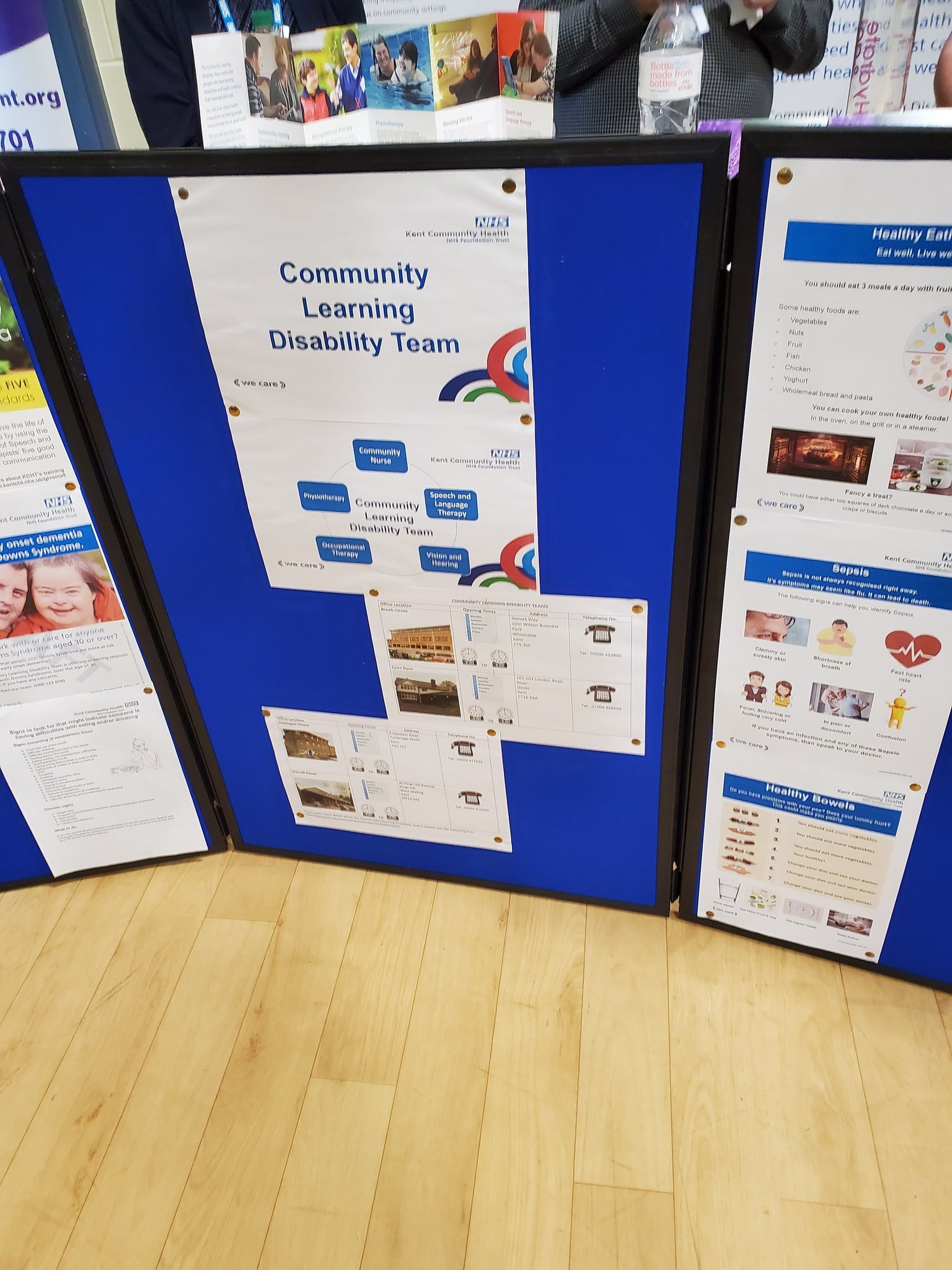
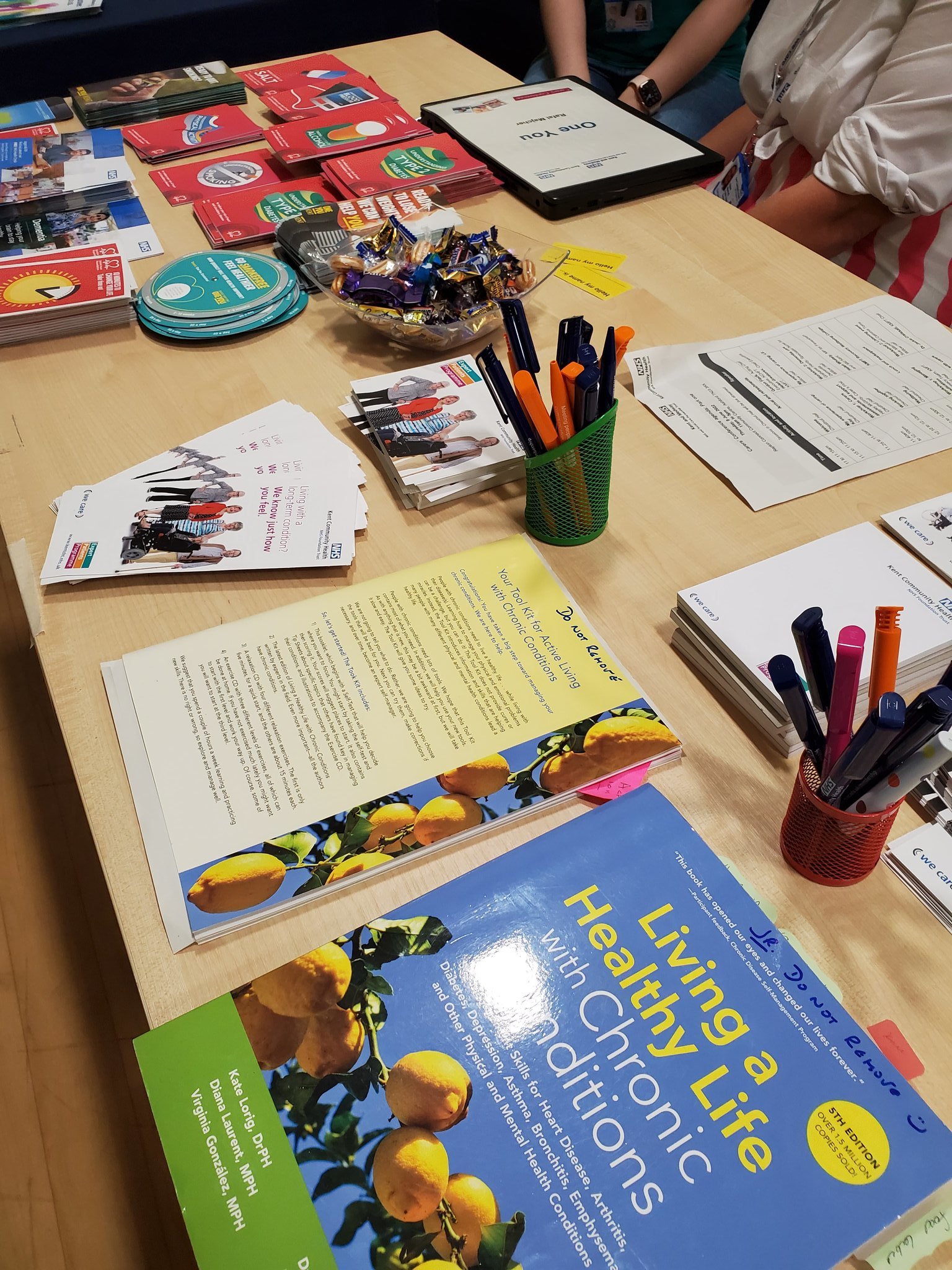
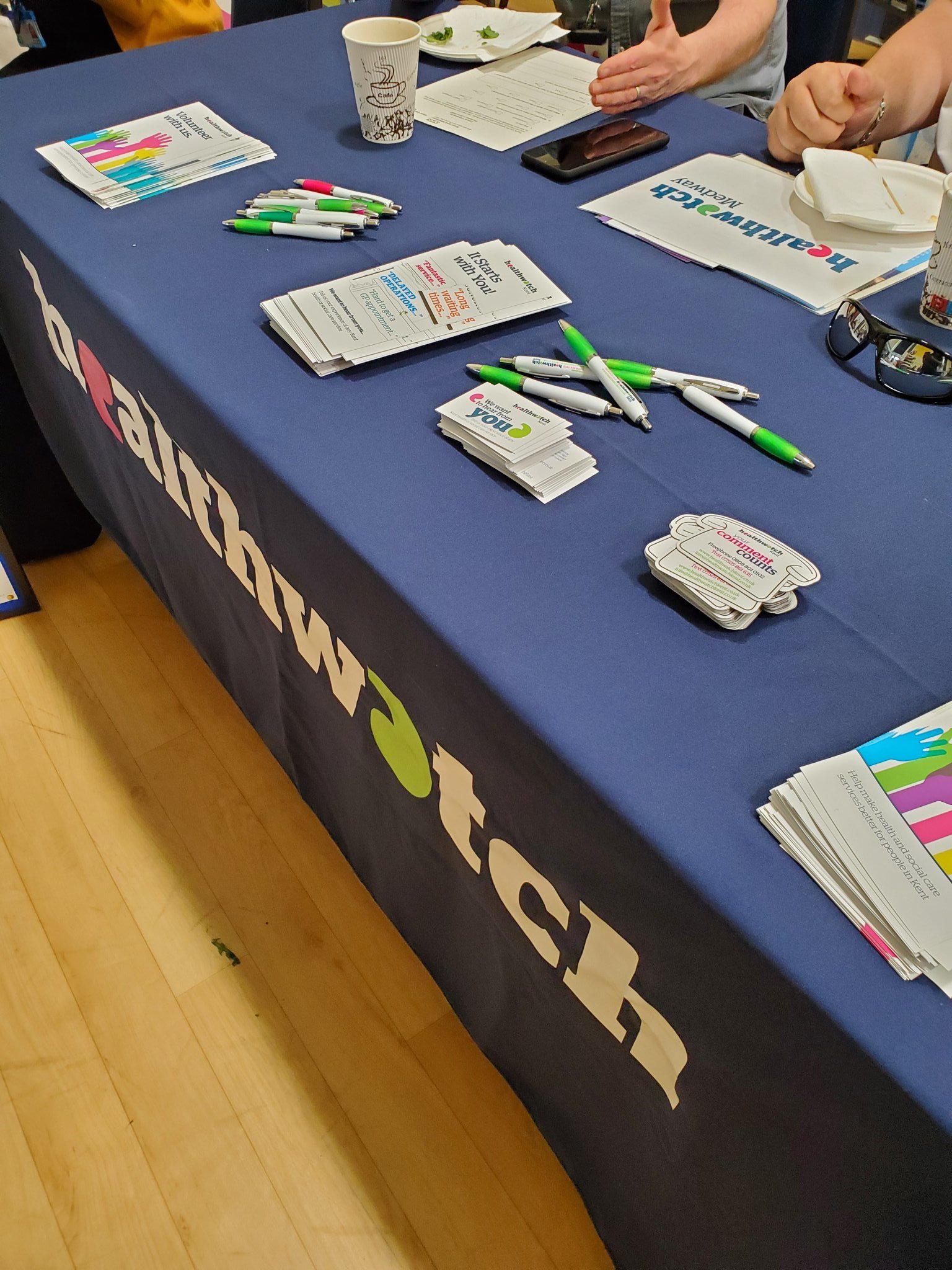
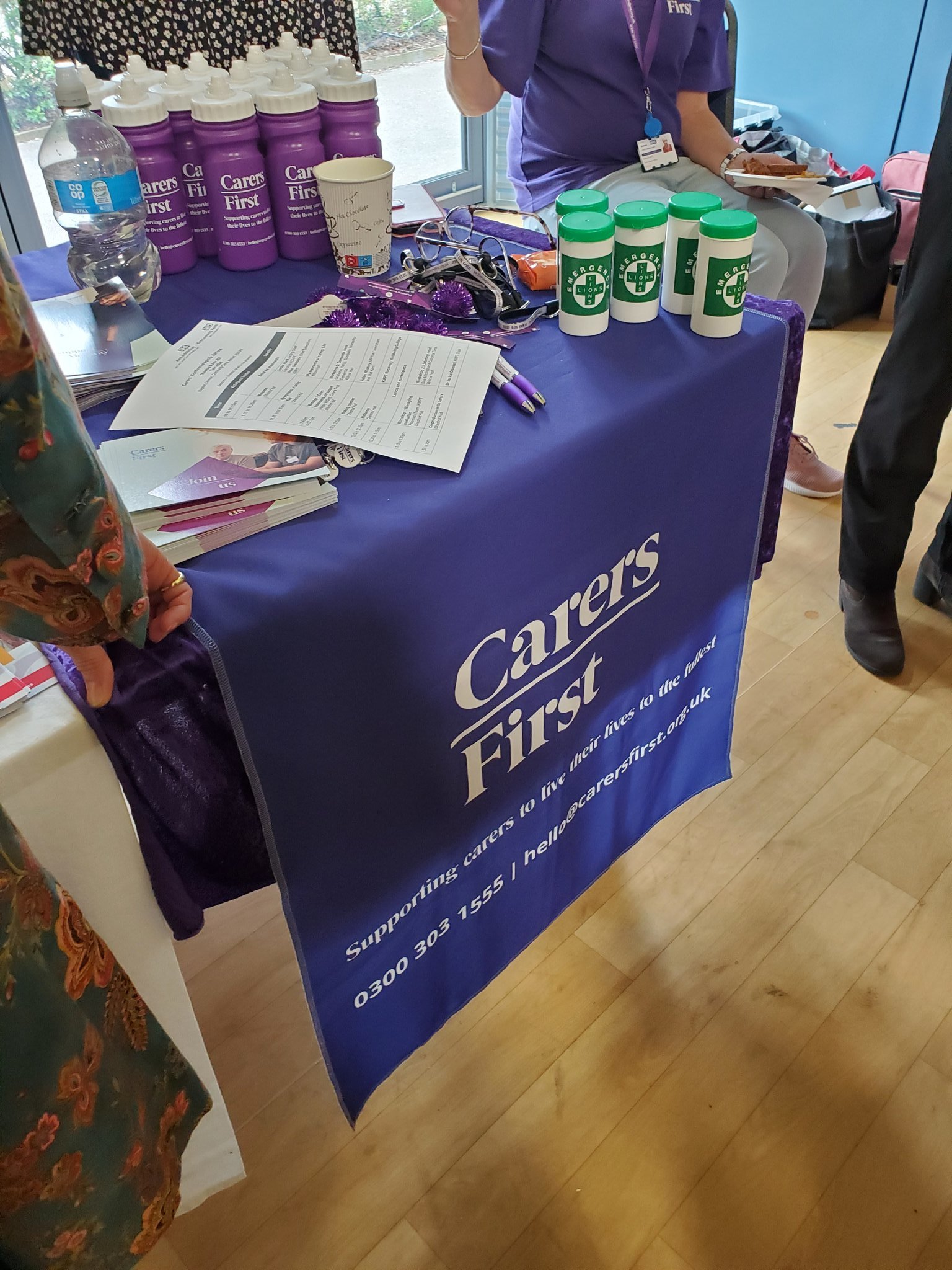
Lastly, I took the chance to visit some stalls and found some useful information that can make life easier for unpaid carers, friends and family.
Overall I felt the staff worked very hard to put the first ever joint carer’s conference together and I hope the next conference will be bigger and lay even more foundations for others to follow.
I almost forgot. I did not manage to do a carer poem at the event. So I thought to leave one here, the poem highlights the importance of telling a carer’s story, especially at events like the one I have reviewed.
I tell my story to the crowd I tell it loud, nice and proud It is my story that I be telling Of all my work and all my caring
No sweat, no fear I tell it here Of all my hopes and all my fears It started on that fateful morning Her mental illness came without warning
I told the audience how I was frantic I alerted the doctor who said “Don’t Panic” It’s such a long journey of my caring I am telling my story to be sharing
The audience stared, cheered and cried And onwards still, I ve nothing to hide All is laid out with my story to bear I am doing my best with little to fear
And now my story is at an end I hope the audience comprehends I feel accomplished and feel understood On telling my story, who thought I never would
So it is now the start of Carer’s week 2022. A week I have been waiting for all year and I hope you have as well. What is so special about Carer’s Week? It is a chance to use your experience of providing unpaid care to stand up and be counted for your efforts.
Carer’s Week is a collaboration of many charitable organistions seeking to make life easier for millions of carers around the country. The UK has been through difficult challenges over the years with the COVID-19 situation and now recently the cost of living. We also have the revamp of the mental health act and the new health and social care bill, which seeks to make the systems fairer to carers and those they care for.
However many carers around the country are wary of new laws and bills and to be honest unpaid carers have not come well off from past laws. It is so important the government, local authority and health providers seek engagement from unpaid carers regarding new bills and policies.
Going back to carers week, there are many themes and campaigns taking place. The latest one is on the “A Recovery and espite Plan for Unpaid Carers” There is an open letter to the prime minister signed by seven CEOs of major national charities.
Helen Walker, Chief Executive, Carers UK
Caroline Abrahams, Charity Director, Age UK
Kirsty McHugh, Chief Executive, Carers Trust
Sally Light, Chief Executive, MND Association
Danny Sriskandarajah, Chief Executive, Oxfam GB
Mark Winstanley, Chief Executive, Rethink Mental Illness
Jacqui Cannon, Chief Executive, The Lewy Body Society
Each year, carers week has a theme to highlight the importance of unpaid carers and the challenges they go through. This year is no different and the theme for this year is “Making caring visible, valued and supported”. So why such a theme this year?
Personally it is well known that carers can end up being hidden because they are caring behind closed doors, but there are other reasons for carers to be hidden. Not many people think they are caring and just get on with it, some feel that caring carries stigma and to make matters difficult, health and social care systems often fail to identify carers. It is known that even if a carer is identified then there is always a risk that the carer can slip through the net. The reason for this is caring heavily relies on the relationship to the “cared for”, especially caring for mental illness. If that relationship fails then caring can be at risk and the carer could be at risk.
What about being valued? Is caring valued in society? Is caring valued in the community? To be really blunt about it, I am afraid caring suffers from being valued. Society does not deem the sacrifices others have to pay to care a worthwhile endeavour. It could be that people are compelled to care and that in itself could be the reward, but that reward is countered by the harsh challenges carers have to face, especially financial. Unpaid carers put so much on the line that they themselves risk their own health and wellbeing. It is so important we not only value carers but the importance of caring itself.
What about being supported as a carer? Many carers complain health and social care systems fail to support them. The risk is if the support for the carer is lacking, then this can cause a trickle down effect to the patient or “cared for”. The risk is the patient suffers at the end of the day because the carer is not getting that vital support.
I call for ALL carers to use this week as an opportunity to stand up and be counted, be diplomatic in your efforts, but make yourself known and be proud you have been there all this time to give a care. We are not asking much, just only to be identified, valued and supported.
Just to note, I will be doing a Share & Learn session at Carers UK. I wish to share my knowledge of the experience of care regarding ethnicity, mental health and carer wellbeing using my poetry. If you are a carer, see the link below to book



















 A Caring Mind