By Matthew McKenzie – Carer activist with Think Tenacity Academy CIC at Nando’s High Street Kensington (Event held during Black History Month 2025)
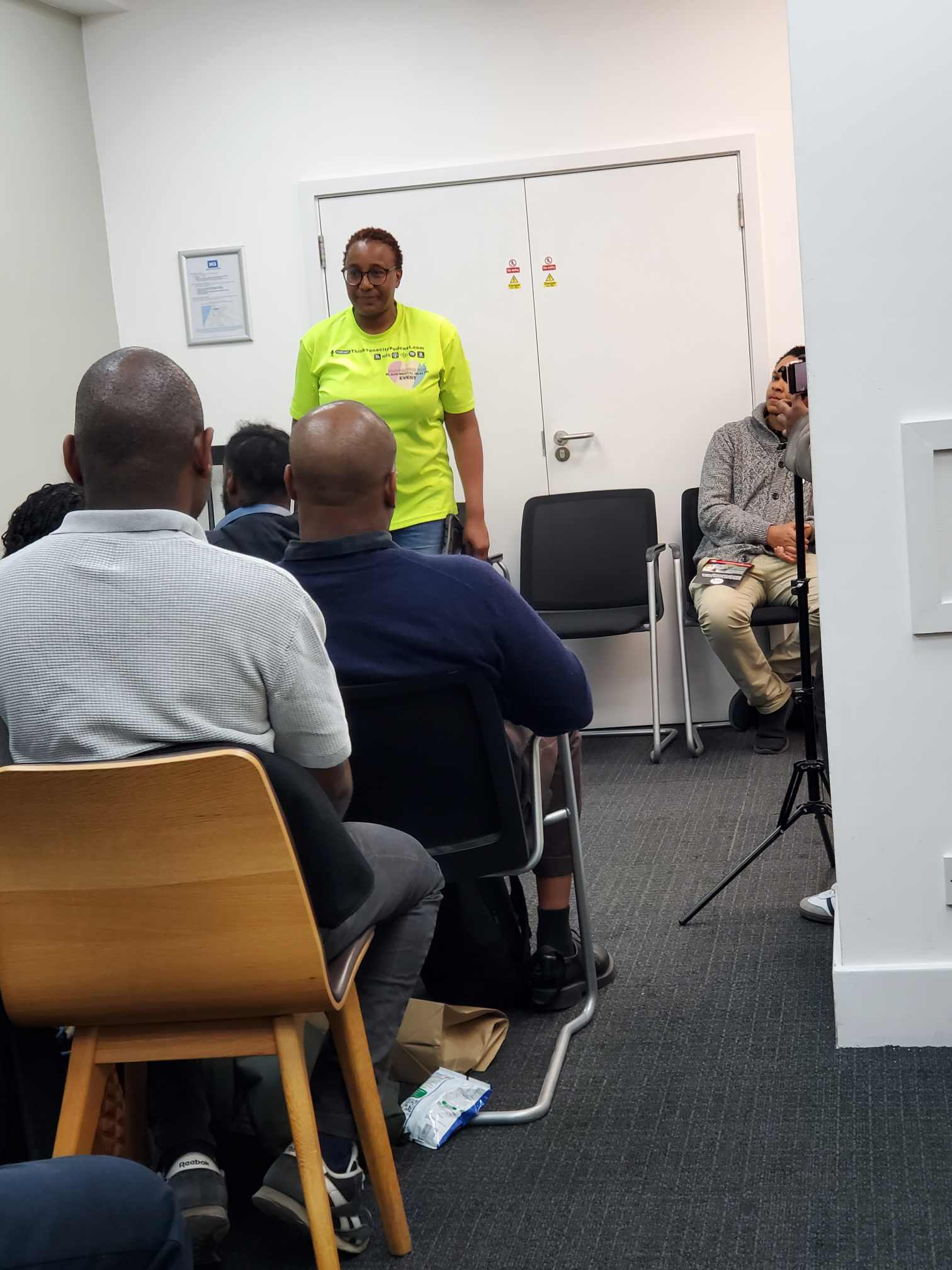
A Warm Welcome and a Powerful Beginning
On Tuesday 28 October 2025 at Nando’s, 229 Kensington High Street.
As soon as I entered, the scent of grilled peri-peri wings mixed with the buzz of conversation. The event Making Time for Black Mental Health was hosted by Think Tenacity Academy CIC, led by founder Bella Rareworld.
By Matthew McKenzie – Carers UK Volunteer and Ambassador
On Friday 6 June, I had the pleasure of joining Carers Uk and fellow Carers UK volunteers at a picnic in St James’s Park, London a brilliant afternoon full of connection, recognition, and shared purpose. The weather managed to hold “Thank Goodness!”
As a Carers UK volunteer and ambassador, it was great to see so many familiar faces and meet new ones, all united by a commitment to supporting unpaid carers across the UK. The picnic was a chance for us to unwind, share stories, and enjoy the beautiful surroundings of the park.
One of the highlights of the afternoon was the volunteer awards recognising the time, energy, and dedication that so many of us give. It was humbling to stand alongside other passionate volunteers and celebrate each other’s contributions.
Volunteers’ Week is a vital opportunity to shine a light on the incredible work of volunteers across the country and to say thank you for the real difference they make every day.
Later in the day, we teamed up to distribute Carers UK membership resources around the area, helping to raise awareness and connect more carers to support. You can check the link below to find resources.
I would like to extend a huge thank you to everyone who helped organise the event and to those who brought food and drink. Moments like these remind us that we’re not alone in what we do as Carers – we’re part of a caring, committed community.
Help raise awareness for unpaid mental health carers during Carers Week 2025. Learn how to support and recognize their vital, often unseen role in society. To watch the video of this blog, click the video below
Recognizing the Unseen: The Vital Role of Unpaid Carers in Mental Health
Every year, Carers Week serves as a powerful reminder of the millions of individuals who dedicate their lives to supporting loved ones with health challenges often without recognition, compensation, or adequate support.
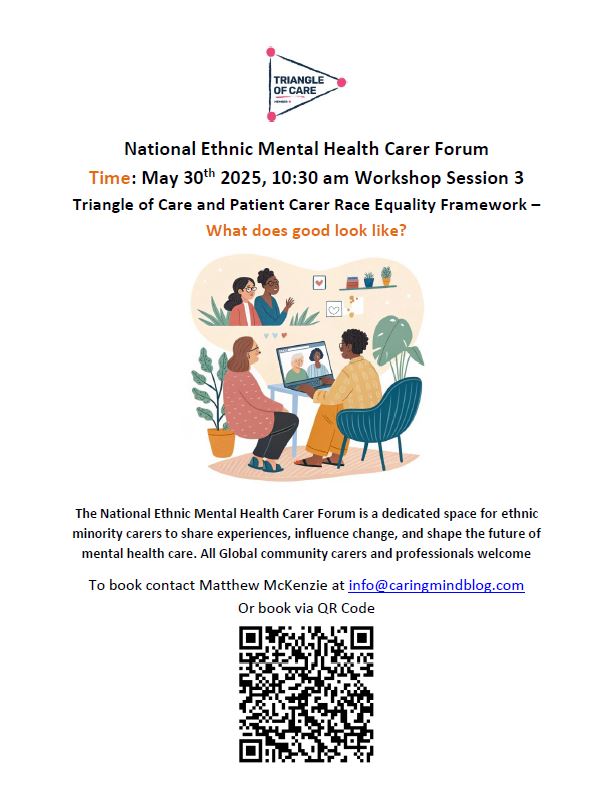
The meeting focused on carer involvement and representation across different regions, with participants discussing their roles in supporting carers and addressing discrimination. The main focus for this meeting was on “What does good look like?” when it comes to Triangle of Care and PCREF.
The group explored the Triangle of Care initiative and its five key elements, including discussions about medication-related challenges and the need for better communication between healthcare providers and carers. The conversation ended with conversations about improving carer support systems, including the importance of advocacy, training, and creating safe spaces for carers to share concerns confidentially.
By Matthew McKenzie, carer activist Date: May 24, 2025
In an evening charged with truth, courage, and community spirit, Think Tenacity Academy CIC hosted one of the most impactful events of Mental Health Awareness Week 2025. Held at Think Tenacity HQ in Vauxhall and themed #BlackStorytellingCommunity, the gathering was more than a panel or workshop, it was a safe space for healing through shared experience.
The event was led by Bella Rareworld, Think Tenacity’s CEO and a mental health advocate living with bipolar disorder, the event was built on a legacy of ancestral wisdom: “Before slavery, social media, or podcasts, we passed on strength and knowledge through storytelling,” she reminded the audience. “Tonight, we reclaim that legacy not just to speak, but to heal, empower, and connect.”
As you might know, unpaid carers play a vital yet often overlooked role in supporting individuals with mental health needs. Their contributions provide essential support and advocacy, yet they frequently encounter significant challenges due to limited training, insufficient resources, and time constraints. This blog and video explores key strategies for holding mental health trusts accountable while empowering carers to influence and improve mental health services. The blog is aimed at carers who are involved at their local mental health NHS trust. This means that they help shape services.
The Importance of Holding Mental Health Trusts Accountable
Ensuring accountability within mental health trusts is crucial. Carers have the right to expect high-quality, effective care for their loved ones. By holding such NHS trusts to these standards, both patients and carers benefit. Accountability encompasses various aspects, including access to timely and appropriate care, the quality of treatment plans, and the consistency of care. Without these measures in place, there is a risk of declining service quality, ultimately affecting the well-being of both carers and patients. Holding Mental Health NHS trusts to account is never an easy thing, you will have to learn from carer peers and to be honest, all you have is your carer lived experience to feedback your view of services.
If you want to watch the in-depth video of this lecture, please see below.
The Role of Carers in Mental Health
Carers offer valuable insights into the needs of those they support. Their experiences are instrumental in shaping effective mental health services.
Caring for someone with a mental illness is an emotional, often isolating experience. Unpaid carers—whether they are family members, friends, or loved ones—carry immense responsibility, yet their voices can feel unheard, especially within the healthcare system.
One of my poem’s “On Being Heard” taken from my book The Poetry Book of Mental Health Caring, captures this struggle with raw honesty.
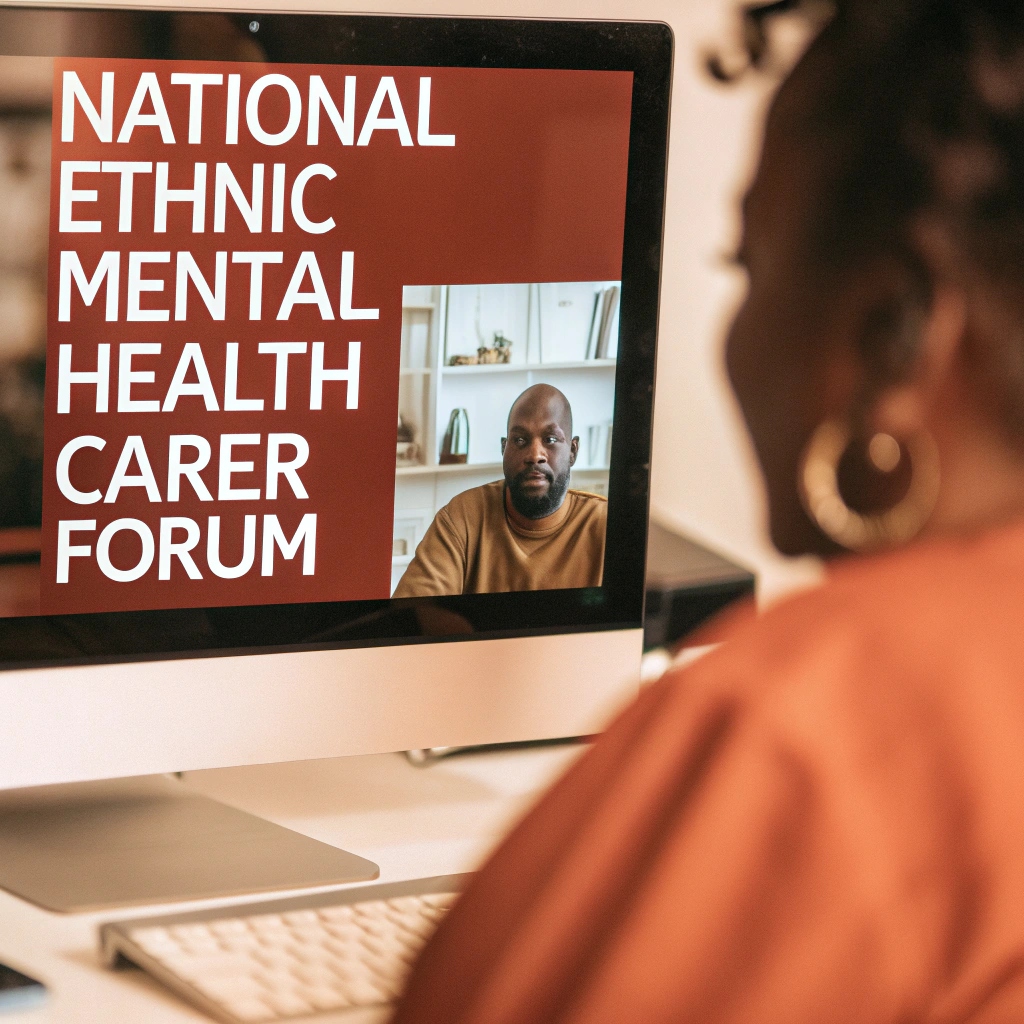
The National Ethnic Mental Health Carer Forum convened to discuss the ongoing challenges faced by minority carers in accessing mental health services. The meeting focused on strategies to improve cultural competence, equitable treatment, and accessibility within mental health care systems. A key topic was the Patient and Carer Race Equality Framework (PCREF), with organizations sharing their experiences and plans for implementation. Additionally, the discussion covered language barriers, education initiatives, and the role of co-production in fostering inclusive care.
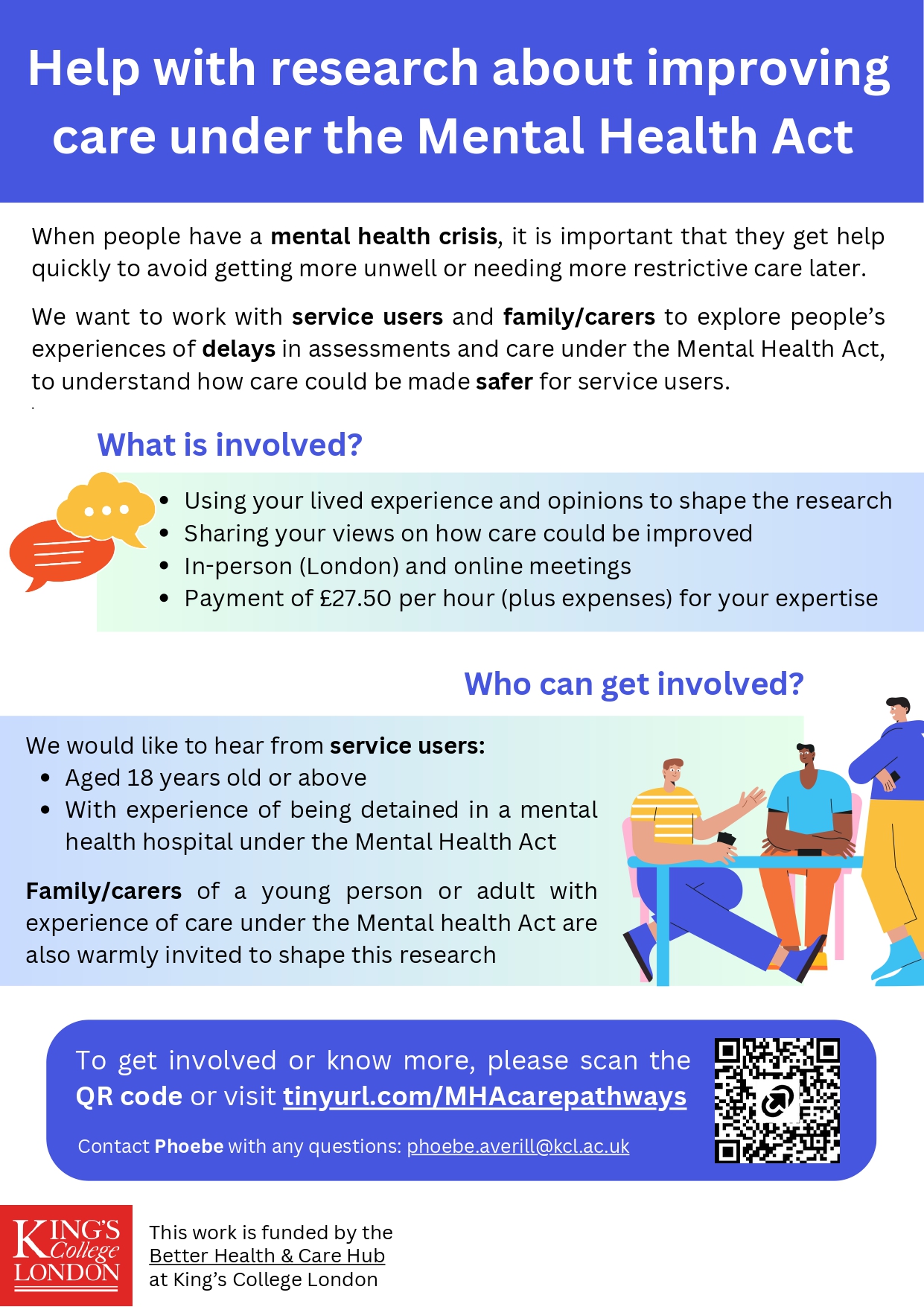
Mental Health act research
Dr Judy, a researcher from the University of Bristol, discussed her ongoing project on the nearest relative provision in the Mental Health Act and the need for co-produced resources to support those in this role. She also mentioned the support from charitable organizations like Mind and Rethink.
Here is another blog post aimed at those caring for a loved one living with mental illness. If you want to see the video lecture of “Advocacy & Mental Health Care Top Questions Every Carer Should Ask”. Click on the video below.
Caring for someone with a long-term mental illness is both a noble and challenging task. In today’s society, unpaid carers, often family members or close friends, play a crucial role in supporting individuals with mental health needs. Despite their importance, unpaid carers frequently navigate a complex and overwhelming landscape of rights, services, and support systems.
Welcome to a quick event review, which I attended on the 29th of January 2025. The event was James Longman’s book launch for The Inherited Mind was a deeply moving and insightful conversation about mental illness, personal struggle, and the power of community.
The event took place at Ladbroke Hall over in West London, where the evening included drinks and refreshments, for the much anticipated conversation with James and BBC News’ Tina Daheley.