I feel Unpaid carers play a vital role in supporting loved ones experiencing mental health challenges. Much of this caring happens quietly in homes, during sleepless nights, through appointments, advocacy, and everyday acts of protection and support.
For many carers from minority communities, this experiences also includes navigating the cultural understanding, language differences, and systems that sometimes do not always recognise or reflect communities. Despite the knowledge carers hold, I feel our voices can sometimes feel overlooked in those decisions about care.
I recently wrote and recorded a short spoken word poem titled “Nothing About Us Without Us.” This poem reflects a simple and important message: carers bring lived experience that should be included in conversations about mental health services.
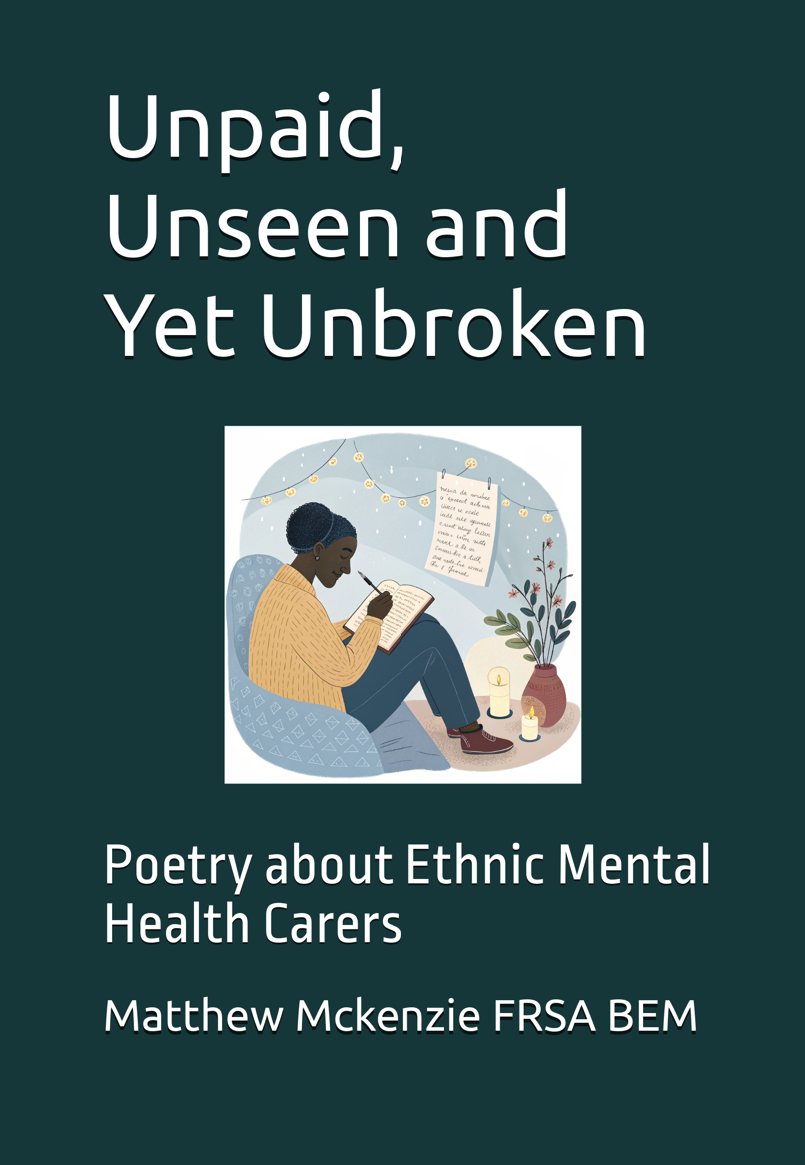
The poem is taken from the book I am developing called “Unpaid, Unseen and Yet Unbroken”
Carers are not just supporters in the background. Carers can carry knowledge shaped by lived reality by caring, advocating, and supporting our families through complex systems.
The poem also speaks to the importance of co-production. When carers, communities, and professionals work together, services can become more understanding and culturally responsive, and equitable.
I think this message is especially relevant to ongoing work around the Patient and Carer Race Equality Framework (PCREF), which encourages meaningful involvement of people with lived experience in shaping mental health services.
The poem is a small creative contribution to that conversation. It invites us to reflect on a few simple questions:
Are carers from different backgrounds being listened to?
Are those lived experiences shaping services?
Are decisions being made with carers, not about them?
Listening to carers is not just a gesture of inclusion it can lead to better understanding, stronger partnerships, and better care.
If you would like to watch the poem, you can find the video here:
I hope my poem encourages reflection and conversation about how we can continue building services with communities, and not just for them.
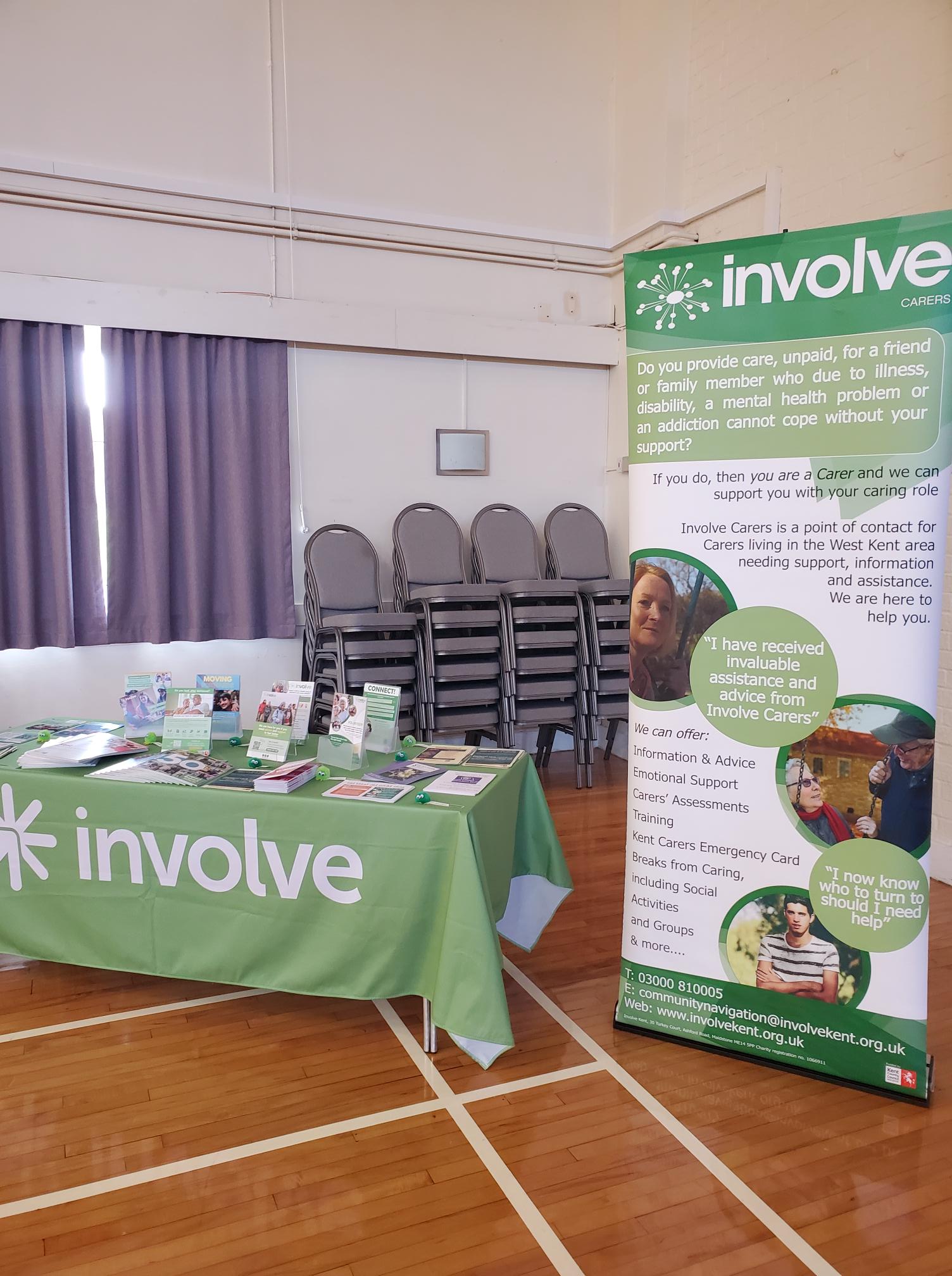
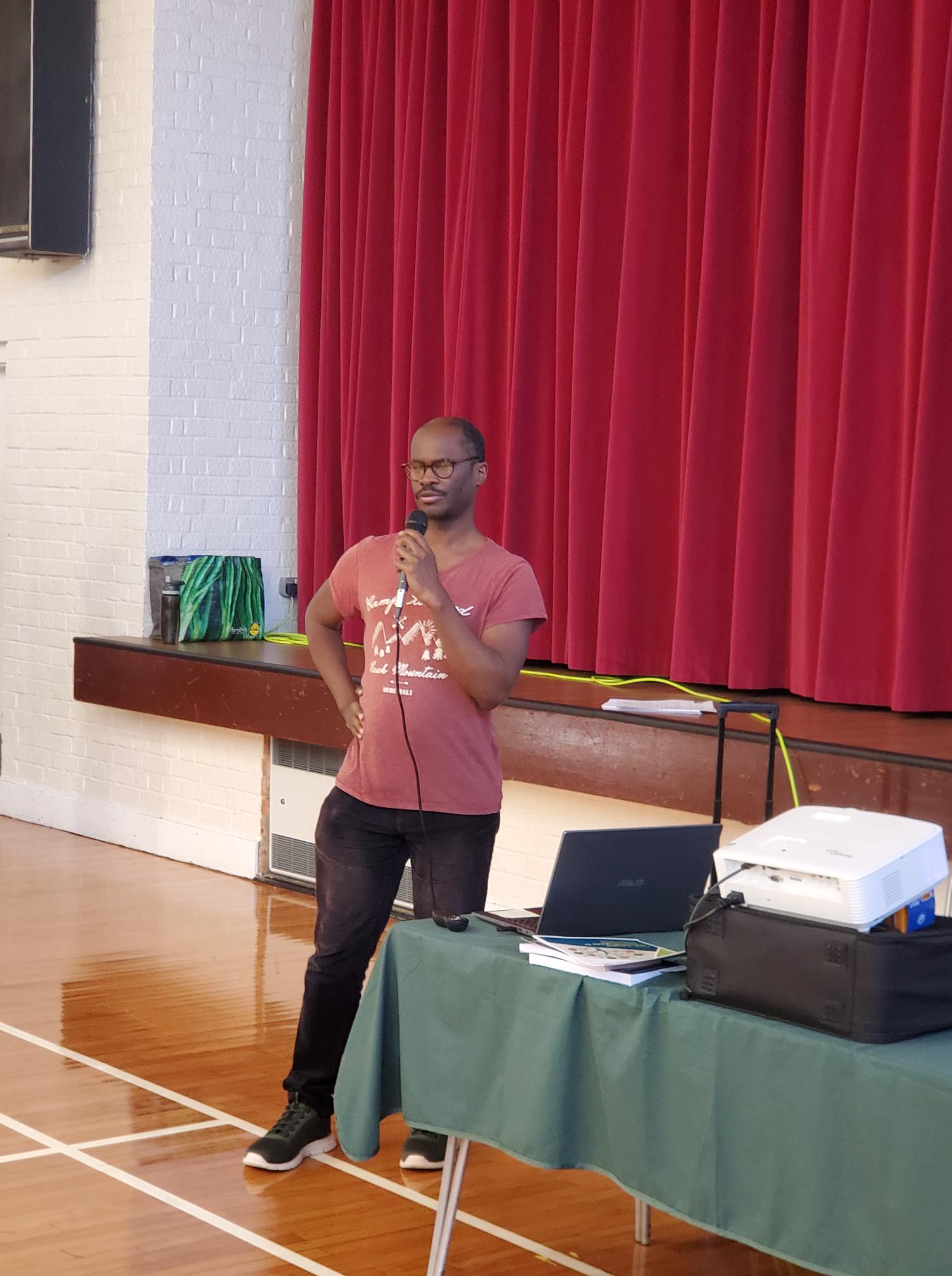
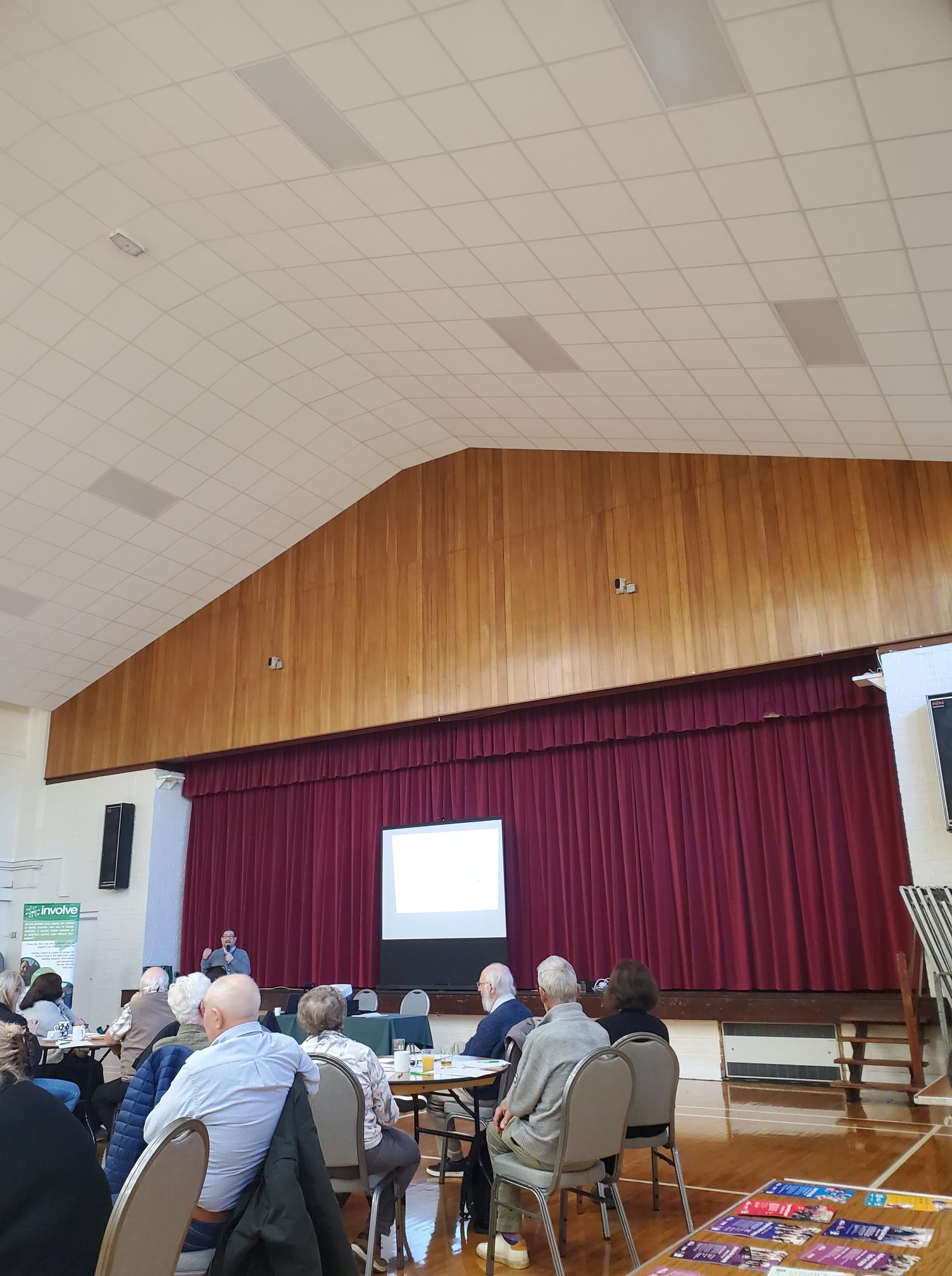
On 25th February 2026, I had the privilege of speaking at the Carers’ Forum hosted by Involve Kent.
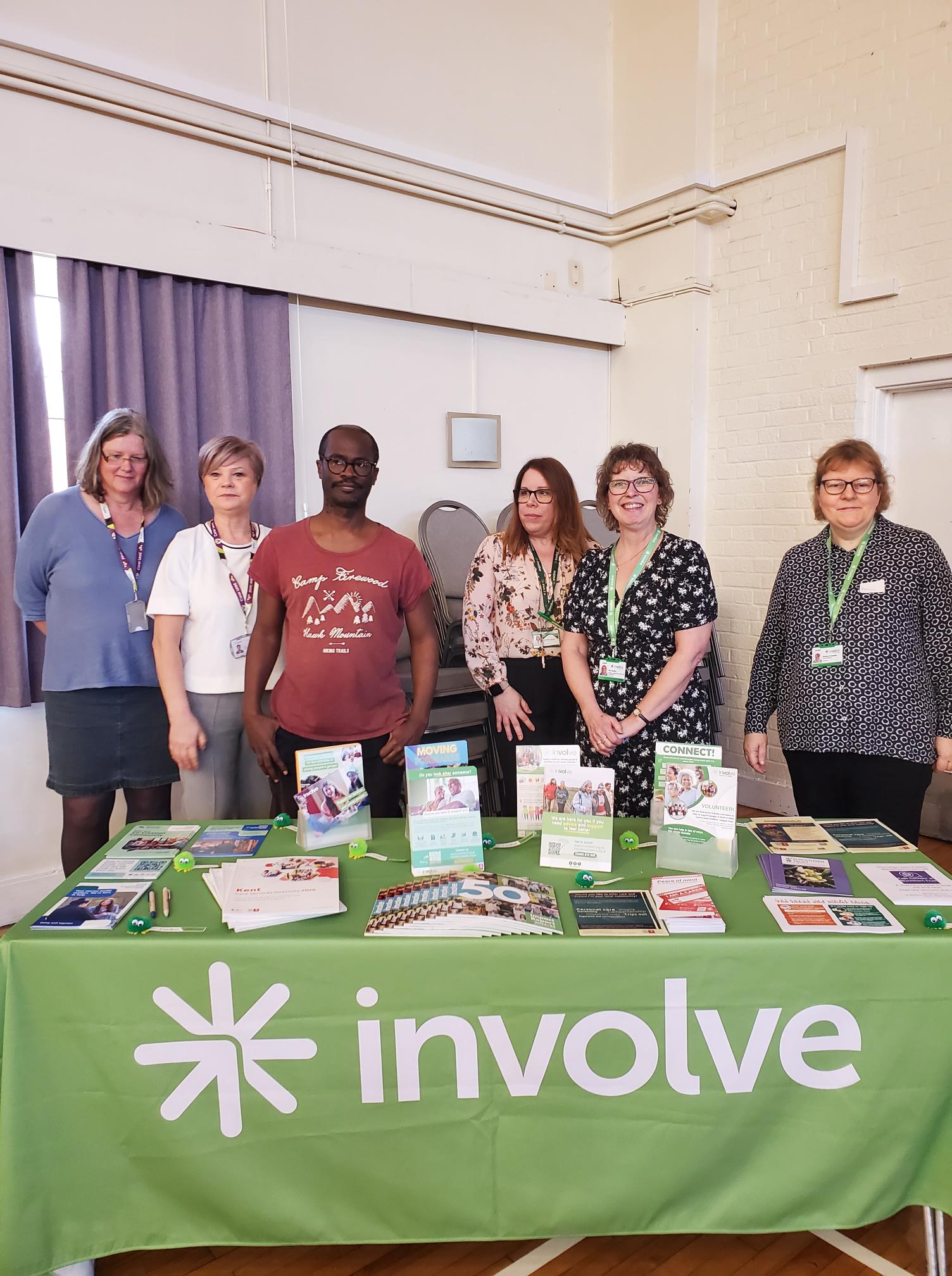
Involve is a voluntary sector infrastructure organisation in Kent that supports unpaid carers by providing information, advice and practical help to make caring more manageable.
They organise regular carers’ forums and events where carers can meet each other, access specialist support services, hear from guest speakers on issues like benefits, legal rights and wellbeing, and contribute their lived experience to local planning and decision-making. Involve also connects carers with tailored resources, signposts to relevant services across health, social care and community sectors, and advocates for carers’ voices to be heard by policymakers and service providers
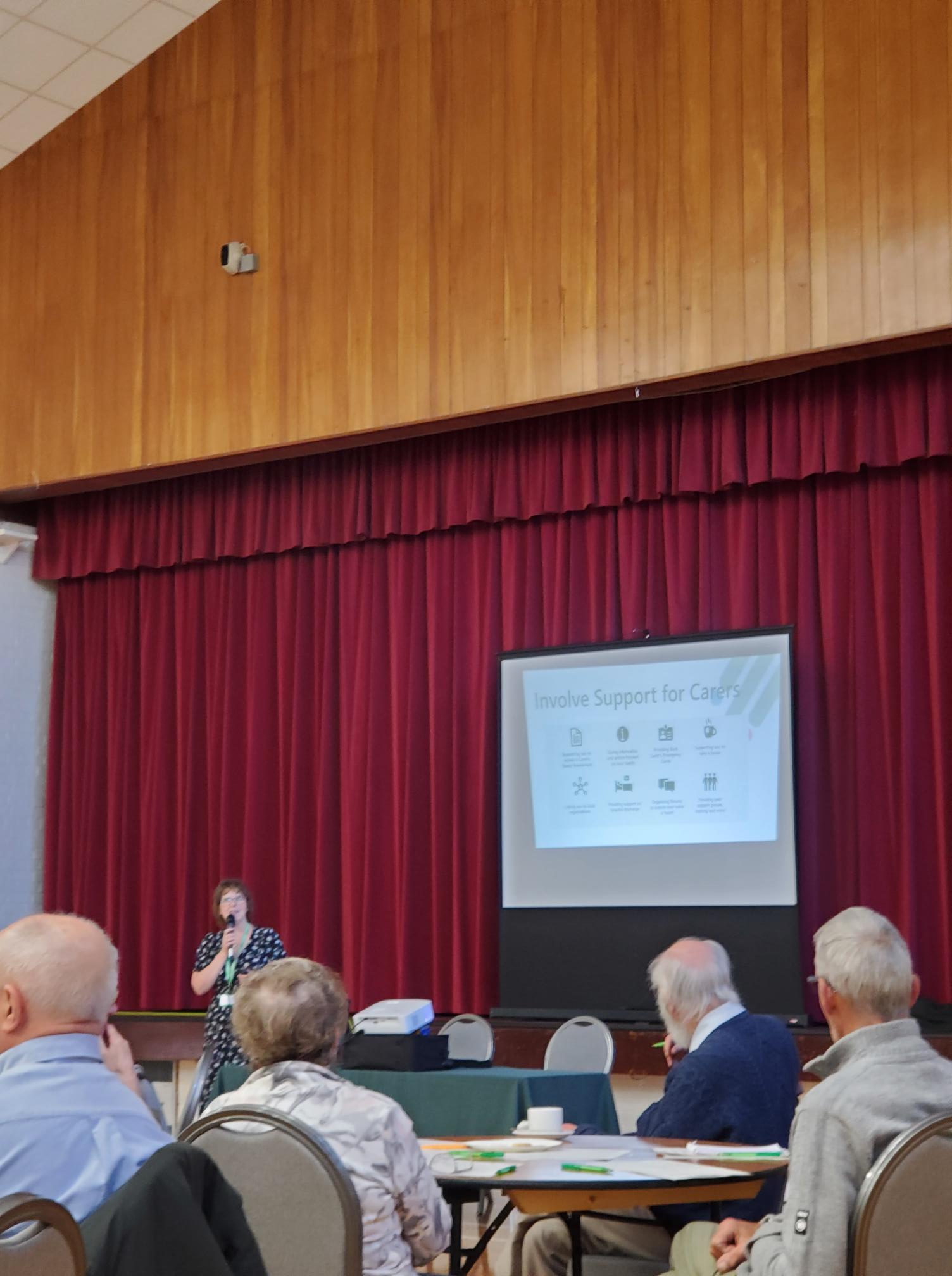
The forum ran from 10:30am to 1:30pm and brought together unpaid carers from across Kent to connect, learn and have their voices heard.
It was my second time speaking at this forum, and once again I was struck by something powerful: the room was full. That might sound simple, but in the world of unpaid caring which can often feel isolating and invisible a full room means solidarity. It means people are choosing, despite exhaustion and competing demands, to show up for themselves and each other.
Arriving and the atmosphere
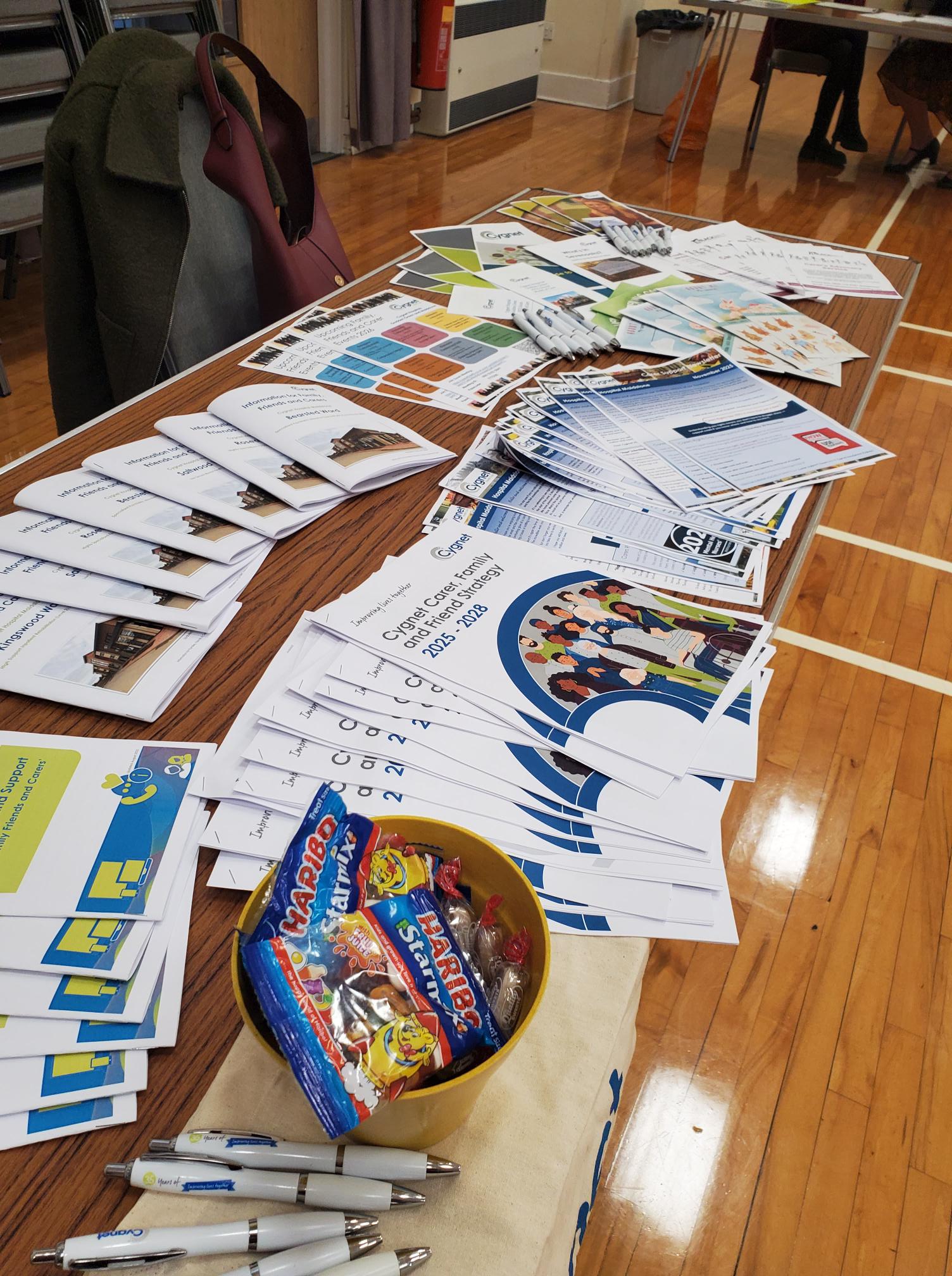
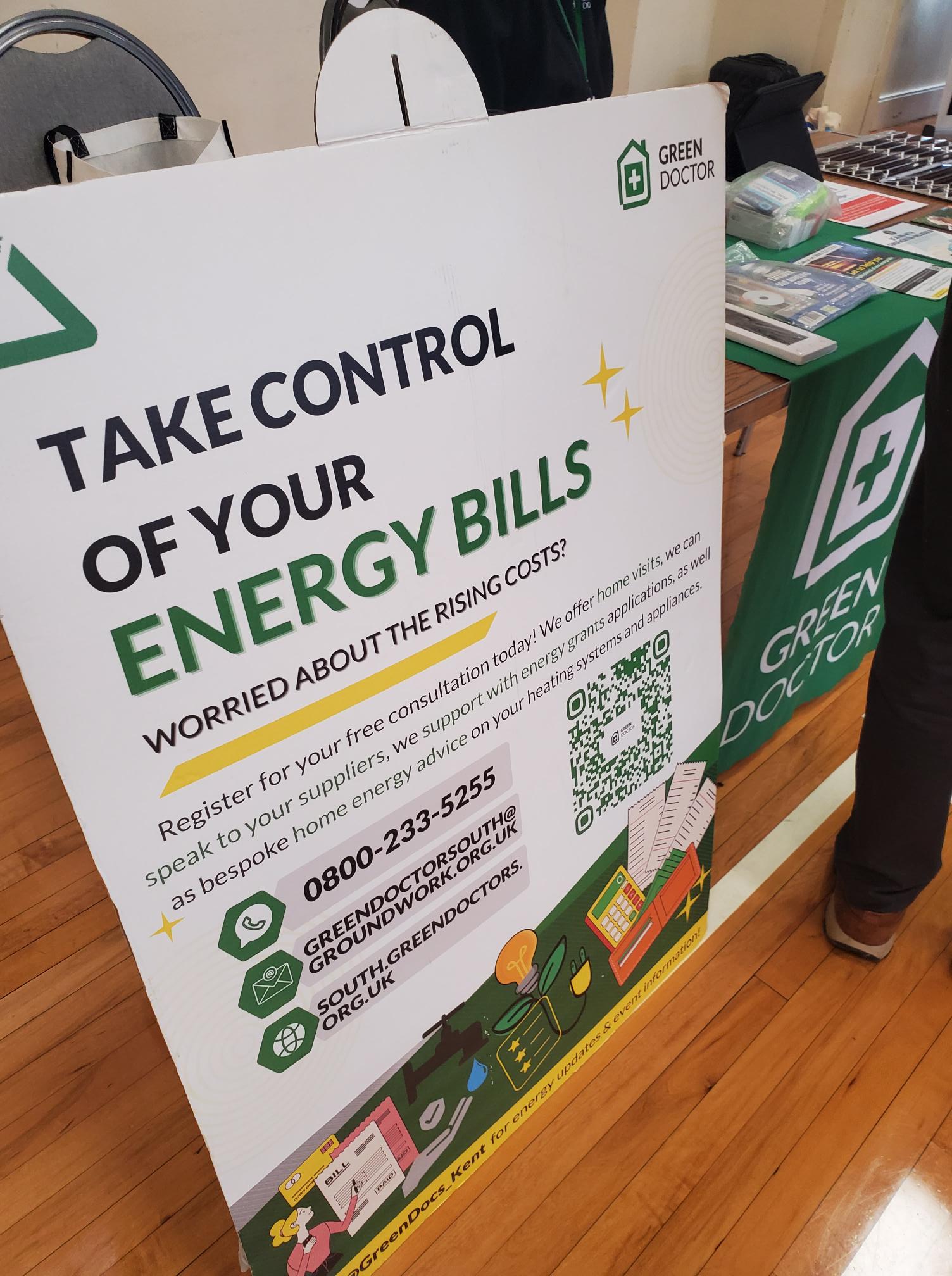
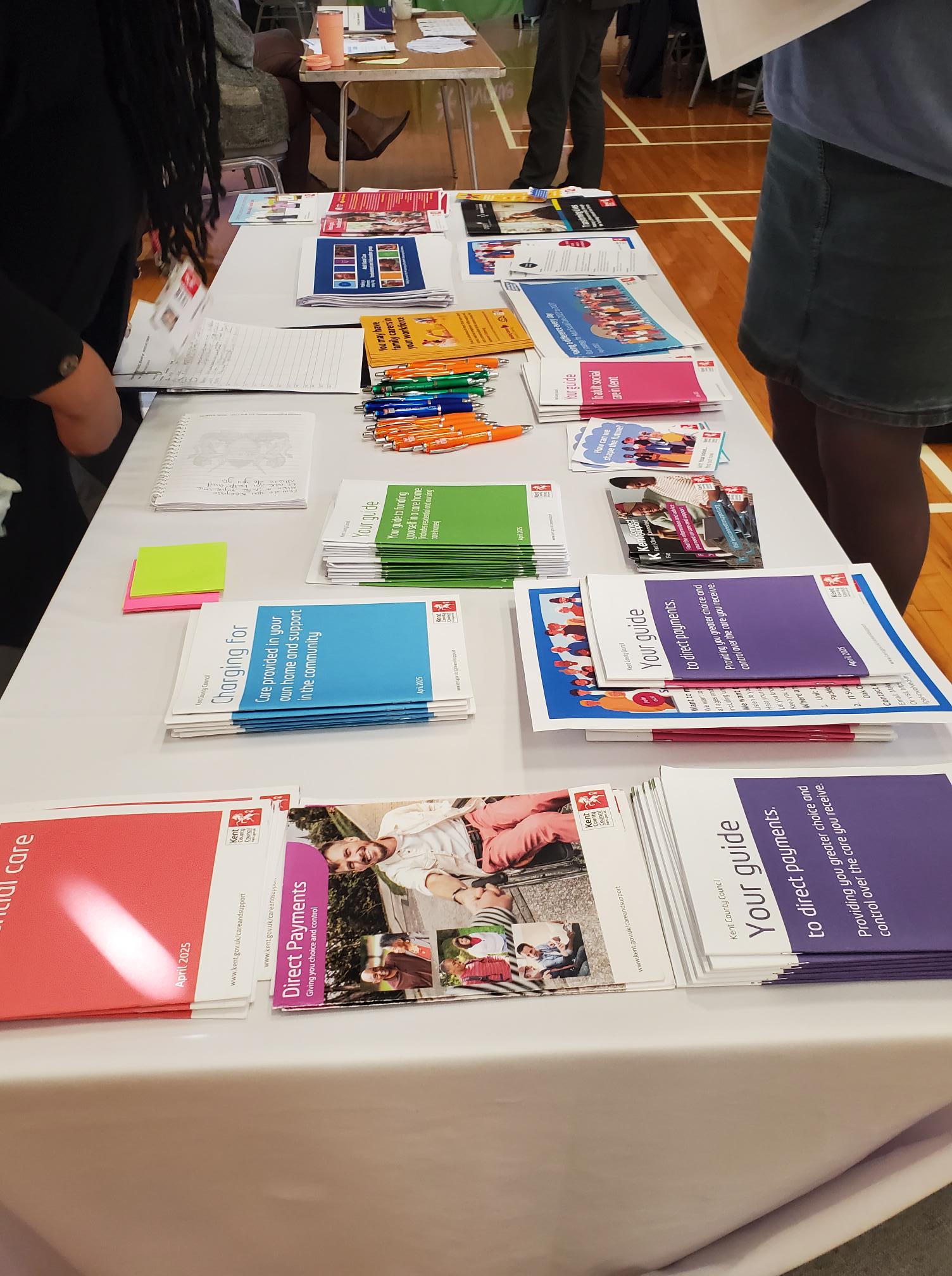
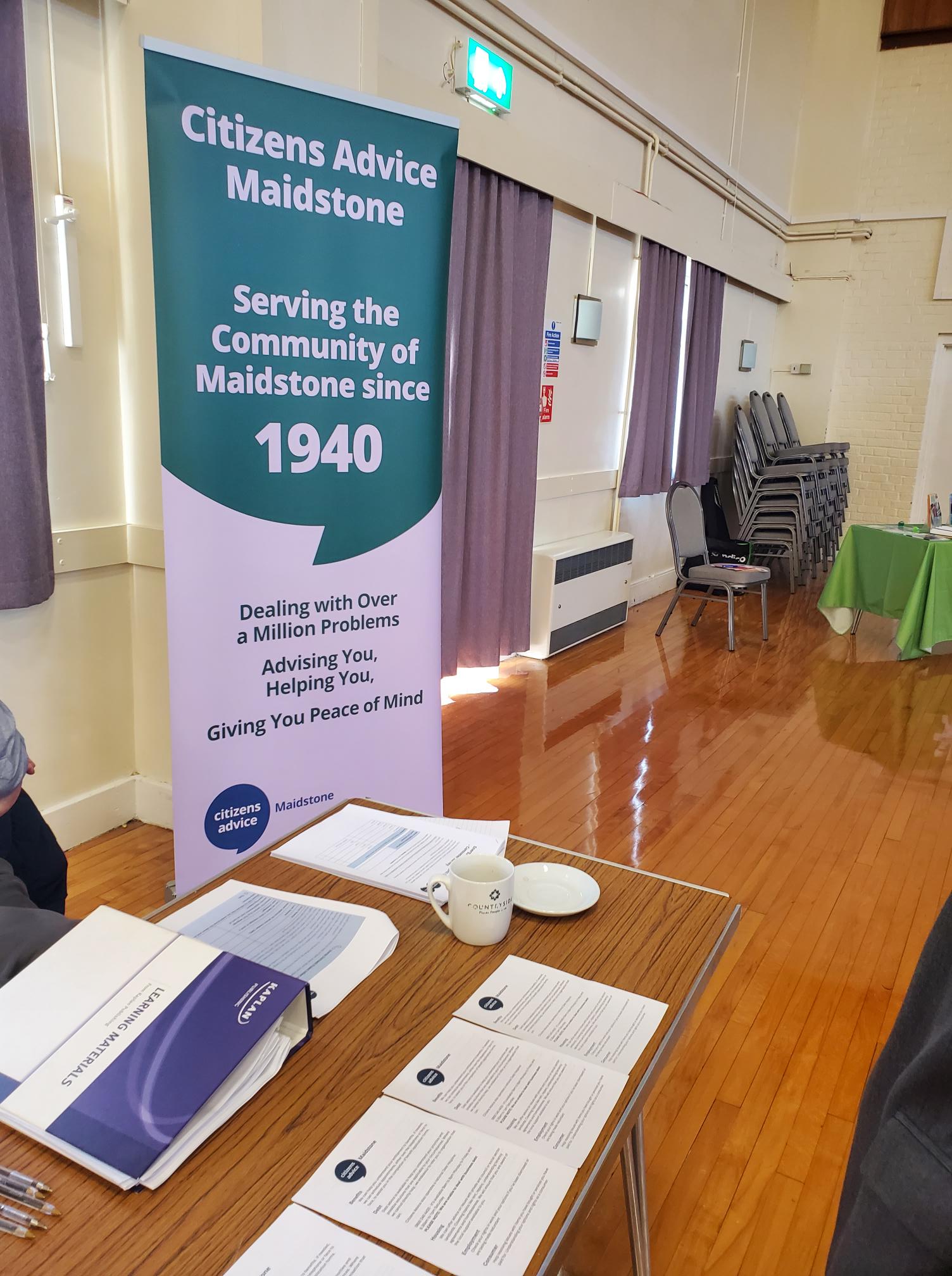
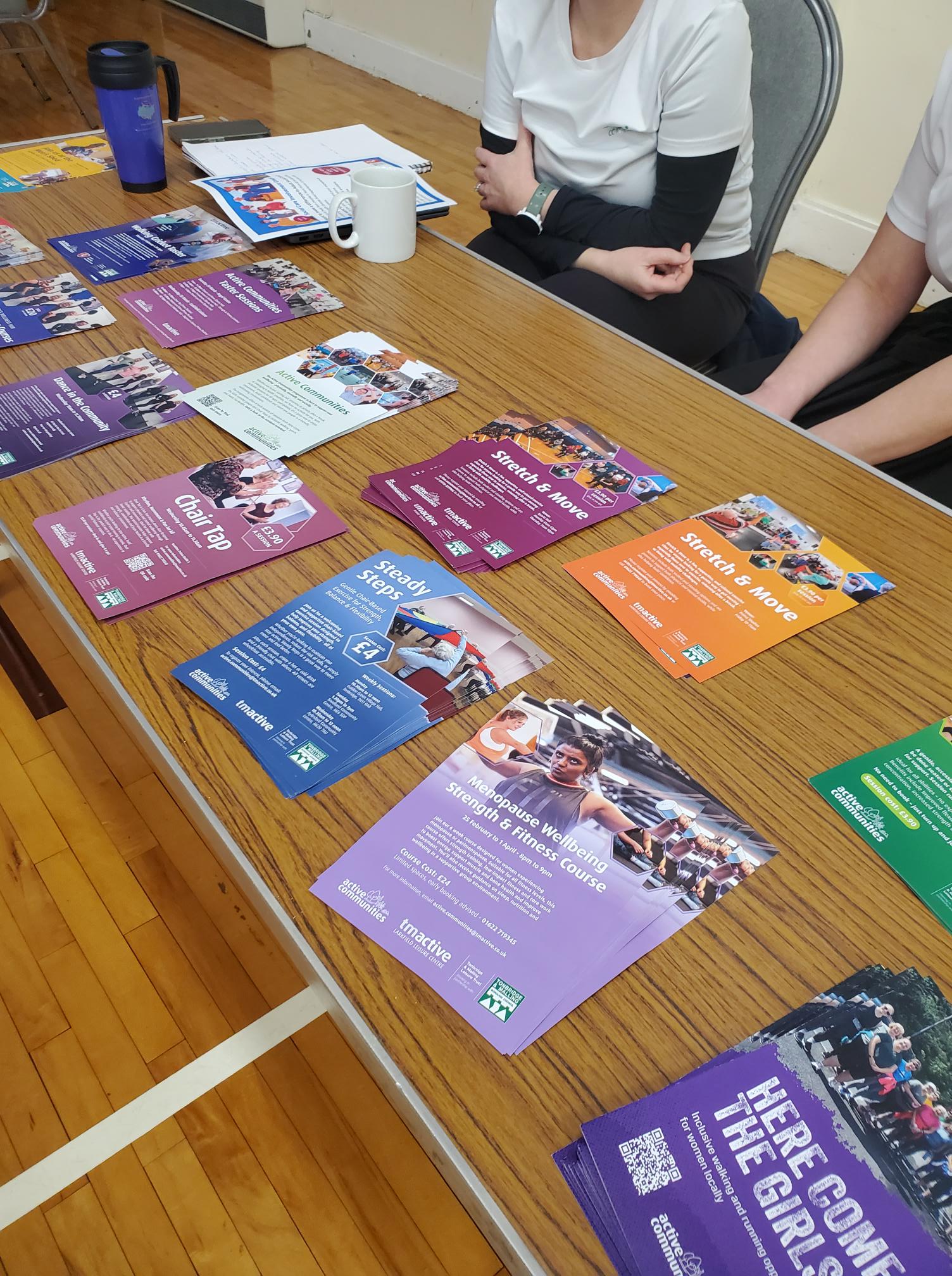
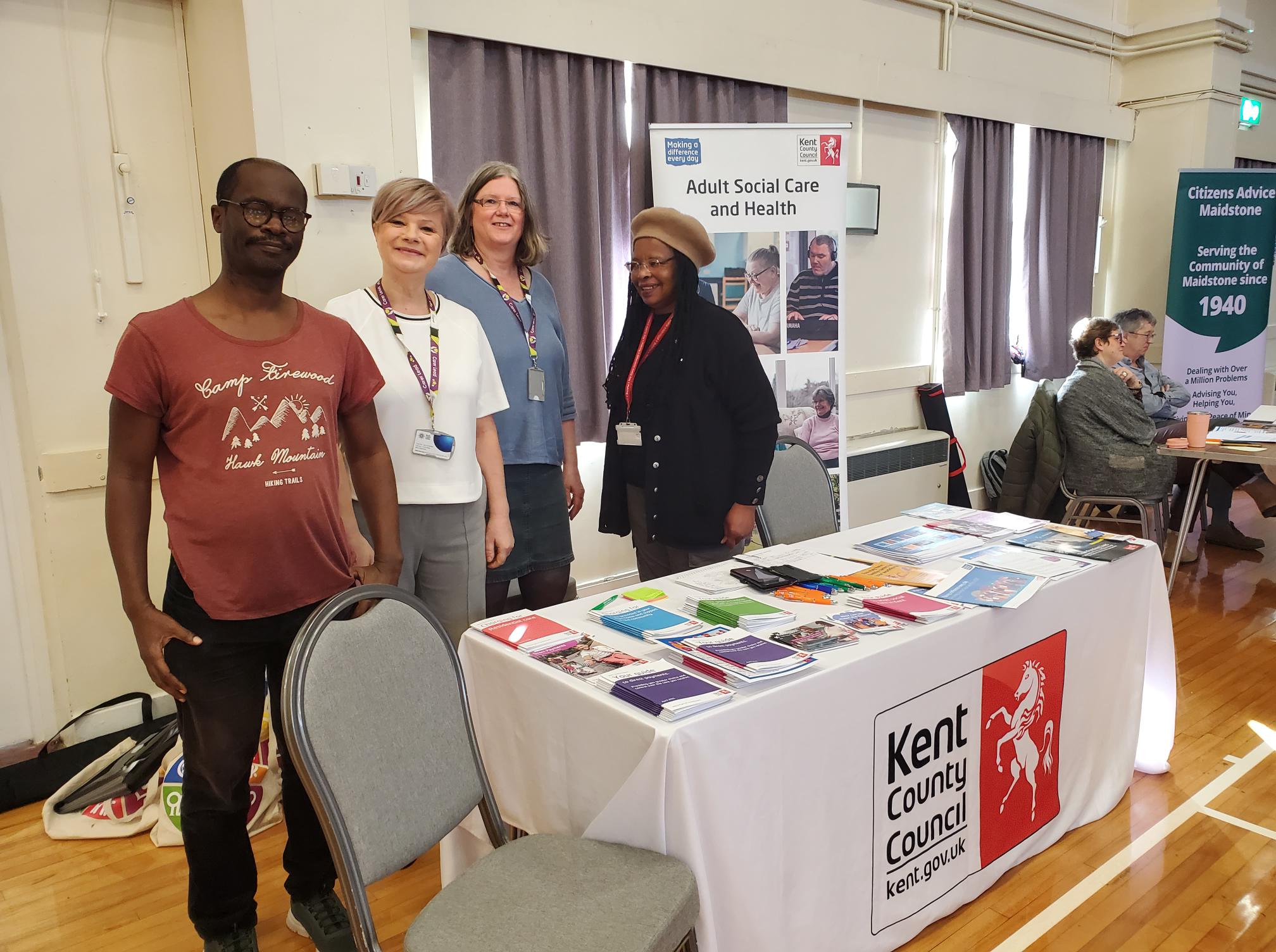
From the moment I walked in, there was a real sense of warmth. Information stands lined the hall Involve, Citizens Advice, mental health services, energy advice, leisure services and more. Tables were covered in leaflets, conversations were already flowing, and carers were reconnecting with familiar faces.
The purpose of the forum was clear:
To enable those caring unpaid for an adult family member, partner or friend to meet, gain information about services in their community and have their voices heard .
That last part to have their voices heard is what resonated most with me.
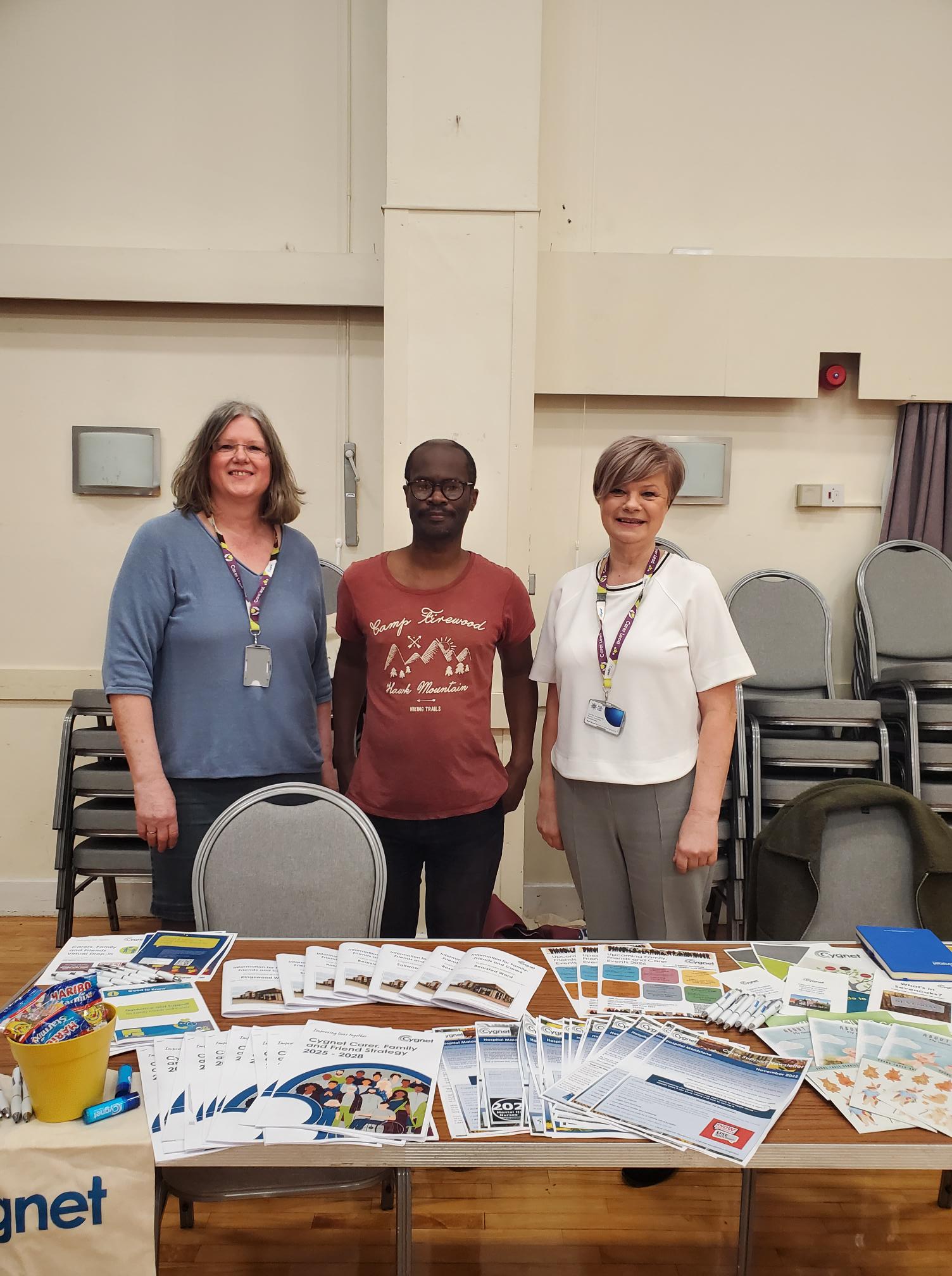
It was also good to see Carer leads from Cygnet Maidstone engaging with carers in the community of Kent.
My talk: Caring for someone with a mental health diagnosis
I spoke about caring for someone with a mental health diagnosis and the Patient and Carer Race Equality Framework .
As many know, I cared for my mother who lived with schizophrenia, and I now support a close friend who lives with personality disorder and addiction challenges. I don’t speak as a clinician. I spoke as someone who has sat in GP waiting rooms, on inpatient wards, in crisis meetings, and at home during those “screaming silences” that carers know too well.
I shared:
The confusion I felt when I didn’t even realise I was a “carer”
The frustration of confidentiality barriers
The loneliness of not being listened to
The emotional exhaustion that comes from constantly firefighting crises
I then shared a poem to promote carers rights
But I also shared something equally important: growth, advocacy and solidarity.
I encouraged carers to:
Educate themselves about the condition they are supporting
Learn the difference between symptoms and personality
Understand triggers
Forgive themselves for mistakes
And most importantly, look after their own wellbeing
One message I always return to was – You cannot pour from an empty cup.
I also spoke about The Patient Carer Race Equality Framework
It exists because there is clear evidence of:
Disproportionate detentions under the Mental Health Act
Poorer outcomes for Black and minority ethnic patients
Higher levels of distrust between communities and services
Carers feeling unheard or excluded
I spoke about how minority carers can face:
Cultural misunderstandings
Language barriers
Stigma around mental health within communities
Fear of services due to past discrimination
A lack of culturally appropriate support
Discussion tables: Carers influencing change
After my talk, Clara from Involve led discussions feeding into Kent’s Health Needs Assessment for carers. Carers were asked:
How do you recognise when it’s time to ask for help?
What causes burnout?
What would a carer-friendly community look like?
These wete not token questions. Staff took notes (without identifying details) so carers’ lived experiences could directly inform local planning .
I moved around the room speaking with carers. Some were open and vocal. Others were quieter, but their listening was just as powerful. Not everyone wants to speak publicly and that’s okay. Being present is also participation too.
Power of Attorney – protecting your voice
Later in the morning, Glen Miles spoke about the Mental Capacity Act and Lasting Power of Attorney .
As carers, we often assume we will automatically be consulted in crises. The reality is different. Without legal authority, our ability to advocate can be limited.
One key takeaway:
Don’t delay in arranging Lasting Powers of Attorney.
If you want your voice – or your loved one’s voice – to be heard, formalise it.
For carers who have experienced being excluded from decisions, this was a particularly important session.
Citizens Advice & practical support
Ian from Citizens Advice spoke before lunch about benefits, debt, housing and confidential support .
With the cost of living crisis, carers are under immense financial pressure. Many reduce employment hours or leave work entirely. The session was a reminder that:
Advice is free
It is confidential
You can attend anonymously
You are not judged
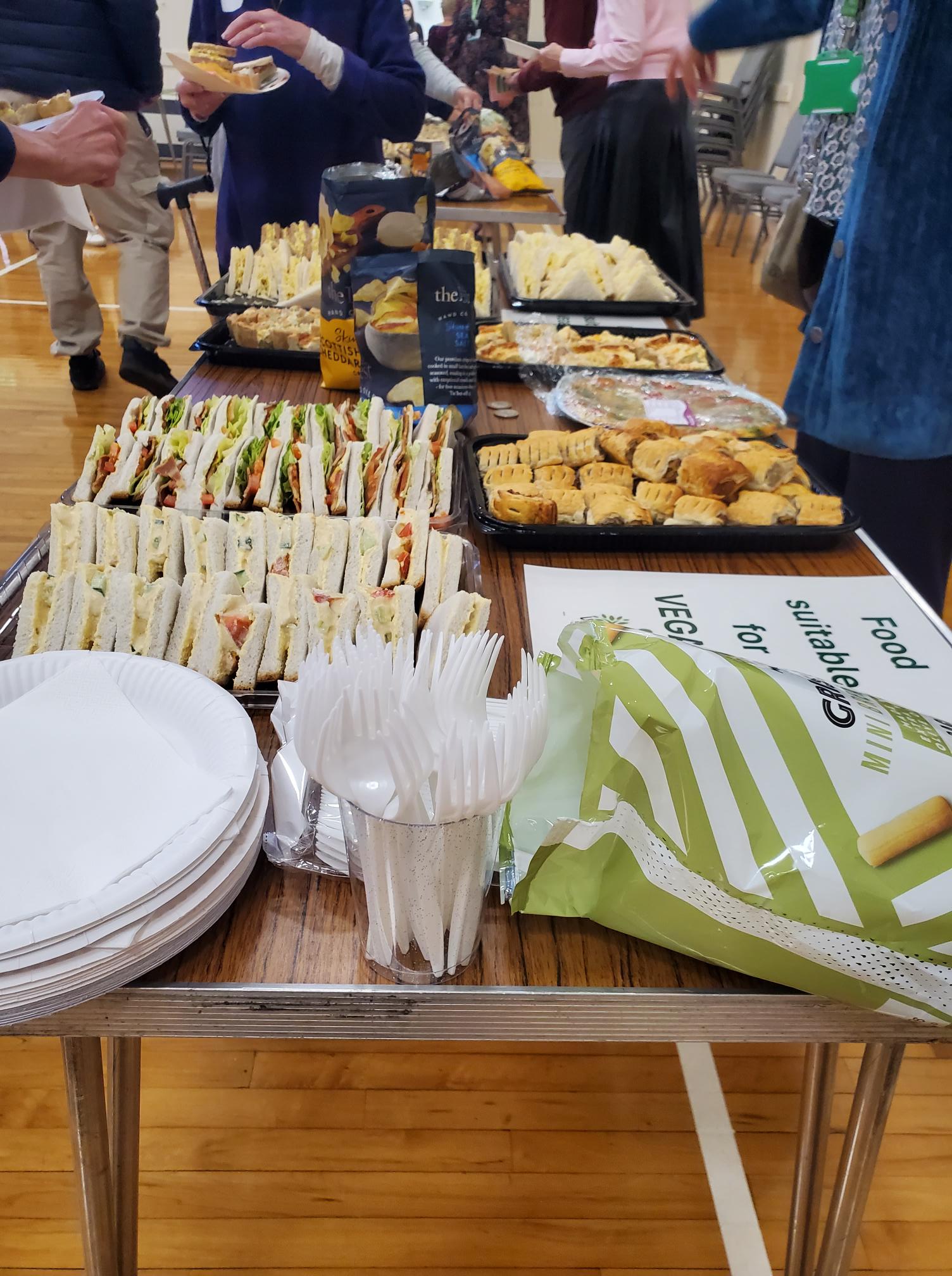
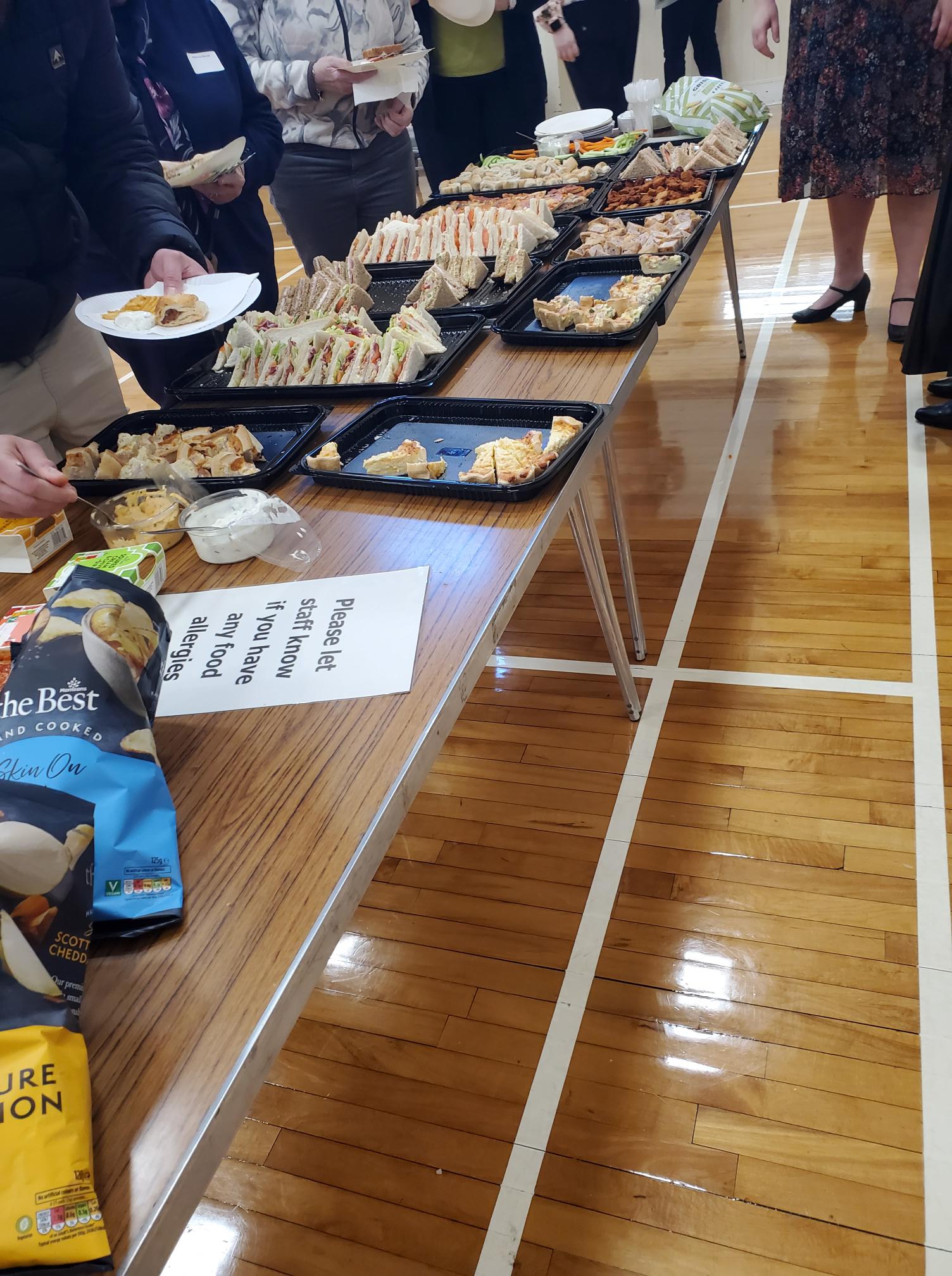
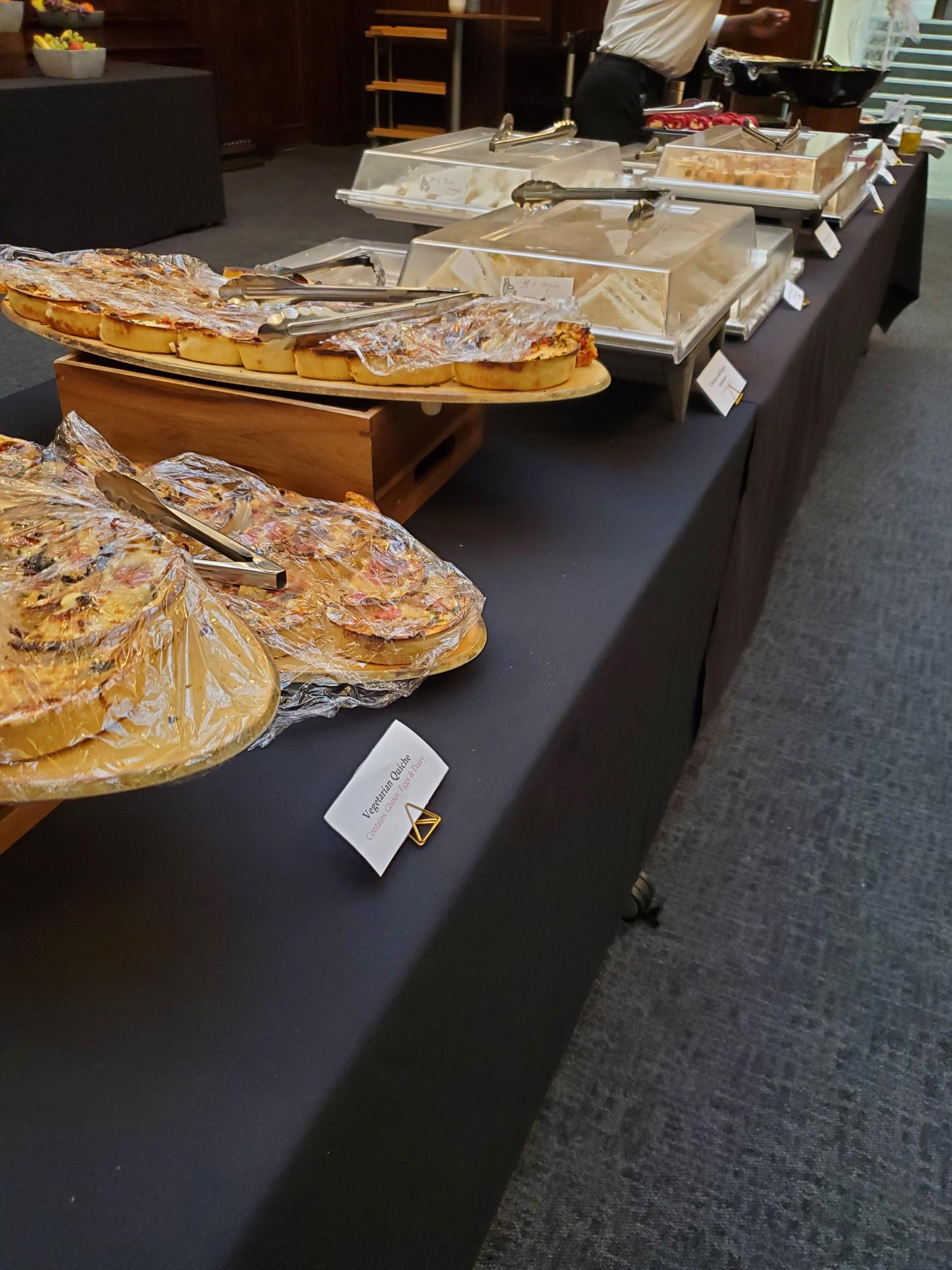
Lunch followed – catered by Fusion – and honestly, some of the most meaningful conversations happen over sandwiches. Carers swapping stories. Sharing phone numbers. Recommending services. That peer-to-peer support is priceless.
What stayed with me
What stayed with me most wasn’t just the agenda or the presentations.
It was:
The older carer quietly nodding as I spoke about emotional exhaustion.
The new carer asking, “Is it normal to feel this angry sometimes?”
The male carers who stayed behind to speak to me privately.
The carers from minority backgrounds who spoke about cultural barriers and stigma.
These forums matter because carers matter.
Unpaid carers save the system billions. But beyond economics, we hold families together. We absorb crises. We advocate in rooms where we’re not always welcomed.
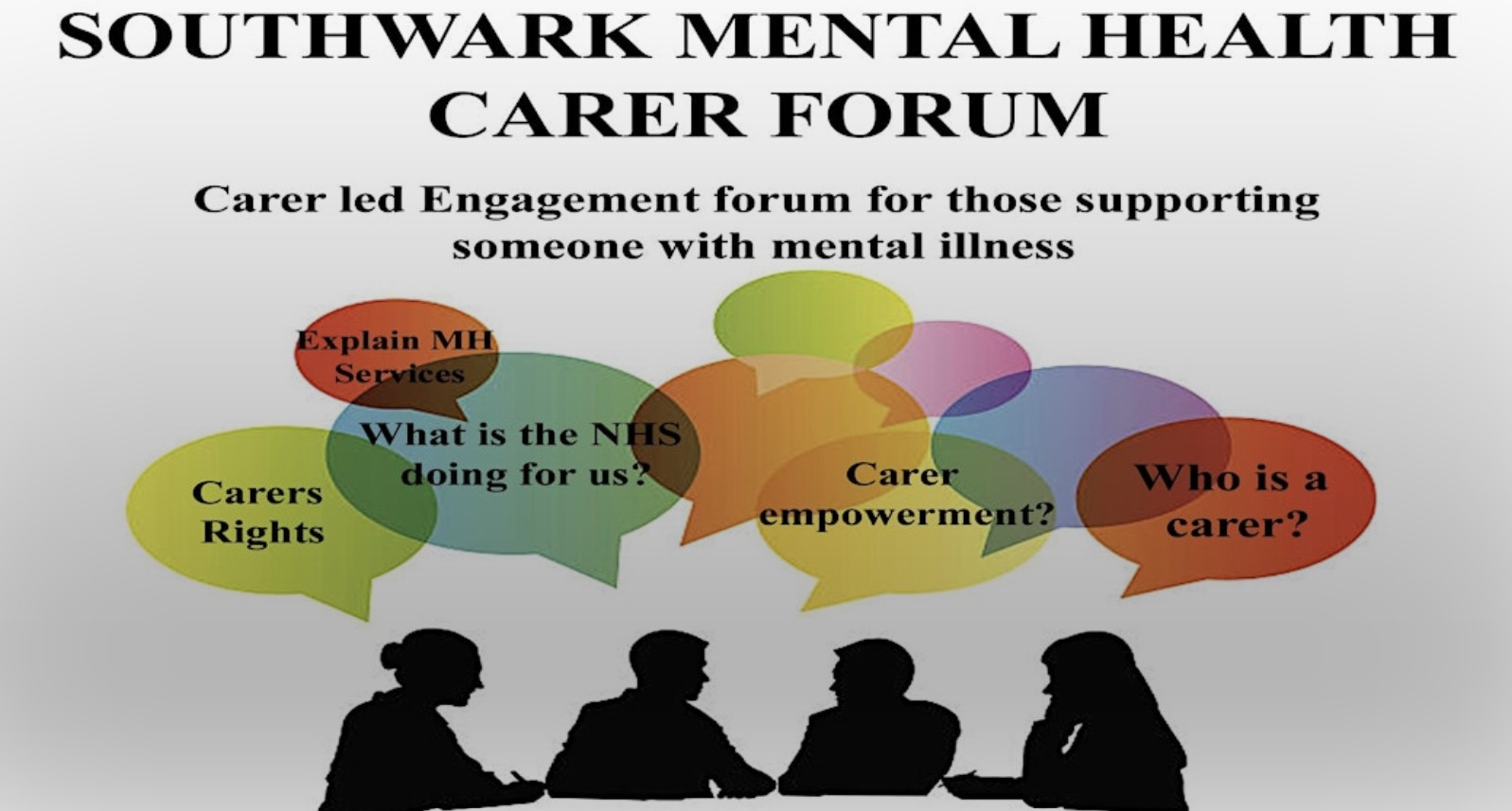
If you’re an unpaid carer in Southwark, chances are you’re used to putting everyone else first. You support a loved one day in, day out, emotionally, practically, often invisibly. And too often, decisions about “support” for carers are made without carers truly being heard.
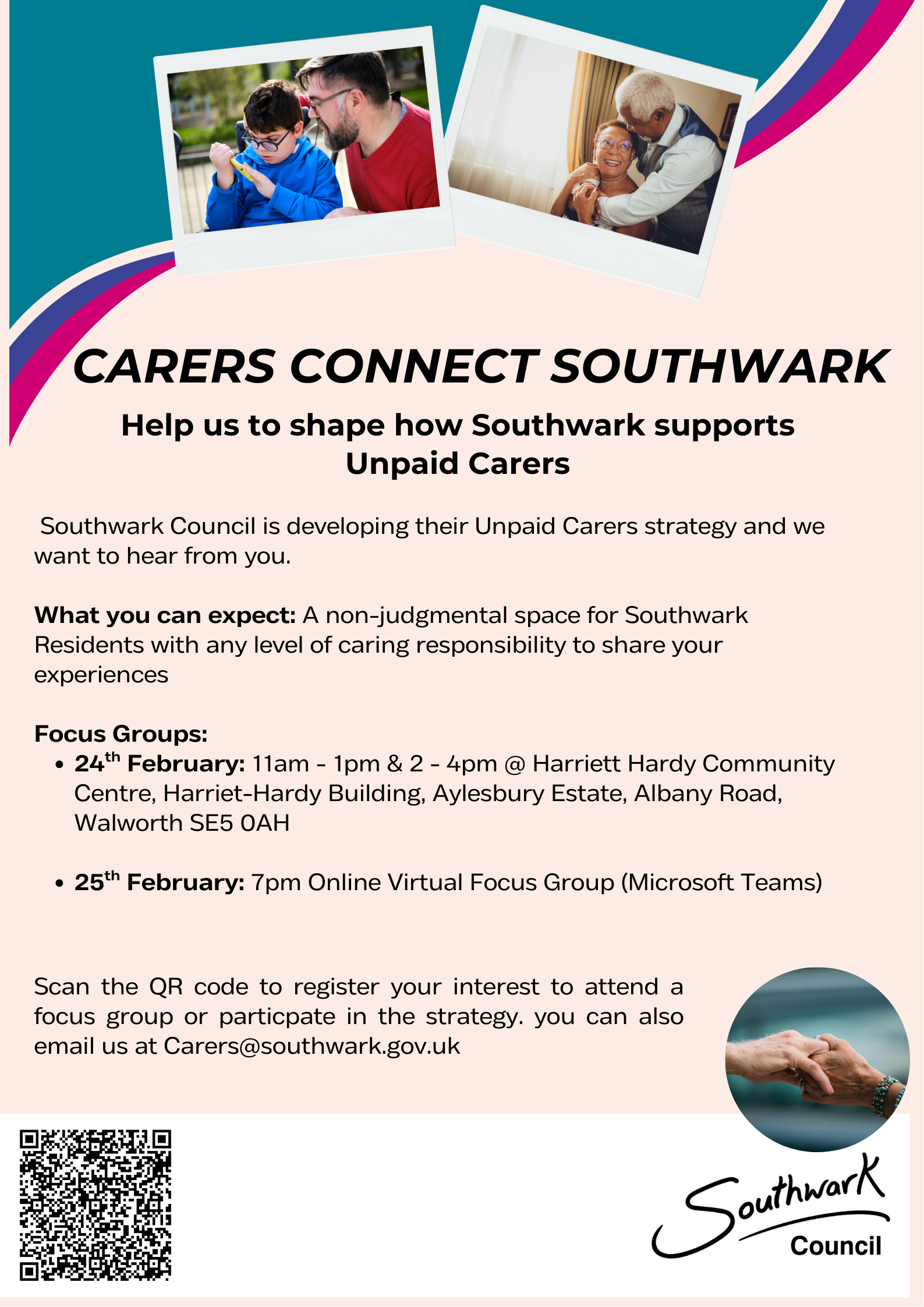
Southwark Council is developing its Unpaid Carers Strategy, and they are inviting unpaid carers to take part in upcoming focus groups to share real experiences, which are your lived reality.
As an unpaid carer myself, I know how rare and valuable this opportunity is.
Why having your say is important because
Policies and strategies shape:
What support is available
How easy (or hard) it is to access help
Whether carers feel recognised, supported, and understood
When carers don’t speak up, systems are built around us, not with us. When we do speak up, its a chance to make change becomes possible.
This isn’t about complaining. It’s about being honest: what works, what doesn’t, and what would genuinely make life easier for carers in Southwark.
Your voice could help shape:
Better access to information and services
More flexible, carer-friendly support
A strategy that reflects the real pressures carers face
A safe, non-judgemental space
One of the most important things about these focus groups is that they are designed to be:
Non-judgemental
Inclusive
Open to carers with any level of responsibility
You don’t need to have all the answers. You don’t need to be an “expert”. You just need your experience.
Whether you care full-time, part-time, occasionally, or don’t even label yourself as a “carer” your perspective still counts.
Focus group dates and details
In-person focus groups 📅 24th February ⏰ 11am – 1pmand2pm – 4pm 📍 Harriet Hardy Community Centre Harriet-Hardy Building, Aylesbury Estate, Albany Road, Walworth SE5 0AH
Online focus group 📅 25th February ⏰ 7pm 💻 Virtual session via Microsoft Teams
How to get involved
You can:
Scan the QR code on the flyer shown above my blog to register your interest
Our final Triangle of Care (ToC) Community Group meeting of the year brought together carers, professionals, and ToC members from across the UK to share updates, raise concerns, and discuss priorities for 2026 and beyond. Although Microsoft Teams provided some surprises, we made it work, thanks to teamwork and patience. The conversation was rich, heartfelt, and often very moving.
1. Opening & Agenda
As chair of the meeting, I acknowledged technical teething problems as the group used Teams for the first time in this format. Mary (ToC Programme Lead) welcomed attendees and explained the privacy-driven decision to hide email addresses, which also unfortunately hid attendees’ names. A fix will be implemented before the January meeting.
The agenda included:
Triangle of Care national updates (Mary)
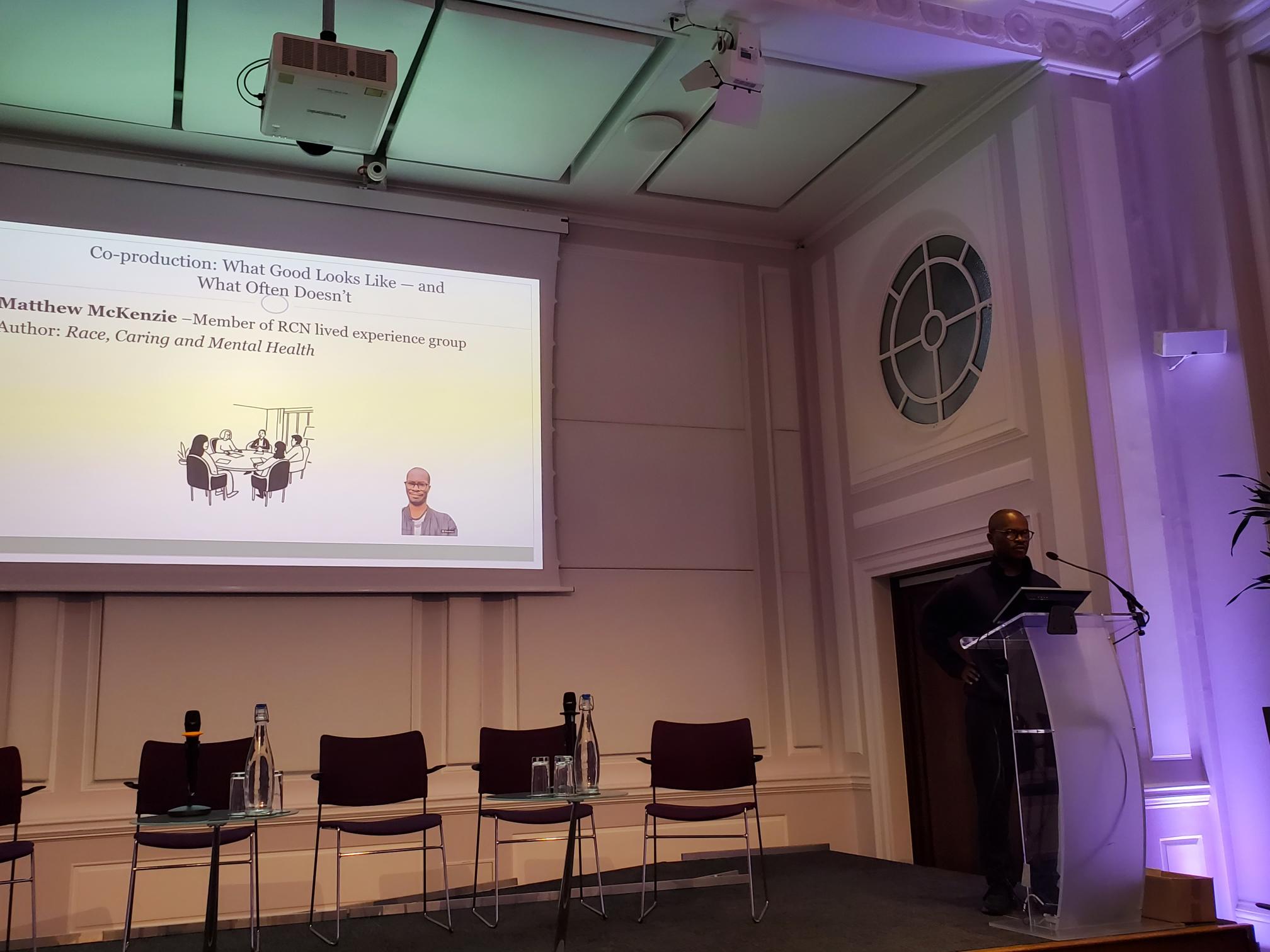
Carer co-production and lived experience input (Matthew)
Surrey & Borders’ co-production example (postponed)
Research priority-setting presentation (Richard, University of Manchester)
Carer questions and discussion
2. Triangle of Care National Update (Mary)
Mary provided a comprehensive end-of-year update structured around ToC’s three priority areas for 2024–25.
2.1 Embedding the Relaunched Triangle of Care Framework
Growth & progress
16 new members have joined the scheme since April, bringing ToC membership to over 80.
The first Welsh hospital achieved a ToC Star Award, prompting the creation of a new Welsh-language logo and Welsh materials.
A social care pilot is underway with Livewell South West, with West Hertfordshire Teaching Hospital reviewing ToC criteria for an acute setting.
Nine Star Awards have been achieved this year, with a further 12 annual reviews approved. Many more annual reports are pending review before year-end.
Standardising data Mary emphasised the push for consistent reporting across Trusts, including:
numbers of carers identified
uptake of carer awareness training
numbers of carer champions
This will help build a national picture of impact.
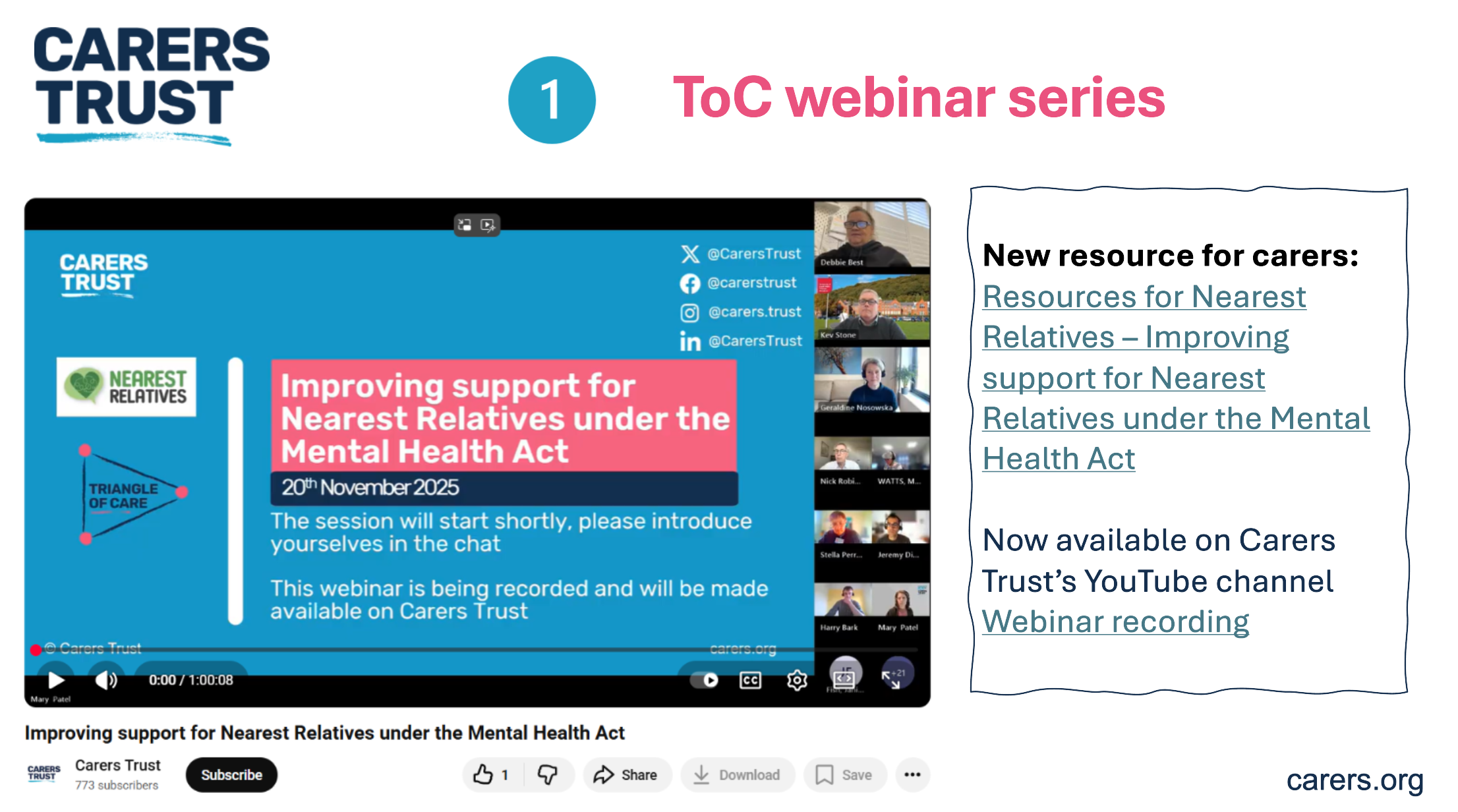
Webinars ToC’s Lunch & Learn series continues, with the recent Carers Rights Day webinar (in partnership with University of Bristol) focusing on the Nearest Relative role under the Mental Health Act (MHA). Resources are available via Carers Trust’s YouTube channel.
2.2 Young Carers: Identification & Support
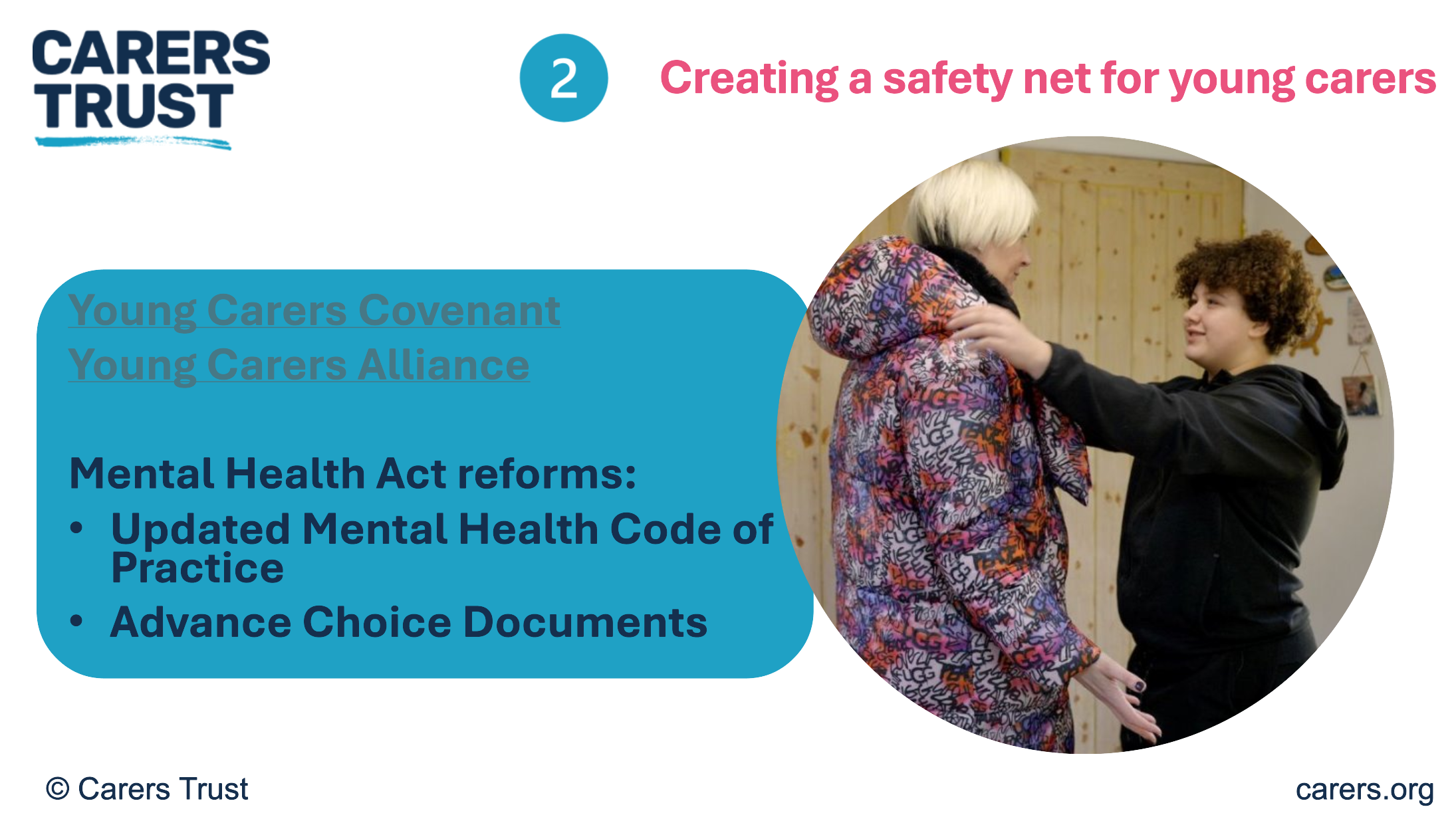
A major update was the successful national policy win relating to young carers and the Mental Health Act.
Mental Health Act Reform – Safety Net for Young Carers
Following campaigning by Carers Trust, the Young Carers Alliance, and ToC members who wrote to MPs:
Government has agreed to update the MHA Code of Practice to require:
identification of children when an adult is detained
sharing of information about available support
referrals for young carer needs assessments
Updates to advance choice documents will require practitioners to ask about dependent children.
Expected implementation: Summer 2026.
This win was warmly welcomed by the group.
2.3 Racially Minoritised Carers & PCREF
Mary updated members on ToC’s work to ensure carers are fully represented in the Patient & Carer Race Equality Framework (PCREF).
Key updates
A national Task & Finish Group has now completed its review of the first four ToC standards; the final standard is underway.
Piloting of new culturally sensitive criteria is planned with 10 NHS Trusts beginning April 2026.
Example of early good practice: Livewell South West is implementing a new “essential data template” that includes carers, enabling services to better identify and support racially minoritised carers.
Carers Trust is calling for a statutory duty for NHS mental health providers to implement PCREF in full, including community governance.
2.4 Changing the Narrative on Care – New Research
Mary introduced new research (supported by the Health Foundation and Oxfam GB) titled Changing the Narrative on Care, highlighting:
Although 80% of the public value unpaid care, this does not translate into policy action or investment.
Three recommended reframes:
Care is a universal experience, not a niche issue.
No care without support, make support visible and tangible.
Care is a partnership between families, communities and systems—not something families must do alone.
The full report is available on Carers Trust’s website.
I then presented an in-depth reflection on the value of authentic carer involvement, drawing on his lived experience and his role working with multiple NHS organisations.
Key points included:
Carers are not passive observers, they hold critical lived knowledge that improves services.
Real co-production goes beyond consultation; carers must be equal partners in shaping policy, documentation, training, and strategic decisions.
Examples Matthew gave from his own involvement:
redesigning welcome packs and leaflets
addressing confidentiality misapplication
involvement in recruitment panels
delivering training to staff at induction
reviewing complaints and compliments themes
advising on discharge processes and family-inclusive safety protocols
participating in research steering groups
Carers’ insight is especially essential in safeguarding, quality boards, and identifying service gaps often invisible to professionals.
4. Surrey & Borders Co-Production Example
A planned presentation from Surrey & Borders was postponed, as the relevant colleague could not attend with materials. They hope to present at a future meeting.
5. Research Priority Setting in Secure & Forensic Mental Health (Richard Kears)
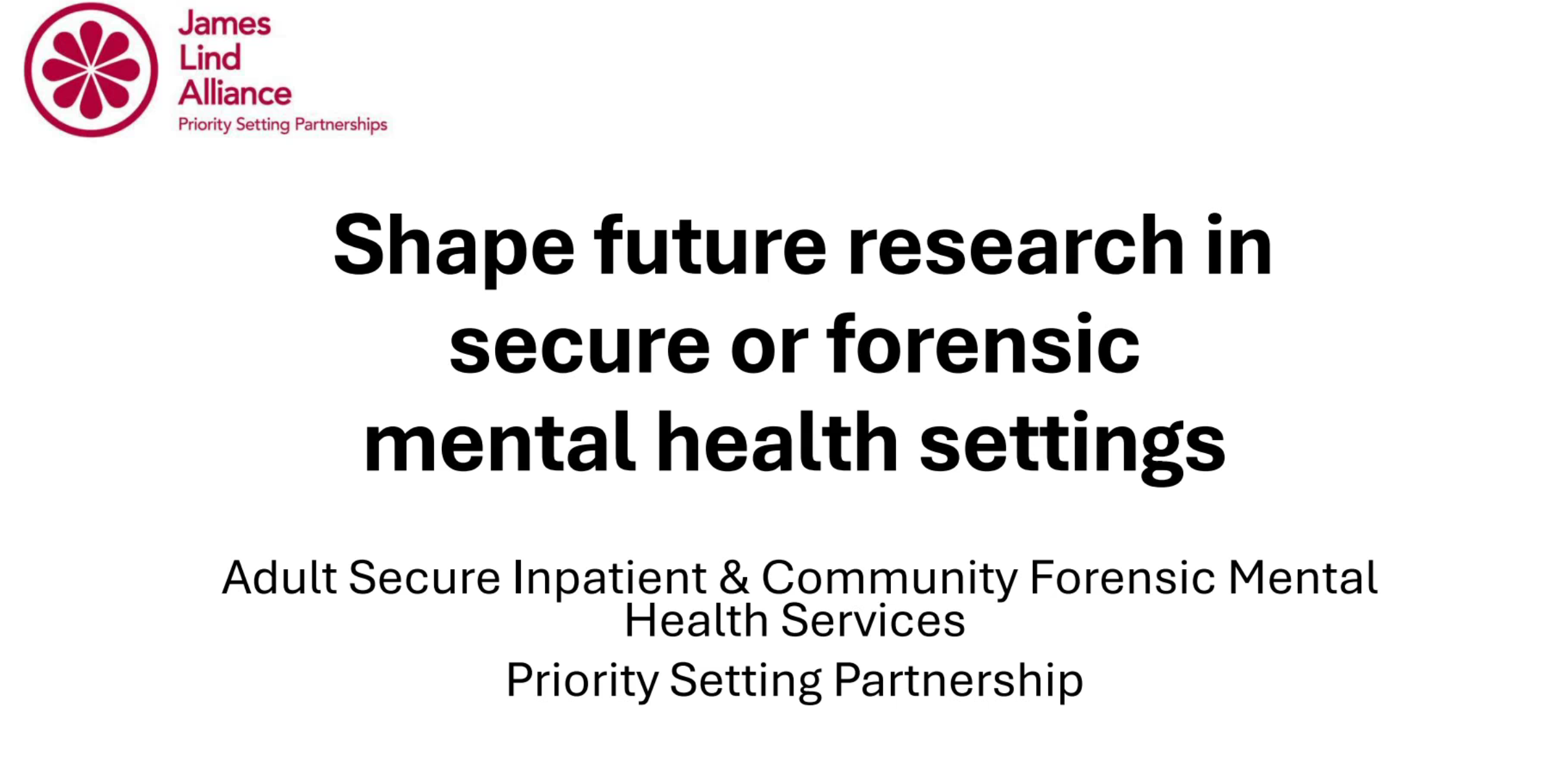
Richard introduced a national project with the James Lind Alliance (JLA) aiming to identify the top 10 research priorities for secure and forensic mental health services across England, Scotland and Wales.
Who is the survey for?
Carers
People with lived experience of secure/forensic services
Staff working in these services
Anyone indirectly connected (victims, families)
Purpose
To ensure future mental health research is led by the real concerns of those most affected, not only by academics or pharmaceutical interests.
Process
National survey gathering research questions.
Analysis to identify common themes.
Second, more focused survey to refine priorities.
National workshops with carers, staff and people with lived experience to finalise the top 10.
A QR code and flyer were shared for distribution. The group expressed strong support.
6. Attendee Discussion & Questions
This was the richest section of the meeting, with many heartfelt contributions. The themes below reflect the key concerns raised.
6.1 Scotland & UK-wide ToC Alignment
A carer asked why Scotland’s ToC framework is separate and not integrated into the UK ToC accreditation model. Mary explained:
Scotland currently uses ToC only as a free policy framework.
Implementing the accreditation model in Scotland would require groundwork to assess willingness and ability of providers to fund membership.
Integration is being discussed but is not imminent.
6.2 Clarity on Co-Production
Several carers voiced concerns that:
“Co-production” is often used as a buzzword.
Some NHS Trusts label work as co-produced after completing it.
Carers need clarity on what ToC means when using the term.
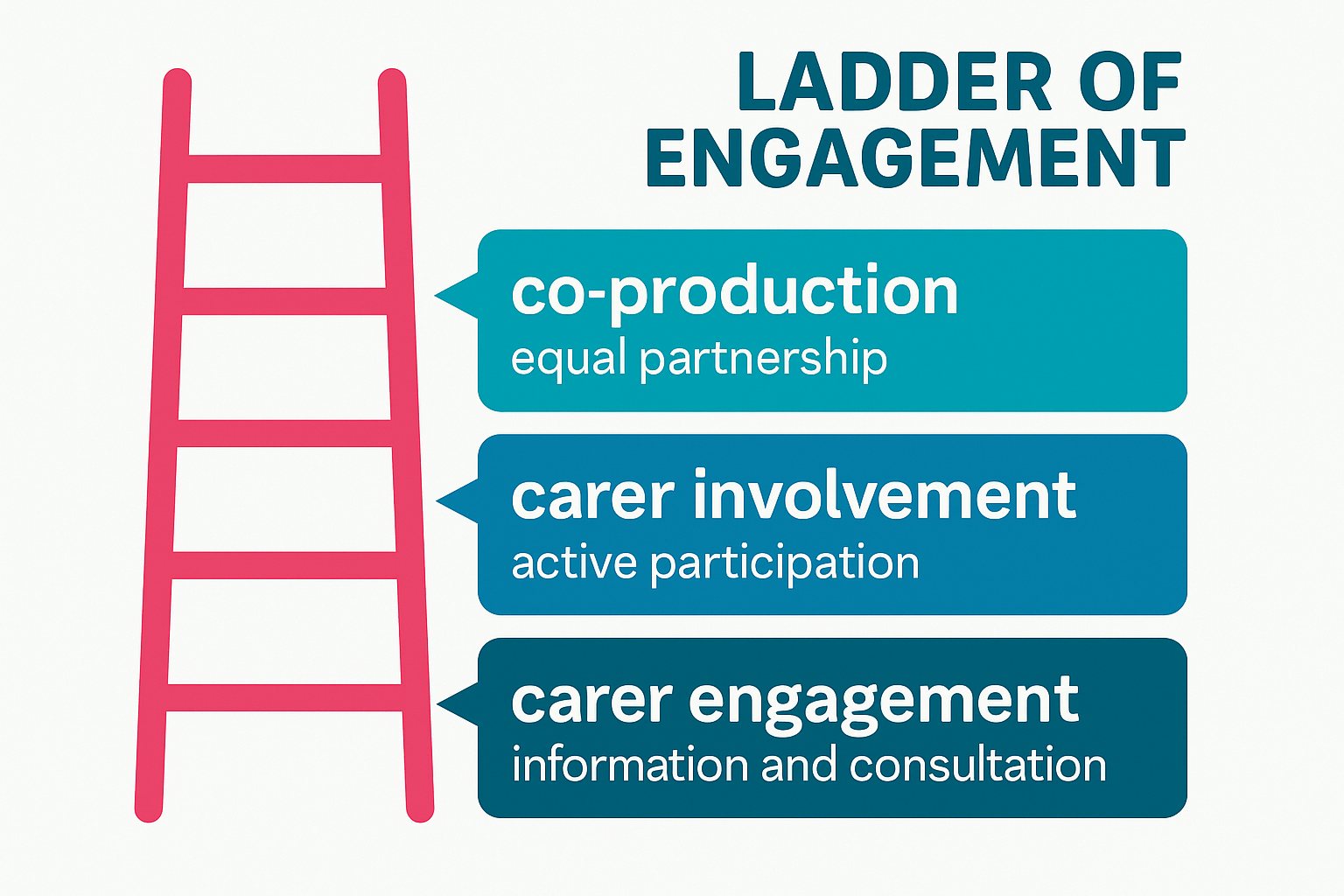
Mary responded that ToC uses a ladder of engagement, distinguishing:
carer engagement
carer involvement
full co-production
Carers Trust is developing a formal principles-based statement on involvement for future meetings.
6.3 Older Carers: Visibility, Support & Inequalities
The majority of carer questions focused on the unmet needs of older adult carers, many of whom are supporting people with severe mental illness—not dementia—and often have been caring 20–40 years.
Attendees reported:
Feeling “invisible” within both policy and services.
Being incorrectly grouped under “older carers = dementia”.
Their own poor health affecting their caring ability.
Increasing struggle to get responses from professionals.
Serious concerns about who will care for their loved ones when they die.
Feeling less heard as they age, compared with younger carers or newer voices.
One carer (age 78) shared:
“I can’t retire from caring. Benefits stop at 65, but the caring doesn’t.”
Another said:
“We have to shout louder as older women to be heard—and still we aren’t.”
Mary acknowledged the seriousness of these issues and committed to:
bringing older carers’ concerns into ongoing ToC work
exploring dedicated guidance and better mainstreaming within the ToC standards
sharing good practice on carer contingency planning in upcoming meetings
I also reiterated the group’s role in surfacing policy gaps and influencing future national lobbying.
6.4 Carer Registration & Meeting Access
Several carers raised issues with:
The length of the ToC sign-up form
Not receiving meeting links despite signing up
Verification barriers when joining Teams
Mary agreed to:
review and shorten the form
clarify which fields are optional
address email deliverability issues
adjust MS Teams settings to reduce joining friction while maintaining security
6.5 Concerns About Confidentiality Misuse
One carer reported that in a CQC meeting at an NHS Trust, raising questions about communication was dismissed as “confidentiality”, preventing meaningful dialogue. I then encouraged carers to bring such examples into:
ToC Star peer reviews
Carer involvement forums
Local advocacy routes
He noted that misuse of confidentiality is a common and unacceptable barrier and must be challenged.
6.6 Petition on Antipsychotic Medication Research
Carers highlighted concerns about:
long-term prescribing of antipsychotics
lack of regular medication review
inadequate research into long-term effects
A carer shared a petition calling for investigation of psychiatric medications. Richard noted that he had signed and shared it previously.
7. Closing Remarks
Matthew thanked all attendees for their honesty, passion and persistence:
“Carers’ voices shape policies and improve care. That is exactly what this group is here to do.”
Mary acknowledged:
the importance of every concern raised
the need to better support older carers
improvements to ToC communications and meeting accessibility
that the next meeting will be in January (provisionally 19th)
The meeting closed with gratitude from carers who said they felt heard, supported, and connected.
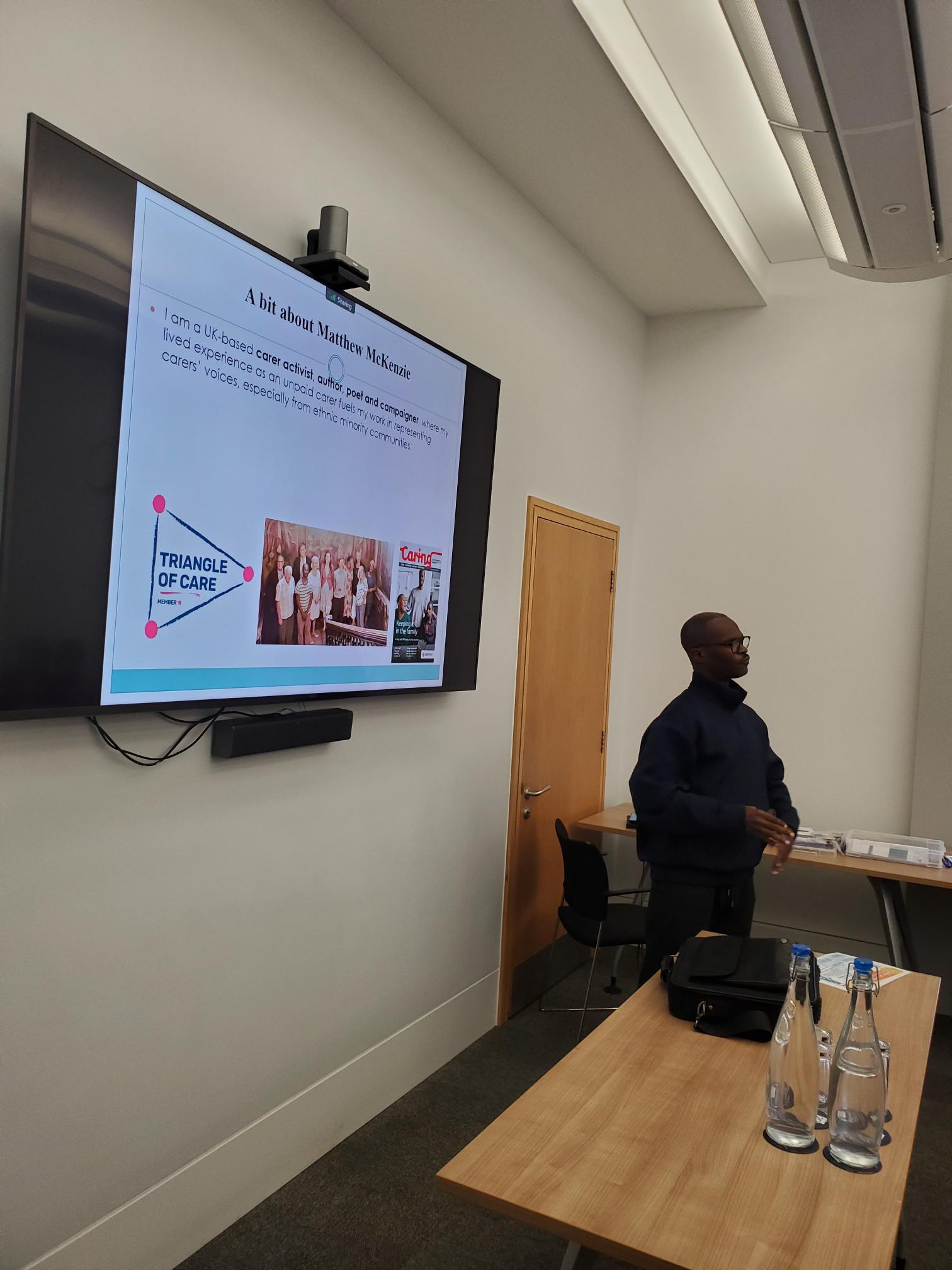
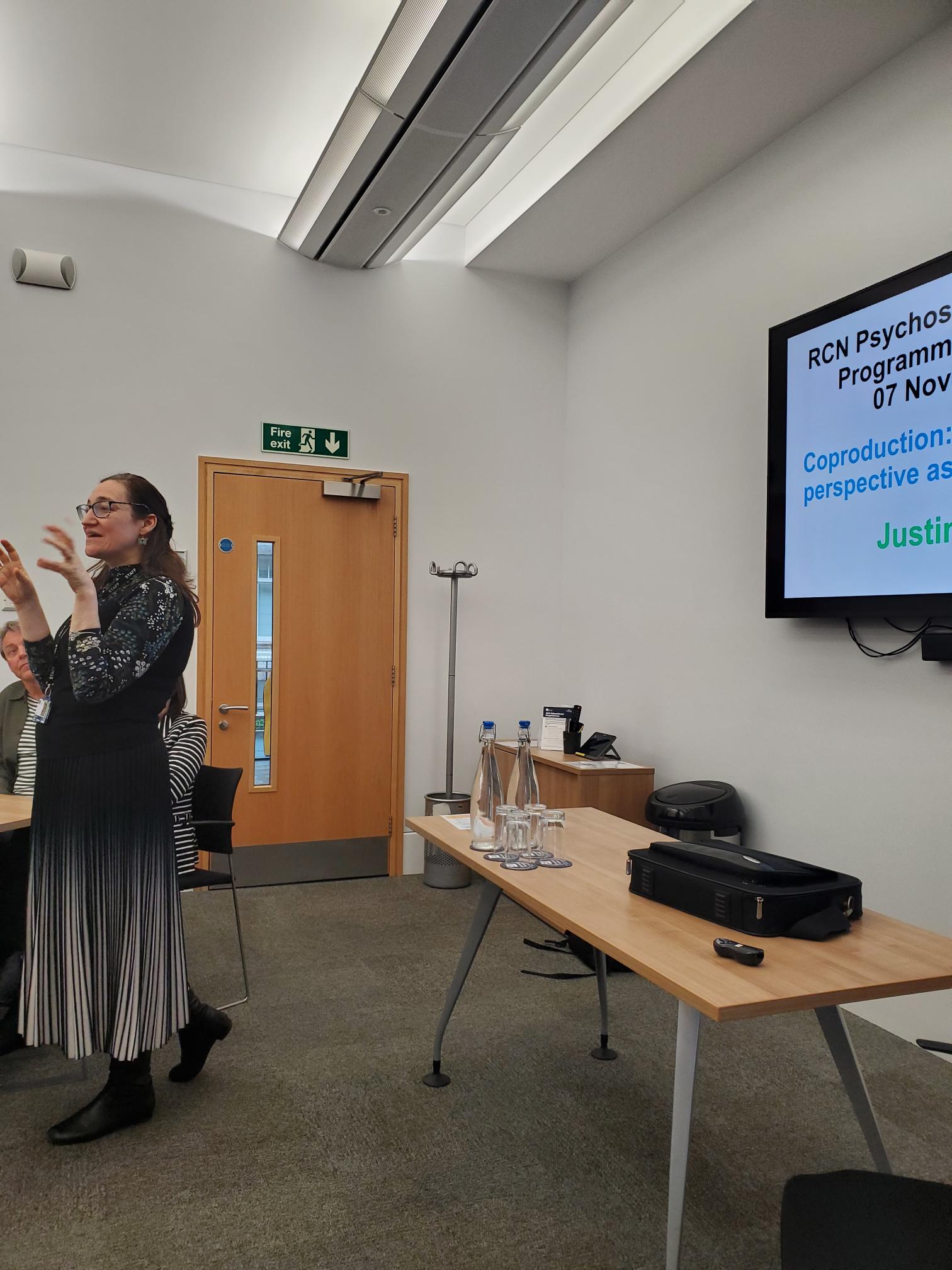
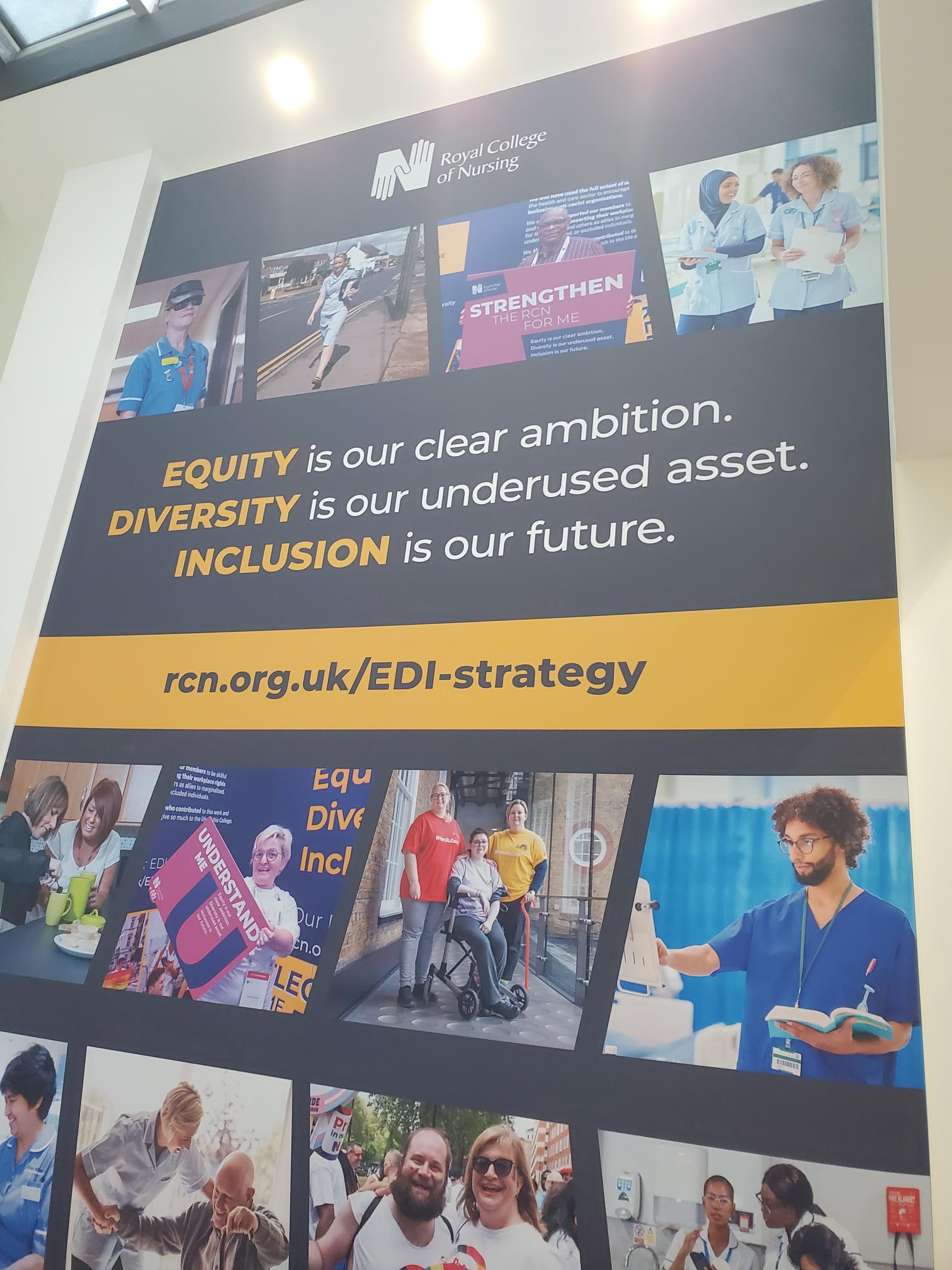
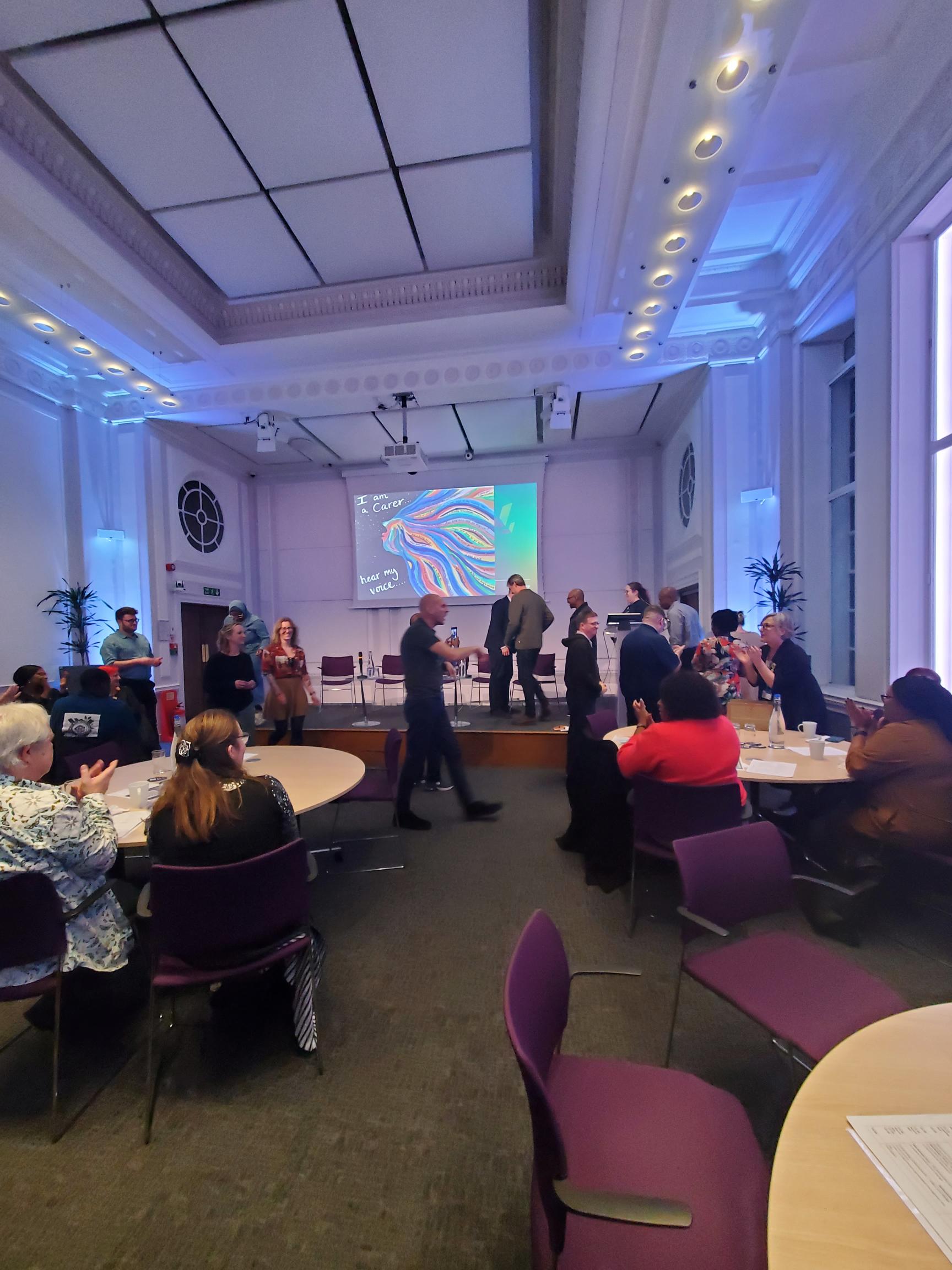
Walking into the RCN PSI Alumni Conference at Cowdray Hall on that crisp November morning, I felt a mix of pride, gratitude, and curiosity. It’s been many years since I first began speaking at RCN events like this, yet every time feels new because each gathering brings together nurses, carers, service users, and leaders who continue to shape the future of mental health care.
Before I continue to describe the event, let me sum up the Royal College of Nursing PSI programme. Basically the Psychosocial Interventions (PSI) programme is a nationally recognised training initiative designed to strengthen therapeutic skills of mental health professionals and embed recovery-focused, relationship-based care across services.
The PSI program is rooted in the principles of collaboration, reflection, co-production and empowerment, PSI equips practitioners with practical tools to support individuals experiencing mental distress, while also valuing the insight of carers and families.
I think what makes PSI stand out is its emphasis on seeing people beyond their diagnosis and fostering empathy, curiosity, and shared understanding between nurses, service users, and carers.
At the start of the conference and during it, I spoke to a few nurses over coffee, each reflecting on how PSI had shaped their practice one mental health nurse told me it had helped her “find her voice again.” For me, as a carer with lived experience, it was great to witness this sense of renewal. It reminded me why collaboration between professionals and lived experience communities is so essential.
Around 10 a.m., Catherine Gamble formally opened the event, setting a tone of gratitude and shared learning. Her introduction reminded us how much the alumni network had grown and how lived experience was now firmly part of the PSI culture.
As someone with lived experience of caring for my mum, who lived with schizophrenia, I approached the events not just as an observer but as someone deeply invested in the stories and struggles that bring us together as a triangle.
When I was invited to open the event and share my reflections as a carer, I knew I wanted to do more than talk about carers, I wanted to speak for them, and with them.
My Opening Talk – “The Nurses Who Walk With Us”
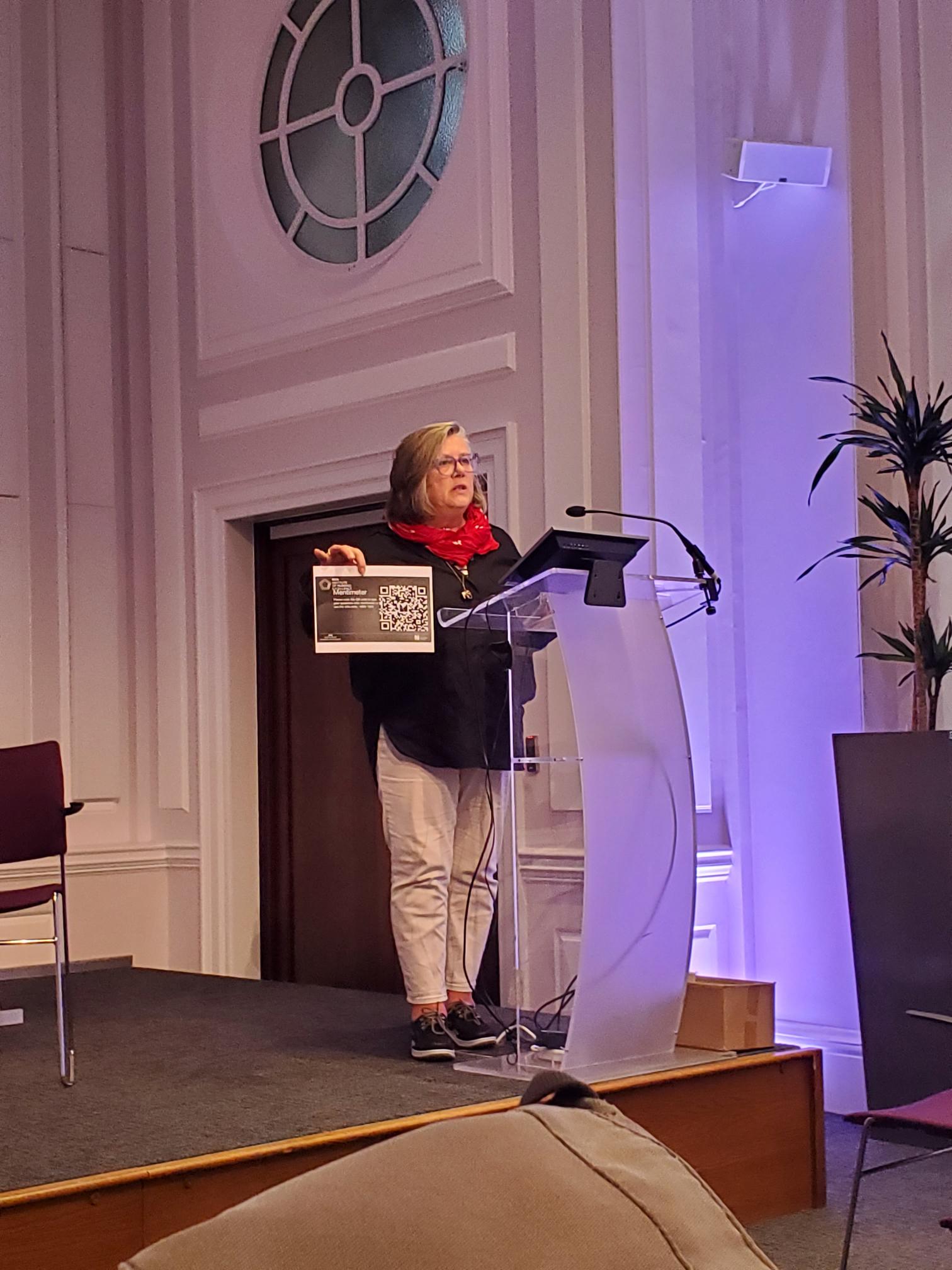
Standing at the podium, looking out at rows of passionate mental health nurses and lived experience, I began with gratitude. My words were simple but heartfelt:
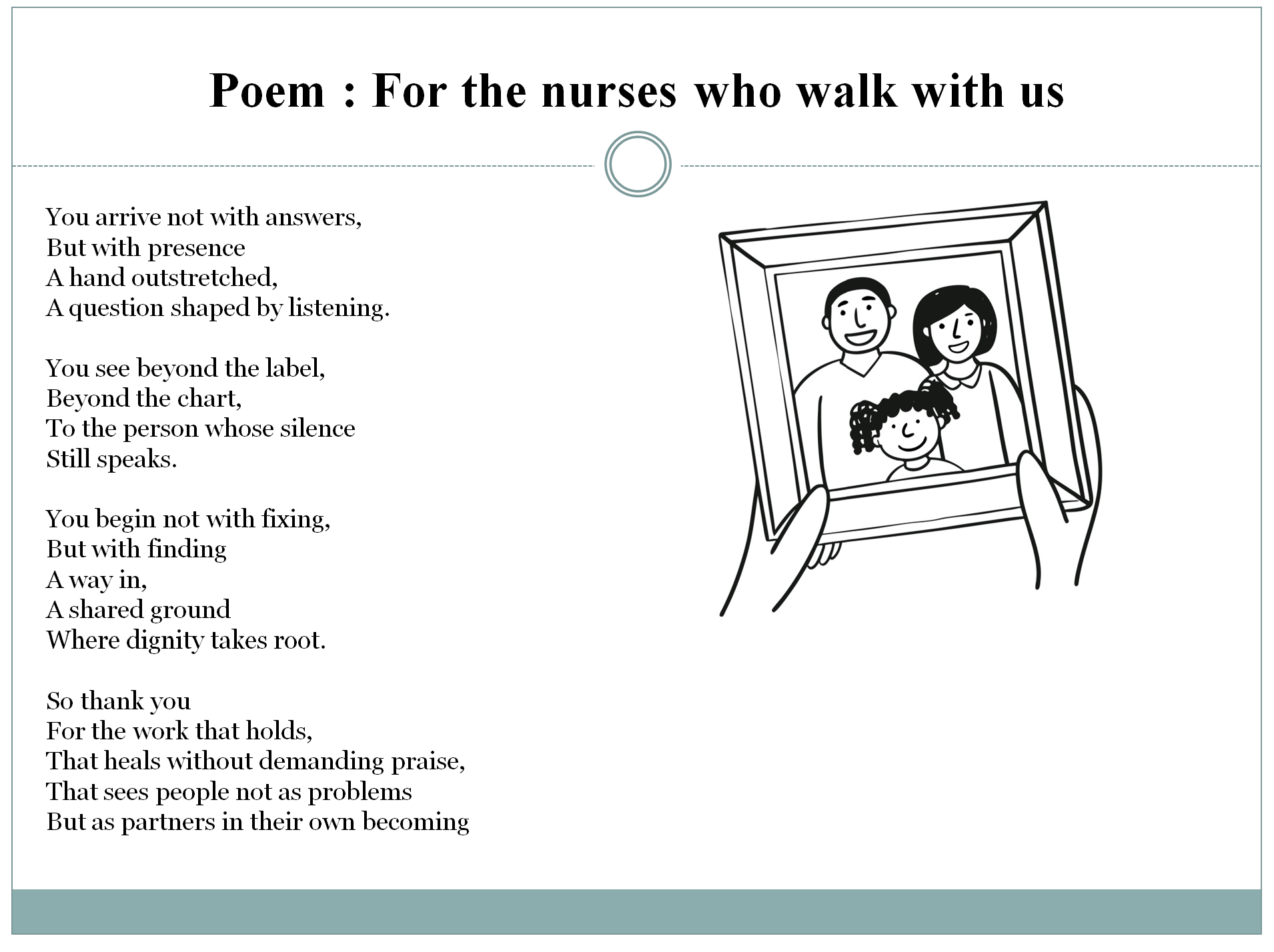
“This is really about the nurses who walk with us, the ones who move beyond the labels, beyond the charts, and see the person, not the problem.”
I read a poem I had written to honour the compassion and resilience of those in the room a piece I called The Nurses Who Walk With Us.
The poem spoke about presence, about listening, and about the small acts of care that ripple into great change.
After my talk, I was moved by the warmth of the response. Many came up to share how my words mirrored their experiences or reminded them of why they came into nursing. That moment of connection that shared understanding set the tone for the day.
The Locksmiths Animation and Alumni Showcase
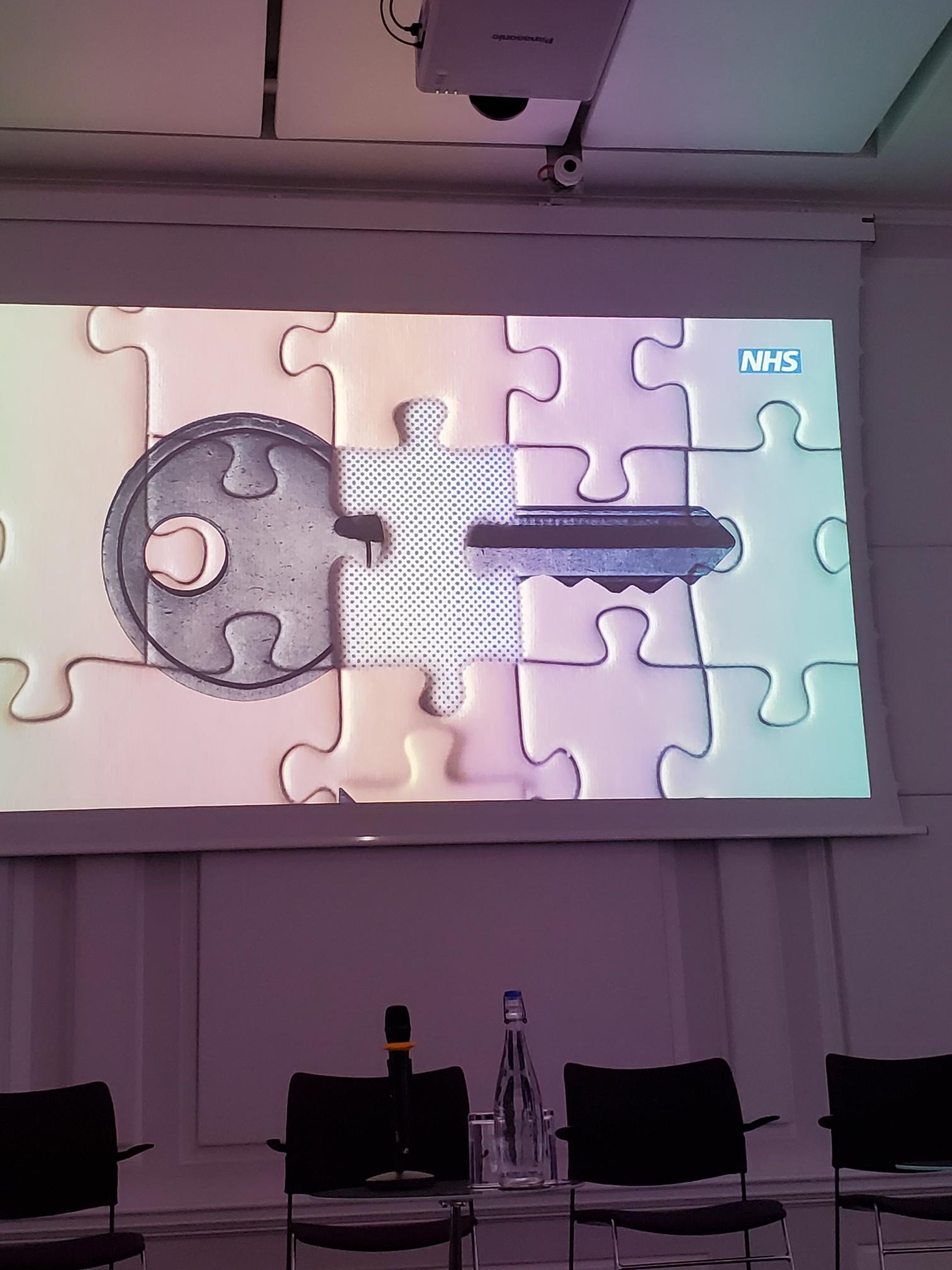
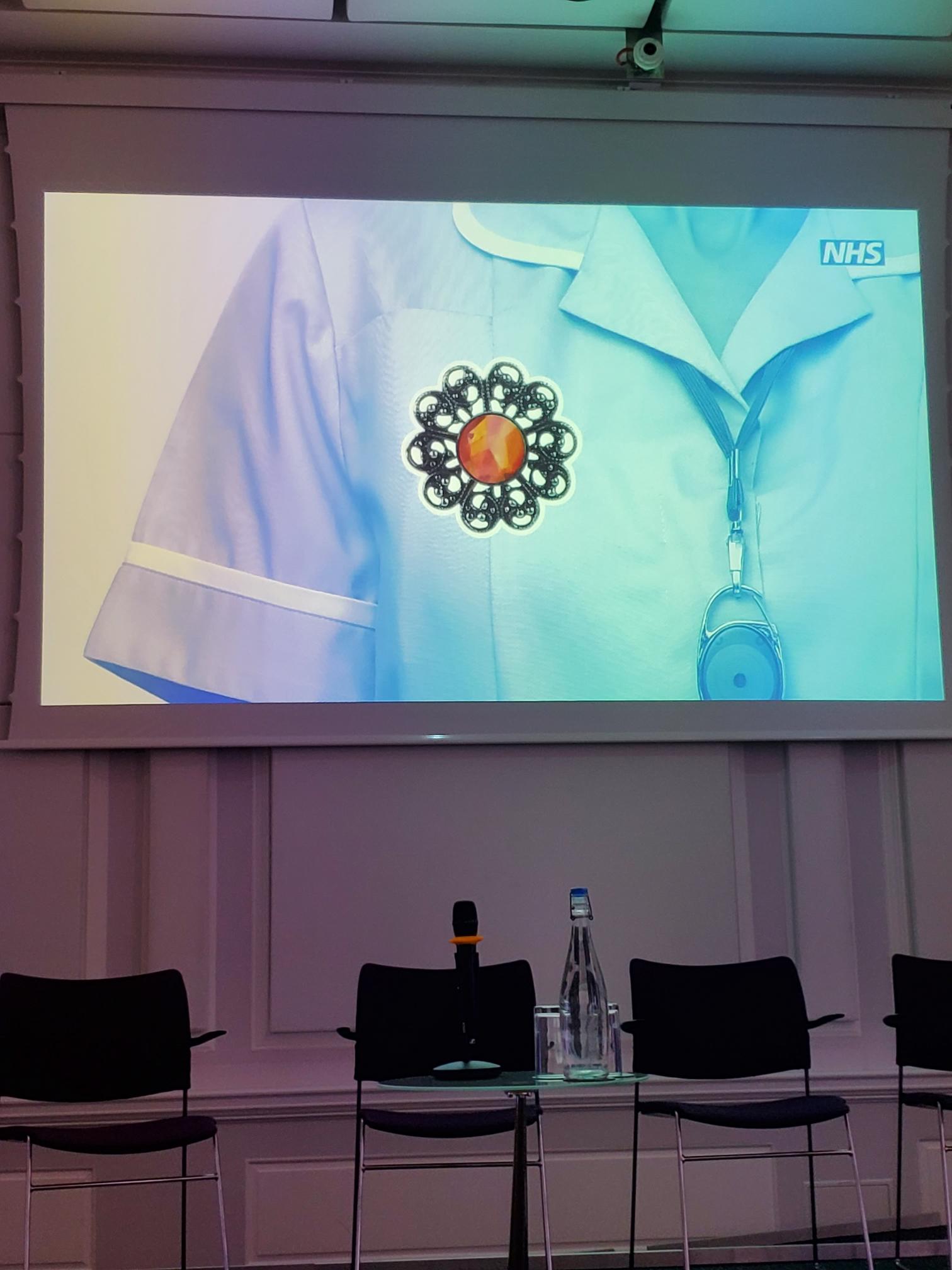
Following our opening session, Ellie Gordon and Stephen Jones launched the new animation “We Are the Locksmiths.” The film poetically portrayed mental health nurses as key-cutters shaping, adapting, and helping people find the right fit for recovery.
Watching it, I was struck by how accurately it captured the emotional labour of care, the balancing of vulnerability, patience, and professionalism
Next we had the Mentimeter session that morning, which was led by Professor Sally Hardy. She guided participants through reflective wellbeing questions using the interactive Mentimeter tool, encouraging everyone to think about how to sustain personal and professional wellbeing in mental health practice. Sally’s session wasn’t just about gathering feedback
Afterwards, the Alumni and Facilitators’ “Show and Tell Time” began. Groups from Sheffield NHS Trust, Sussex Mental Health Partnership, Lancashire Mental Health NHS trust, and Hereford NHS Trust sharing creative projects and reflections from their PSI practice. There were posters, poems, and community initiatives that had grown directly from the training. I wandered around the tables, speaking with participants who described how PSI had changed their teams. I think One mental health nurse told me, “We stopped seeing interventions as techniques and started seeing them as relationships.” It was inspiring
Workshop One – Working Together in Risk and Safety
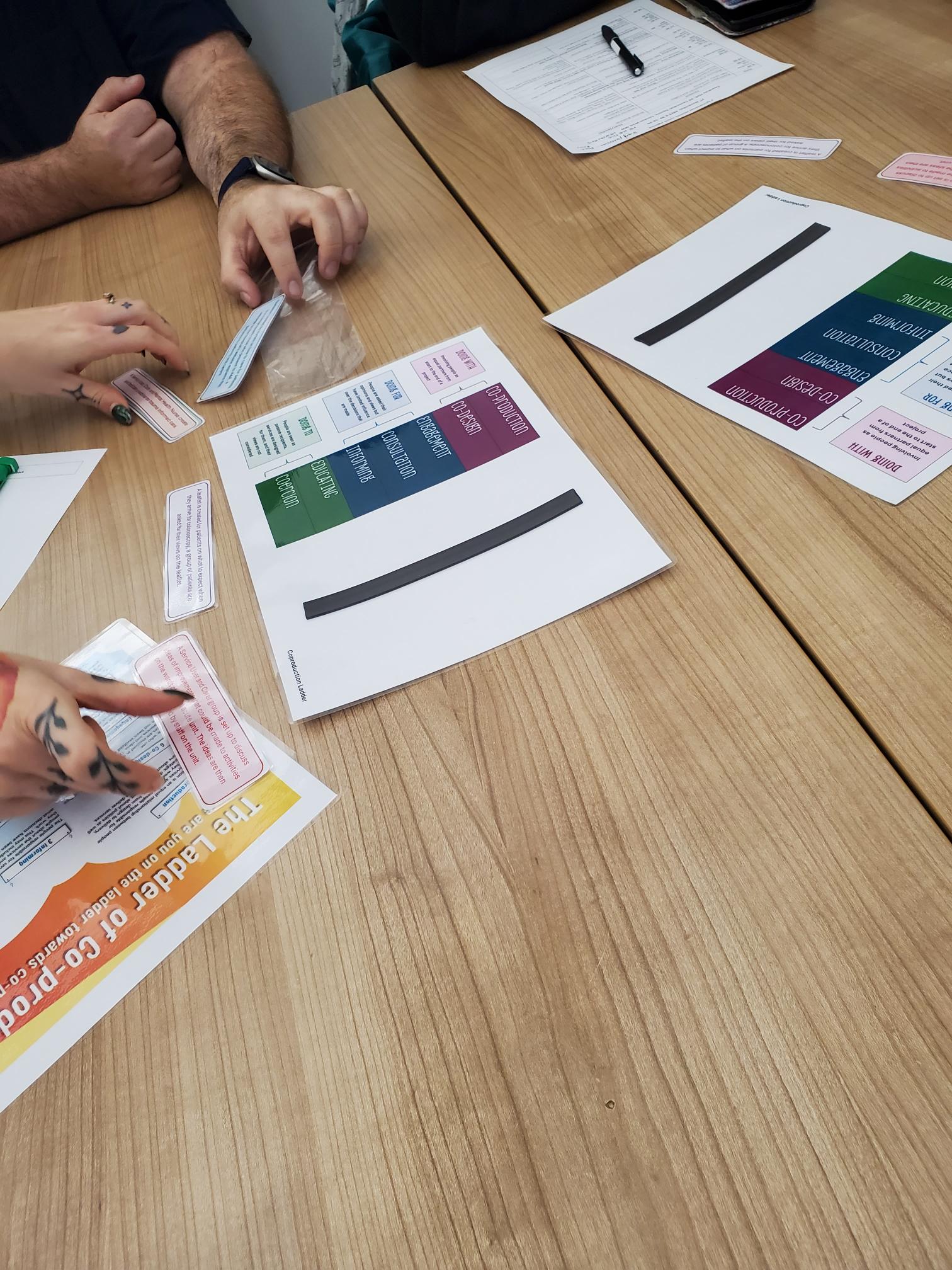
After refreshments, we broke into workshops. I joined Workshop One: Lived Experience and Co-Production – Utilising Our Expertise, led by Hannah Cadogan and colleagues. It was energising to see lived experienced and mental health nurses working side by side.
I spoke about what co-production really means from a carer’s point of view. I shared my journey as someone who has cared for a family member living with schizophrenia and another with autism, and how those experiences taught me the importance of being included as an equal partner in care.
I explained that carers often hold a deep understanding of the person they support insights that can make a real difference if professionals take the time to listen and involve us from the start, not as an afterthought. Drawing on my work with Carers UK, the Carers Trust, and the Triangle of Care as many nurses from the mental health trusts were members of triangle of care programme., I spoke about how true co-production is built on trust, openness, and shared learning.
We discussed barriers time, fear, power differences but also solutions, like embedding co-production in supervision and reflective practice.
In this session, the discussion turned to how we can meaningfully involve carers and service users in planning safety not as tick-box exercises, but as genuine collaborations. I found myself reflecting on my own experiences of sitting in meetings where decisions were made about my mum rather than with us.
Hearing the nurses speak so openly about their challenges about time pressures, fear of getting it wrong, and the emotional toll of risk reminded me that we’re all human in this process. True co-production means sharing not only responsibility but also vulnerability.
One participant spoke about the importance of patience: “We’re not here to fix; we’re here to find a way in.” That line stayed with me. It echoed my own philosophy that care starts with listening, not solving.
By the end of the workshop, we agreed that co-produced safety isn’t about removing risk; it’s about building trust so we can face risk together.
Workshop Two – Co-Production and Carer Involvement
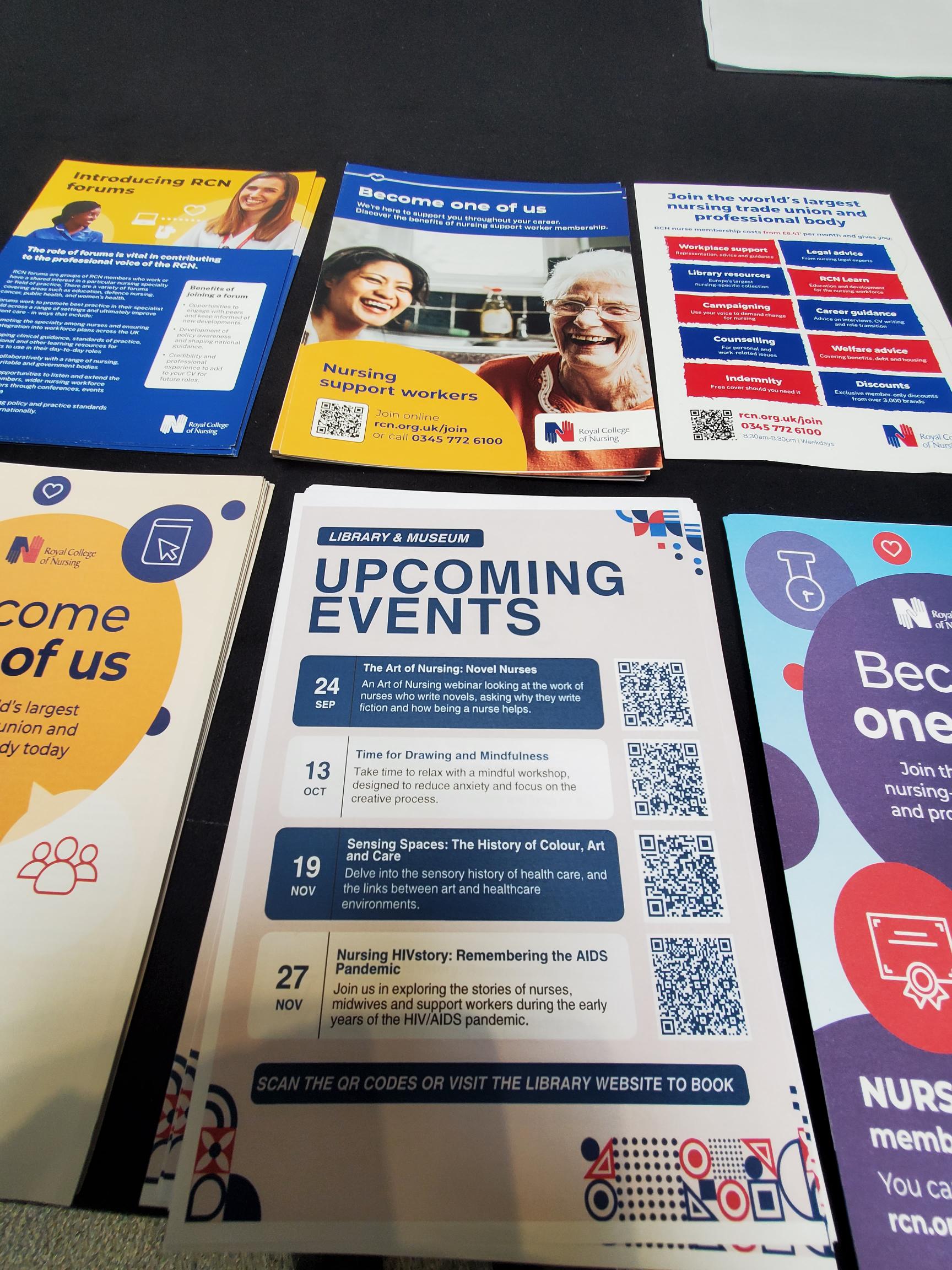
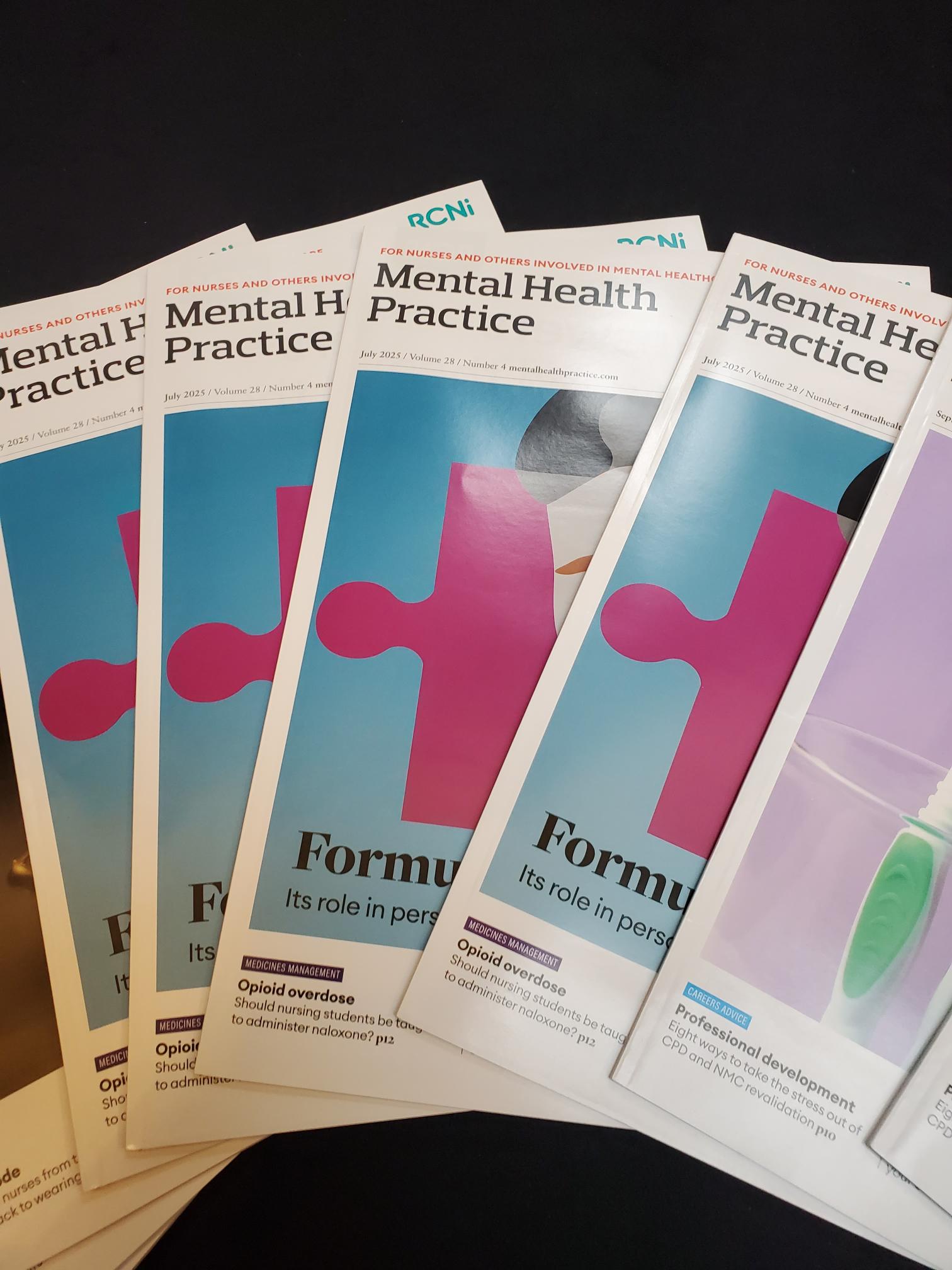
Lunch provided another opportunity for networking. The Mental Health Forum stand and MHP stall displayed resources on psychosocial practice.
I met others who had recently completed the course.
Conversations were open, curious, and full of mutual respect the kind of professional empathy that sustains hope in challenging work.
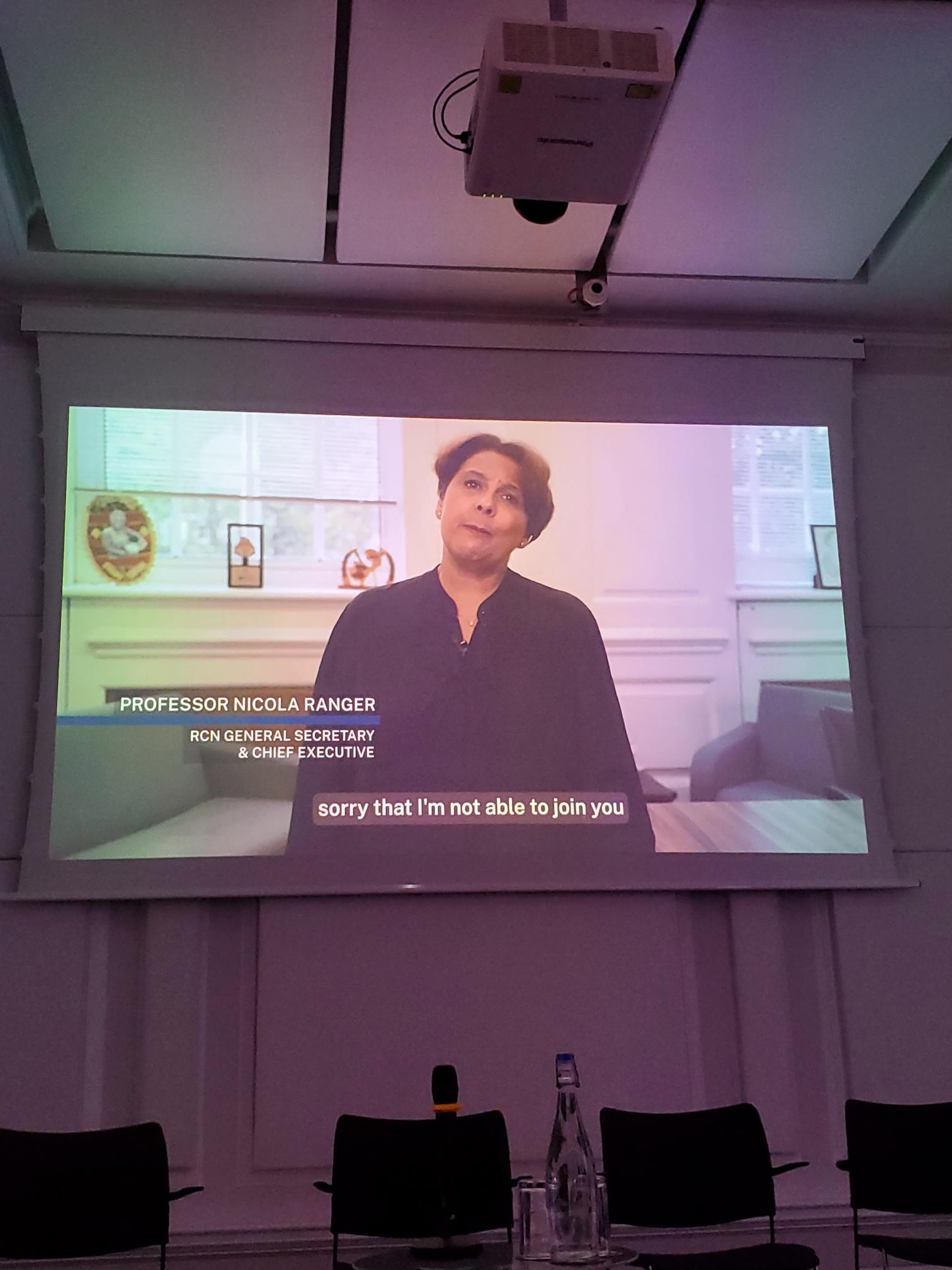
After lunch we heard from Professor Nicola Ranger, RCN General Secretary, who welcomed everyone back, commending the alumni for sustaining PSI’s legacy. Her words “you are the custodians of compassion” perfectly captured the spirit of the day.
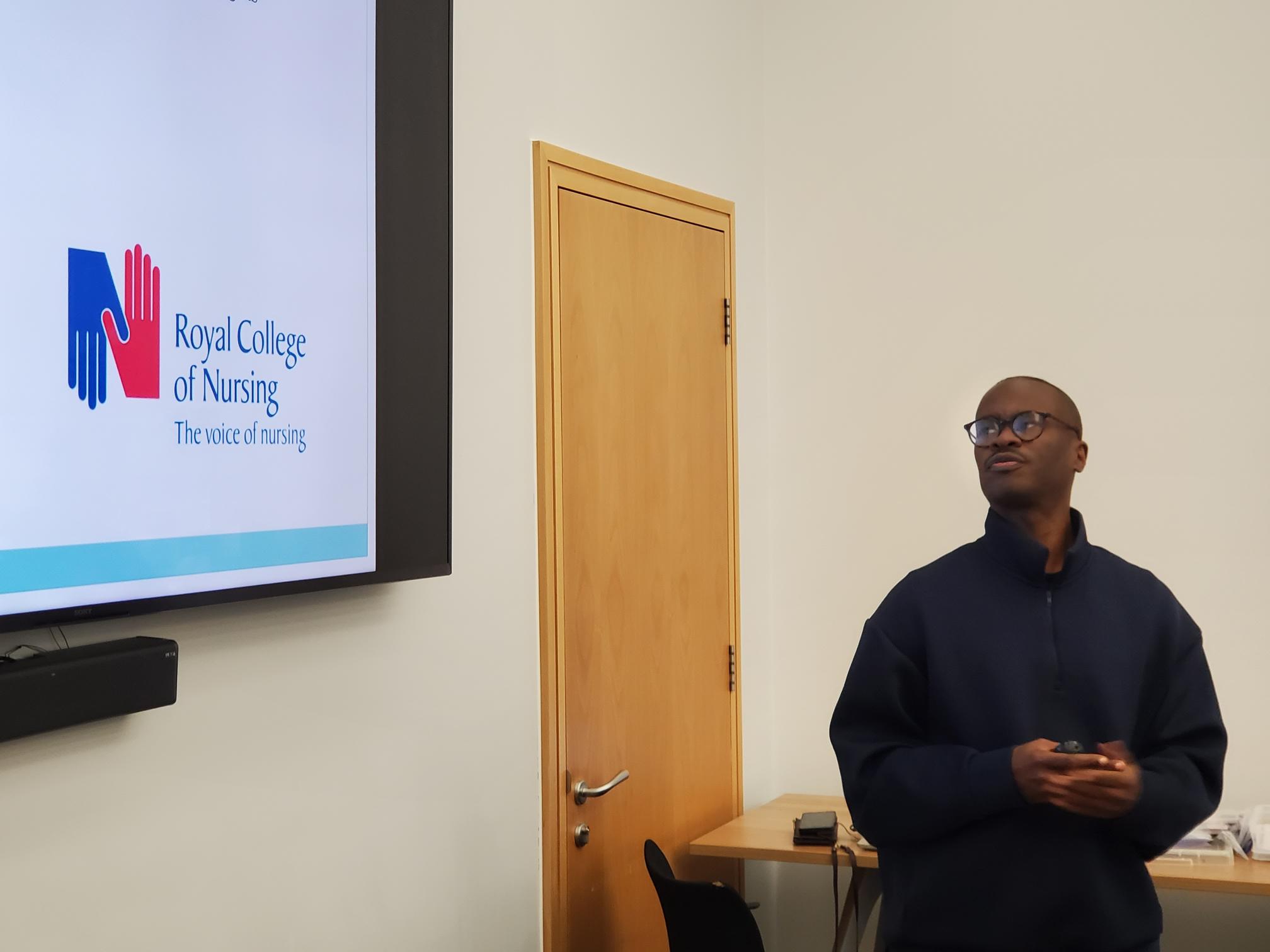
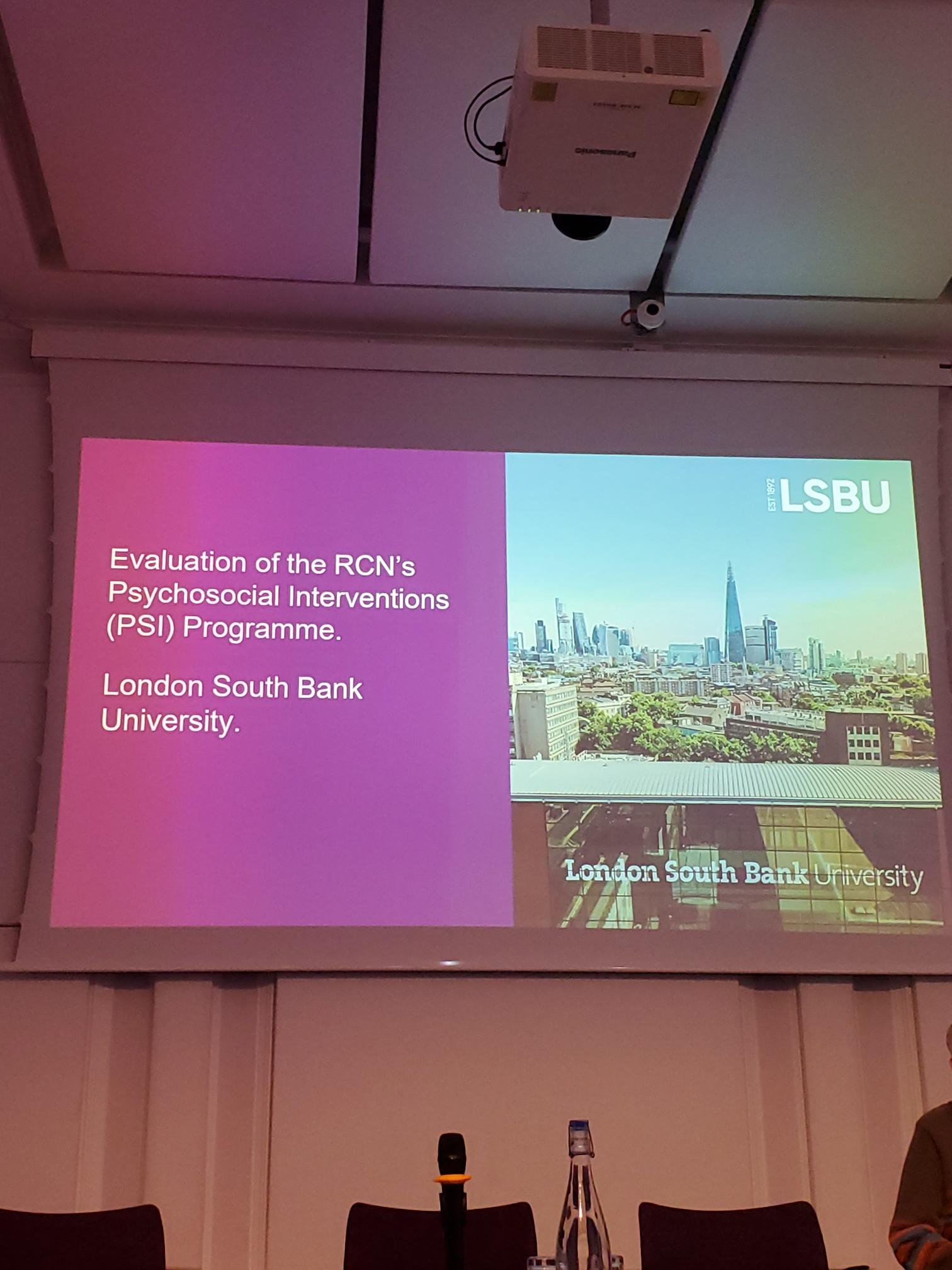
The evaluation session of the RCN PSI Alumni Conference was presented in partnership with London South Bank University (LSBU), who have been key academic collaborators in examining the outcomes and long-term impact of the Psychosocial Interventions (PSI) programme. This section was introduced by Stephen Jones, and Professor Chris Flood, a leading figure in mental health nursing and research at LSBU.
Together, they outlined how LSBU’s evaluation seeks to capture not just the quantitative outcomes of PSI such as improved confidence and competence among practitioners but also the qualitative stories of change, growth, and compassion that the alumni community embodies.
There will be several teams at LSBU, but I was impressed on the make up of the Advisory and Supervisory Team provides academic oversight and strategic direction.
Professor Patrick Callaghan, Professor of Mental Health Science at LSBU, offers extensive expertise in psychosocial interventions and nursing research leadership.
Professor Chris Flood, a leading mental health and adult nurse researcher, specialises in health economics, survey design, and qualitative inquiry.
Professor Neil Brimblecombe, Professor of Mental Health and Learning Disability, contributes his expertise in workforce development, nurse prescribing, and policy analysis linking the PSI evaluation to broader NHS workforce strategies.
Professor Eddie Chaplin, an expert in intellectual disabilities and psychosocial interventions, supports the development of inclusive frameworks for peer support, guided self-help, and service co-production.
Afternoon workshop
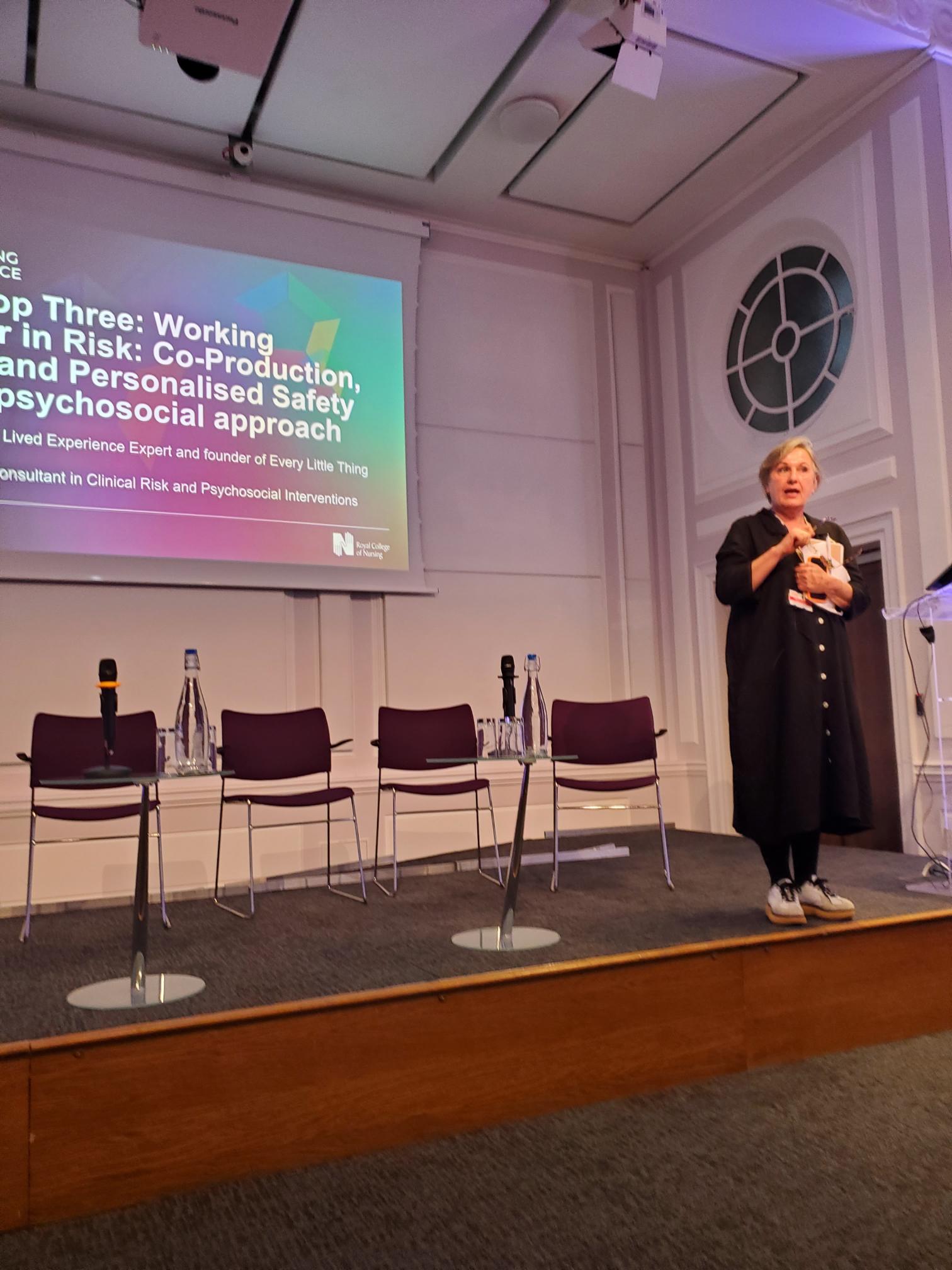
In the afternoon, I attended Workshop Three: Working Together in Risk – Co-Production, Suicide and Personalised Safety. It was deeply emotional. We discussed how carers can be crucial in early warning and safety planning, but only if professionals create safe spaces for them to speak. The workshop was presented by Berkshire Healthcare NHS Foundation Trus
During the workshop, we took part in reflective exercises that encouraged us to consider what “shared safety” truly means. We were asked to think of times when communication broke down between families, patients and professionals, and how different outcomes might have been possible if trust and collaboration had been stronger.
Celebrating Archievements
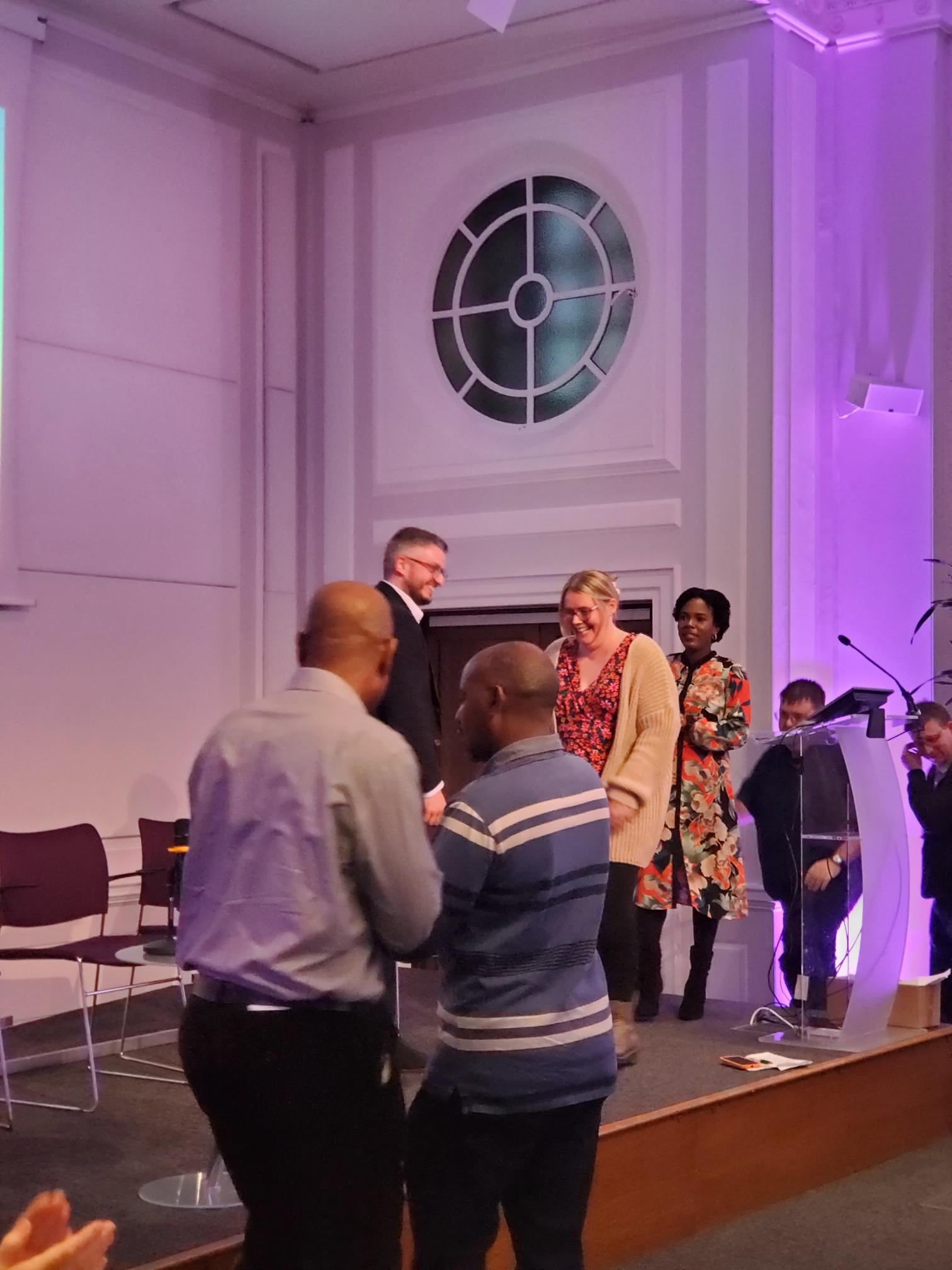
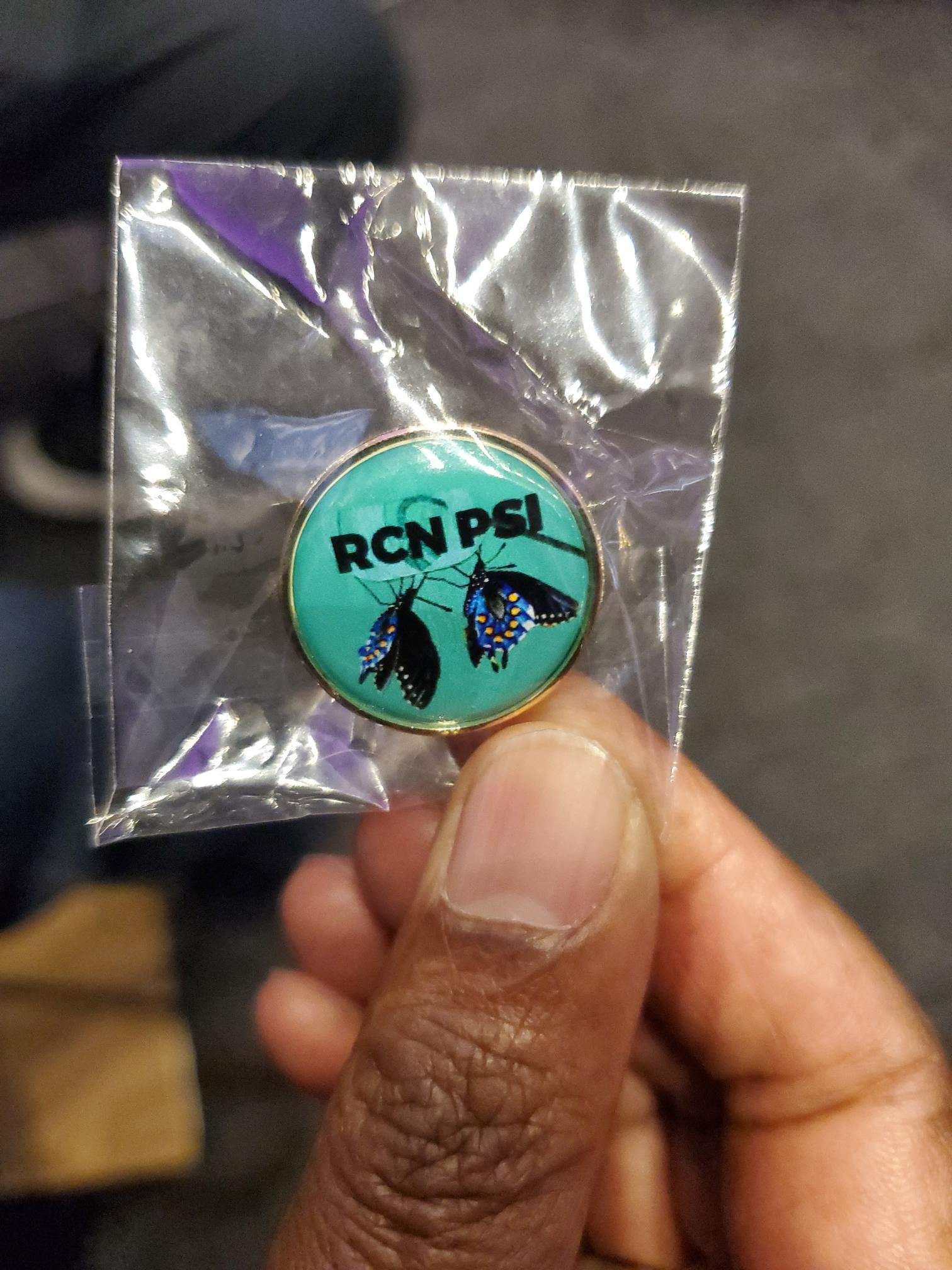
Those who finished the RCN PSI programm were presented with a RCN PSI alumni badge, which i felt was a small but powerful symbol of commitment, compassion, and continued learning. For many, receiving that badge wasn’t just about completing a programme; it represented belonging to a network that values empathy, partnership, and the courage to keep improving mental health care together.
Reflections and Looking Ahead
As the day drew to a close, we took a quiet moment to reflect. Conferences like this are not just about learning they are about belonging. They remind me that, while the caring role can often feel isolating, there is a wider network of understanding and solidarity.
I missed out a lot more that took place at the alumni event, but watch out for more exciting news from the RCN in future.
To find out more about the RCN PSI Progamme, click link below.
By Matthew McKenzie – Founder of A Caring Mind, unpaid carer, and advocate for ethnic minority carers
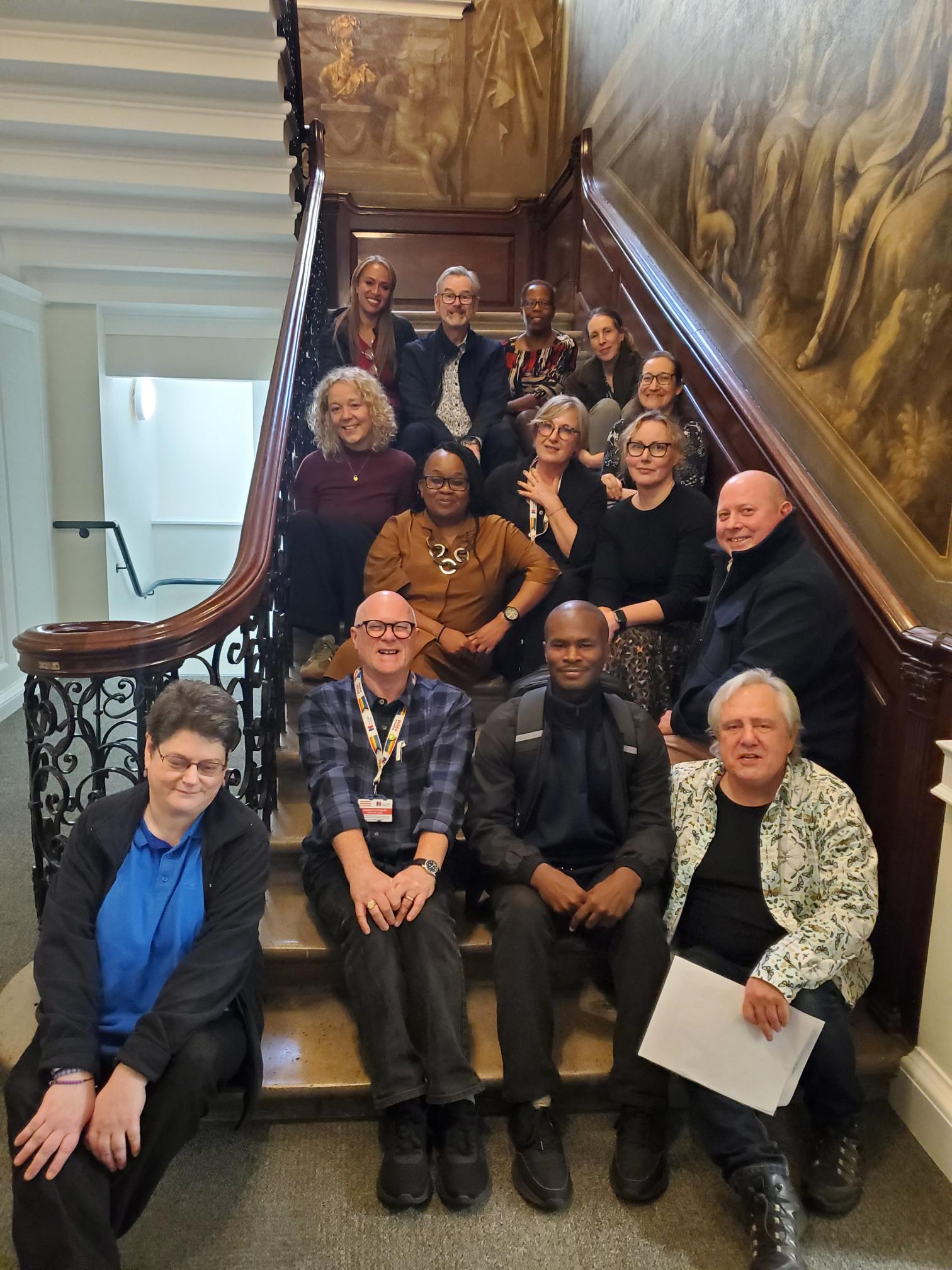
This October 2025, I had the privilege of joining Carers Support West Sussex to speak during their Black History Month celebrations under the theme “Standing Firm in Power and Pride.”
Carers Support West Sussex provides advice, emotional support, and practical help to unpaid carers across the county of West Sussex, ensuring they are recognised, valued, and empowered in their caring roles. Their work helps thousands of carers connect with the right information, resources, and community networks when it matters most.
As a Black, unpaid carer of lived experience, I spoke about Race, Inequality, and Carer Voices exploring how racism and structural inequality continue to shape the experiences of carers from ethnic minority backgrounds.
By Matthew McKenzie FRSA BEM, Chair, Triangle of Care Community Group
This week’s Triangle of Care Member Webinar, hosted by Carers Trust, which focused on a vital question: What makes for meaningful carer involvement?
We heard from across the Triangle of Care network, these being carers, professionals, and trust representatives coming together to share what genuine involvement looks like in practice.
I spoke about my own lived experience as a carer, supporting two non-verbal brothers with autism and my late mother with mental health challenges and how this journey has shaped my advocacy for stronger partnerships between carers and professionals.
Over the years, through the Triangle of Care, I’ve seen how much difference early and equal involvement can make.
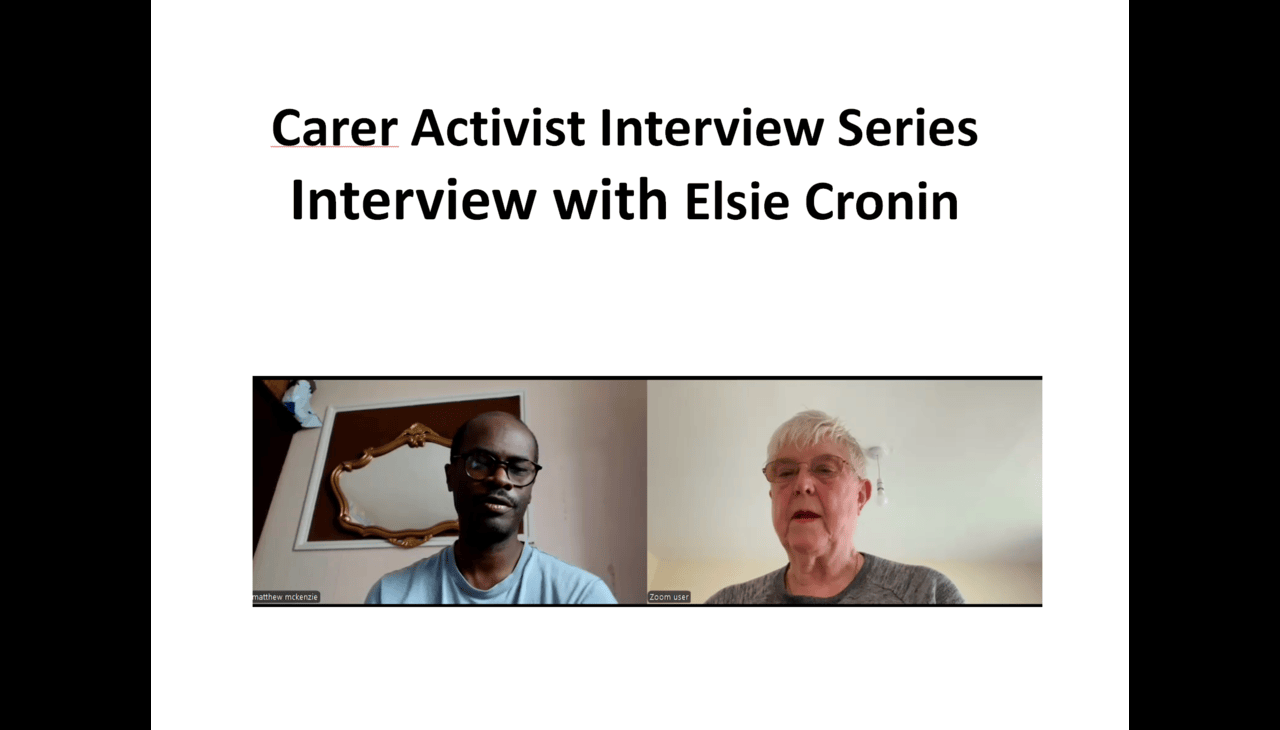
Caring for a loved one is a role that often goes unseen and undervalued. In this interview, Matthew McKenzie speaks with Elsie, a 73-year-old carer and activist, about her journey as an unpaid carer, the challenges she’s faced, and her mission to support others walking the same path.
Standing Strong for Carers’ Rights
Elsie refuses to be silenced. Though at times labeled as a “persistent, unreasonable complainer,” she sees her persistence as a duty to her loved ones and to other carers. For her, raising concerns is about advocating for better care and systemic improvements.
Her advice to carers is simple but powerful:
Trust your instincts.
Don’t give up until your loved one gets the right care.
Learn about carers’ rights and stay engaged in decisions.
Finding Strength in Words
In a deeply moving moment, Elsie shared a poem she had written for the Book of Remembrance at Honor Oak Crematorium, in memory of her son. Her words reflect not only grief but also strength, love, and the motivation to keep advocating for change.
You’ll always be our hero. Although you’re gone, we’re not apart. Our love for you keeps going, It stays deep within our hearts.
Football, food and fishing Were what it was all about. Blue is the color, Come on, you lions, to shout.
LLS Carers Forum – July Update: Voices, Concerns & Community Strength
Welcome to the July update for the Lewisham, Lambeth, and Southwark Mental Health Carers Forum. This month’s meeting, chaired by Matthew McKenzie, provided space for powerful updates, critical reflections, and a sobering insight into national developments affecting carer support.
🔸 Growing the Carers Voice
Our forum continues to evolve, bringing together unpaid carers from across boroughs. It remains a space for empowerment, where carers can speak openly, challenge services, and influence support structures. Several attendees introduced themselves and reflected on their caring roles, often crossing borough boundaries and facing ongoing questions about their own place in the system.
🔸 Spotlight: Healthwatch Update
One of the major concerns raised was the planned abolition of Healthwatch England and its local branches, which is a development that has deeply unsettled many in our community.
Anna from Healthwatch Lambeth joined us (on her day off—thank you, Anne!) to explain what’s happening:
Healthwatch functions—listening to service users, signposting, and enter-and-view visits, which are set to be absorbed by local authorities and ICBs.
As a statutory body, Healthwatch cannot be dissolved without legislation, so operations continue for now.
Carers voiced serious concerns over the loss of Healthwatch’s independence and trust, especially as a safe channel for feedback.
Anne reminded us: Healthwatch is still active and listening. A final report on black men’s experiences in Lambeth mental health services is due by mid-August.
🔸 Key Questions Raised
How will services preserve independent feedback mechanisms once Healthwatch is gone?
What accountability structures will replace them?
What are the implications of the broader wave of health service body consolidations?
🔸 Updates from the Ground
We also heard from other carer members:
A carer from Lewisham shared feedback she submitted to the Lewisham Unpaid Carers Forum regarding carer engagement, with little response so far unfortunately highlighting an all-too-common issue.
Other Carers reflected on Lambeth’s carer engagement structures, noting some decline in carer-led decision-making over the years.
Another Carer emphasized the importance of real, consistent carer champions within NHS teams particularly in mental health crisis services.
🔸 Carers Forum Reflections
Matthew provided a helpful comparison between Lewisham and Lambeth carer engagement models. While Lewisham has a formal Unpaid Carers Forum, its independence is limited. Lambeth’s model leans more on the collaborative network and carer support groups. Both boroughs face challenges in consistency, clarity, and co-production.
A concern raised repeatedly: carer champions are often named but rarely visible and sometimes, not even known by their own teams.
📅 Next Forum: August 25 or 26
Due to the bank holiday, the next forum will likely be held on August 26. We’ll aim to have a guest speaker and will explore new ways for carers to hold services to account especially in light of the potential Healthwatch closure.
If you’d like to contribute to future discussions or attend the next forum, please reach out. This is your space.
📣 Let’s continue to speak up, stand together, and push for better mental health support for all carers.
Understanding Schizophrenia: Breaking the Silence and Challenging Stigma
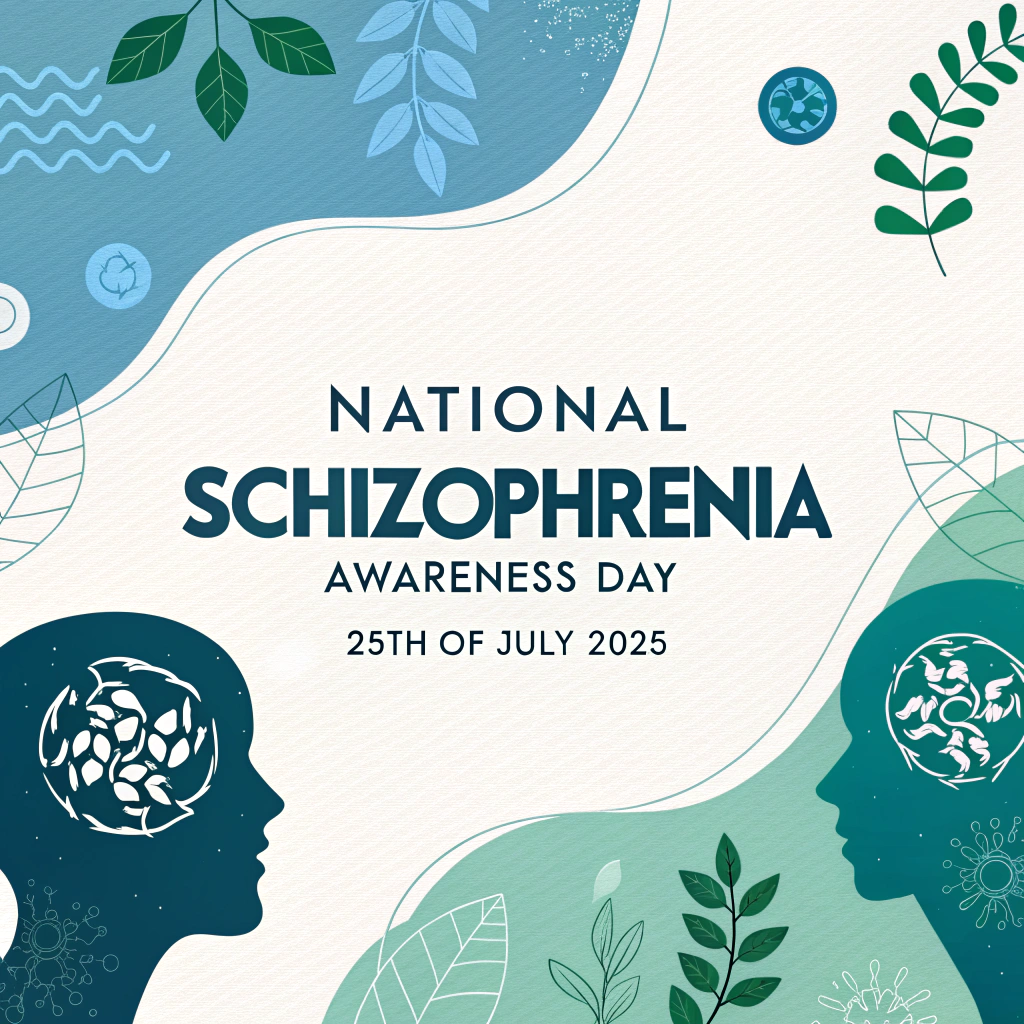
Schizophrenia remains one of the most misunderstood mental health conditions, often shrouded in myths, misconceptions, and stigma. As National Schizophrenia Awareness Day took place on July 25th, it is an opportune moment to reflect on the realities of living with schizophrenia, the challenges faced by those affected, and the crucial role of unpaid carers.
This article taken as a transcript from my video delves into the importance of awareness, the lived experiences of individuals and their families, and the collective responsibility to foster understanding and support.
The Significance of National Schizophrenia Awareness Day
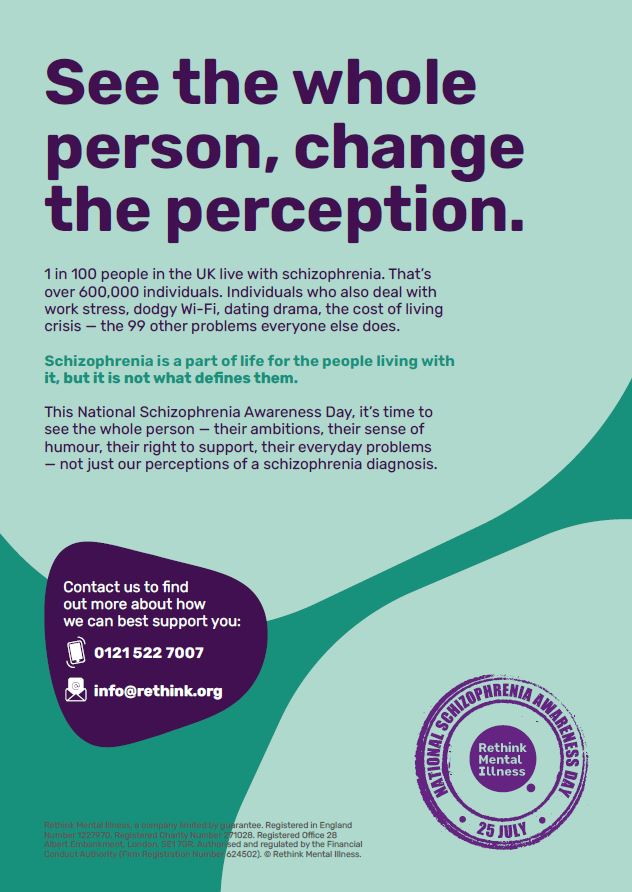
National Schizophrenia Awareness Day, observed annually on July 25th in the UK, is more than just a date on the calendar. It is a day dedicated to raising awareness, challenging stigma, and building understanding around schizophrenia which is a condition that affects approximately one in every 100 people in the UK. The day is spearheaded by organizations such as Rethink Mental Illness, Change Mental Health in Scotland, Adared Recovery in Wales, and Mindwise in Northern Ireland. Together, these organizations form Mental Health UK, a collaborative effort to provide vital support and advocacy for those living with schizophrenia and their carers.
What is Schizophrenia?
Schizophrenia is a complex mental health condition characterized by a range of symptoms, including hallucinations, delusions, and disorganized thinking. However, it is essential to recognize that schizophrenia is not a one-size-fits-all diagnosis. The experience of schizophrenia exists on a spectrum, with each individual’s journey being unique. For some, symptoms may be more pronounced, while others may experience periods of stability and recovery.
Common Symptoms
Hallucinations: Sensing things that are not present, such as hearing voices.
Delusions: Strongly held false beliefs that are not based in reality.
Disorganized Thinking: Difficulty organizing thoughts, leading to incoherent speech or trouble concentrating.
Despite these clinical descriptions, it is crucial to remember that schizophrenia is, above all, a human experience. The condition affects not only the individual but also their families, friends, and communities.
The Human Experience: Beyond the Diagnosis
Too often, the narrative around schizophrenia is dominated by fear, misunderstanding, and negative stereotypes. Individuals living with schizophrenia frequently face stigma, isolation, and discrimination not only just from society at large, but sometimes even within the mental health system and healthcare services themselves. This stigma can be even more pronounced for those from minority groups, compounding the challenges they already face.
The Impact of Stigma
Stigma surrounding schizophrenia can have far-reaching consequences. It can:
Discourage individuals from seeking help or treatment.
Lead to social isolation and exclusion.
Affect employment and educational opportunities.
Create barriers to accessing quality healthcare.
Challenging these misconceptions requires a collective effort to educate the public, promote empathy, and highlight the real stories of those living with schizophrenia.
The Unseen Heroes: Unpaid Carers
While much attention is rightly given to those living with schizophrenia, there is another group whose contributions often go unrecognized—unpaid carers. These are the family members, close friends, partners, and loved ones who provide daily support to individuals with schizophrenia. Their role is both vital and demanding, yet their voices are frequently underrepresented in policy discussions, service planning, and awareness campaigns.
Who Are Unpaid Carers?
Unpaid carers are individuals who, without formal training or compensation, dedicate their time and energy to supporting someone with schizophrenia. This support can take many forms, including:
Emotional Support: Listening, comforting, and advocating for their loved one.
Crisis Management: Staying up late, managing emergencies, and ensuring safety.
Practical Assistance: Helping with daily tasks, medication management, and appointments.
Financial Support: Bearing the costs associated with care, often at personal expense.
The burdens carried by unpaid carers are not just emotional but can also be financial and physical. Despite their critical role, they often receive limited support and recognition.
The Lived Experience of Carers
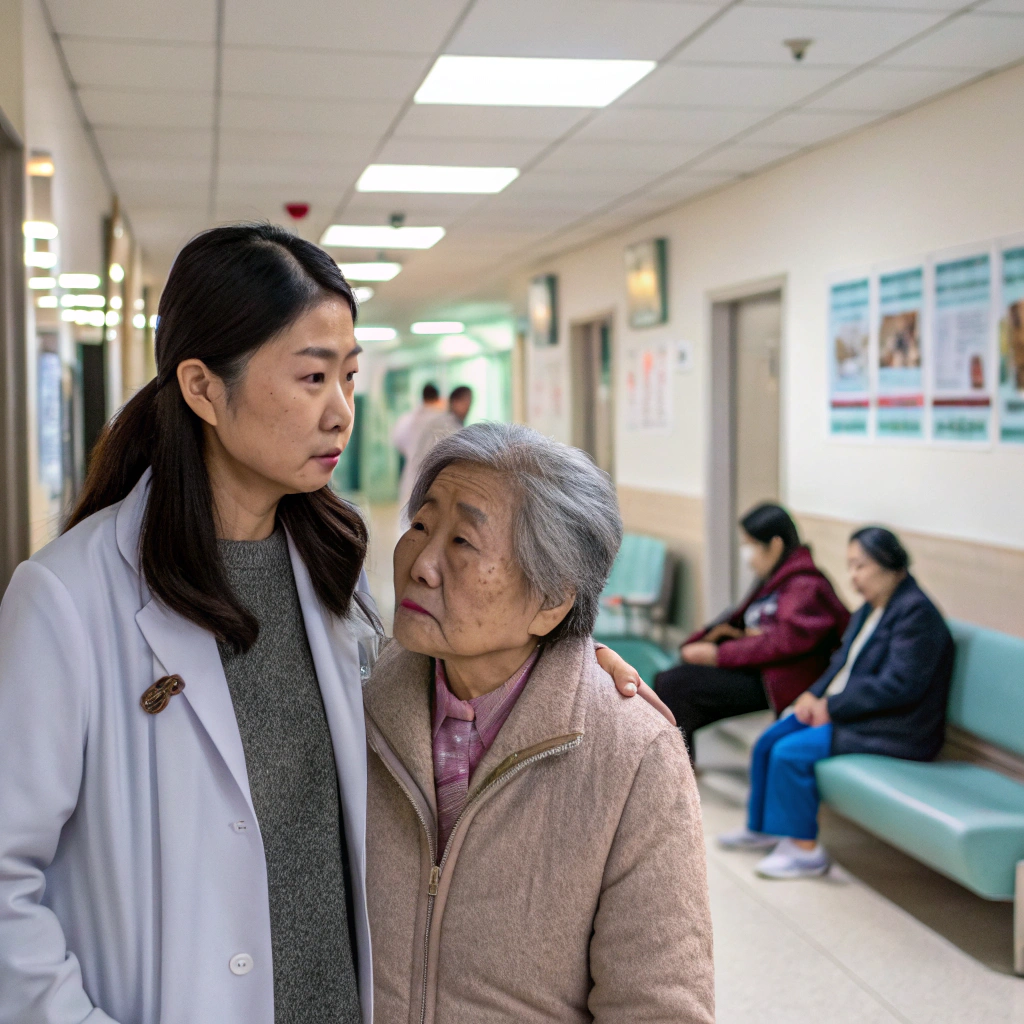
Many carers, like the speaker’s own mother, navigate the complexities of supporting a loved one with schizophrenia with little guidance or acknowledgment. They become advocates, crisis managers, and emotional anchors, often at the expense of their own well-being. The lack of formal training and support can leave carers feeling isolated and overwhelmed.
Building a Better Future: What Needs to Change
Raising awareness about schizophrenia is not just about increasing knowledge—it is about fostering a culture of care, action, and inclusion. To truly support those affected by schizophrenia and their carers, several key areas need attention.
1. Improving Services and Support
Mental health services must be designed to listen to and address the needs of both individuals with schizophrenia and their carers. This includes:
Accessible Support: Ensuring timely access to mental health services and crisis intervention.
Carer Involvement: Actively involving carers in care planning and decision-making.
Tailored Resources: Providing information, training, and respite for carers.
2. Promoting Inclusive Research
Research into schizophrenia should not only focus on clinical outcomes but also incorporate the experiences of unpaid carers. Their insights are invaluable in understanding the full impact of the condition and in developing effective interventions.
Participatory Research: Engaging carers as partners in research projects.
Holistic Approaches: Studying the social, emotional, and economic effects of schizophrenia on families.
3. Educating the Public
Public education is essential to dispel myths and challenge outdated beliefs about schizophrenia. Awareness campaigns should:
Highlight Lived Experiences: Share real stories from individuals and carers.
Combat Stereotypes: Address common misconceptions and promote accurate information.
Encourage Empathy: Foster understanding and reduce fear and prejudice.
4. Policy and Advocacy
Policymakers must recognize the contributions of unpaid carers and ensure their needs are reflected in mental health policies. This includes:
Carer Rights: Protecting the rights of carers in the workplace and healthcare settings.
Financial Support: Providing financial assistance and benefits to carers.
Representation: Including carers in policy development and service evaluation.
The Power of Awareness: Moving Beyond Knowledge
Awareness is not a passive state, it is an active commitment to care, act, and include others. National Schizophrenia Awareness Day serves as a reminder that understanding schizophrenia goes beyond statistics and symptoms. It is about recognizing the humanity of those affected, valuing the contributions of carers, and working together to create a more inclusive and supportive society.
Taking Action: How You Can Help
Everyone has a role to play in challenging stigma and supporting those affected by schizophrenia. Here are some ways you can make a difference:
Educate Yourself: Learn about schizophrenia from reputable sources and listen to the experiences of those affected.
Challenge Stigma: Speak out against stereotypes and discrimination when you encounter them.
Support Carers: Offer practical help, emotional support, or simply a listening ear to carers in your community.
Advocate for Change: Support policies and organizations that promote mental health awareness and carer rights.
Share Awareness: Use your voice and platforms to spread awareness, especially on days like National Schizophrenia Awareness Day.
Personal Reflections: The Importance of Inclusion
As highlighted in the video, awareness is not just about knowing—it is about caring, acting, and including others. The journey of living with schizophrenia, or supporting someone who does, is often marked by resilience, compassion, and hope. By listening to and amplifying the voices of those with lived experience, we can build a more understanding and supportive world.
The Role of Community
Community support is vital for both individuals with schizophrenia and their carers. Whether through peer support groups, advocacy organizations, or informal networks, connection and solidarity can make a significant difference. Communities that prioritize mental health and inclusion are better equipped to challenge stigma and provide meaningful support.
The Value of Recognition
Recognition of the efforts and sacrifices made by unpaid carers is long overdue. Their dedication sustains individuals and families, often in the face of immense challenges. By acknowledging and supporting carers, we not only improve their well-being but also enhance the quality of care for those living with schizophrenia.
Looking Ahead: Hope and Progress
While the challenges associated with schizophrenia are significant, there is reason for hope. Advances in research, growing public awareness, and the tireless efforts of advocacy organizations are paving the way for a more inclusive and supportive future. By working together—individuals, families, communities, and policymakers—we can break the silence, challenge stigma, and ensure that no one faces schizophrenia alone.
A Call to Action
As National Schizophrenia Awareness Day approaches, let us commit to more than just awareness. Let us strive for understanding, compassion, and action. Whether you are living with schizophrenia, supporting a loved one, or simply seeking to learn more, your voice and efforts matter. Together, we can build a society that values every individual and supports every carer.
Conclusion
Schizophrenia is a complex and deeply human experience, affecting not only those diagnosed but also their families, friends, and communities. National Schizophrenia Awareness Day is a powerful reminder of the importance of awareness, inclusion, and action. By challenging stigma, supporting unpaid carers, and advocating for better services and understanding, we can create a world where everyone affected by schizophrenia is valued, supported, and empowered.
Let us use this day and every day to listen, learn, and act. Share stories, challenge myths, and offer support. In doing so, we honor the resilience of those living with schizophrenia and the dedication of their carers, building a more compassionate and inclusive future for all.









 A Caring Mind