This week as of this blog post, the London Assembly published a major new report on unpaid carers: “London’s unpaid carers: Caring for the carers.”
I had the opportunity to contribute to this work as a carer and advocate, alongside others who shared their lived experience. Seeing those voices reflected in the final report is both encouraging and a reminder of how much still needs to change for unpaid carers in London.
One of the strongest messages in the report is that many unpaid carers are still not identified.
Too often, people caring for a partner, parent, or child don’t even realise they are classed as a “carer” which means they miss out on financial support, services, and basic recognition.
From my own experience, and what was shared at the Assembly, this is especially true for:
Mental health carers
Carers from ethnic minority backgrounds
Indentification of unpaid carers
If you’re not identified, I feel you don’t exist in the system.
Financial pressure is a major issue
The report possibly confirms what many carers already know:
Nearly 1 in 3 carers in London are living in poverty
Carer’s Allowance is not enough to live on
Many carers have to reduce work or leave employment entirely
There are positive recommendations here like reviewing Carer’s Allowance and reducing travel costs, but these need to turn into real change, not just policy discussions.
Support isn’t working as it should
Another issue raised in the report and something I spoke about is that support often feels like a “tick-box exercise”.
Carers go through assessments, but:
Support is limited
Funding is inconsistent
Real help (like respite care) is hard to access, especially for mental health carers, I mean what does respite actually mean for mental health unpaid carers?
Identification alone isn’t enough. I think It has to lead to meaningful, practical support.
So what needs to happen next?
The report makes some important recommendations:
Better identification of carers across London
More funding for local carer services
Changes to Carer’s Allowance
Improved workplace support
and a lot more, but you would have to go through the report.
But the key question now is: will this actually be implemented?
Carers don’t need more recognition alone we need action.
Final thoughts
Unpaid carers are holding up the health and social care system every single day.
This report is a very important step forward. But it should be the beginning of change not the end of the conversation.
If you are a carer, or know someone who is, I’d encourage you to read the report and share your experiences. The more visible carers are, the harder it is for the system to ignore us.
If you’re an unpaid carer in Southwark, chances are you’re used to putting everyone else first. You support a loved one day in, day out, emotionally, practically, often invisibly. And too often, decisions about “support” for carers are made without carers truly being heard.
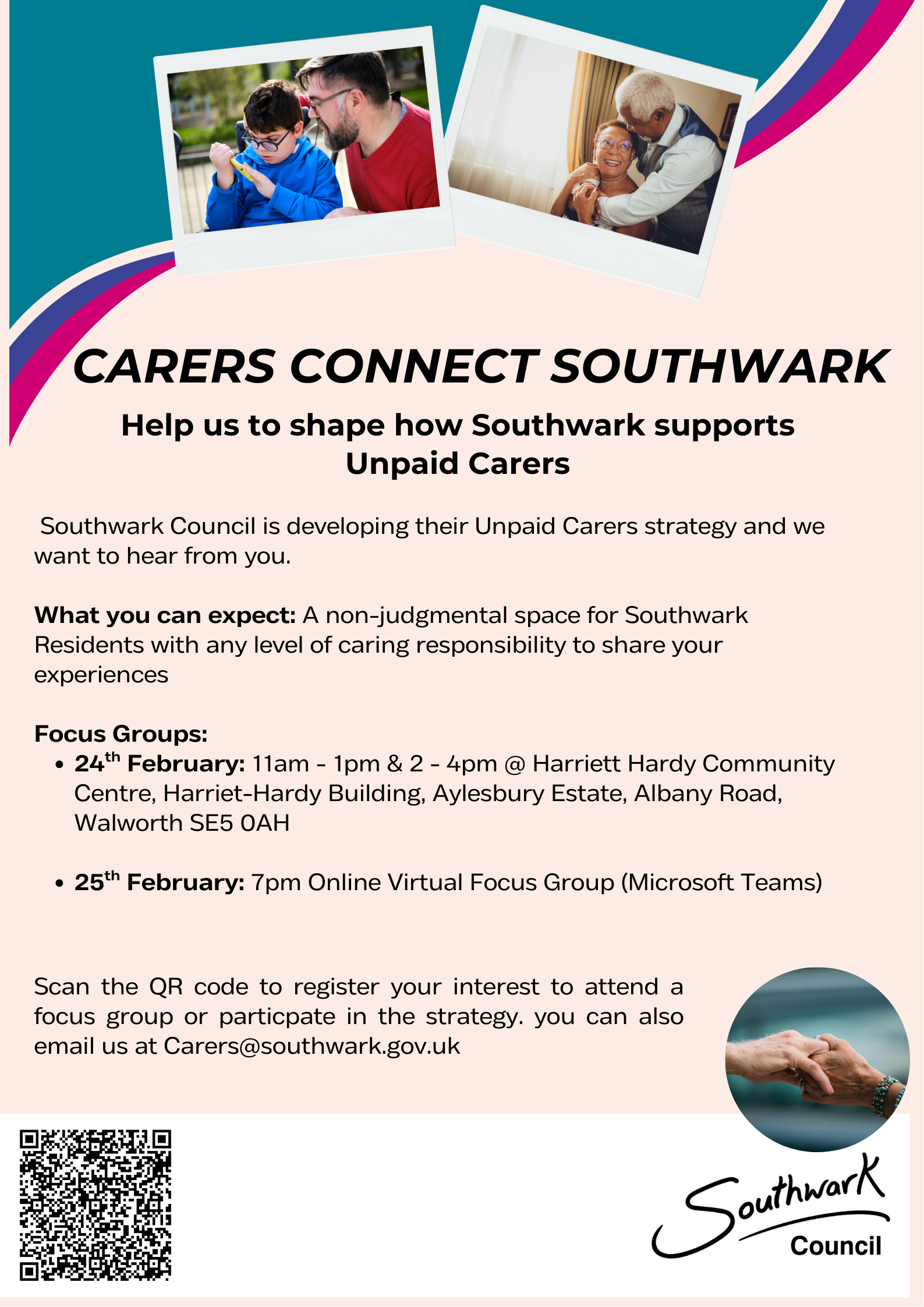
Southwark Council is developing its Unpaid Carers Strategy, and they are inviting unpaid carers to take part in upcoming focus groups to share real experiences, which are your lived reality.
As an unpaid carer myself, I know how rare and valuable this opportunity is.
Why having your say is important because
Policies and strategies shape:
What support is available
How easy (or hard) it is to access help
Whether carers feel recognised, supported, and understood
When carers don’t speak up, systems are built around us, not with us. When we do speak up, its a chance to make change becomes possible.
This isn’t about complaining. It’s about being honest: what works, what doesn’t, and what would genuinely make life easier for carers in Southwark.
Your voice could help shape:
Better access to information and services
More flexible, carer-friendly support
A strategy that reflects the real pressures carers face
A safe, non-judgemental space
One of the most important things about these focus groups is that they are designed to be:
Non-judgemental
Inclusive
Open to carers with any level of responsibility
You don’t need to have all the answers. You don’t need to be an “expert”. You just need your experience.
Whether you care full-time, part-time, occasionally, or don’t even label yourself as a “carer” your perspective still counts.
Focus group dates and details
In-person focus groups 📅 24th February ⏰ 11am – 1pmand2pm – 4pm 📍 Harriet Hardy Community Centre Harriet-Hardy Building, Aylesbury Estate, Albany Road, Walworth SE5 0AH
Online focus group 📅 25th February ⏰ 7pm 💻 Virtual session via Microsoft Teams
How to get involved
You can:
Scan the QR code on the flyer shown above my blog to register your interest
By Matthew McKenzie, Co-Facilitator – SW London Carers Forum
About the South West London Carers Group
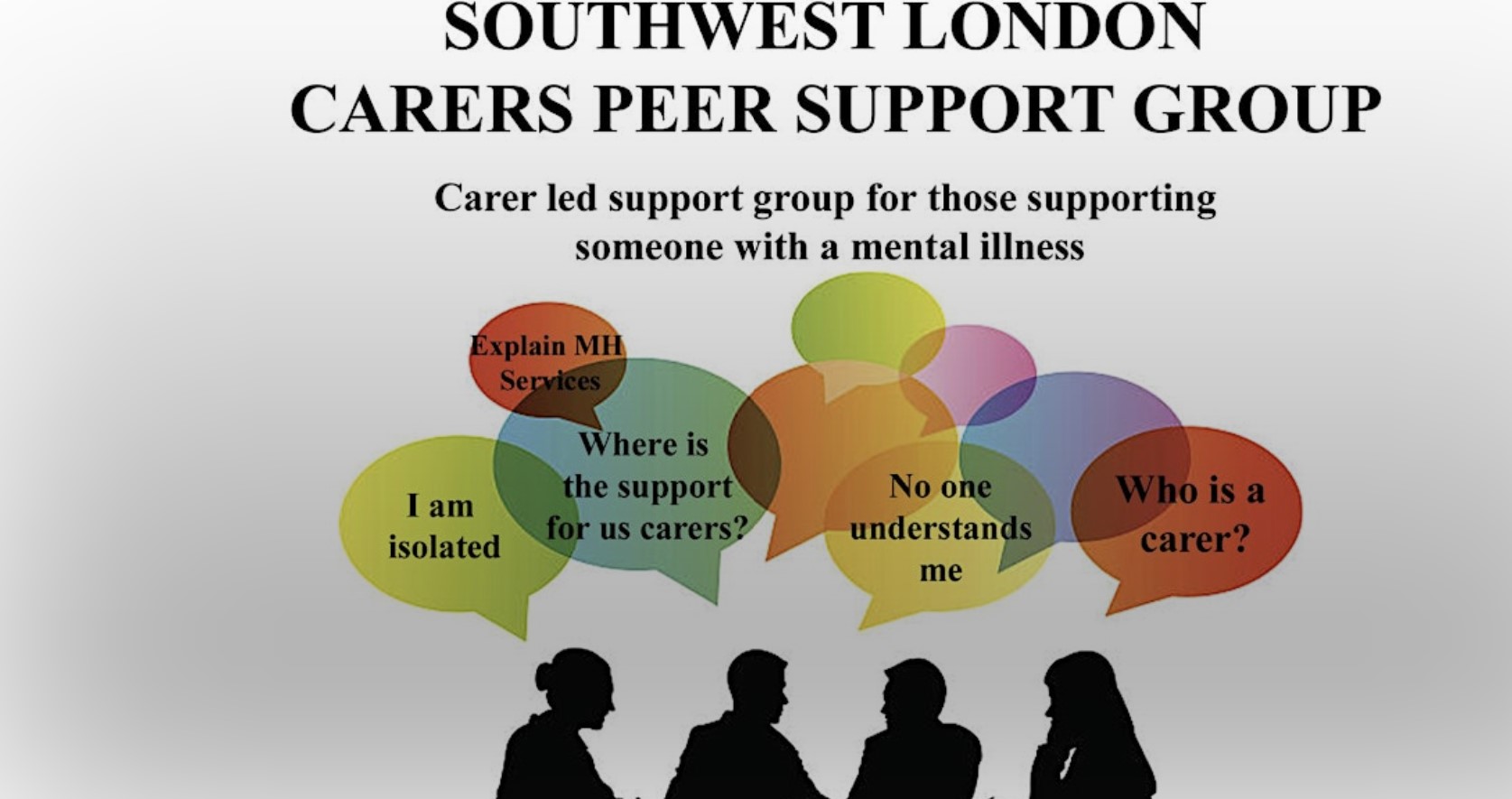
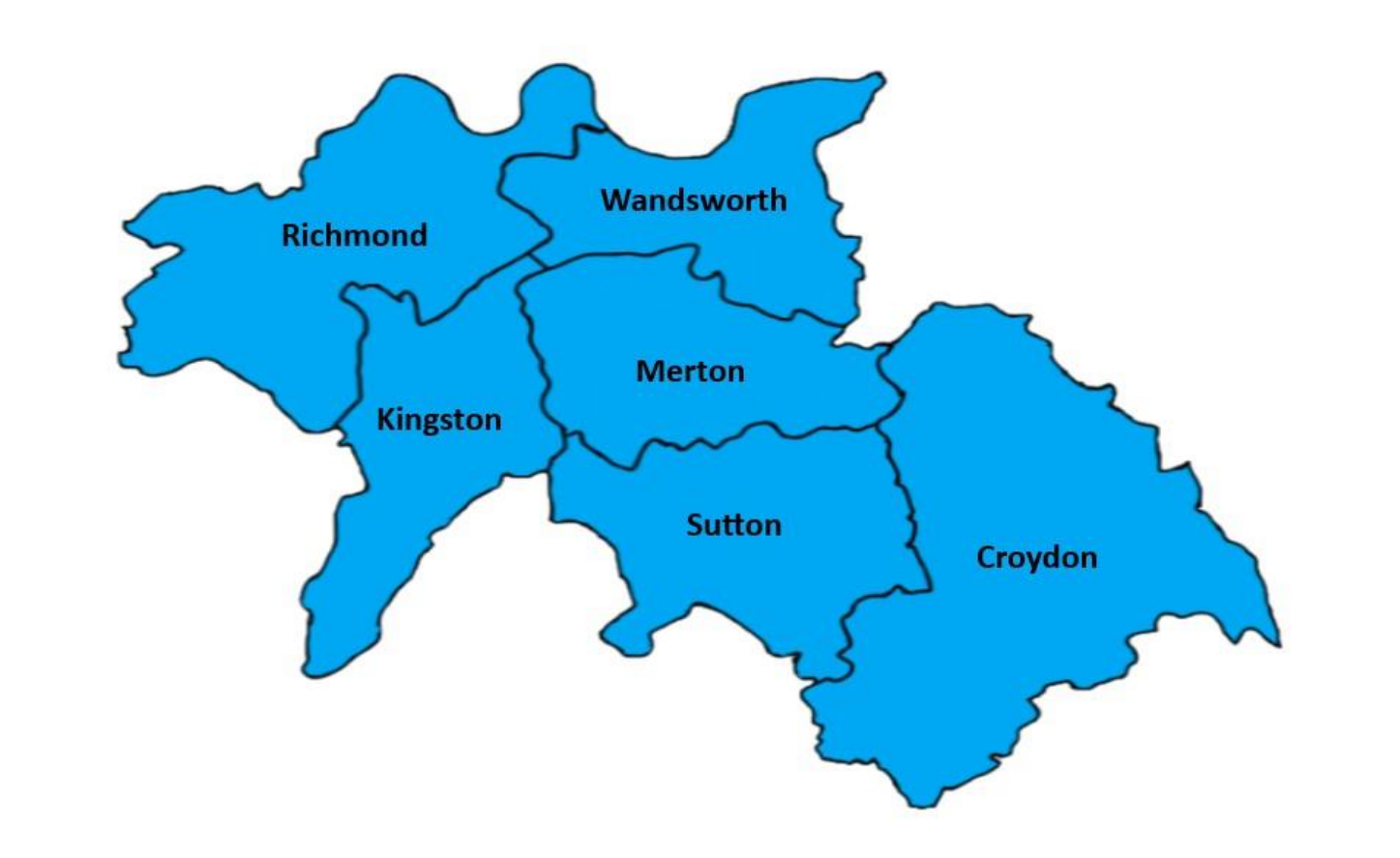
The South West London Carers Group brings together unpaid mental health carers from across the boroughs of Sutton, Merton, Wandsworth, Richmond and Kingston, to share experiences, gain peer support, and stay informed about local health and social care developments.
The group provides a safe and welcoming space where carers can discuss the challenges of supporting loved ones particularly those with long-term conditions or mental health needs while also learning from guest speakers, professionals, and each other. Co-facilitated by myself, the forum plays an important role in making carers’ voices heard and strengthening connections between carers and local NHS, mental health, and community services.
Our November South West London Carers Group meeting brought one of the most informative sessions we’ve had all year. We were joined by Dalvinder, the Patient Experience Lead for NHS 111, who provided a thorough and eye-opening look at how the 111 urgent care service really works, what carers can expect, and how the system is evolving.
Dal’s role involves reviewing patient feedback, monitoring the quality of calls, and ensuring that the service remains compassionate, safe, and responsive. He also regularly meets with community groups, like ours to raise awareness of what 111 can offer.
24/7 Telephone Assessments
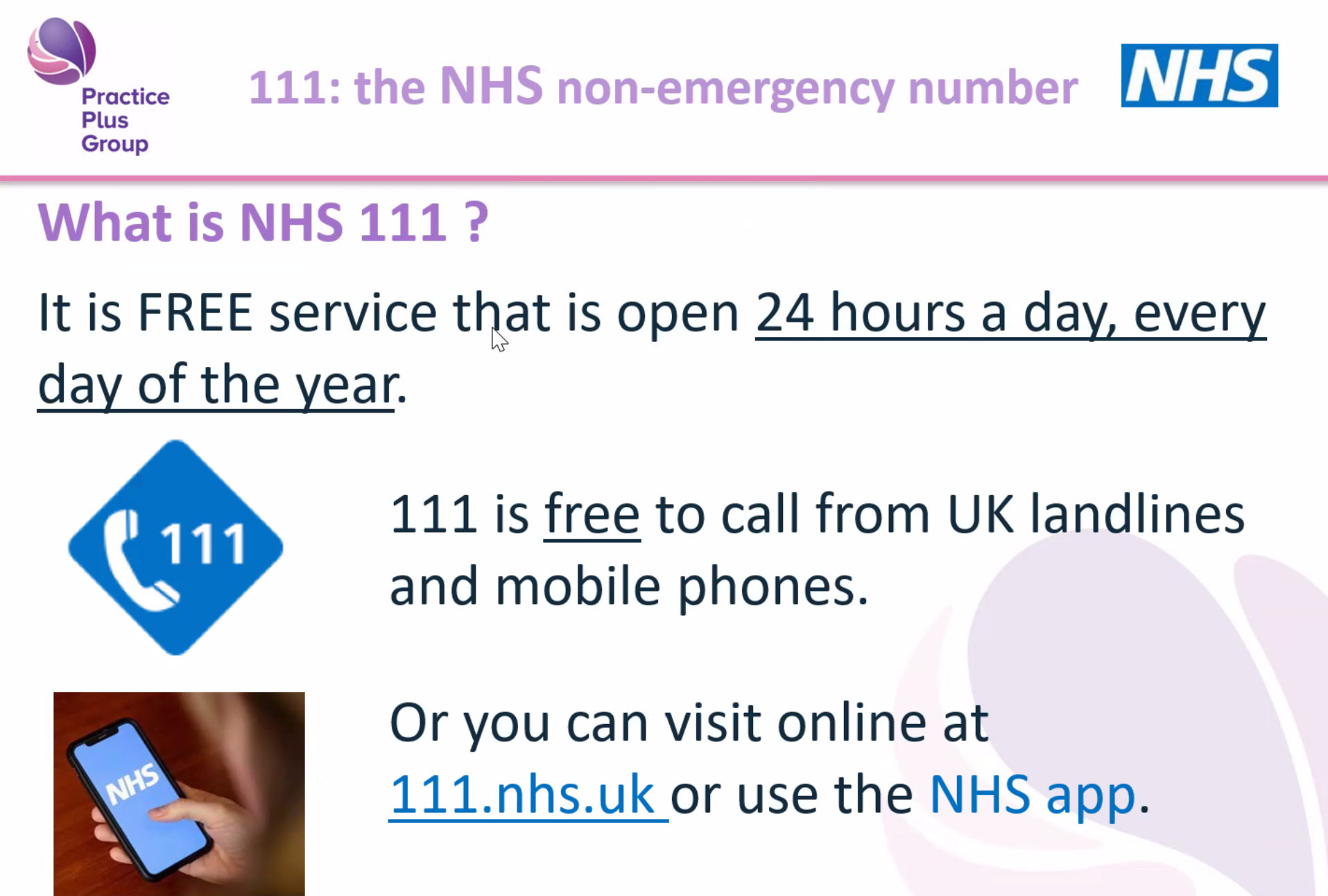
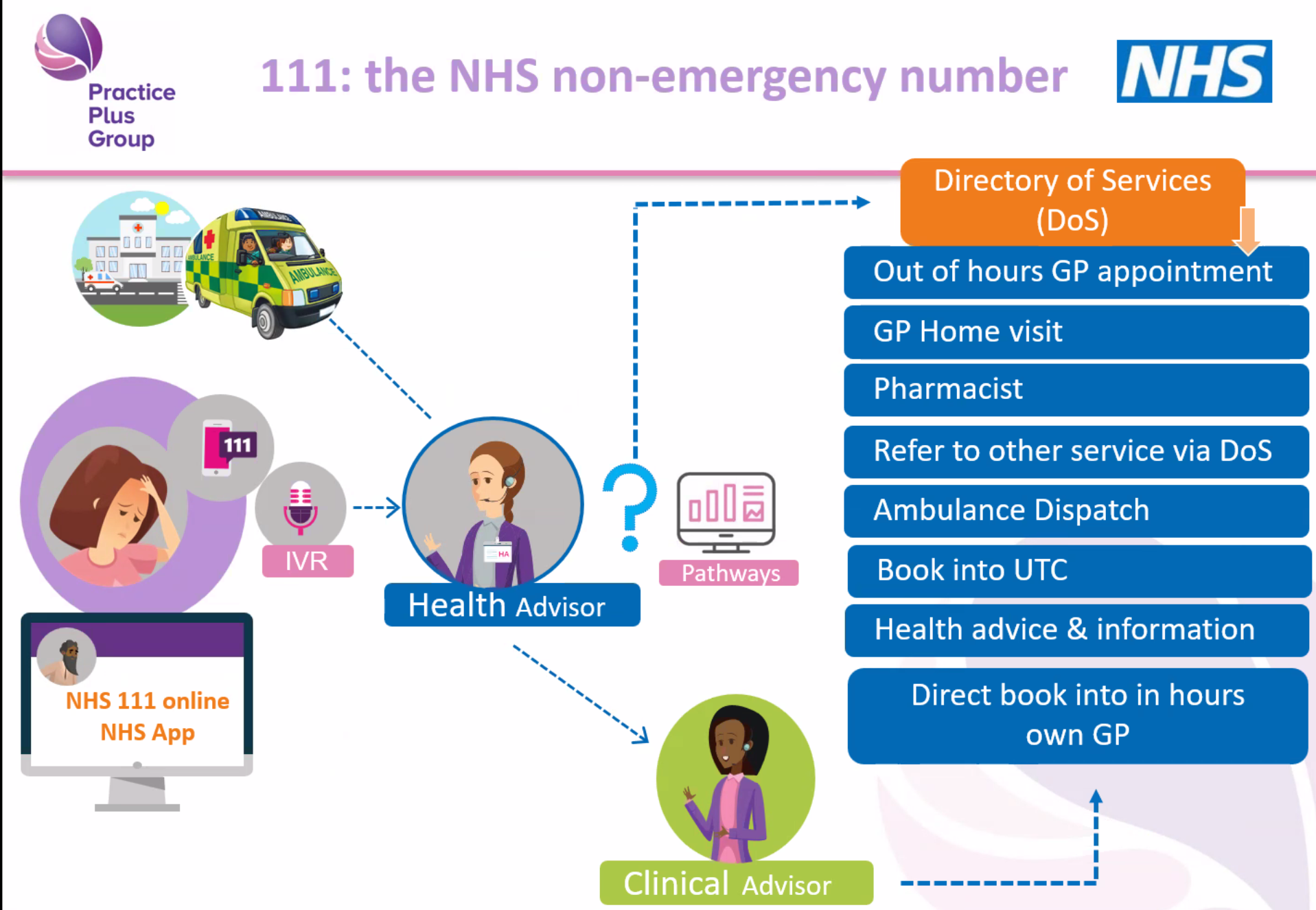
Dal opened by reminding us that NHS 111 operates 24 hours a day, 365 days a year, and never closes. The telephone assessment is often the first point of contact, and callers speak to a trained health advisor who uses the NHS Pathways system to ask structured questions. This ensures the call handler can rule out serious issues and direct the caller to the right service quickly. Dal emphasised that while questions can feel detailed or repetitive, each answer opens or closes clinical “pathways,” helping the system determine the safest next step.
GP Home Visiting (Evenings, Overnights, Weekends)
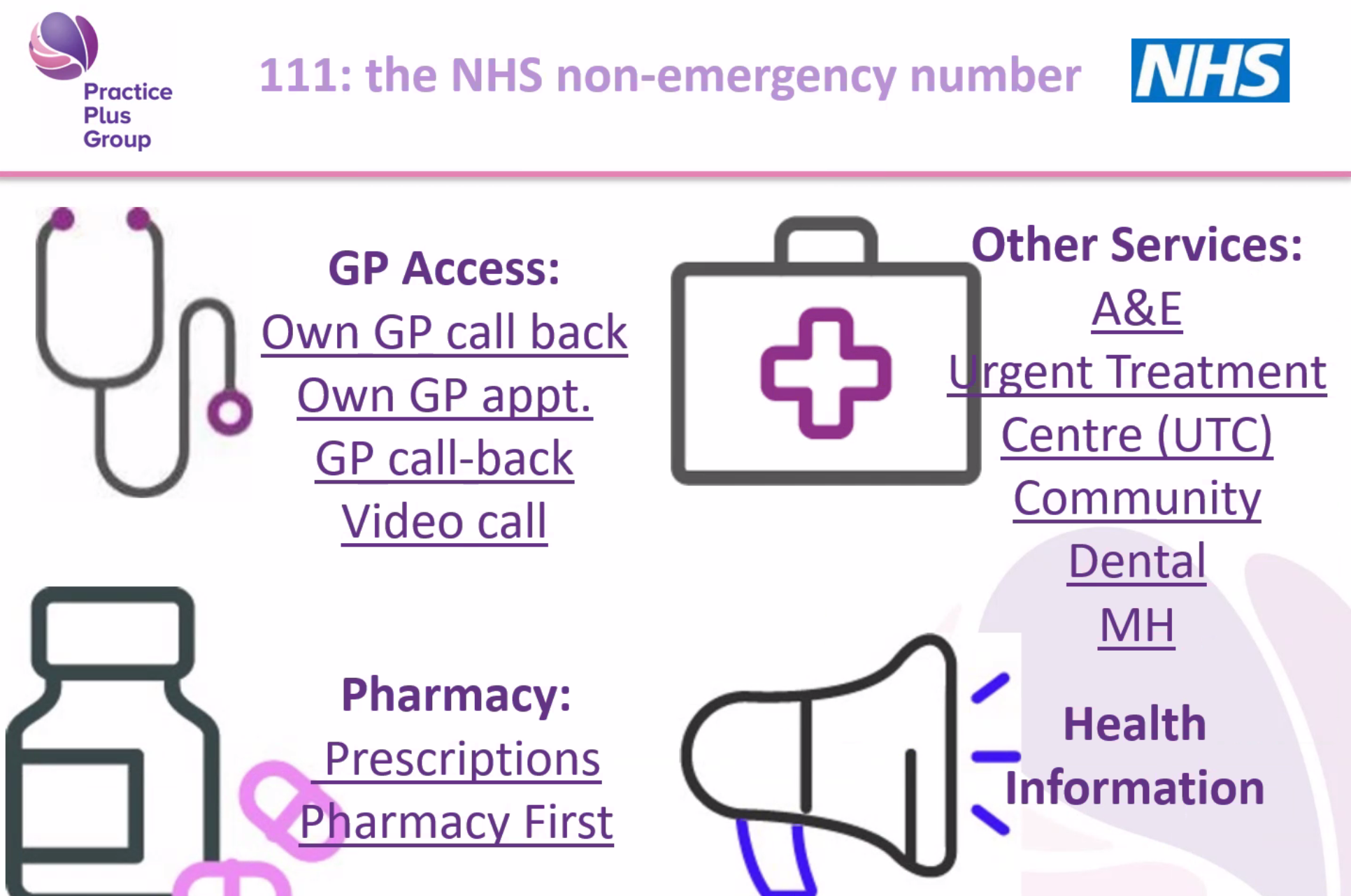
One of the biggest surprises for many carers was learning that NHS 111 has a GP home visiting service, specifically for times when GP surgeries are closed weekday evenings, overnight, weekends, and bank holidays. This service is intended for people who cannot safely travel, including those with mobility issues, caring responsibilities, or urgent health needs that don’t require hospital care. If a home visit is determined to be appropriate, a GP working for 111 can visit in a dedicated GP car and may provide medication on the spot or issue prescriptions if needed.
Primary Care Clinics (PCCs) – Same-Day Appointments via 111
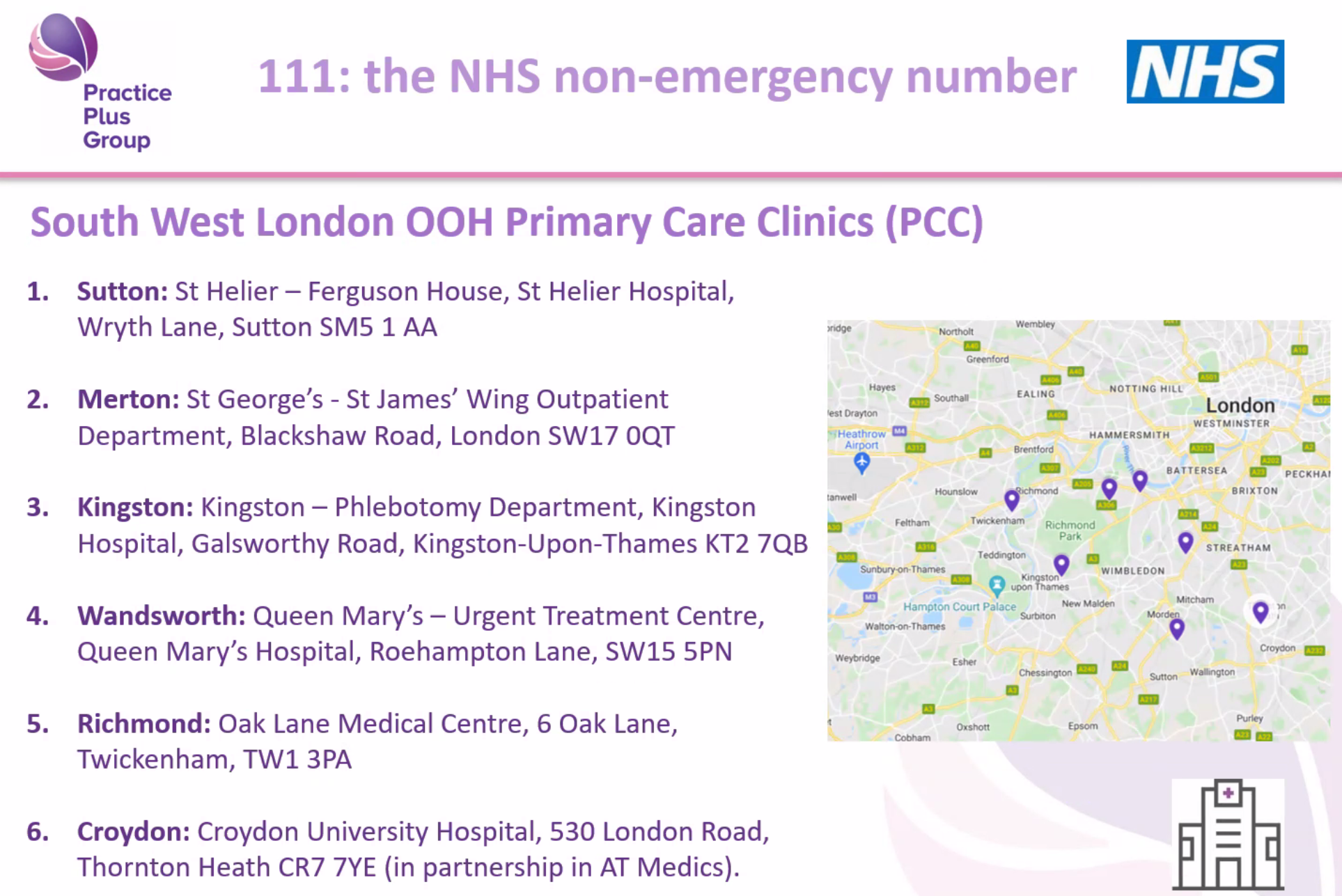
Dal also explained the role of Primary Care Clinics (PCCs) located across South West London. These clinics operate outside normal GP hours and can see patients the same day—but crucially, access is by 111 referral only. If 111 decides that someone needs to see a GP face-to-face and can travel, they may be booked into a PCC appointment. Carers learned that you cannot walk into these clinics directly; 111 must assess the situation and confirm the appointment. This helps manage demand and ensures that appointments go to those who need them most urgently.
The Expanding Role of Pharmacies and “Pharmacy First”
Another major theme was the evolving role of pharmacies in urgent care. Dal explained that pharmacists are highly trained professionals—more trained than many realise—and 111 can now direct callers to pharmacists for assessments, repeat prescriptions, and urgent medication needs. The Pharmacy First scheme allows some pharmacies to provide consultations and treatment in private rooms for a range of minor illnesses. 111 can also arrange emergency prescription access if someone runs out of routine medication while travelling, provided the medication is part of their regular treatment.
Arranging Call-Backs From Your Own GP
In certain situations, NHS 111 can request that your own GP practice contacts you, especially for non-face-to-face issues such as renewal of regular medication, questions about paperwork, or administrative needs. While GP appointment slots reserved for 111 are limited and fill quickly, the service can still send urgent notifications to GP surgeries when clinically necessary. Dal encouraged carers to mention when the need is time-sensitive so the system can prioritise appropriately.
Mental Health Support via 111 Option 2
One of the most important updates for mental health carers was the introduction of 111 Option 2, currently being trialled across London. When callers choose this option, the call is diverted away from standard 111 and straight to local specialist mental health teams, who can assess issues such as relapse, agitation, distress, changes in behaviour, or crises at home. Dal emphasised that while 111 is not a specialist mental health service, Option 2 ensures that people with mental health needs receive expert support. Data from the pilot is expected next year, and Dal offered to return to share the outcomes.
What We Learned About NHS 111
Many carers know the NHS 111 number exists, but few realise the range of services behind it. Dal explained that 111 is a free, 24/7 service (including weekends and holidays) designed for urgent health concerns that are not life-threatening.
Many carers commented that they had no idea 111 provided such a broad range of services.
Questions From Carers
Carers asked many thoughtful and practical questions during the session, including:
1. Mental Health Crises
A carer asked how 111 responds to mental health emergencies, particularly when someone becomes distressed, unwell, or difficult to support at home.
Dal explained that 111 itself is a generic urgent care service, but Option 2 sends callers straight to trained mental health professionals, who can triage cases such as relapse, agitation, or risk concerns in a more specialist way.
2. Access to Medical Records
A question was raised about whether 111’s clinicians can view a patient’s medical history.
Dal clarified that clinicians have access to the Summary Care Record, containing essential medical information, medications, conditions, and recent interactions—if the caller gives consent.
3. Home Visiting Times and Coverage
Carers asked about response times and geographical limits.
Dal explained that SW London is fully covered, though travel times vary depending on the area and how busy the service is. Home visiting is evenings, nights, and weekends only.
4. Staffing Levels and Training
One question focused on whether call handlers are medically trained.
Dal shared that 111 employs 180 health advisors in SW London—non-clinical staff who have completed an intensive six-week training program. They follow the NHS Pathways system and are supported by clinical advisors (GPs, nurses, paramedics) who can join or take over calls when needed.
5. Using 111 When Travelling
A carer asked about getting medication while away from home.
Dal explained that 111 can arrange for prescription collections at pharmacies in another part of England, which has helped many travellers who forget medication.
6. Hearing Impairment and Accessibility
There was interest in support for people who cannot make phone calls.
Dal confirmed services such as text relay, online 111, and the NHS App, all of which improve accessibility for carers and patients with additional needs.
Carer Reflections and Experiences
Several carers shared personal experiences both positive and challenging. One described how 111 triage was vital when they urgently needed treatment for a severe infection, while another discussed difficulties when GP surgeries didn’t always respond quickly to reports sent by 111. These real stories helped emphasise how important it is for carers to know when and how to use the service, and how essential accurate information is during triage.
Key Tips Dal Shared for Carers
Give as much information as possible, including social factors such as caring responsibilities, mobility challenges, or inability to travel.
Stay with the person you’re calling about, as the call handler will ask you to check symptoms in real time.
Tell 111 if symptoms change—this can alter the urgency and outcome.
Always keep your phone nearby when waiting for a callback; 111 will try only three times.
Don’t hesitate to call again if you’re unsure or worried.
Closing Thoughts
The session was incredibly well-received. Many carers said they learned things they never knew, even though they had used 111 before. Dal’s openness and honesty—both about what the service can do and what its limitations are—made his presentation especially valuable.
As co-facilitator, I (Matthew McKenzie) will continue to share information like this to help carers navigate local health services more confidently. We hope to invite Dal back once the evaluation of 111 Option 2 (mental health) is published, we also have a keen interest on what the ICB is doing especially regarding carer involvement.
On this year’s Carers Rights Day 2025 (Thursday 20 November), the theme is “Know your rights, use your rights.”
If you care for someone, whether it’s a partner, parent, child or friend; you may be missing out on vital support simply because you didn’t realise you have rights as a carer.
In my new video I walk you through what those rights actually are, and how you can use them in practice.
In this video you’ll discover:
Why recognising yourself as a carer matters
Key rights every carer should know (from assessments to flexible working)
How to make use of those rights in your daily life
Where to go for help, guidance and support
Click the link, take two minutes, and empower yourself today.
By Matthew McKenzie – Carer activist and facilitator of the group
The group is a community of carers in Lambeth, Southwark and Lewisham that exists to provide support, advocacy, and connection for people looking after loved ones living with mental illness. It brings together unpaid carers of all ages and backgrounds to share experiences, learn from one another, and build confidence in dealing with health and social care professionals. A core part of its mission is reducing isolation by creating a safe space where carers can speak openly, develop skills, and access practical resources like advocacy services.
The meeting began with introductions and updates from various participants, including myselff where I discussed work with London Hospitals and the NHS app, while other carers introduced themselves to the group. In attendance was Tama from PohWer presented information about carer complaints and support services across different regions, including discussions about the potential impact of Healthwatch’s dissolution on patient and carer support services.
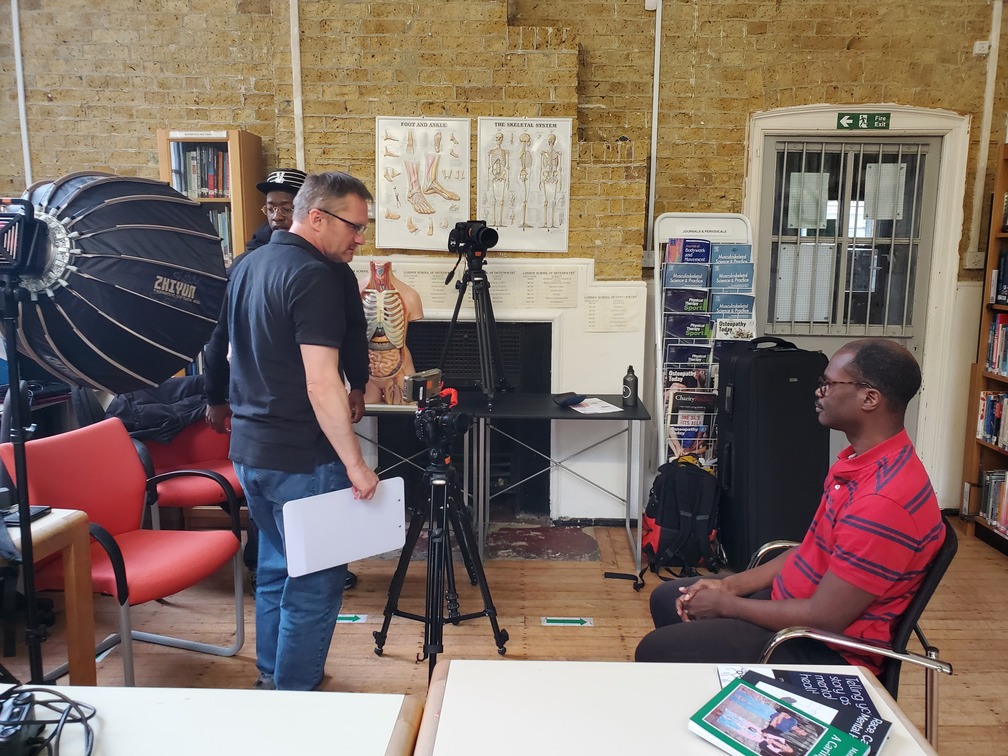
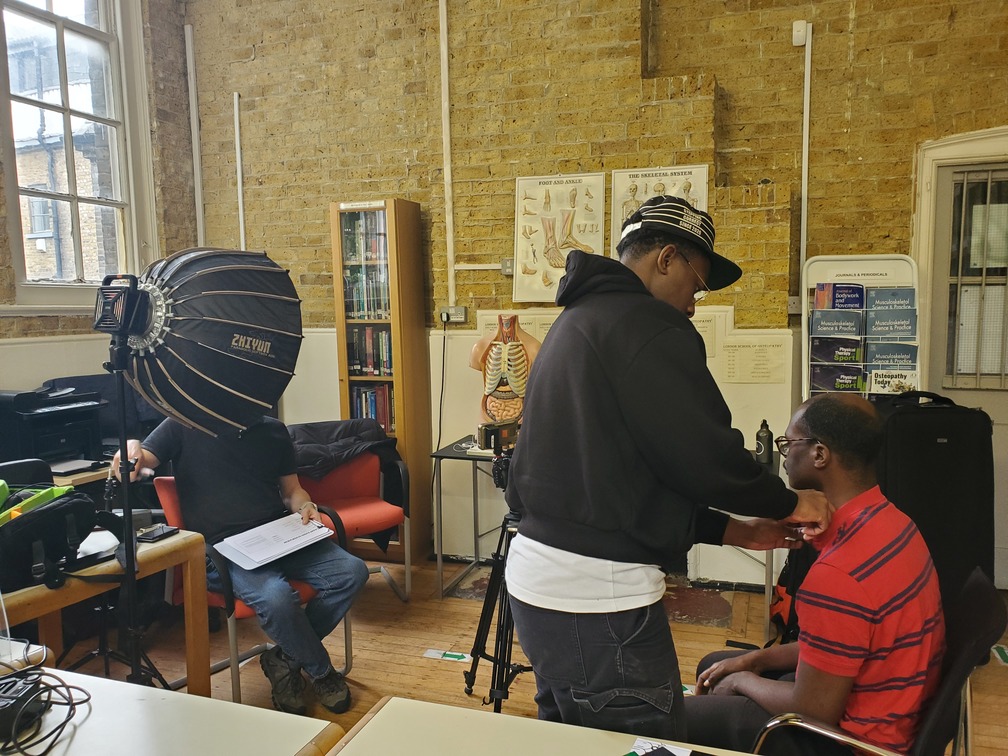
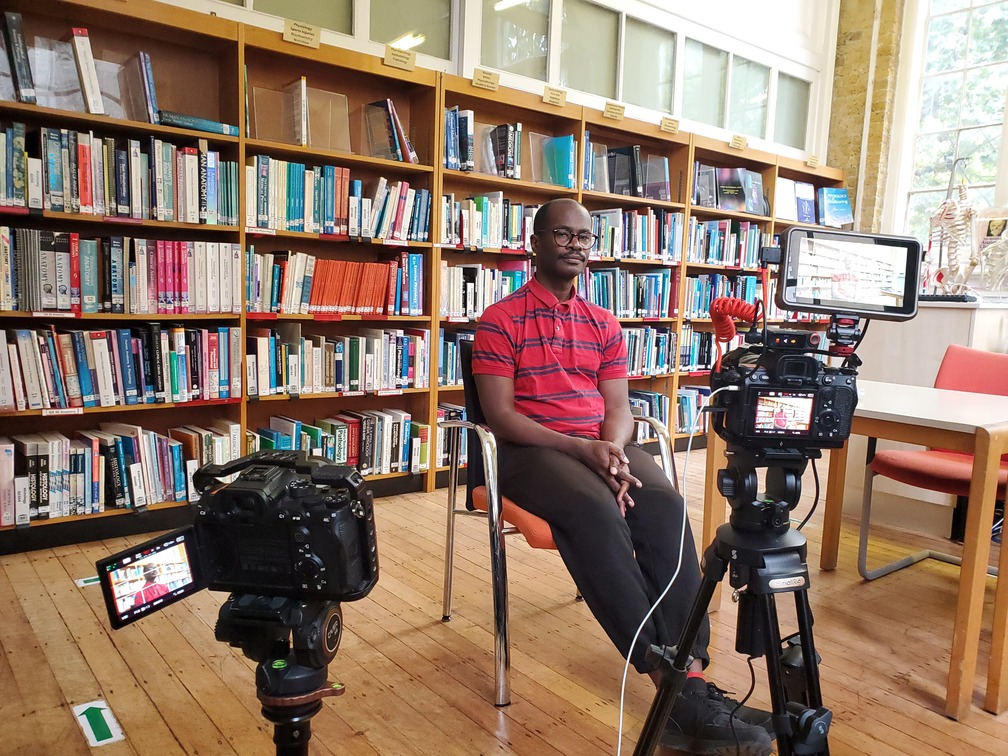
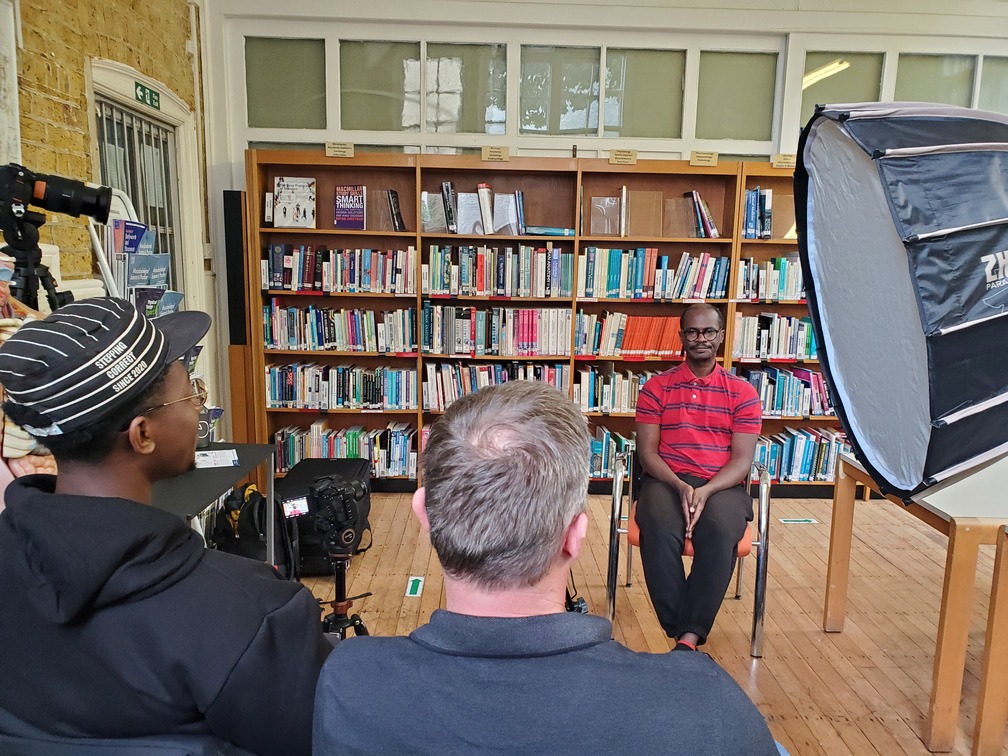
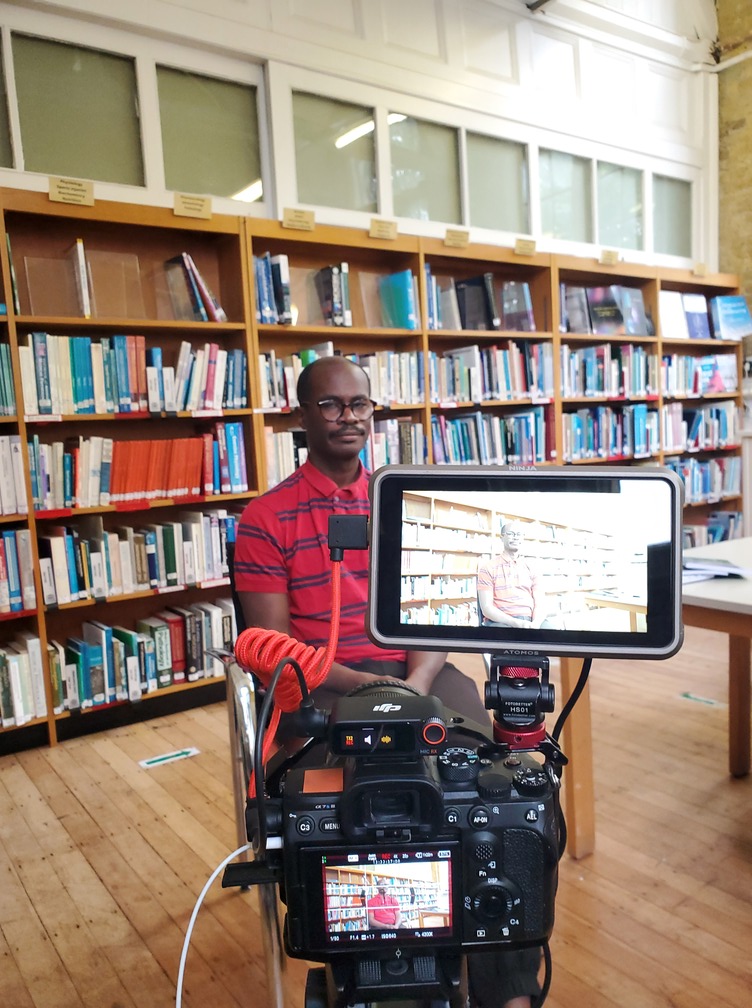
Today I had the opportunity to be interviewed for the Specsavers Carers Hub, a platform that shares real stories, advice, and support for those who dedicate their lives to caring. It was a chance to reflect not only on my role as a carer but also on the deeper themes of healing, connection, and creativity that shape my journey.
Telling My Story
As someone with lived experience of caring for my mother and brothers, I know first-hand how demanding and emotional the role of an unpaid carer can be. I shared their story through my words and memories.
Speaking on camera about my caring role reminded me why visibility matters. Carers often go unseen, yet carer voices hold the power to inspire change, raise awareness, and remind others that they are not alone.
The Importance of Self-Healing
One of the most important parts of my journey has been recognising the need for self-care and self-healing. Carers often put the needs of others before their own, but to continue supporting loved ones, we must nurture our own wellbeing. Whether through reflection, community, or creative outlets, finding ways to heal is not selfish.
Connecting with Carers
During the interview, I spoke about the importance of connection. Meeting other carers, whether through groups, campaigns from Carers UK, or online spaces, brings a sense of solidarity. I wont say much about the interview, you will need to watch the video when it is released.
The Power of Poetry and Words
For me, poetry has always been a form of healing. Writing and performing allows me to give shape to emotions that are often hard to express. In the beginning of my caring journey, words were painful, but after a while words can be medicine they can validate, soothe, and inspire both writer and listener.
A Special Thanks to Specsavers
I couldn’t end without mentioning the role my Specsavers glasses played in my journey. Whether it’s writing late into the night, reading the works that inspire me, or standing up to perform poetry, my glasses have been an essential tool.
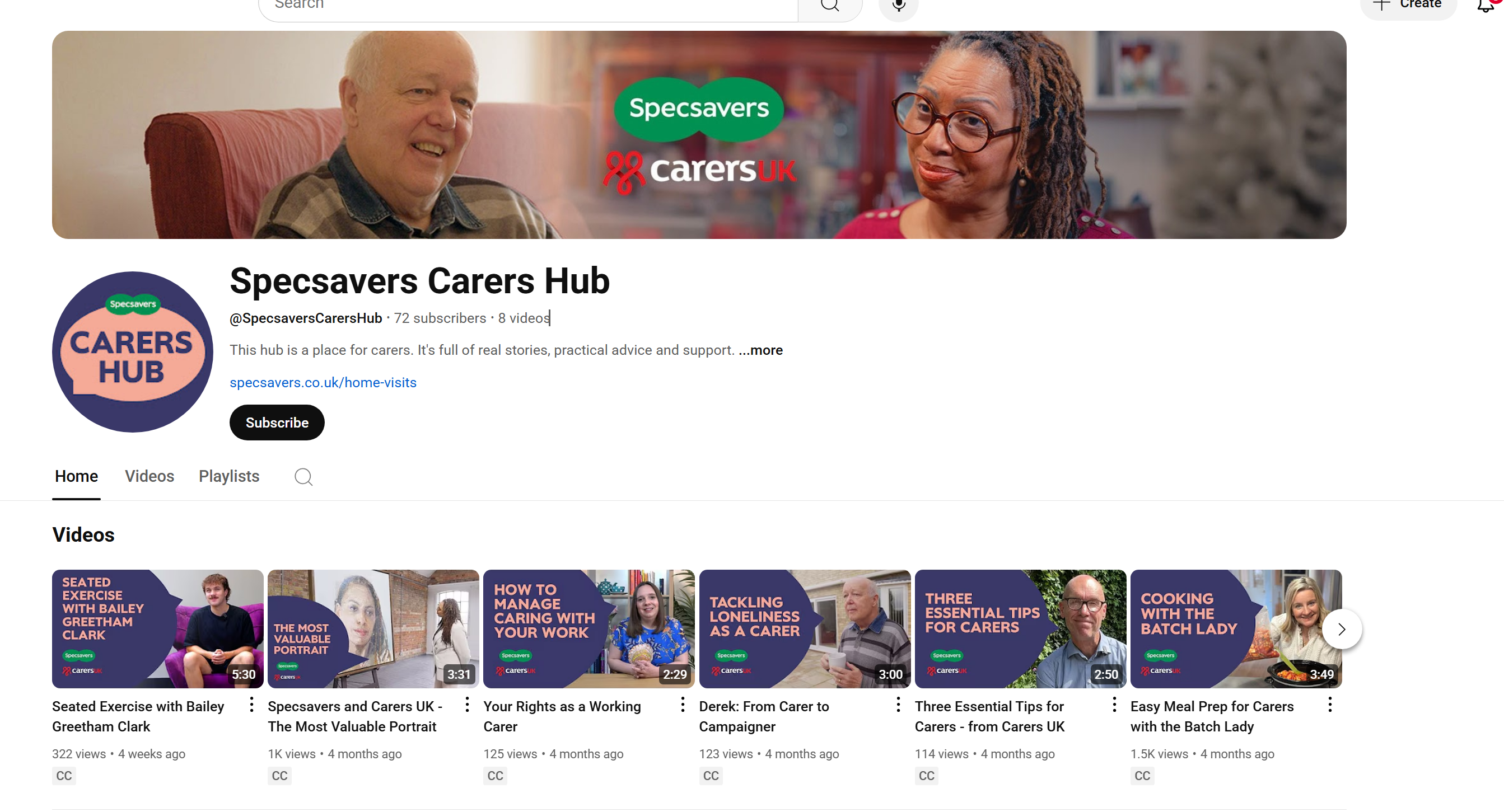
To check out previous carer stories, please viset the Specsavers Carers Hub below.
The meeting focused on introductions and updates from various organizations supporting unpaid carers across London. Matthew McKenzie facilitated the session, introducing participants from different boroughs and organizations, including
North Central London Carer Support Project (covering Barnet, Haringey, Camden, Enfield, and Islington)
The PSE (supporting South East London local authorities: Bexley, Bromley, Lambeth, Lewisham, Greenwich, and Southwark)
Richmond Borough Mind
Richmond Carers Centre
Kingston Carers Network
St George’s, Epsom and St Helier Hospital Group
Sutton Carers Centre
Carers Hub Lambeth (supporting unpaid carers, with hospital carers leads at King’s College Hospital and Guy’s & St Thomas’ Hospital)
Lewisham carers services (Imargo service manager)
Apologies from
Bromley Wells Bexley Carers Support Greenwich Carers Ealing Carers Partnership Tower Hamlets Carers Centre
NHS England updates including Universal Care Plan Updates
A representative from NHS England highlighted good news about the Hospital Discharge Toolkit, which had been originally developed in London by Debbie Hustings. The toolkit has already been adopted across much of southwest London with strong results. Recently, all NHS regions were asked to contribute work on hospital discharge, focusing particularly on carers’ experiences. When this went up to the Executive Quality Board at the national level, the London toolkit received recognition. The recommendation that came back was that all regions should develop something similar they could adopt London’s version directly or tailor one for their own needs. The representative stressed that this kind of recognition is significant because it helps the toolkit be taken more seriously and provides momentum for further rollout
By Matthew McKenzie – Carer poet and Carer activist
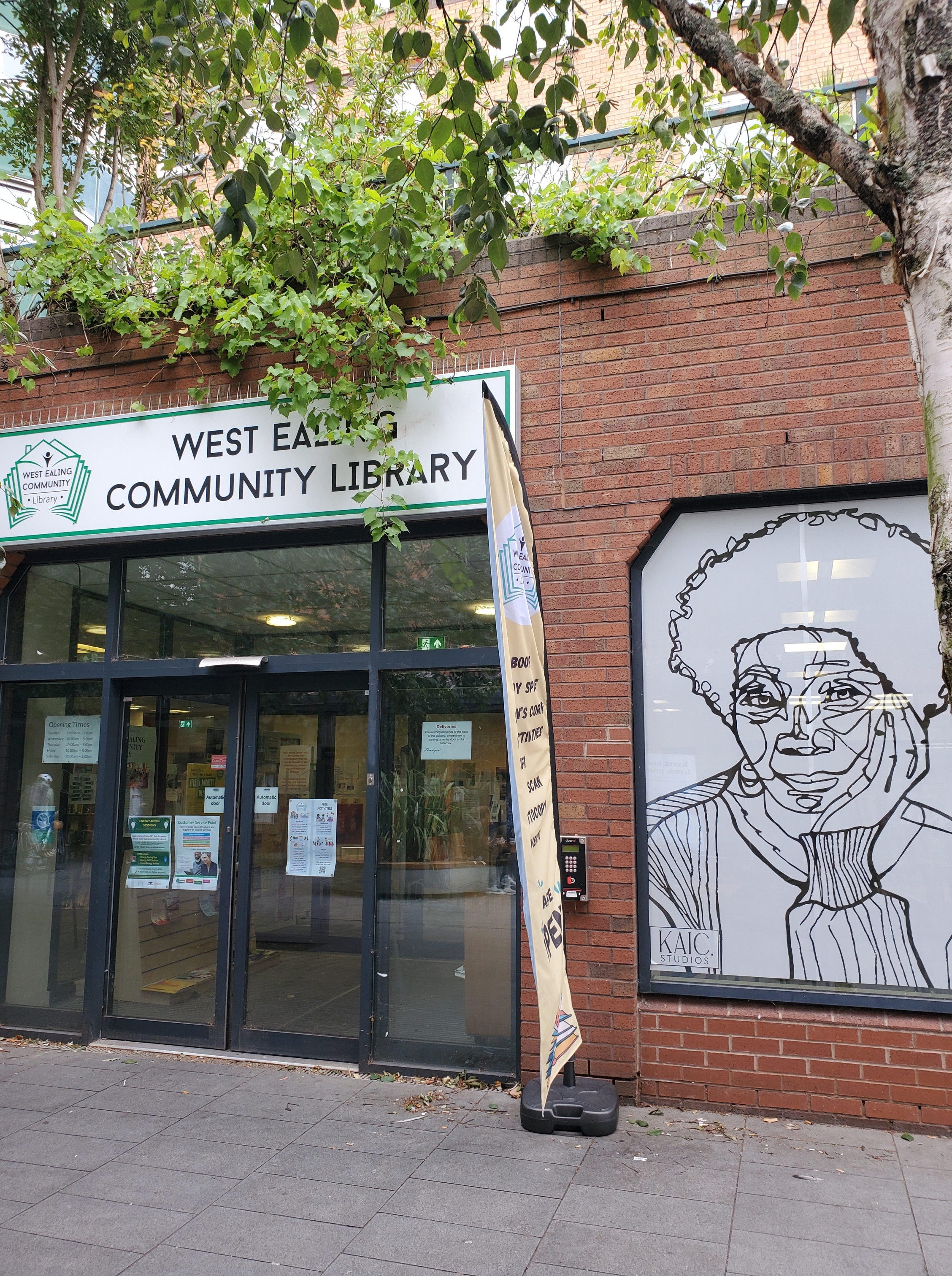
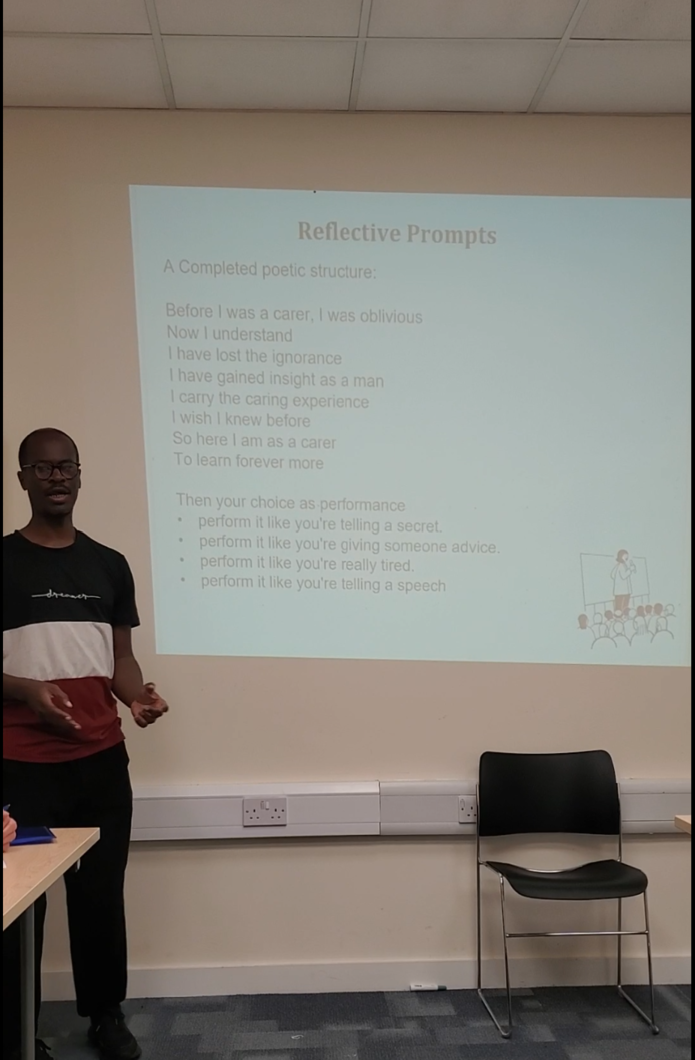
On the 18th of September, West Ealing Library once again became a hub of creativity, reflection, and connection as carers gathered for our second poetry workshop. Guided by carer activist and writer Matthew McKenzie, the session offered not just writing prompts, but a safe and supportive space to explore the healing power of words.
Poetry as Expression and Healing
The morning began with Matthew sharing his personal journey from caring for his mother living with schizophrenia, to writing books on mental health and carer experiences, and now using poetry as a tool for both advocacy and self-expression.
For many carers, life can feel isolating, exhausting, and invisible to wider society. Poetry offered participants a way to give voice to those emotions. As I reminded carers, “Poetry gives shape to what’s hard to say” — even if it’s just a few lines scribbled on paper, those words can carry truth, comfort, and even influence change.
The meeting facilitated by Matthew McKenzie began with introductions from participants and updates on various carer support initiatives, including forum mergers and NHS plan changes.
Local council strategies and initiatives were discussed across different boroughs, with particular focus on Lambeth and Southwark’s carer support plans and the development of a carer’s forum in Lewisham. The group explored challenges faced by carers, including access to primary care and the need for better coordination, while discussing recent conferences and upcoming events aimed at supporting and advocating for carers’ rights.
Lewisham Carers Strategy and Service Updates
Lewisham is currently refreshing its Carers Strategy to strengthen support for unpaid carers and improve access to local services. The focus is on ensuring carers are included in decision-making through co-production and collaboration with the council, health providers, and community organisations. A major priority is improving well-being services, providing better information, and ensuring carers know their rights under the Carers Leave Act.
As part of wider NHS reforms, Lewisham is moving towards a neighbourhood-based care model designed to bring services closer to local communities. While this aims to make access more seamless, carers raised concerns about inconsistent GP access, gaps in communication, and challenges navigating between boroughs when supporting loved ones. The forum highlighted the importance of better coordination between primary care, hospital discharge planning, and mental health services to ensure carers are recognised and supported.
Lambeth Carers Strategy Refresh
Lambeth is currently refreshing its Carers Strategy with the aim of improving services, increasing visibility, and ensuring carers have a stronger voice in decision-making. The updated strategy focuses on key priorities such as well-being, access to assessments, respite options, and workforce training for those supporting unpaid carers.
There was a particular focus on improving support for mental health carers in Lambeth. The Carers Hub Lambeth team continues to facilitate peer support groups and collaborates closely with the South London and Maudsley NHS Foundation Trust to ensure carers are recognised as partners in care planning. Initiatives like Triangle of Care are gaining momentum, emphasising better communication between professionals and families while creating pathways for carers to get involved in shaping local mental health services.
Carers Hub Lambeth also celebrated the growing range of community-based activities available for carers and families in Lambeth. Over the summer, there have been several events designed to support young carers, including trips, tours, and group workshops aimed at helping them connect with others and access emotional support. These initiatives are part of Lambeth’s broader goal to make sure younger carers, who are often overlooked, receive the help they need both at home and within education.
One of the key upcoming events for Lambeth carers is the Lambeth Carers Strategy Event taking place on 25th September 2025 at 336 Brixton Road. The session will bring together carers, professionals, and decision-makers to review plans, share ideas, and set priorities for the future. Carers are strongly encouraged to attend to ensure their voices are heard and to take part in shaping the borough’s action plans moving forward.
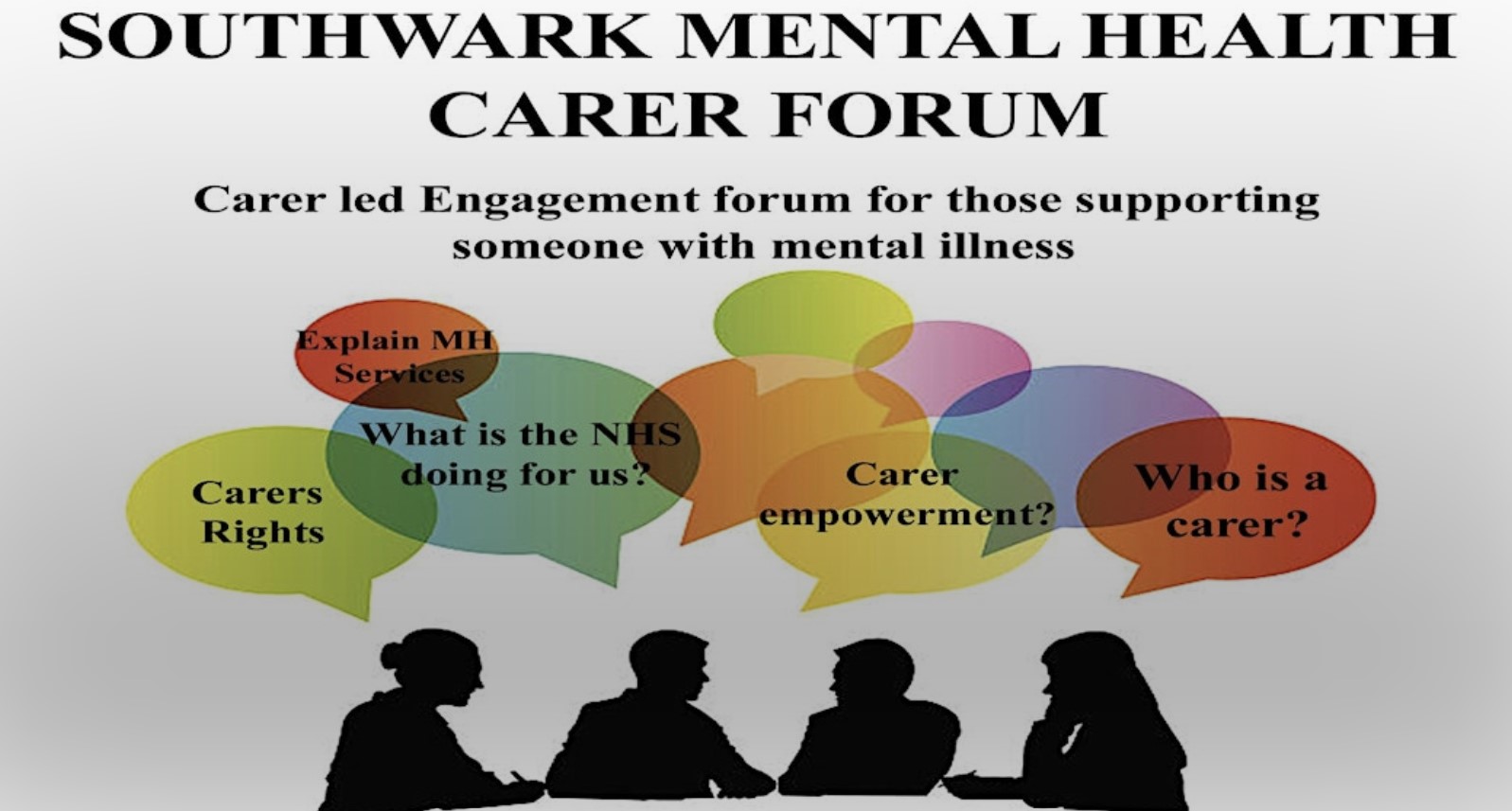
Southwark Council Carers Support and Strategy Group
Matthew fed back on how Southwark Council continues to strengthen its approach to supporting unpaid carers, with a growing emphasis on improving access to information, assessments, and respite services.
The Unpaid Carers Strategy Refresh is a project running from August 2025 to April 2026, led by Southwark Council in collaboration with Adult Social Care, the NHS, local voluntary groups, and unpaid carers themselves. The plan focuses on improving support for carers by updating evidence on local needs, strengthening engagement with seldom-heard groups, and mapping gaps in current services.
Key priorities include better access to respite care, enhanced referral pathways, stronger partnerships with health services, and improved inclusion of young carers, carers with disabilities, and LGBTQ+ carers. The initial phase, from August to October, involves reviewing existing strategies, mapping current services, gathering insights through focus groups and surveys, and benchmarking against national policies and neighbouring boroughs.
The forum highlighted the importance of co-production, ensuring that carers are actively involved in shaping local strategies and service priorities.
Update on Key Themes from the final NHS England Carers Conference
Matthew highlighted that the 2025 NHS England carers conference placed a strong emphasis on recognising unpaid carers as essential partners in delivering effective healthcare. The NHS stressed its commitment to involving carers in shaping services and policies, ensuring their voices are reflected at every stage of decision-making. There was a clear acknowledgement that without unpaid carers, many health and social care systems would face significant pressure.
You can watch the conference below.
A major focus was on the NHS’s shift towards neighbourhood-based care models designed to bring services closer to communities. Matthew explained that this change aims to improve coordination between GPs, hospitals, and mental health services, but he also highlighted concerns raised about fragmented communication and the risk of carers being left out of local planning. Carers at the conference called for better access to information and more joined-up pathways across boroughs.
The conference also featured interactive workshops and discussion groups focused on co-production, digital innovations, and addressing inequalities among carers. Specific sessions explored improving support for young carers, carers from minority backgrounds, and those supporting loved ones with mental health needs. The event closed with a call to action for stronger collaboration between carers, NHS teams, local authorities, and community organisations. Attendees were encouraged to get involved in upcoming forums and engagement opportunities to help shape future services and ensure carers’ voices are at the heart of decision-making.
Matthew shared updates on national policy developments discussed at the conference, including the Carers Leave Act and commitments to expanding access to respite, assessments, and flexible working rights. There was also a discussion about new digital tools and support platforms designed to make it easier for carers to connect with professionals and access resources. However, many attendees expressed concerns that these initiatives need proper funding and training to work effectively in practice.
By Matthew McKenzie – Carers UK volunteer & Ambassador
As a poet and carer of lived experienced, I always try and listen to other poets when I get the chance.
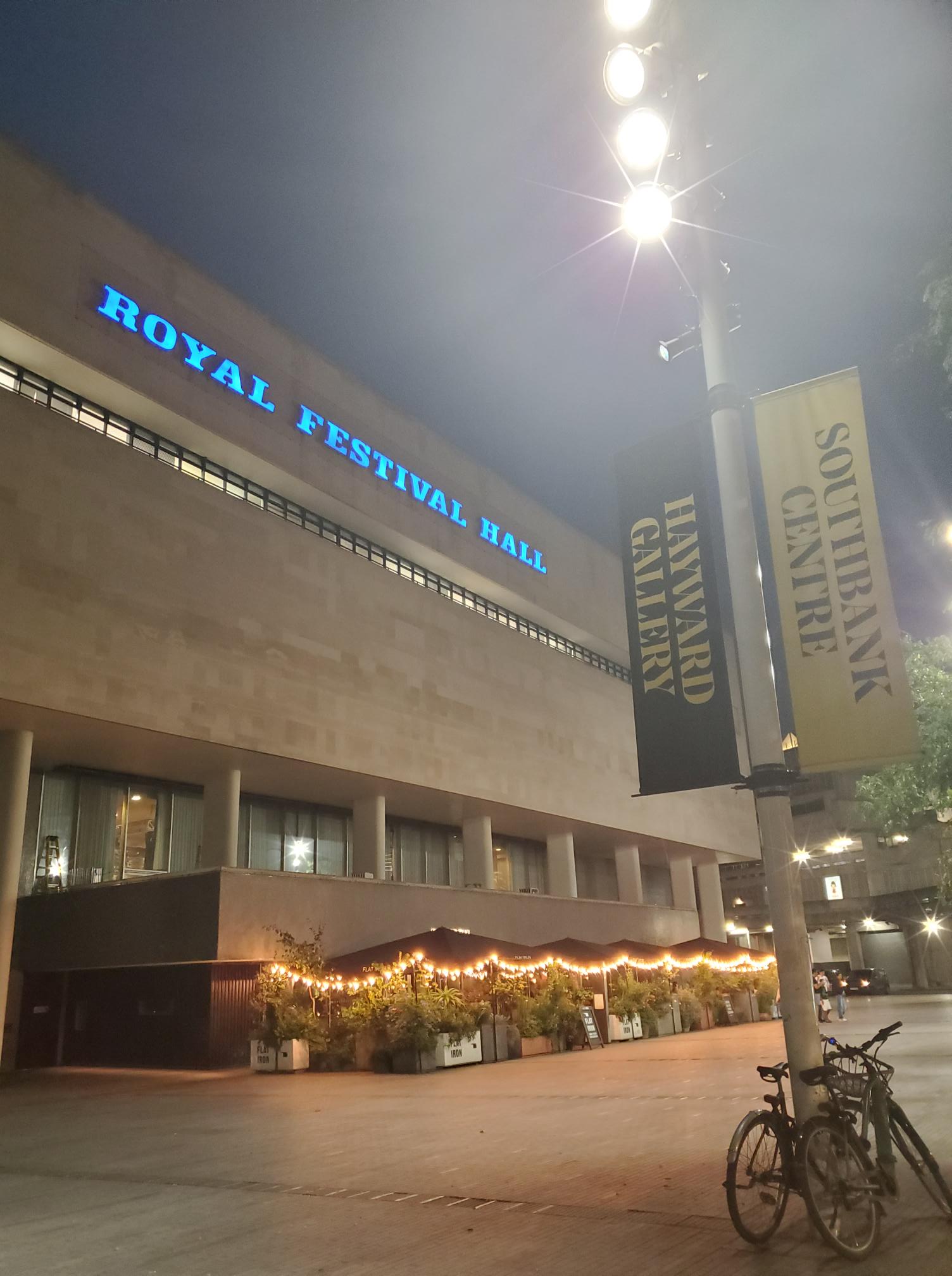
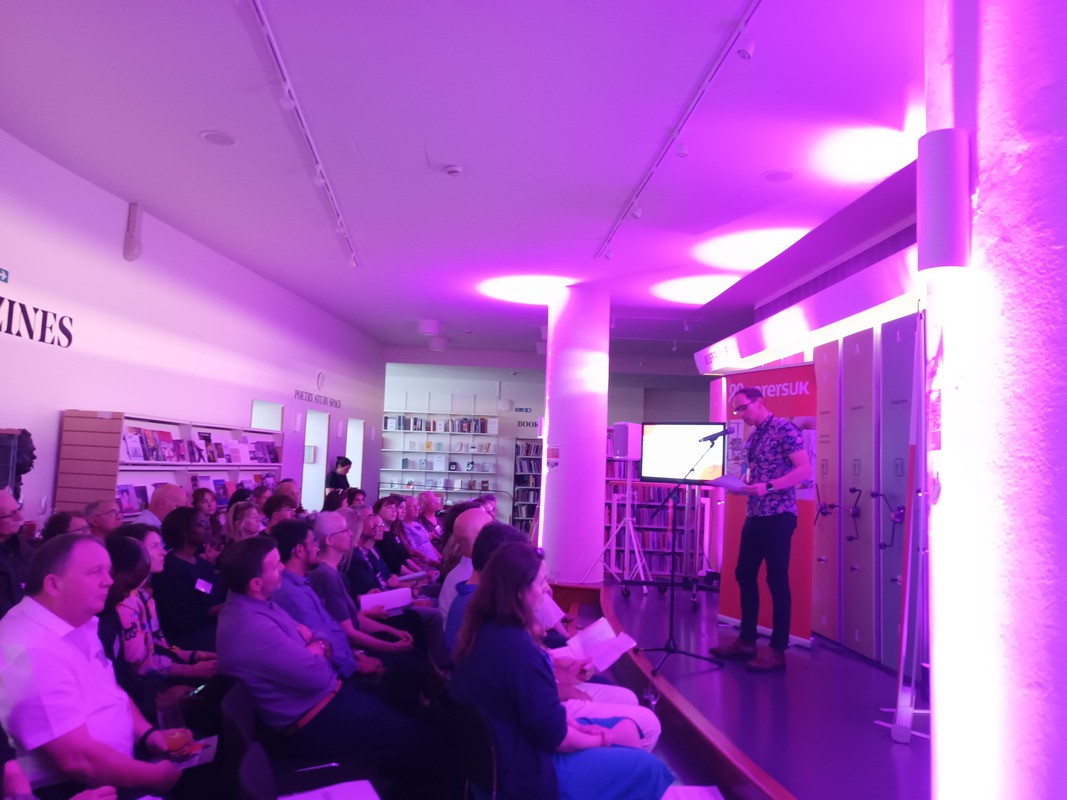
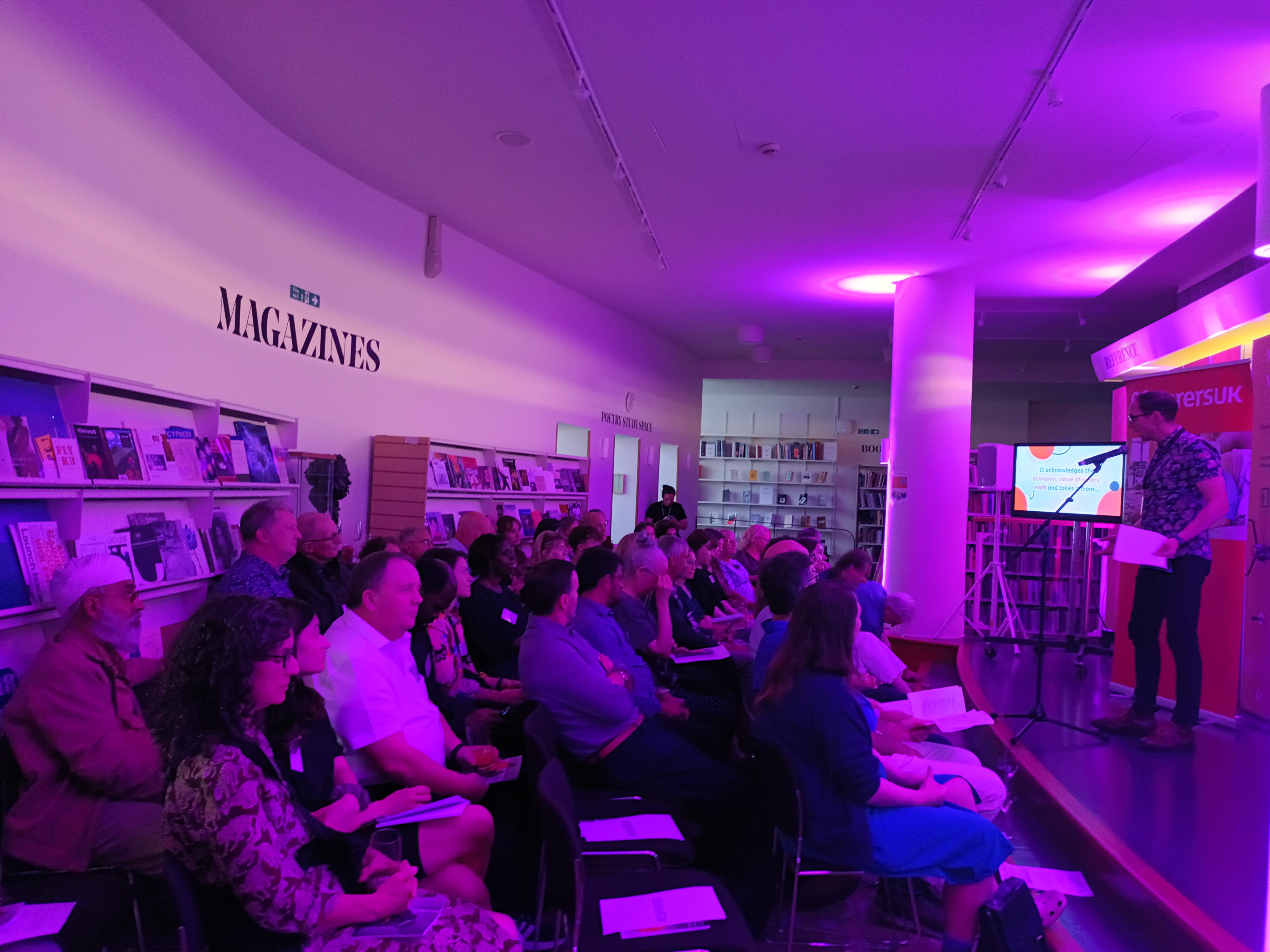
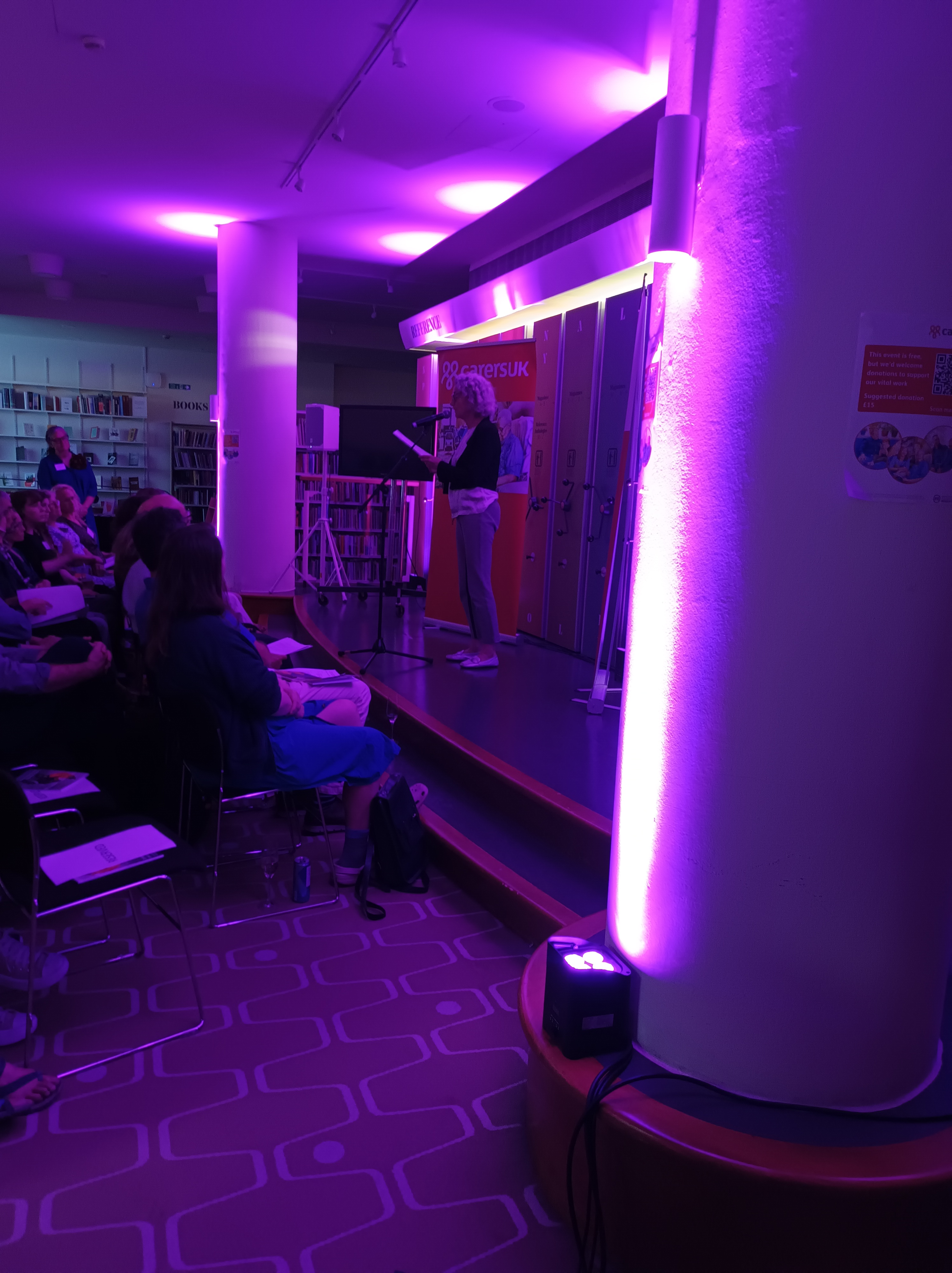
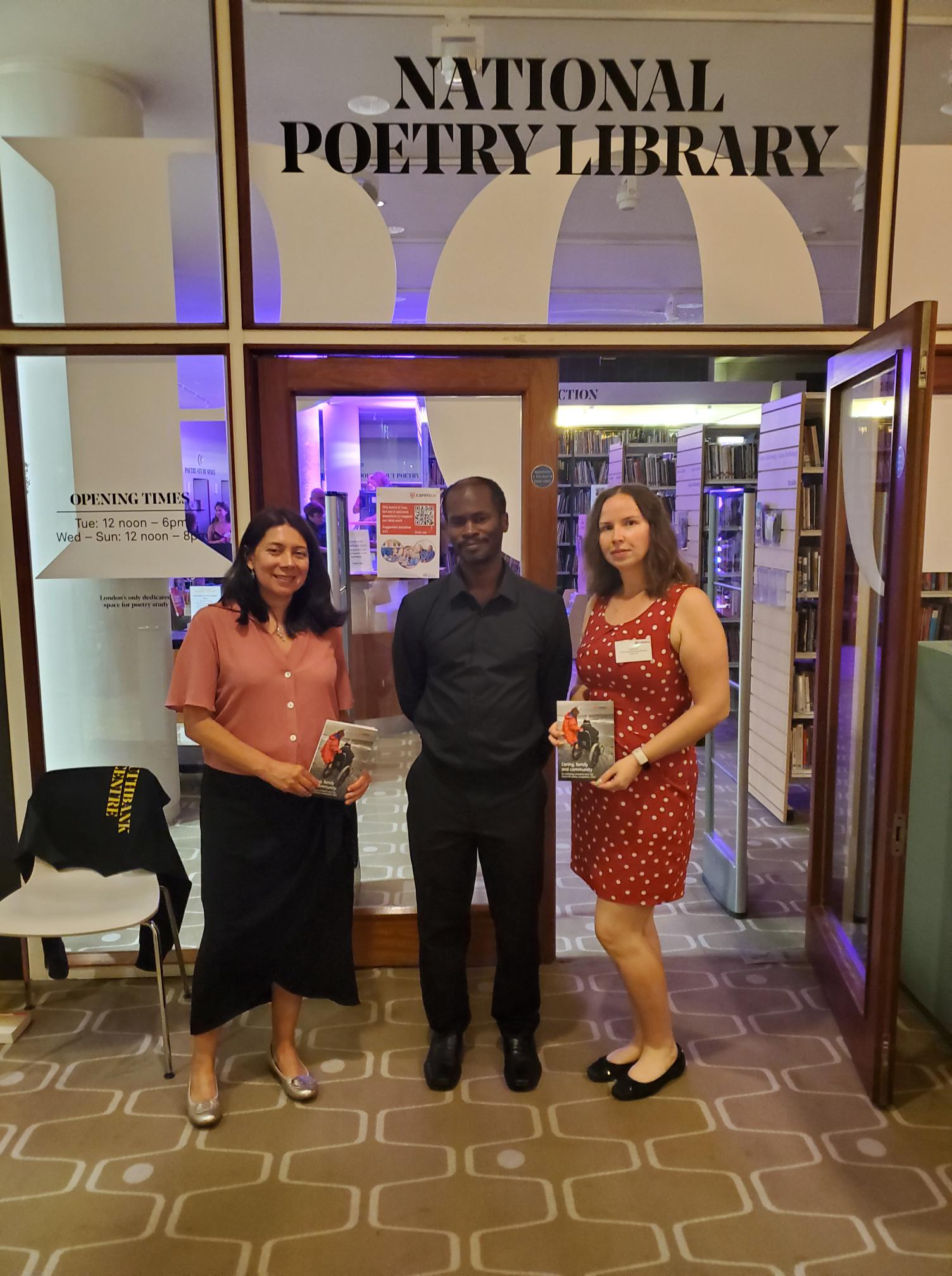
So on Tuesday 19 August 2025, I had the pleasure of attending the Carers UK Poetry Competition 2025 Celebration at the National Poetry Library, located on Level 5 of the Royal Festival Hall at London’s Southbank Centre.
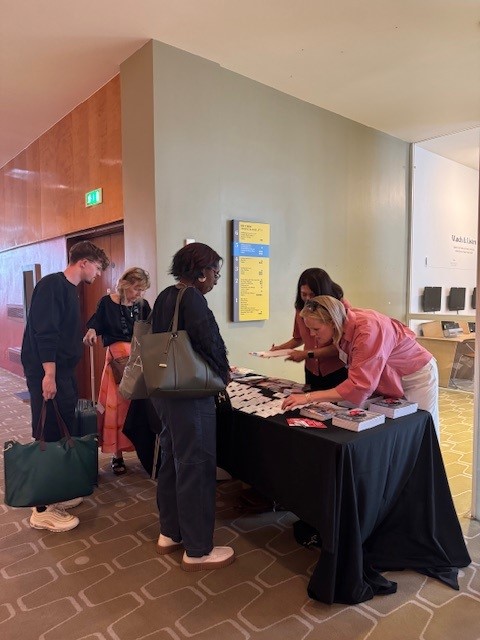
Carers UK staff were welcoming guests, carers and poets who contributed to the Carers UK Poetry anthology to the event.
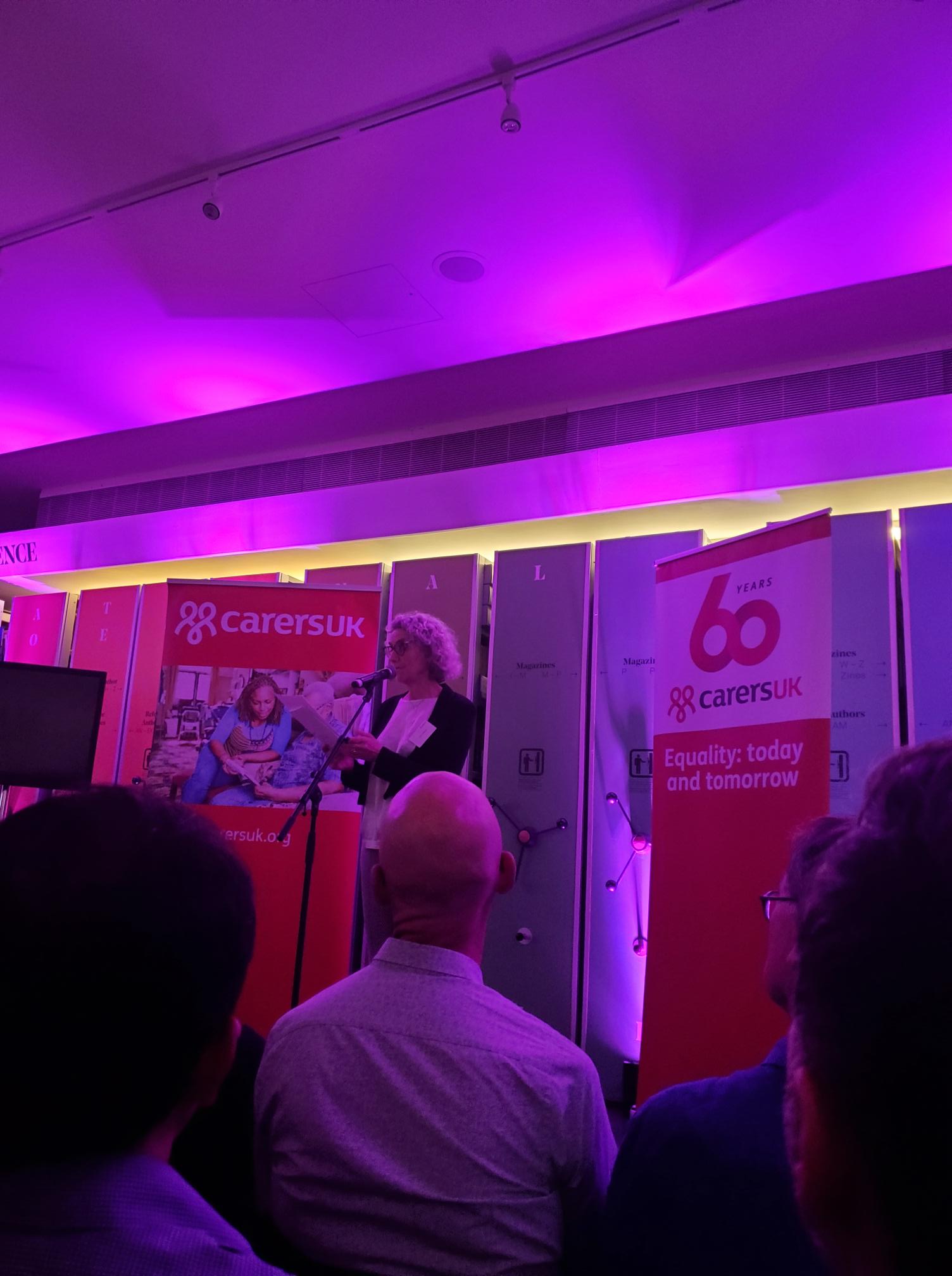
The event, hosted by Carers UK and led by Michael Shann, Head of Carer Support, which marked a very special milestone: the organisation’s 60th anniversary. It was an evening of reflection, creativity, and celebration, bringing together carers, poets, supporters, and friends to honour the voices of those who care for others.
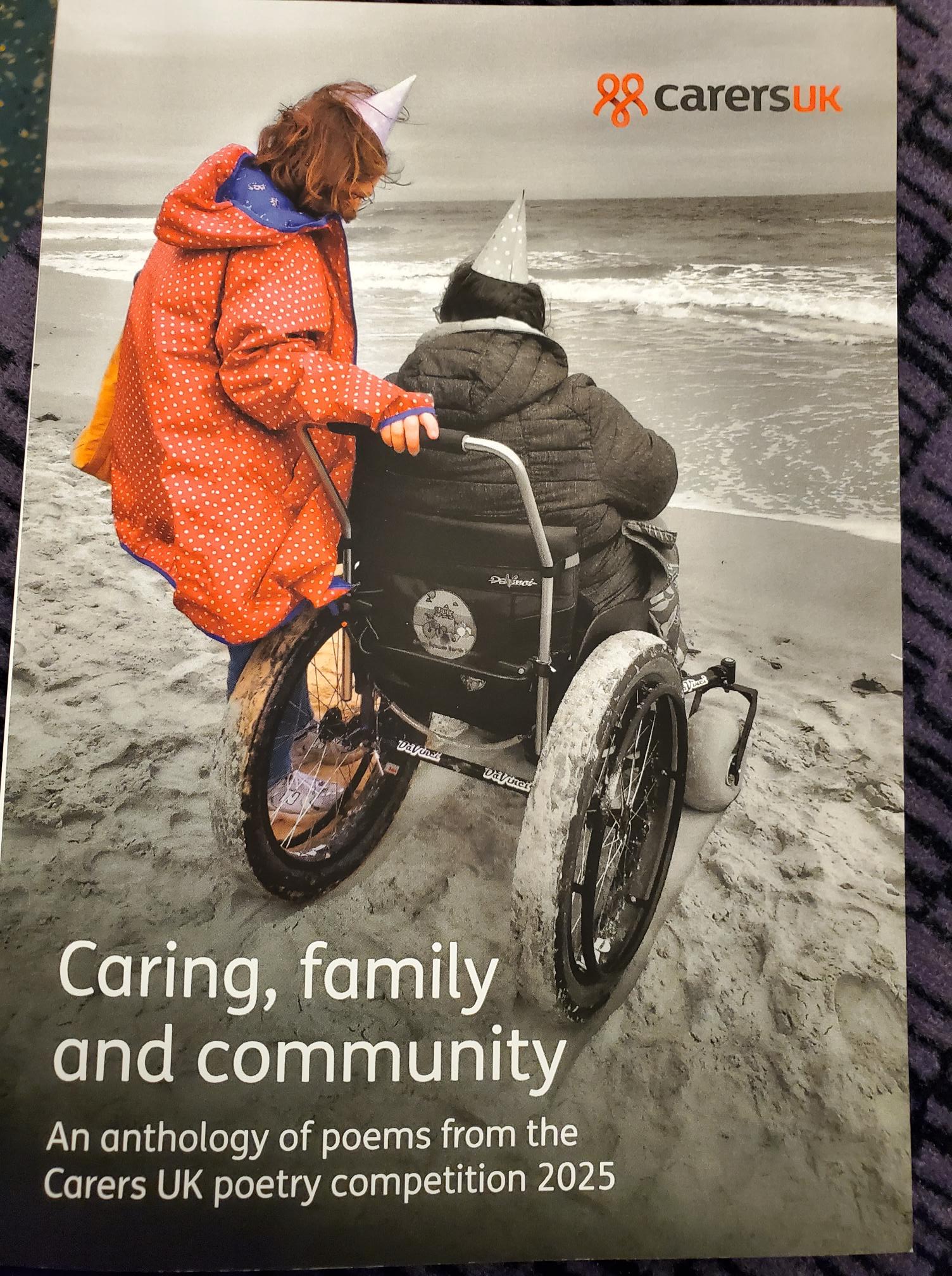
For the year 2025, the poetry competition was themed “Caring, Family and Community”, with more than 270 entries submitted from across the country. The anthology launched on the night, Caring, Family and Community, where beautiful collection of poems capturing the emotions, challenges, and deep humanity at the heart of caring.
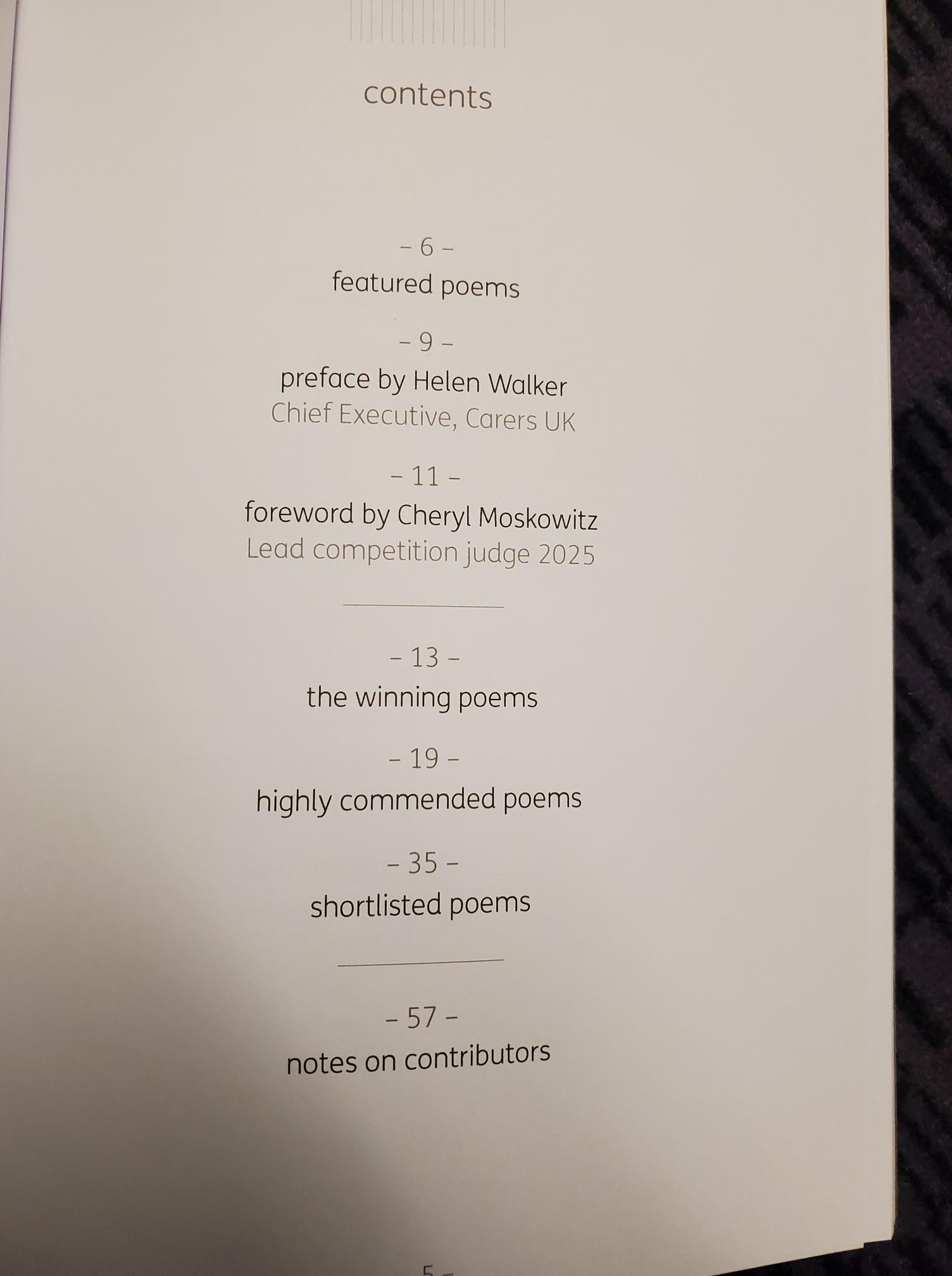
The programme included readings of winning, highly commended, and shortlisted poems. The anthology also features a preface by Helen Walker, Chief Executive of Carers UK, and a foreword by Cheryl Moskowitz, Lead Competition Judge 2025.
The atmosphere at the National Poetry Library was warm and I was welcomed by many of the Carers UK team including Carers Scotland. Guests and poets enjoyed celebratory drinks and canapés while engaging in conversations about poetry, caring, and the power of creative expression.
The poetry book itself is thoughtfully arranged, beginning with featured poems before moving on to the winning, highly commended, and shortlisted entries, and ending with notes on the contributors. The poets performed their poems, each highlighting a different perspective on caring, family, and community, weaving together diverse voices into a powerful collective story.
One poem that particularly stood out to me was “Heart & Soul” by Alison Hull.
Heart and Soul by Alison Hull
Even though it’s new to me, I’m going to write a poem. I don’t know what to write, Or where it’s even going. But what I’m very clear of, Is you’ve taught me like no other. You make me very proud, To be your carer and your mother. We laugh at times and cry so much, And we’ve learnt a thing or two. I’ve met your needs, calmed your fears, Taken care of you. Little by little we get things done, Although it isn’t always easy. We take small steps, sometimes none, Resting up, If needs be. Your bravery inspires me, Your love for animals too. I try to understand, how life really is for you. The caring role’s a huge one, It can be isolating too. It helps to connect with others, Who know what we’re going through. So this is the end of my poem, But not of my caring role. That journey will continue, With all of my heart and soul.
When Alison recited it that evening, I felt it was clear that she spoke from the heart. Her words captured the tenderness and strength of caring. I felt the poem was well crafted.
For me personally, as a Carers UK volunteer and poet, it was inspiring to see how words can bring people together and shine a light on the experiences of carers.
Being able to attend, listen, and celebrate alongside others who share a passion for both caring and poetry was a privilege, so I was very thankful to be invited.
The Southbank Centre, with its iconic Royal Festival Hall, provided the perfect backdrop a cultural hub alive with creativity and community spirit.
Events like this remind us not only of the importance of caring, but also of the importance of telling our stories. Poetry gives voice to what can sometimes be invisible, and Carers UK continues to ensure those voices are heard.
I’d like to thank Michael Shann and the Carers UK team for organising such a meaningful evening, and for their ongoing commitment to supporting carers across the UK.
Here’s the updated section with the official website link included:
Becoming a Member of Carers UK
If you are a carer yourself, one of the most valuable steps you can take is to become a member of Carers UK. Membership is free and open to anyone caring for a family member, friend, or neighbour. By joining, you’ll gain access to:
A supportive community of carers who truly understand what you’re going through.
Regular updates, newsletters, and information on carers’ rights and support.
Invitations to events, workshops, and opportunities to share your story.
Resources and guidance to help you manage the challenges of caring.
Carers UK is not just an organisation as it’s a lifeline for many. By becoming a member, you can feel more connected, supported, and empowered in your caring role.
You can sign up easily via the Carers UK website: www.carersuk.org









 A Caring Mind