Understanding Alcohol Awareness Week 2025
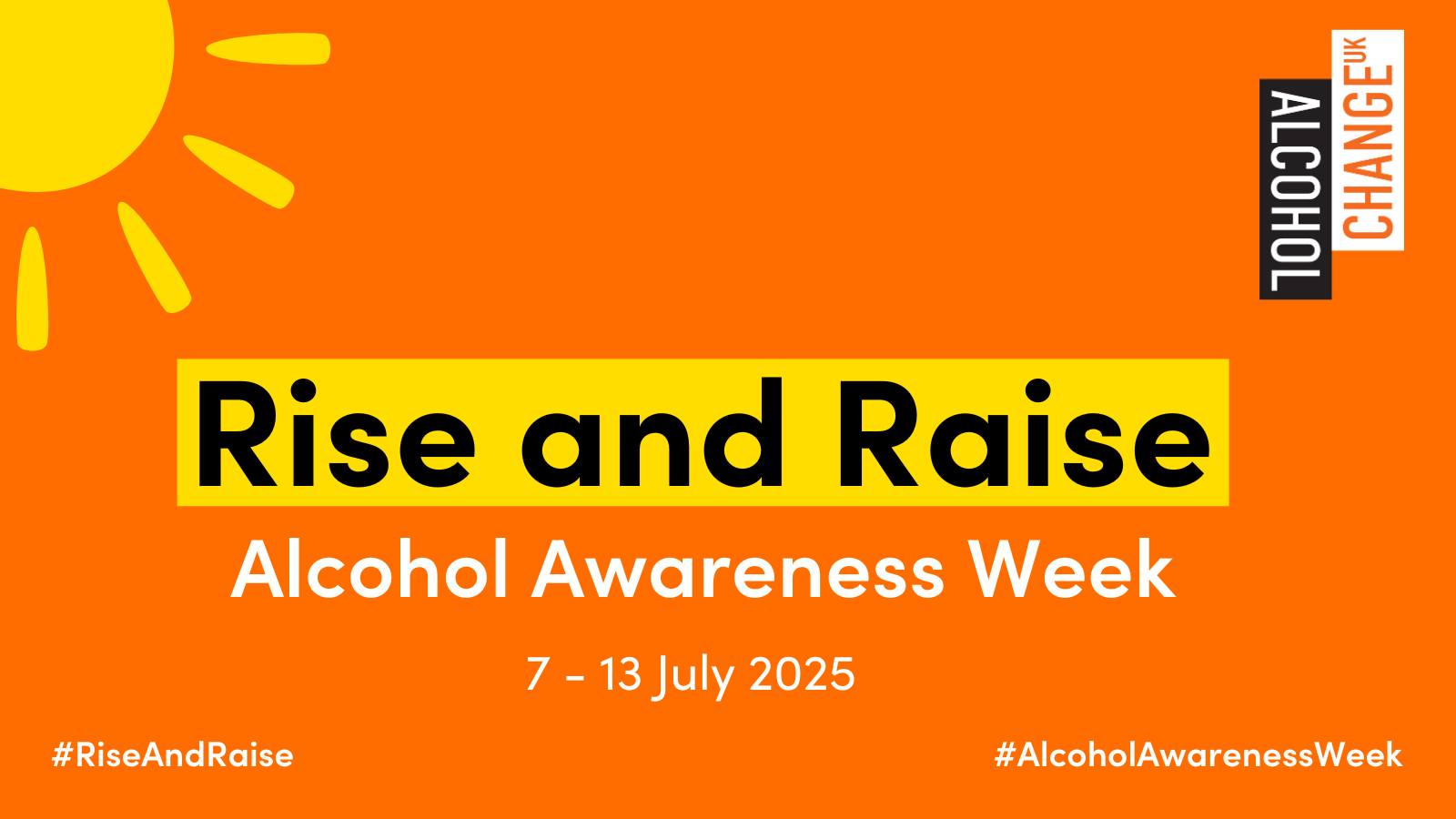
Alcohol Awareness Week is an annual event dedicated to raising awareness about the impact of alcohol on individuals, families, workplaces, and society at large. In 2025, the event will run from the 7th to the 13th of July, spearheaded by the charity Alcohol Change UK.
To watch the video version of my blog, see below. The blog is a transcript of the video.
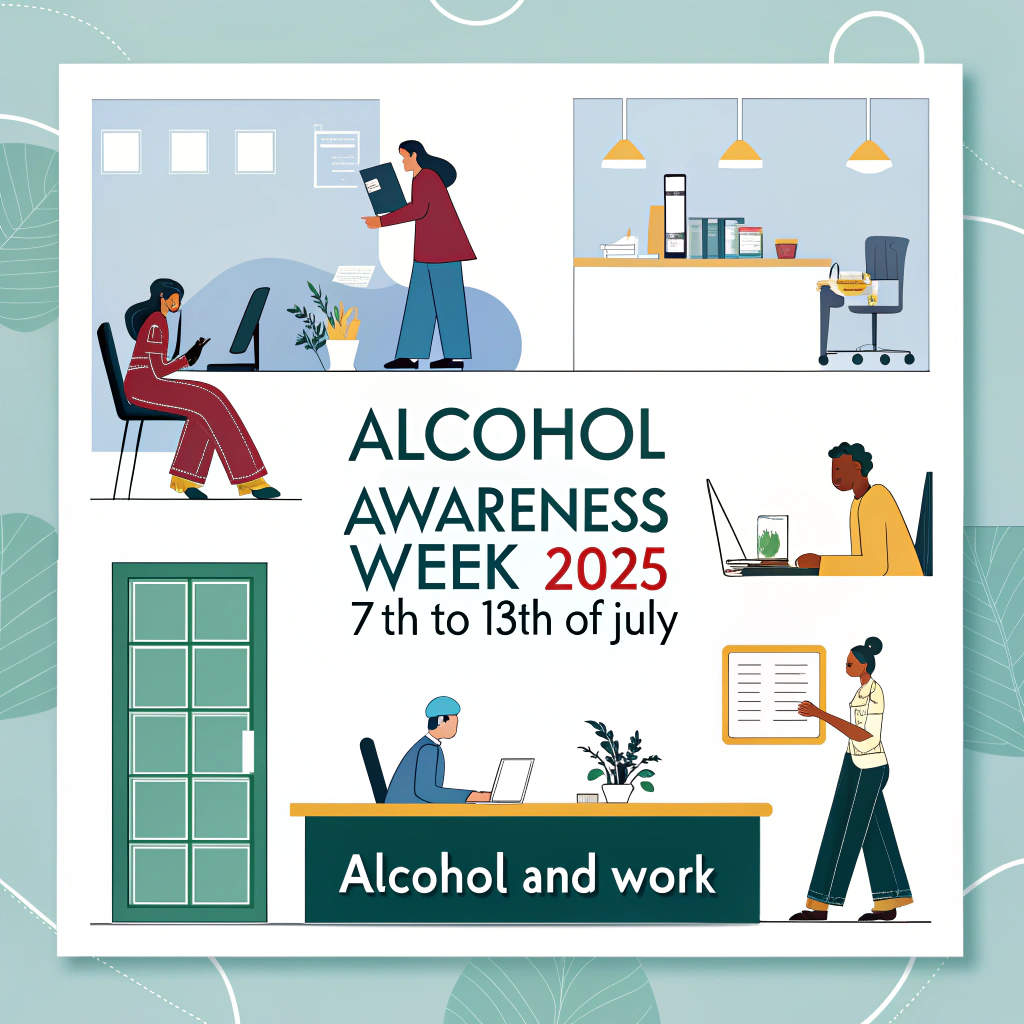
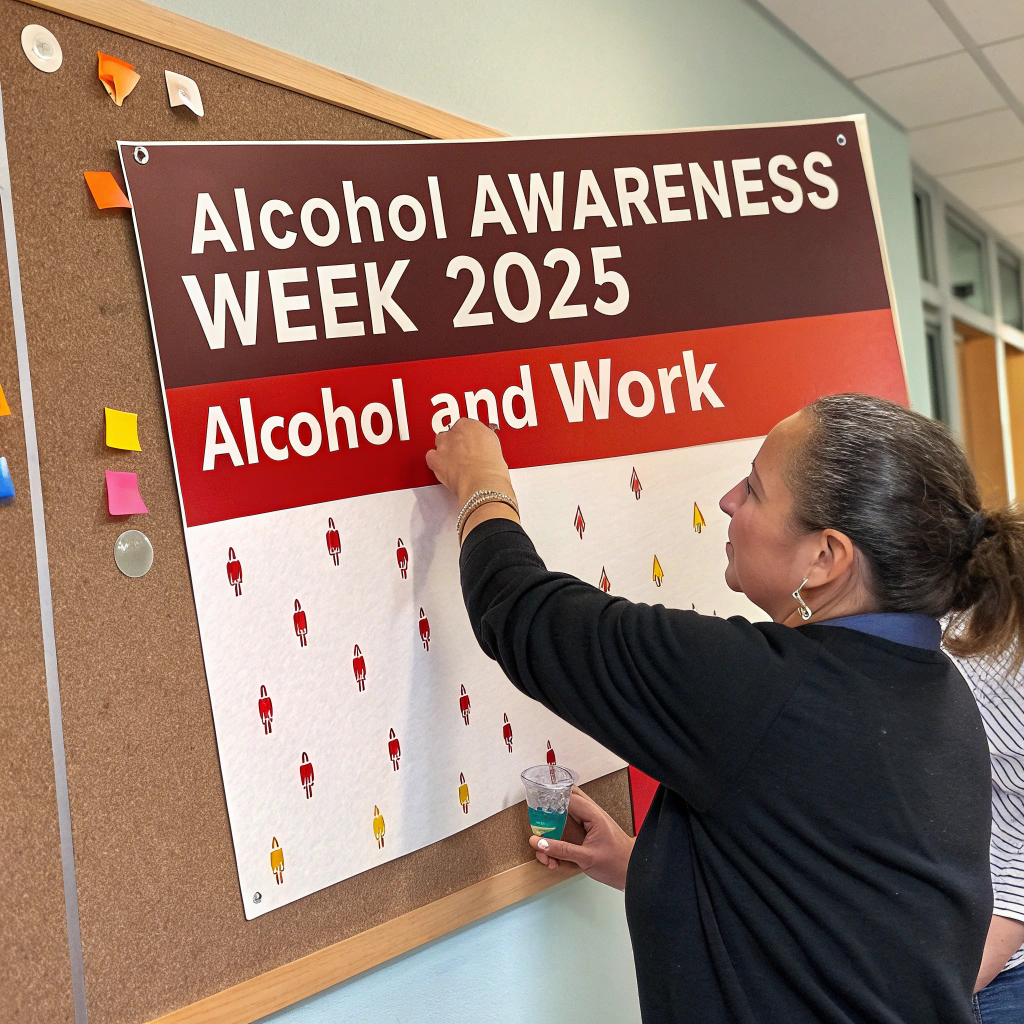
This year’s theme, “Alcohol and Work,” brings a crucial focus to how alcohol consumption affects not just personal health, but also professional performance, workplace relationships, and overall well-being.
The Broader Impact of Alcohol
Alcohol is often viewed through the lens of personal choice and individual health. However, its effects ripple far beyond the person consuming it. The consequences of harmful drinking habits can be seen in diminished work performance, strained relationships, compromised safety, and a decline in mental health. Behind every statistic lies a human story on one that often includes addiction, isolation, and the silent struggles of those who care for someone affected by alcohol dependency.
Alcohol and the Workplace: A Hidden Challenge
The Unseen Effects on Performance and Safety
Alcohol’s impact on the workplace is multifaceted. It can lead to decreased productivity, increased absenteeism, and even safety risks, especially in roles that require high levels of attention and responsibility. The pressure to perform, long working hours, and high-stress environments can sometimes drive individuals to use alcohol as a coping mechanism. This, in turn, can create a cycle where alcohol use further impairs work performance, leading to more stress and potentially more drinking.
The Human Stories Behind the Statistics
It’s easy to overlook the personal narratives behind the numbers. In the UK, approximately one in four people drink in ways that could be harmful to their health. For some, this escalates into dependency, isolation, and crisis. The journey into alcohol dependency is rarely straightforward or visible. It can be masked by a smile, hidden behind long hours at the office, or dismissed with a casual “I’m fine.” The reality is often much more complex and painful.
The Ripple Effect: Unpaid Carers and Their Silent Struggles
The Burden on Unpaid Carers
One of the most overlooked aspects of alcohol-related harm is its impact on unpaid carers. These are the partners, parents, siblings, friends, and even colleagues who quietly support someone struggling with alcohol dependency. Unpaid carers often juggle their own work and family responsibilities while shouldering the emotional and practical burdens of caring for someone else.
The challenges faced by unpaid carers are immense. Many carry this burden alone, with little support or recognition. They may sacrifice sleep, income, and their own mental health in the process. The emotional strain can be overwhelming, and the lack of support can lead to feelings of isolation and helplessness.

The Need for Recognition and Support
It’s time to shine a light on the pressure, pain, and silence that unpaid carers endure. Their contributions are invaluable, yet they often go unnoticed. Recognizing their struggles and providing them with the support they need is essential, not just for their well-being, but for the well-being of those they care for.
Breaking the Silence: The Power of Conversation
Starting the Conversation
One of the most effective ways to address alcohol-related harm is to start a conversation. Breaking the stigma surrounding alcohol dependency begins with open, honest dialogue. If you’re concerned about someone’s drinking habits, reaching out and expressing your concern can be a powerful first step. Sometimes, simply asking, “How are you doing?” can make a world of difference.
Sharing Resources and Support
In addition to conversation, sharing resources is crucial. Organizations like Alcohol Change UK provide valuable information, helplines, and support services for those affected by alcohol dependency. Sharing these resources, whether it’s a helpful video, a website, or a helpline number which can offer much-needed support to someone in need.
Supporting Unpaid Carers
For those who focus on supporting unpaid carers, it’s important to acknowledge their unique challenges. Offering a listening ear, practical assistance, or simply checking in can provide much-needed relief. Carers often feel invisible, so small gestures of support can have a significant impact.
Raising Awareness: Everyone Has a Role
Online, at Work, and in the Community
Raising awareness about the harms of alcohol and the support available is a collective responsibility. Whether it’s through online campaigns, workplace initiatives, or community events, every effort counts. The more we talk about these issues, the less people will suffer in silence.
Building a Culture of Care
Ultimately, the goal is to foster a culture of care, one where no one has to face addiction or the challenges of caring for someone with addiction alone. By working together, we can reduce the harm caused by alcohol, support one another, and create a more compassionate society.
Practical Steps for Getting Involved
1. Educate Yourself and Others
Understanding the facts about alcohol and its effects is the first step. Visit reputable sources like Alcohol Change UK to learn more about the risks associated with alcohol consumption, the signs of dependency, and the support available.
2. Start Conversations
Don’t be afraid to talk about alcohol and its impact. Whether it’s with friends, family, or colleagues, open dialogue can help break down stigma and encourage those struggling to seek help.
3. Share Resources
Distribute information about support services, helplines, and educational materials. The more accessible these resources are, the more likely people are to use them.
4. Support Unpaid Carers
If you know someone who is caring for a person with alcohol dependency, offer your support. This could be as simple as checking in regularly, offering to help with practical tasks, or encouraging them to seek support for themselves.
5. Advocate for Change
Encourage your workplace or community to participate in Alcohol Awareness Week. Organize events, share information, and promote policies that support those affected by alcohol-related harm.
The Importance of Compassion and Understanding
Recognizing the Human Element
Behind every case of alcohol dependency is a person with a unique story. Compassion and understanding are essential in supporting those affected. Avoid judgment and focus on offering support and encouragement.
The Role of Empathy in Recovery
Empathy can be a powerful tool in helping someone change their relationship with alcohol. Listening without judgment, offering encouragement, and being patient can make a significant difference in someone’s journey to recovery.
The Role of Workplaces in Addressing Alcohol-Related Harm
Creating Supportive Environments
Workplaces have a unique opportunity to support employees affected by alcohol-related harm. This can include providing access to counseling services, promoting work-life balance, and fostering a culture where employees feel comfortable seeking help.
Implementing Policies and Training
Employers can implement policies that address alcohol use in the workplace, provide training for managers on how to support employees, and ensure that support services are readily available.
Encouraging Peer Support
Peer support programs can be effective in helping employees feel less isolated and more supported. Encouraging open dialogue and creating safe spaces for discussion can help break down barriers to seeking help.
The Ongoing Challenge: Reducing Stigma
video from Alcohol Change UK
Why Stigma Persists
Stigma remains one of the biggest barriers to seeking help for alcohol dependency. Many people fear judgment or discrimination, which can prevent them from reaching out for support.
How to Combat Stigma
Education and awareness are key to reducing stigma. By sharing stories, promoting understanding, and challenging misconceptions, we can create a more supportive environment for those affected by alcohol-related harm.
Looking Ahead: Building a Supportive Future
The Importance of Continued Awareness
Alcohol Awareness Week is an important opportunity to shine a light on the challenges associated with alcohol use. However, the work doesn’t end when the week is over. Continued awareness, education, and support are essential in creating lasting change.
Working Together for Change
Change is possible when we work together. By supporting one another, raising awareness, and advocating for better support systems, we can reduce the harm caused by alcohol and build a more compassionate society.
Resources for Support
- Alcohol Change UK: alcoholchange.org.uk – A leading charity providing information, support, and resources for those affected by alcohol-related harm.
- Helplines and Support Services: Many organizations offer confidential helplines and support services for individuals and carers.
- Workplace Support: Check with your employer about available support services, employee assistance programs, and mental health resources.
Conclusion: A Call to Action
Alcohol Awareness Week 2025 is a vital opportunity to reflect on the impact of alcohol in our lives, workplaces, and communities. By starting conversations, sharing resources, supporting unpaid carers, and raising awareness, we can make a real difference. Let’s work together to understand the harm that alcohol can cause, support one another, and build a culture of care, because no one should have to face addiction or care for someone with addiction alone.
Let’s make this Alcohol Awareness Week a turning point for greater understanding, compassion, and support.