For Unpaid carers those who support loved ones living with long-term physical or mental health conditions, they face a unique set of challenges. The role is often demanding, emotionally taxing, and can feel isolating. Yet, in recent years, the rapid advancement of digital tools, apps, and online platforms has begun to transform the landscape of unpaid care, offering new avenues for support, organization, and connection.
My blog is a short transcript of my longer video below
Drawing from the lived experience as a passionate advocate for unpaid carers and an IT professional, my article and video explores how digitization, artificial intelligence, and mobile technology are reshaping the way informal carers manage their responsibilities. We’ll delve into the practical benefits, the most useful apps, and the limitations of technology in the caring role, providing a comprehensive guide for carers seeking to harness digital tools for their own well-being and the well-being of those they support.
Understanding the Role of Technology in Unpaid Care
The Growing Demands on Carers
Unpaid carers often juggle multiple responsibilities: managing medication schedules, tracking symptoms, coordinating appointments, and advocating for their loved ones with health professionals. The emotional and cognitive load can be overwhelming, especially when combined with work, family, and personal commitments.
As I points out, “As humans, we can only remember things so often. So, especially when we’re getting older or if we are under a lot of stress trying to juggle our caring role and busy lives, it does help to have apps that can schedule these things.”
The Promise of Digitization
Digitization offers carers a “second brain”, a way to offload tasks, reminders, and information, reducing stress and mental clutter. Mobile phones, now more powerful than ever, serve as hubs for health management, communication, and emotional support. But while technology can be transformative, it’s not without its challenges, including digital literacy, access, and the irreplaceable of value of human connection.
The Future of Care: Technology as an Empowering Force
The digital revolution is reshaping unpaid care, offering carers new ways to manage responsibilities, connect with others, and support their own well-being. While technology is not a replacement, it can be a powerful ally, reducing stress, improving organization, and fostering community.
As my experience shows, embracing digital tools can transform the caring journey. By leveraging apps for health management, communication, and emotional support, carers can reclaim control, reduce isolation, and find new sources of strength.
Ultimately, the goal is not to replace human kindness or connection, but to empower carers with the tools they need to thrive. With thoughtful adoption and ongoing support, technology can help unpaid carers navigate the challenges of their role and build a brighter, more connected future.
Resources and Recommendations my video covers
Essential Apps for Carers
Pill Reminder: Medication management and alerts
Medsafe: Medication tracking and scheduling
NHS App: Health records, care plans, and feedback (UK)
Google Calendar / Microsoft Outlook: Appointment and routine management
To-Do List / Trello: Task organization
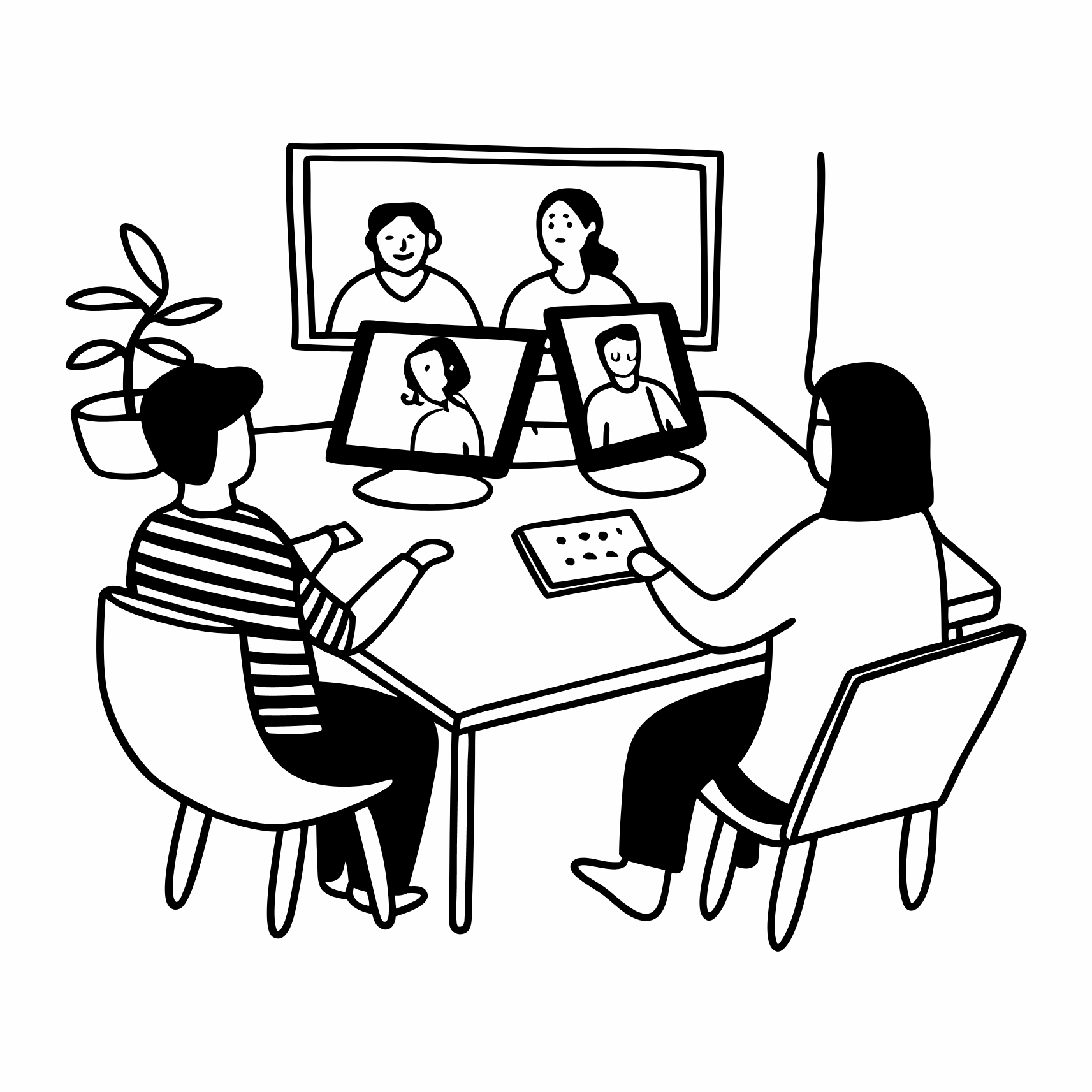
Zoom / Microsoft Teams / Google Chat: Virtual support groups and communication
Siri / Google Assistant: Voice commands and reminders
AI Journals / Well-being Apps: Emotional support and mindfulness
Tips for Safe and Effective Use
Choose reputable apps with strong privacy policies
Keep software updated to ensure security
Seek training or support if you’re new to digital tools
Balance online and offline support for holistic well-being
Conclusion
Unpaid carers are the unsung heroes of our communities, providing vital support to those living with long-term ill health. The rise of digital tools and technology offers new hope, making the caring role more manageable, less isolating, and more connected.
By embracing digitization, carers can streamline their responsibilities, access emotional support, and build resilient communities. While challenges remain, the future of care is bright, powered by technology and the enduring spirit of human kindness.
By Matthew McKenzie FRSA BEM – Triangle of Care community chair
As a carer living in Lewisham, I know just how important it is that our voices are heard and that the support available truly meets our needs. Whether we’re looking after a parent, a partner, a child, or a friend, we all share the same challenges balancing care responsibilities, work, our own wellbeing, and often feeling invisible in the process.
That’s why I wanted to share something that directly affects all of us. Lewisham Council and the NHS South East London ICB are currently developing a new Action Plan for Unpaid Carers (2025–2028). This plan will set out how the Council aims to identify, value, and support more carers over the next few years.
The team leading this work, including a new member who recently joined the Adults Integrated Commissioning Team, is reaching out to carers across the borough to get our feedback.
By Matthew McKenzie – Founder of A Caring Mind, unpaid carer, and advocate for ethnic minority carers
This October 2025, I had the privilege of joining Carers Support West Sussex to speak during their Black History Month celebrations under the theme “Standing Firm in Power and Pride.”
Carers Support West Sussex provides advice, emotional support, and practical help to unpaid carers across the county of West Sussex, ensuring they are recognised, valued, and empowered in their caring roles. Their work helps thousands of carers connect with the right information, resources, and community networks when it matters most.
As a Black, unpaid carer of lived experience, I spoke about Race, Inequality, and Carer Voices exploring how racism and structural inequality continue to shape the experiences of carers from ethnic minority backgrounds.
In a recent interview, Matthew McKenzie sat down with Hannah Codigan, a palliative care nurse who brings a unique perspective to healthcare, not only as a professional but also as someone with lived experience of serious mental illness. Together, they explored the importance of recognising unpaid carers and embedding lived experience voices in the design and delivery of healthcare services.
Caring Beyond the Patient
Hannah shared how her role in hospice care extends beyond patients to include families and carers who often struggle without recognition. She emphasised that carers need as much emotional and practical support as the people they care for, noting how time pressures in nursing can make it difficult to truly listen to their experiences.
As someone who’s been advocating for carers for years through A Caring Mind, I know how important it is that carers’ experiences influence the way support systems are built. The OSMOSIS project offers a real chance to help improve understanding and services for those of us supporting loved ones with severe mental health conditions.
If you are caring for someone living with psychosis, schizophrenia, or bipolar disorder, here’s an opportunity to make your voice heard.
By Matthew McKenzie FRSA BEM, Chair, Triangle of Care Community Group
This week’s Triangle of Care Member Webinar, hosted by Carers Trust, which focused on a vital question: What makes for meaningful carer involvement?
We heard from across the Triangle of Care network, these being carers, professionals, and trust representatives coming together to share what genuine involvement looks like in practice.
I spoke about my own lived experience as a carer, supporting two non-verbal brothers with autism and my late mother with mental health challenges and how this journey has shaped my advocacy for stronger partnerships between carers and professionals.
Over the years, through the Triangle of Care, I’ve seen how much difference early and equal involvement can make.
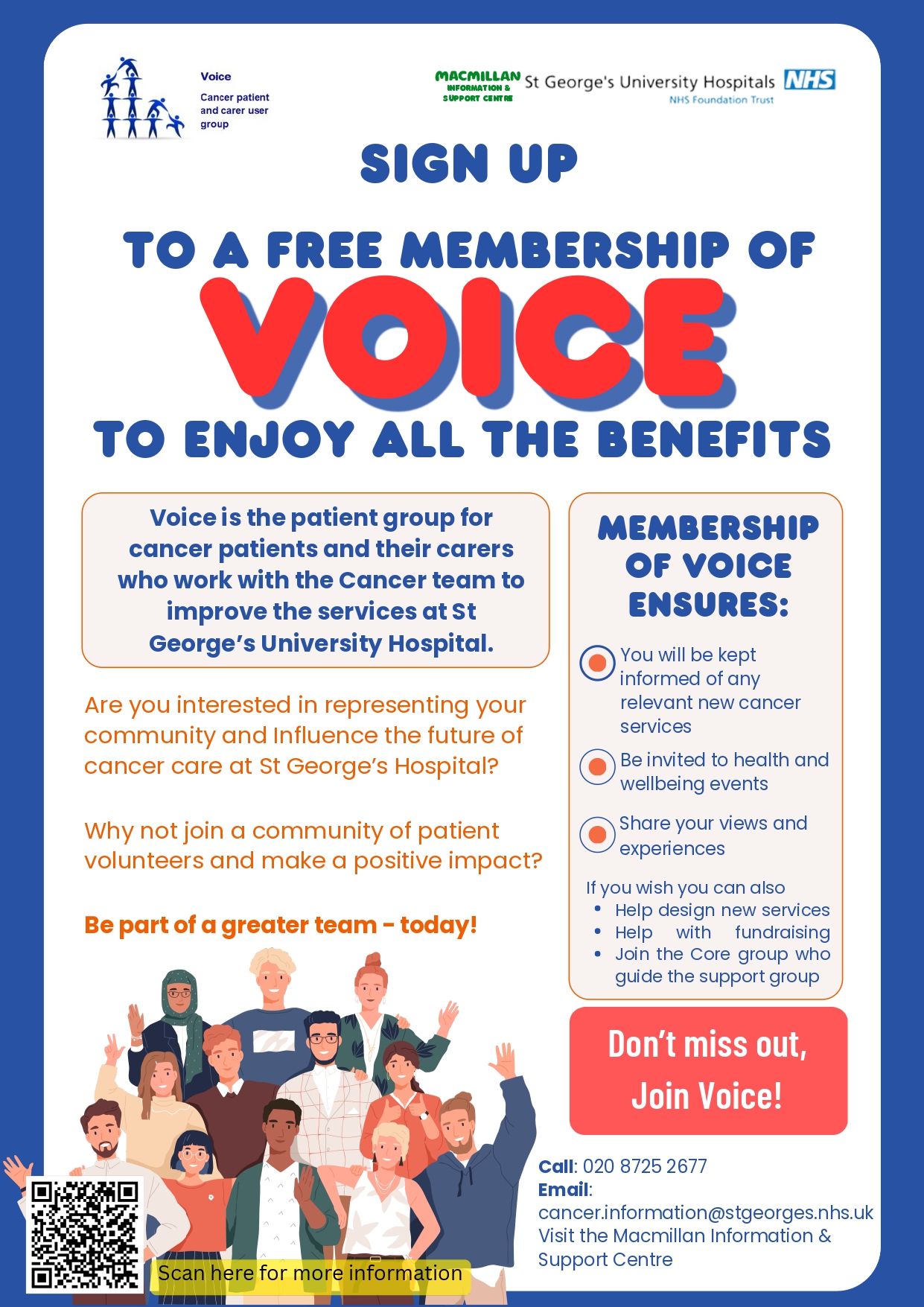
At St George’s University Hospitals NHS Foundation Trust, people affected by cancer are placed at the heart of everything they do. Whether you’re a patient receiving treatment, a family member, a carer, or part of a local cancer support group, your experiences and insights are invaluable in shaping the way the hospital cancer services are delivered.
Voice is a dedicated patient and carer group that works closely with the Cancer Team at St George’s. It provides a vital forum for sharing experiences, ideas, and suggestions that directly influence how services are planned, developed, and improved.
By joining Voice, you’ll:
Represent the perspectives of patients and carers.
Share what works well in cancer pathways and highlight areas for improvement.
Help identify priorities for local cancer services.
Be kept informed of new cancer services and projects.
Take part in health and wellbeing events.
Have the chance to help design new services or join the core group guiding the support group.
Why carers are especially needed
Carers play a unique and vital role in the cancer journey. Their insights into the challenges and realities of supporting a loved one through treatment provide perspectives that professionals and even patients themselves may not always see.
Right now, Voice is especially looking for more carers to join, ensuring their voices are fully represented in shaping services.
How to get involved
Becoming a member of Voice is free. By joining, you’ll be part of a welcoming community committed to making cancer care better for everyone.
To find out more or sign up, contact the Macmillan Information and Support Centre:
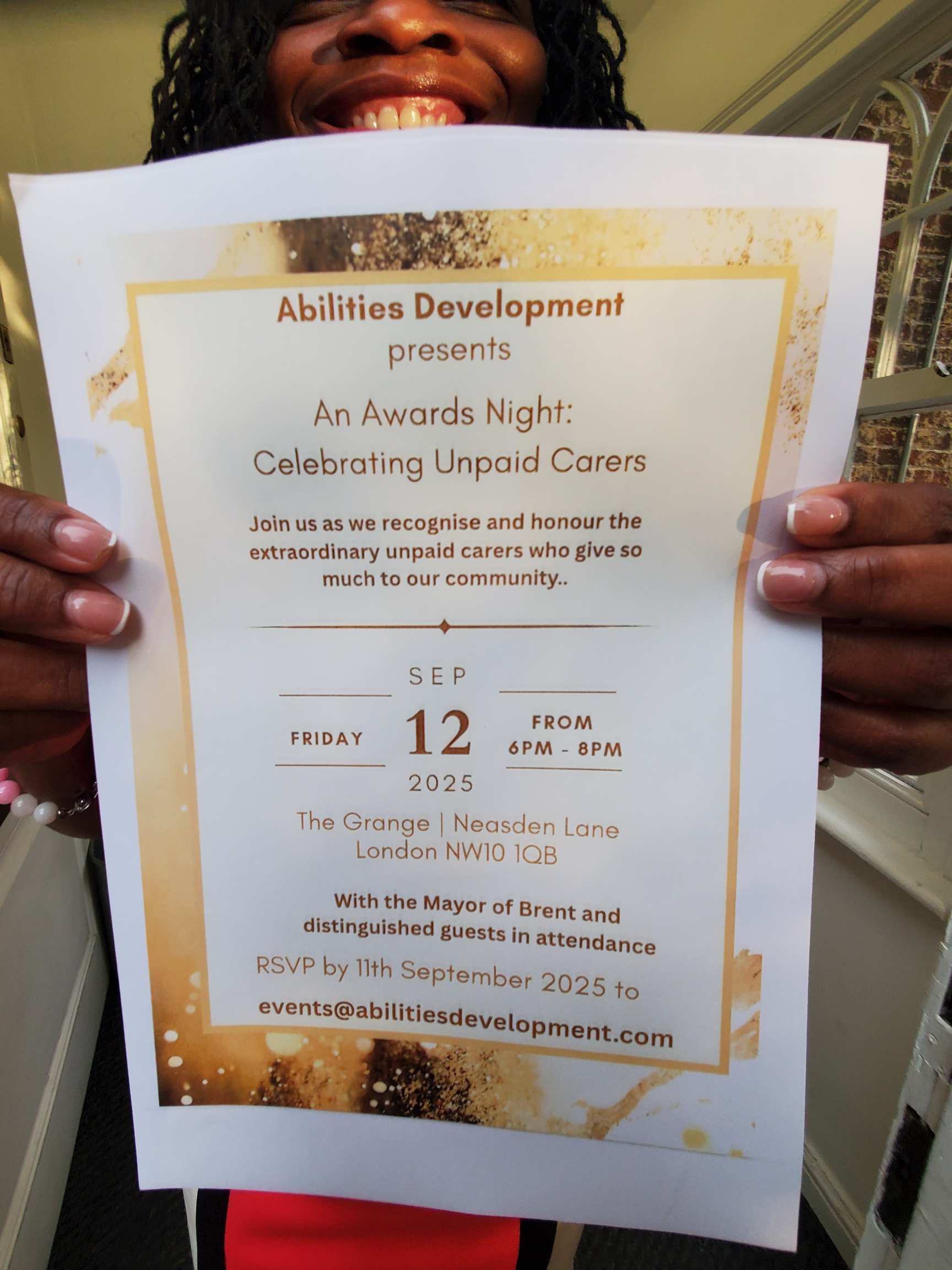
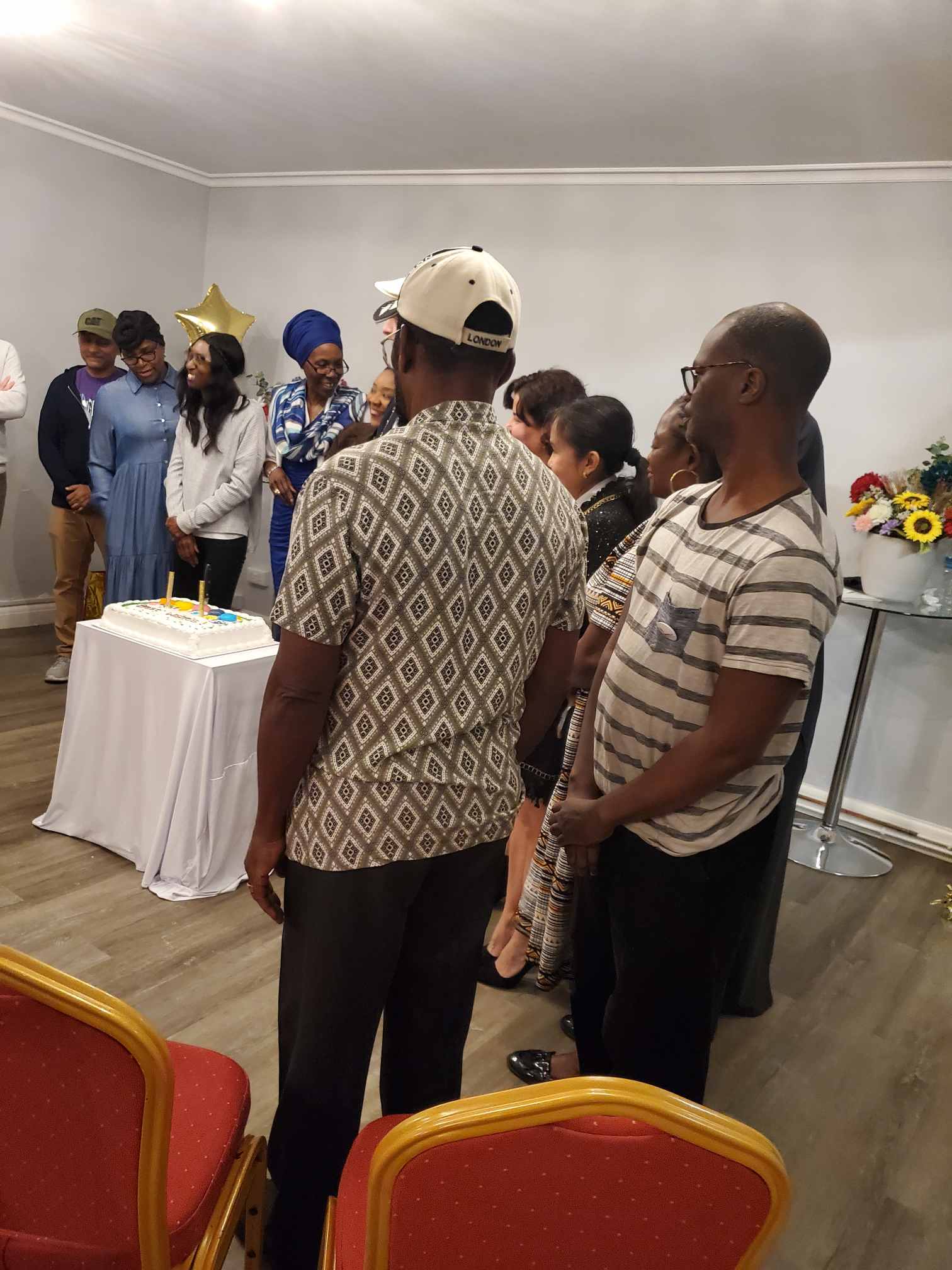
On Friday 12th September 2025, I had the privilege of attending Abilities Development’s Awards Night: Celebrating Unpaid Carers at The Grange in London. The event was a moving and powerful reminder of the sacrifices, love, and resilience shown by unpaid carers across our communities.
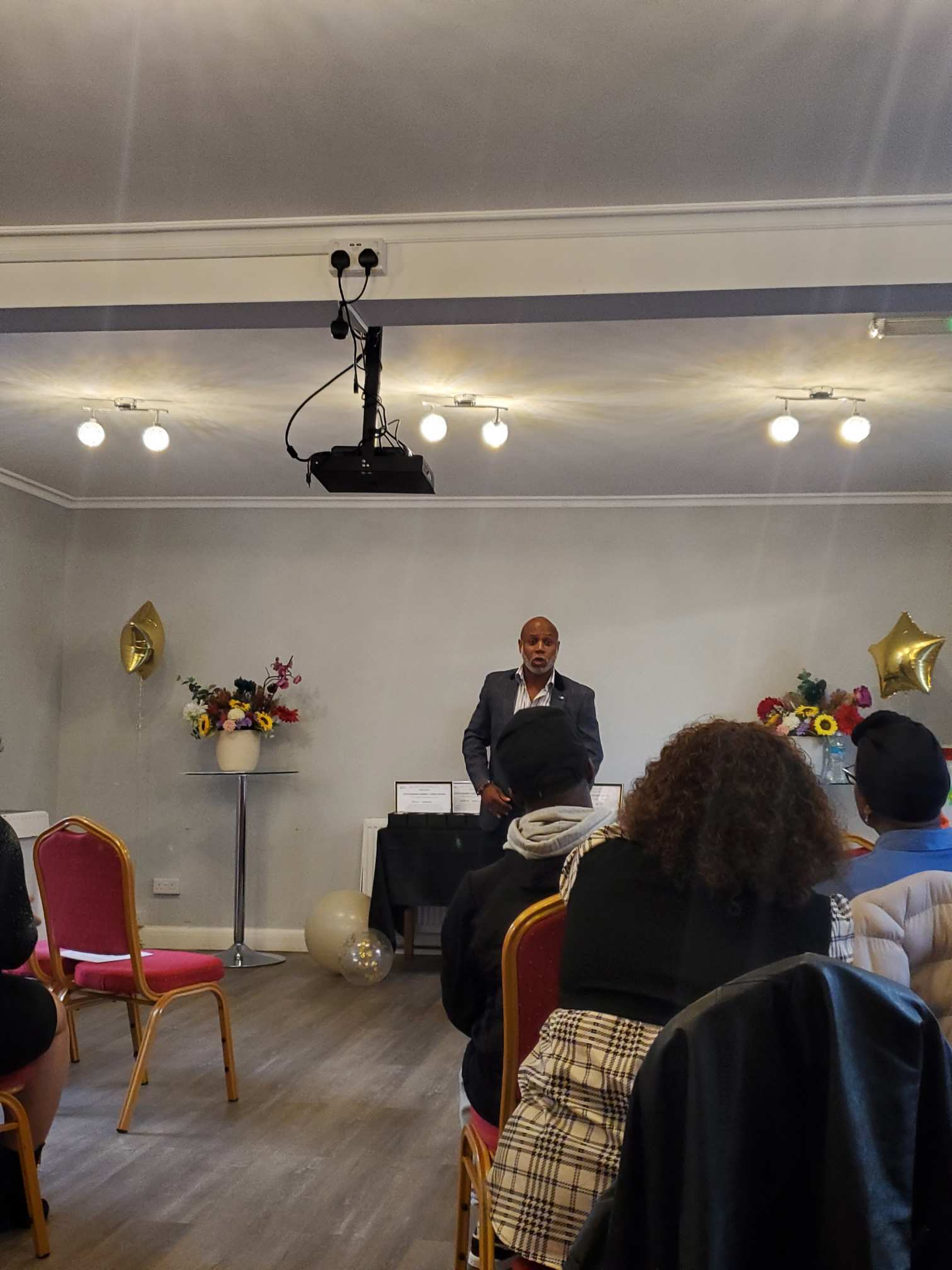
The event was hosted by founder Dr Karen May, who spoke passionately about the vision to celebrate and support unpaid carers. The evening also included tributes from fellow carers sharing their lived experiences, moving reflections on the sacrifices and strength carers show daily, and recognition from community leaders.
As many of you know, unpaid carers often go unseen, their daily contributions hidden behind closed doors. Yet they carry the heavy responsibilities of looking after loved ones with compassion and strength, often without formal recognition. This event was different, it put carers at the centre, reminding us all that their efforts matter and deserve to be celebrated.
We were given a tour of the facilities available for unpaid carers and their loved ones to us.
One of the highlights of the evening was the presentation of awards and certificates to unpaid carers. Each recipient was honoured with a Certificate of Honour in Caregiving, recognising their unconditional love, tireless dedication, and the invaluable role they play in supporting their loved ones without financial reward or formal recognition.
The evening, attended by the Mayor of Brent and other distinguished guests, was filled with speeches that spoke to the heart of caregiving, its challenges, its emotional toll, but also its incredible strength. One message that stood out was that carers must not forget their own worth and wellbeing. As was beautifully said on the night: “You are important. Take moments for yourself so you can rejuvenate, be well, and stay healthy.”
I was truly honoured to receive a Certificate of Honour in Caregiving myself. This certificate recognised the unconditional love and tireless dedication of carers who, without pay or recognition, give their heart, time, and energy to provide comfort, dignity, and hope. Holding it in my hands was not just a personal moment of pride, but also a reminder of the countless carers whose work too often goes unnoticed
Events like these are not “just another event.” They are opportunities to create legacies and spaces where carers are not only seen but also valued, uplifted, and supported. They are about passing on the message to future generations that caring is not a burden, but a profound act of humanity.
As someone who has long campaigned for carers’ voices, I want to encourage others to support, promote, and attend events like this. Whether it’s through organisations like Abilities Development, local carer networks, or even small community groups, recognising unpaid carers is vital.
To every unpaid carer reading this: you are a quiet hero. Every sleepless night, every whispered prayer, every act of kindness you show it matters. You matter.
Carers can book to use The Grange by contacting Abilities Development directly. Whether it’s for a quiet space to reflect, joining a carers’ group, or making use of tailored support services, The Grange offers a safe environment built around compassion and community.
by Matthew McKenzie – National Ethnic Mental Health Carer Forum Chair
In August, the online National Ethnic Mental Health Carer Forum came together once again to confront difficult but necessary conversations about systemic racism, discrimination, and the experiences of ethnic minority carers within health and social care. The forum, hosted by Matthew McKenzie, provided a platform for carers, professionals, and researchers to share insights, frustrations, and plans for change.
Focus on Racism and Discrimination
This month’s forum was unflinching in its focus: racism in health and mental health systems. Attendees shared powerful testimonies of racial abuse and discrimination, highlighting how these experiences undermine trust in services and affect both carers and those they support. There was a clear call for honesty – participants stressed the importance of naming racism directly, rather than disguising it behind euphemisms.
The group also discussed the overrepresentation of Black and brown people in prisons, the lack of tailored initiatives for older Black carers, and the persistent inequalities faced by ethnic minority families trying to navigate mental health and social care support.
Research and Evidence from Carers Trust
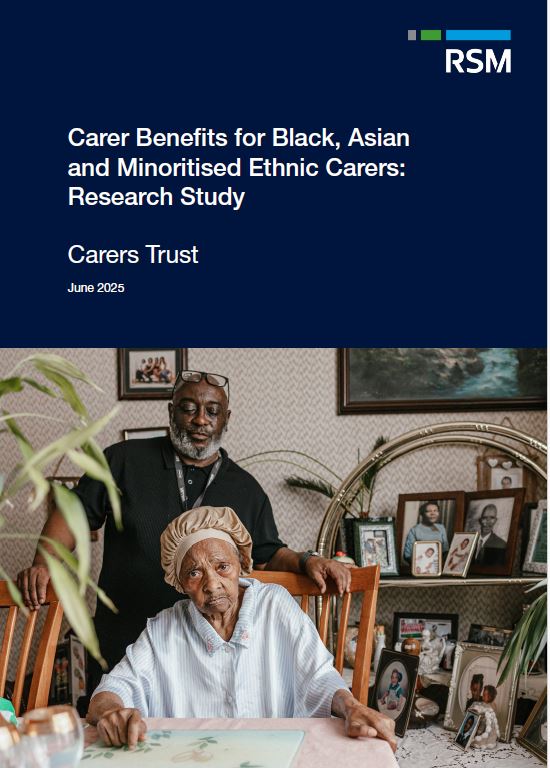
A key presentation came from Andrew of Carers Trust, who shared research into the barriers faced by Black, Asian, and minoritised ethnic carers. The findings highlighted widespread issues: discrimination, language barriers, lack of cultural competence, and difficulties in accessing benefits. Andrew emphasised the need for culturally inclusive services and stronger outreach strategies, while acknowledging feedback from the forum that research and advocacy must be explicit about racism rather than avoiding the term.
Andrew expanded on the importance of equity in benefit advice, pointing out that many carers miss out on their entitlements because information is inaccessible, overly complex, or not communicated in culturally relevant ways. He called for dedicated advice services that are not only multilingual but also sensitive to carers who may not self-identify as such.
He also spoke about the impact of social isolation on carers from ethnic minority backgrounds, who often have fewer support networks and face stigma within their own communities. Addressing this requires building trust with local organisations and ensuring carer support is visible in spaces where communities already gather, such as faith centres or community hubs.
Finally, Andrew outlined the Carers Trust’s national strategy, which involves working more closely with local carer organisations, producing research that amplifies marginalised voices, and lobbying for systemic reforms. He highlighted how this forum’s feedback directly shapes their advocacy, showing a real commitment to partnership.
Questions raised during Carers Trust’s presentation:
How can Carers Trust ensure its research explicitly names racism rather than using softer language?
What specific support can be offered to carers who do not self-identify as carers and miss out on benefits?
How can Carers Trust improve its complaints handling processes, particularly for carers facing racism and discrimination?
What role can MPs and lobbying groups play in supporting Carers Trust’s advocacy for ethnic minority carers?
How will Carers Trust ensure its multilingual materials are distributed widely enough to reach isolated communities?
Hampshire & Isle of Wight NHS Anti-Racism Initiatives
Usually NHS Mental Health trust representatives update on anti-racism initiatives at the forum. This time Hampshire and Isle of Wight engaged with minority carers.
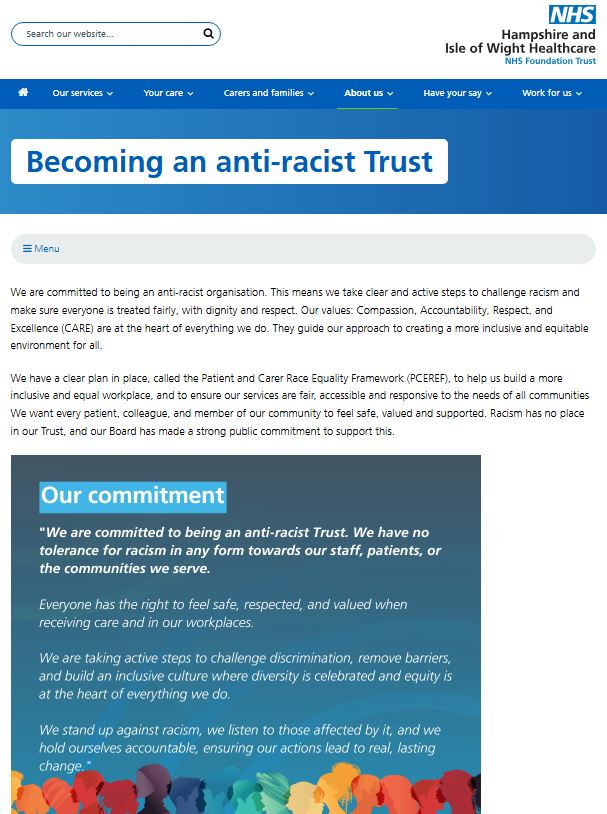
Elton who is the Diversity and Inclusion Partner from Hampshire and Isle of Wight NHS Trust provided an update on their anti-racist programmes, including the rollout of the Patient and Carer Race Equality Framework (PCREF). The trust has begun implementing cultural competence training, engaging with local communities, and embedding anti-racism into its wider mental health services. While early in its journey, the trust is already seeing changes in communication and engagement across different wards and services.
Elton shared that the trust is actively developing training modules on implicit bias, with the aim of reaching every staff member across its services. This training is intended not as a one-off exercise but as part of a sustained culture change programme. Early feedback from staff has been encouraging, with more frontline workers recognising how unconscious bias can influence treatment decisions.
He also described the trust’s efforts to engage directly with service users and carers, ensuring that their lived experiences feed into decision-making. Listening events, surveys, and advisory panels are being used to capture diverse perspectives, with a particular focus on groups who historically felt excluded from consultation.
In addition, Elton emphasised the need for transparency and accountability. The trust will publish regular updates on its PCREF action plan, allowing communities and stakeholders to scrutinise progress. He acknowledged that this is just the beginning, but stressed that embedding anti-racism into healthcare systems requires openness, humility, and sustained commitment.
Participants raised questions about how these initiatives address specific groups, such as older Black carers and prisoners’ families, as well as concerns about public misconceptions of anti-racism work. Elton acknowledged these challenges and committed to following up with colleagues on gaps raised during the discussion.
Questions raised during NHS Trust’s presentation:
How will PCREF specifically address the needs of older Black adults who often feel invisible in services?
What is being done to support the mental health of prisoners (e.g. Albany and Parkhurst prisons) and their families within this anti-racist framework?
How will the trust prevent the public misconception that PCREF “excludes” white people?
What mechanisms are in place to ensure transparency and accountability in publishing progress updates?
How will the trust measure the long-term impact of cultural competence and implicit bias training?
Academic Research Contributions
The forum also heard from Shylet, a PhD researcher from University of Glasgow, who is focusing on learning disabilities. She presented her work on the lived experiences of Black African families caring for adults with learning disabilities, and invited participants to take part in interviews. Their contributions highlighted the importance of academic research in documenting and amplifying carers’ lived realities.
Another important theme was the financial challenges facing carers. The group discussed the complexity of benefits like Carer’s Allowance and how misinformation or fear of losing other entitlements often deters carers from claiming support. A carer expressed reluctance to claim due to concerns about how it might affect their relative’s benefits, while another highlighted the importance of valuing one’s own contribution and recognising caring work. There was frustration with bureaucratic systems that seem designed to exclude, particularly when layered with the additional barriers of language, culture, and discrimination.
Carers also highlighted the immense value of unpaid care, with estimates placing its worth at over £180 billion per year if it were to be paid for by the NHS. This figure underscored the urgent need for better recognition and support of carers’ contributions.
Strengthening Complaints and Accountability
There was a debate around how carers can raise complaints when faced with racism or poor treatment. Many participants expressed a lack of trust in formal systems like the CQC or Ombudsman, feeling that complaints disappear into bureaucracy without change. Suggestions included working with MPs, lobbying groups, or the media to ensure voices are heard.
Final Reflections
The August forum showed once again how necessary it is to hold these difficult conversations. Carers spoke bravely about racism and exclusion, professionals shared updates on anti-racist strategies, and researchers sought to bring lived experience into policy. Yet the message was clear: systemic change requires more than frameworks and research reports. It requires honesty, collaboration, and persistence.
As host, I was encouraged by the passion and determination in the room. The forum continues to grow as a national voice for ethnic minority carers, and our commitment to addressing racism head-on remains at the heart of this work.
Caring for someone with long-term mental illness is a profound act of love and responsibility, just as i cared for my mother, but it is also fraught with emotional complexities, especially within culturally tight-knit communities. The experience of unpaid carers, those who provide care without financial compensation, can be shaped by powerful cultural expectations, traditions, and social pressures. These factors often lead to hidden challenges such as guilt and shame, which can create barriers to seeking help and support.
This blog post which is a transcript of my video explores the intricate dynamics of care guilt and shame, drawing on my insights as facilitator of the National Ethnic Mental Health Care Forum.
While the focus often falls on ethnic minority carers, many of the themes discussed I feel are universal, affecting unpaid carers from all backgrounds. However By examining the cultural ideals, emotional burdens, and systemic challenges faced by carers, we can better understand how to support them and promote positive change in mental health care.
The Role of Culture in Shaping the Carer Experience
Family Duty and Community Honor
In many tight-knit communities, caring for a family member is seen as a moral duty and a source of honor. The expectation is clear: “We look after our own.” This deeply rooted tradition fosters strong family bonds and a sense of belonging. The carer’s role is often defined by values handed down through generations, reinforcing the idea that caring is not just a responsibility but an essential part of one’s identity.
However, these cultural ideals can also create significant challenges. The notion that the “perfect carer never complains or needs help” sets an unrealistic standard, making it difficult for carers to express their struggles or seek support. Weakness is discouraged, and the pressure to cope without showing strain is especially pronounced among men, who may feel compelled to “man up” and avoid displaying vulnerability.
Keeping Illness Within the Family
Another common theme is the tendency to keep issues of ill health, particularly mental illness, within the family or community. This approach is often seen as a way to protect the family’s reputation and maintain social cohesion. Religious and cultural beliefs may further reinforce the idea that problems should be addressed privately, sometimes through prayer or spiritual practices, rather than seeking external help.
While these traditions can provide comfort and a sense of solidarity, they can also lead to isolation and prevent carers from accessing the support they need. The fear of gossip, judgment, or being seen as failing in one’s duty can be overwhelming, especially when mental health is stigmatized or misunderstood within the community.
The Emotional Weight of Caring: Guilt and Shame
How Guilt Creeps In
Guilt is a pervasive emotion among carers, particularly when cultural norms dictate that they should be able to handle all challenges alone. The demands of caring often mean missing out on community events, family gatherings, or social obligations. Community leaders or members may notice these absences and interpret them as letting the community down, adding to the carer’s sense of guilt.
This guilt can manifest in several ways:
Resentment and Frustration: Carers may feel frustrated with themselves or the person they are caring for, leading to emotional strain and potential conflict.
Personal Guilt: The belief that needing a break or personal time is selfish can prevent carers from prioritizing their own well-being, even when burnout is imminent.
Fear of Judgment: In large families or communities, the expectation to manage alone can be overwhelming. Carers may worry about being judged or seen as failing in their role.
The Catch-22 of Self-Care
The need for personal time and self-care is undeniable, yet carers often feel trapped in a catch-22. Taking time for themselves is viewed as selfish, but neglecting their own needs can have detrimental effects on their mental and physical health. The pressure to uphold cultural ideals and avoid showing weakness makes it difficult to break this cycle.
In some communities, there may not even be a word for “carer”—it is simply assumed that family members will step in as needed. This lack of recognition further compounds the challenges, as carers struggle to articulate their needs or seek validation for their efforts.
The Impact of Shame and Stigma
Saving Face and Avoiding Help
Shame is closely linked to guilt, and both emotions can prevent carers from reaching out for help. The desire to “save face” is strong in many communities, where reputation and social standing are highly valued. Admitting to struggles or accepting support may be seen as a sign of weakness or failure, leading carers to reject offers of assistance from mental health services or outreach programs.
Internalized comments such as “this is your duty,” “you must put up a front,” or “we don’t put family in care” reinforce the belief that seeking help is unacceptable. The fear of gossip and misunderstanding is real, especially in communities where mental health is poorly understood or lacks a cultural vocabulary.
Religious and Cultural Barriers
Religious identity can also play a role in shaping attitudes toward mental health and caring. In some faith-based communities, there may be little space for open discussion about mental illness, and spiritual solutions may be favored over professional support. This can create additional barriers for carers, who may feel unsupported or misunderstood by both their community and the wider mental health system.
Systemic Challenges: Inequalities in Mental Health Care
The Patient Care Race Equality Framework (PCREF)
Recognizing the unique challenges faced by minority carers, NHS England has developed the Patient Care Race Equality Framework (PCREF). These set of policies aims to tackle inequalities in mental health care, particularly for ethnic minority groups. The framework emphasizes the importance of breaking down guilt and shame, promoting better outcomes for minority communities, and ensuring that carers’ voices are central to service design and decision-making.
However, systemic barriers persist. Minority carers may be reluctant to engage with mental health services due to fears of poor outcomes, discrimination, or further isolation. The double tragedy is that those who need support the most are often the least likely to receive it, as both community and systemic factors conspire to keep them from seeking help.
The Importance of Carers’ Voices
A key focus of the National Ethnic Mental Health Care Forum is to ensure that carers’ voices are heard and valued. Too often, the emphasis is placed solely on patients or those with lived experience, overlooking the vital role that families and carers play. Guilt and shame can stop carers from engaging with services, making it essential for mental health systems to recognize and address cultural barriers.
Breaking the Cycle: Towards Better Support and Outcomes
Engaging with Communities
To break the cycle of guilt and shame, it is crucial to engage directly with communities. This means attending religious and cultural gatherings, listening to minority carers and patients, and understanding the specific struggles they face. Education is key!! both for carers and for mental health professionals. Training staff to appreciate community values and avoid assumptions about disengaged carers can help foster trust and collaboration.
Creating Safe, Non-Judgmental Spaces
Safe spaces where carers feel invited and heard are essential. These settings should be non-judgmental and designed to encourage open dialogue. Just like my Ethnic carer forum. Co-production, where patients and carers are involved in designing and delivering services and can help ensure that support is tailored to the needs of diverse communities.
Promoting Positive Role Models
Just as I mentioned when I spoke at the North East London NHS PCREF event, I feel that Role models play a powerful role in challenging stigma and inspiring change. Mental health trusts and systems should promote positive examples of carers who have reached out for help and benefited from support. Sharing stories and experiences can help others see that seeking help is not a weakness, but a strength.
Self-Care as Strength
Promoting self-care as a strength, rather than a weakness, is vital. Carers need to recognize that it is okay to ask for help and take time for themselves. Engaging with community leaders and faith networks can help change attitudes and reduce stigma, using trusted voices to advocate for better understanding and support.
The Path Forward: Building Inclusive Mental Health Services
Co-Production and Service Design
Including carers in service design and decision-making is essential for building inclusive mental health services. By putting carers at the center of policy and practice, systems can better address the unique challenges they face and promote positive outcomes for all.
Education and Awareness
Ongoing education and awareness-raising are critical. Carers, communities, and professionals must work together to challenge stigma, promote understanding, and create environments where everyone feels supported.
The Power of Conversation
Ultimately, breaking the cycle of care guilt and shame requires open conversation and a willingness to learn from each other. By sharing experiences, listening to diverse voices, and fostering empathy, we can build stronger, more inclusive communities and mental health systems.
Conclusion
Care guilt and shame are complex, deeply rooted issues that affect unpaid carers across culturally tight-knit communities. The emotional weight of caring, compounded by cultural expectations and systemic barriers, can lead to isolation, burnout, and reluctance to seek help. Addressing these challenges requires a multifaceted approach engaging with communities, promoting positive role models, creating safe spaces, and ensuring carers’ voices are central to service design.
By working together to challenge stigma and promote understanding, we can support carers in their vital role and build mental health services that truly meet the needs of all. The journey is ongoing, but with awareness, education, and compassion, positive change is possible.
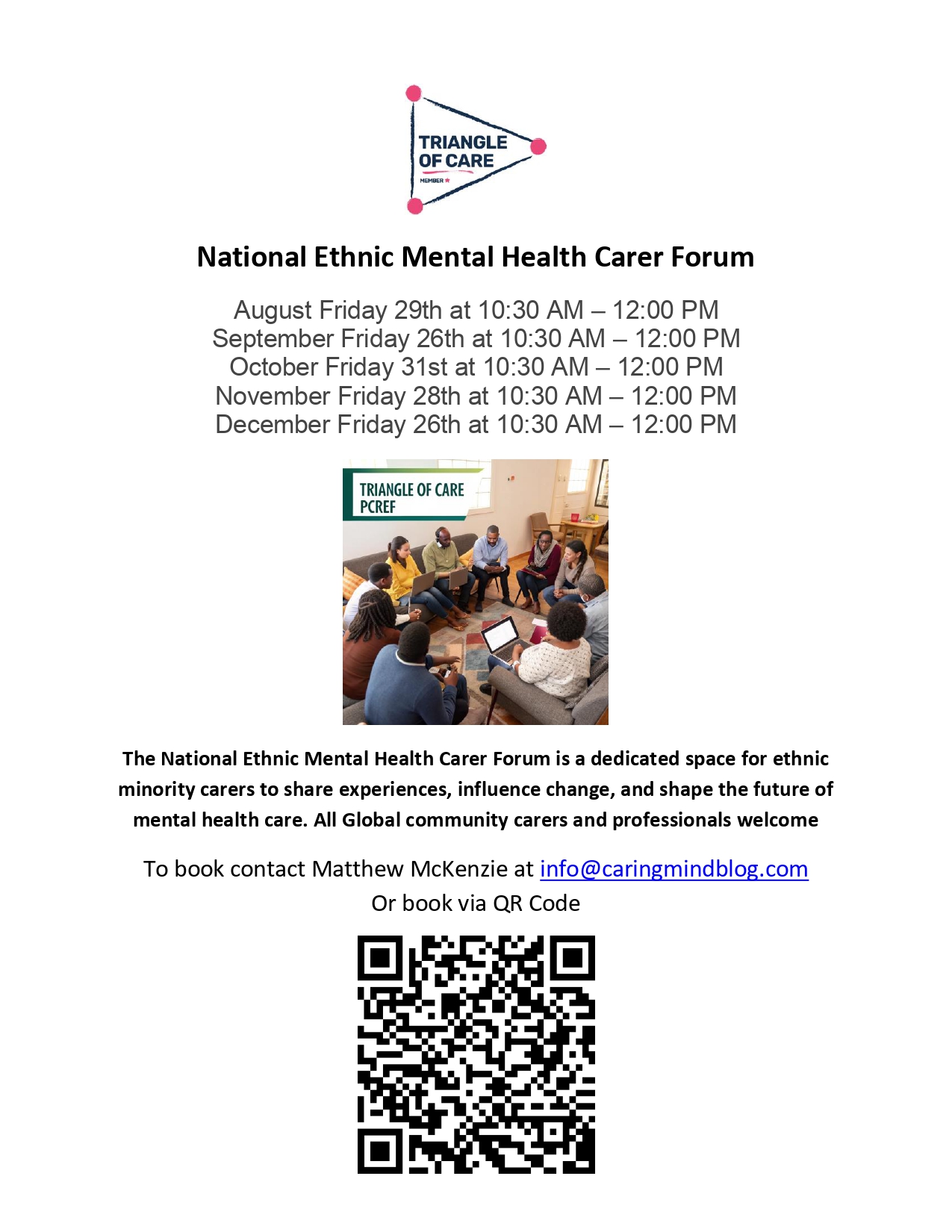
Caring for someone with mental illness? Check out our Ethnic carer forum. Dates shown below.





















 A Caring Mind