Tag Archives: mental health carers

Hospital Carer Discharge Meeting – November Update 2025

Chaired by: Matthew McKenzie – Lived Experience Carer

Welcome to the November 2025 update of the Hosptial Carer discharge group. The Hospital Carer Discharge Group is a collaborative network chaired by lived-experience carer Matthew McKenzie, bringing together unpaid carers, carer-centre teams, hospital staff and local authority representatives to improve how carers are identified, supported and involved throughout a patient’s hospital journey.

The group provides a space to share updates from hospitals and carers’ organisations, highlight challenges in discharge processes, strengthen links between community and acute services, and promote consistent carer-focused practices such as using the Carers Hospital Discharge Toolkit, developing standard operating procedures, and raising staff awareness.

The November meeting focused updates from the South East London Carer Standard Operating Procedure pilot, improving carer identification, strengthening links between community and hospital services, and practical challenges in engaging hospital teams.

For those who don’t know, In the context of the Hospital Carer Discharge an SOP is a step-by-step, structured process that hospital staff follow to ensure unpaid carers are identified, informed, supported and included consistently during a patient’s hospital stay and discharge.

It usually outlines:

  • How to record, communicate and follow up on carer involvement
  • Who is responsible at each stage (nurses, discharge teams, carer services)
  • What actions must be taken (e.g., asking about caring roles, sharing information, making referrals)
  • When these actions should happen (admission, treatment phase, discharge planning)

Who Attended

The session was well attended by a mix of carers, hospital representatives, and carer-centre staff, including:

Carer representatives

  • Matthew McKenzie – Chair; lived experience mental health carer; Carers UK, Carers Trust & NHS England Citizens Advisory Group volunteer.
  • Caroline – Lewisham carer, Healthwatch Lewisham member & Patient Experience Committee representative.
  • Various peer supporters, carers involved in local networks and PPGs.

Carer support organisations

  • Carers Hub Lambeth
  • Tower Hamlets Carer Centre
  • Wandsworth Carer Centre
  • North Central London Carers Support Project

Apologies

  • Sutton Carers Centre
  • Richmond Carers Centre
  • Greenwich Carers Centre
  • Harrow Carers Centre
  • Bromley Well
  • IMAGO – Lewisham carers Centre
  • Bexley Carers Support
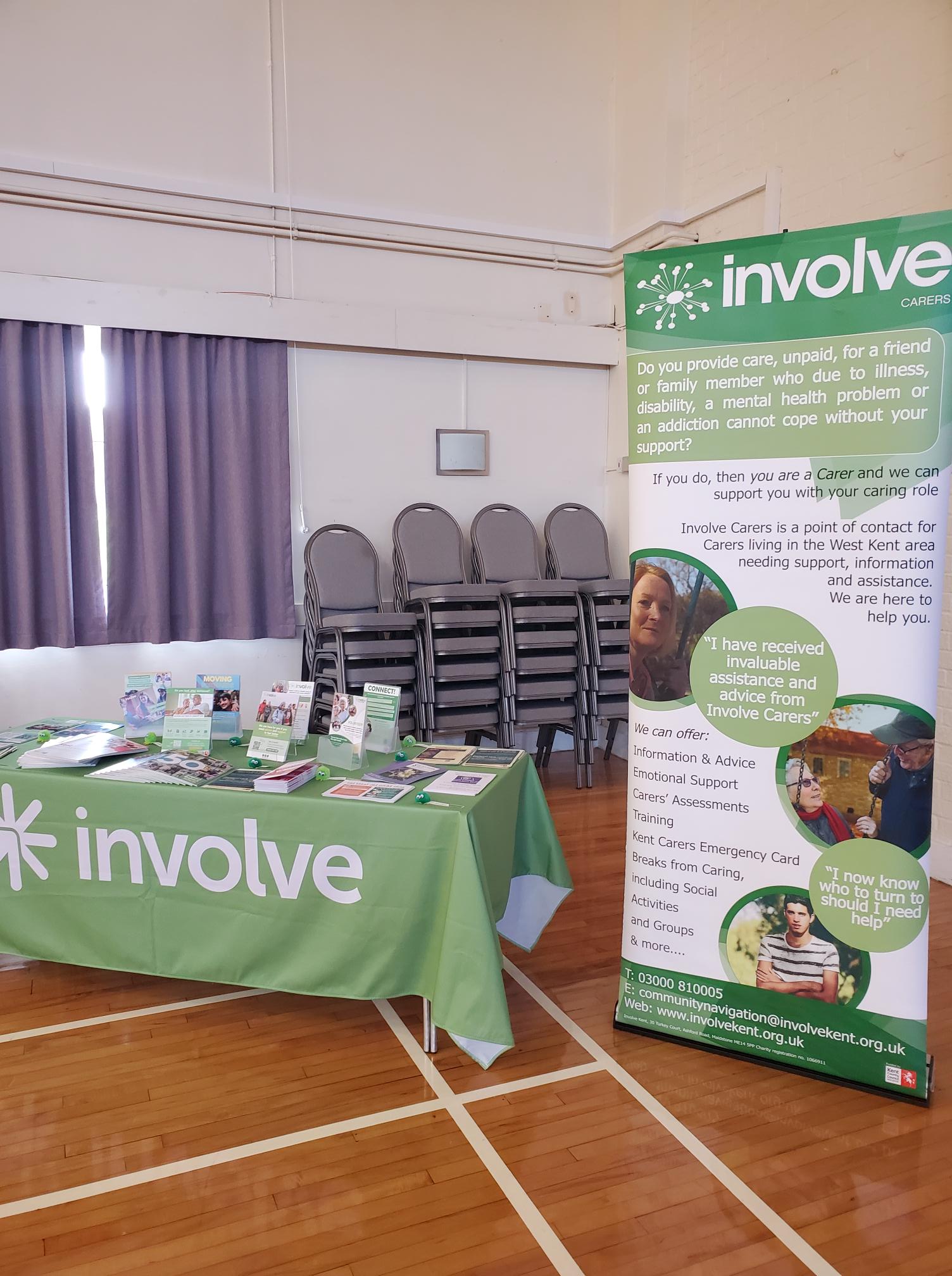
  • Involve Kent

Hospitals & NHS staff

  • Queen Elizabeth Hospital (Lewisham & Greenwich NHS Trust)
  • Public Service Consultants (PSC)
  • Bromley, Lambeth, Lewisham, Greenwich council leads (mentioned in discussion)
  • St George’s Hospital (GESH) – references to staff

Meeting Overview

  • The growing importance of carer involvement in hospitals, especially with mental health pressures and changes to the Mental Health Act.
  • The group’s purpose: sharing updates, strengthening links between carers and hospitals, and improving the implementation of the Carers Hospital Discharge Toolkit.

Key Presentation – Update on the South East London Carer SOP Pilot

Speaker: Public Service Consultants (PSC)

The major portion of the meeting focused on the pilot testing of a new 11-step Standard Operating Procedure for identifying and supporting unpaid carers across hospitals in South East London.

🔹 Hospitals involved in the SOP pilot

  1. King’s College Hospital – Acute Medicine ward
  2. University Hospital Lewisham – Hawthorne (older patients) and Alder (specialty medicine) wards
  3. Princess Royal University Hospital (Bromley) – Frailty Unit via Transfer of Care Hub

🔹 Key outcomes

  • King’s College Hospital saw the strongest progress.
    • Nurses proactively engaged unpaid carers.
    • All leaflets and materials were distributed within weeks.
    • Carer details (with consent) were passed to Lambeth Carers Hub.
    • Nursing staff requested feedback loops to see the impact of referrals.
  • Lewisham Hospital
    • Progress slower initially; improved after site visits.
    • Ward managers highly supportive and embedding SOP practices.
    • Lewisham Council exploring funding for an in-hospital carers support team.
  • Princess Royal (Bromley)
    • SOP and leaflets now shared with the frailty unit.
    • Council to continue taking work forward.

🔹 Overall reflections

  • Hospitals still experience heavy winter pressures and staff capacity issues.
  • Engagement differs widely between NHS trusts.
  • Many ward teams had never seen the London Carers Toolkit, indicating a need for simplification.
  • Councils intend to continue cross-borough meetings after PSC’s involvement ends.

Issues & Discussion Points

1. Gaps in consistency across hospital sites

  • Queen Elizabeth Hospital (QEH) had not been part of the pilot, they have requested to be included
  • Staff expressed interest in adopting SOP materials and joining future rollout.

2. Carer diversity and training needs

Caroline highlighted the need for:

  • Training reflecting different care needs: LD, dementia, mental health, elderly carers.
  • Cultural diversity considerations in how carers interact with hospital teams.
  • Better alignment with Lewisham & Greenwich’s Compassion in Care programme.

3. Current SOP scope limitations

  • SOP starts at the ward stage, but carers need involvement pre-admission and post-discharge.
  • Best practice from NICE and the national toolkit emphasises whole-journey support.

4. Hospital culture & resistance

Carer-centre staff described feeling:

  • Like a “hindrance” in MDT or discharge meetings
  • Sometimes unwelcome or blocked from engaging on wards
  • Fighting clinical priorities vs. carer rights
  • Still needing major awareness-raising to reduce resistance

A carer noted power imbalances and the risk that carers are seen as “barriers to discharge” rather than essential partners.


Updates from Carer Centres & Hospital Teams

Carers Hub Lambeth

  • Significant increase in referrals, especially from King’s.
  • Engagement seems weaker at Guy’s & St Thomas’, it looks to be still pushing for a stronger carers strategy there, but hopeful the strategy should pick up.
  • Working with ward rounds and direct conversations with carers.

North Central London Carers Project

Working across 8 hospital sites, possilbly

  • Royal Free Hospital
  • Barnet Hospital
  • North Middlesex Hospital
  • Chase Farm Hospital
  • The Whittington Hospital
  • University College Hospital
  • St Pancras Rehabilitation (Camden and West London)
  • Community Central London Trust 
  • North London Foundation Trust (Mental Health)

Updates include:

  • A hospital “menu” to track progress across the toolkit (training, comms, discharge planning).
  • Embedding carers into induction programmes.
  • Co-authoring discharge documentation at St Pancras Rehab Centre with dedicated “carer sections”.
  • Upcoming use of Cerner electronic records system to automatically flag carers.

Tower Hamlets Carer Centre

Carer representative based at Royal London Hospital (east London)

Challenges include:

  • Slow referrals & reliance on staff awareness
  • Some carers only identified at crisis stage
  • Need to expand the carers passport across Royal London
  • Hackney pilot ends in March concerns about future funding

Wandsworth Carer Centre / St George’s

SONY DSC
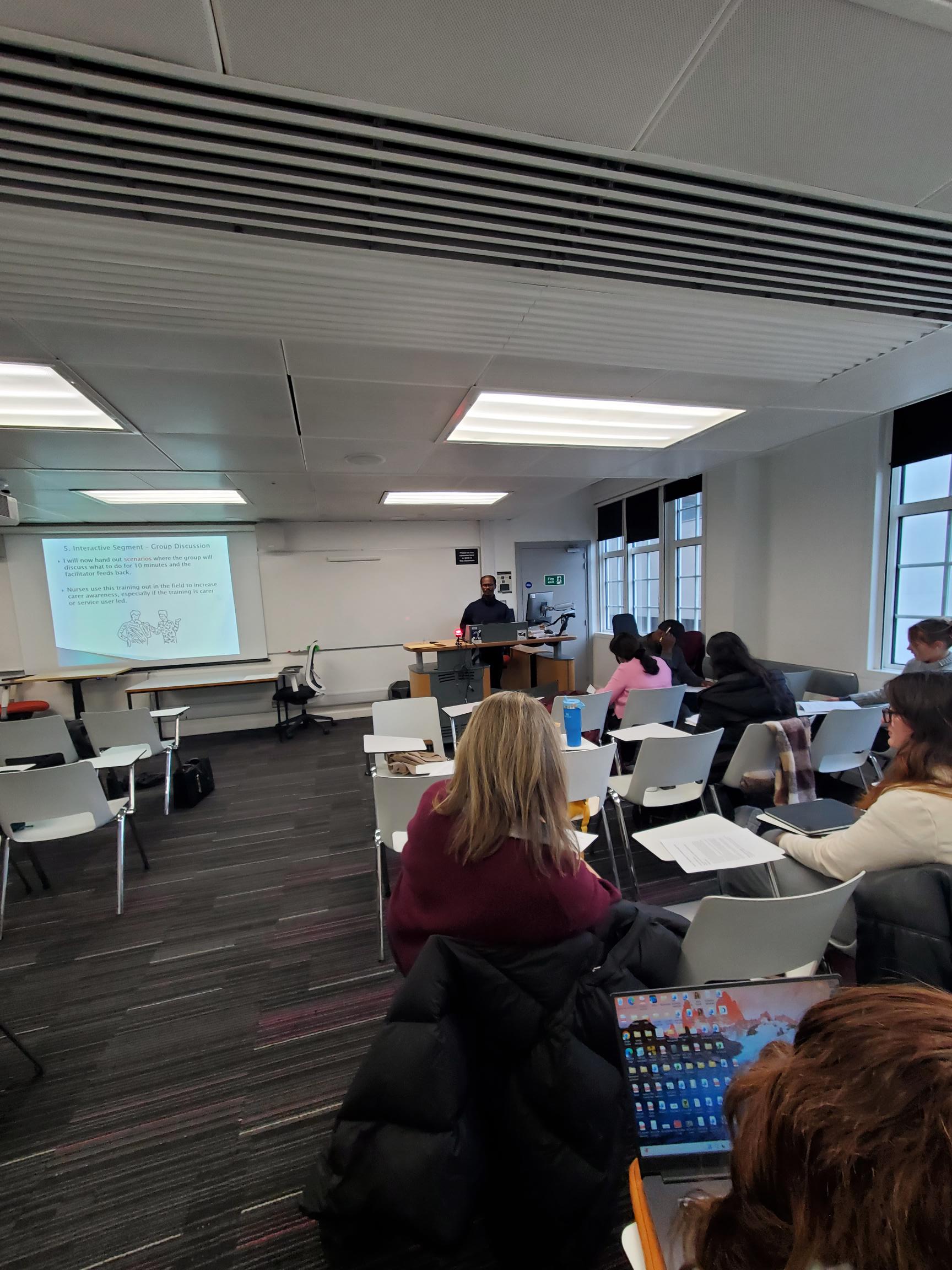
  • Developing carer awareness training with Patient Experience Team
  • Growth in referrals after training sessions, though staff forget over time
  • Plan to expand ward coverage
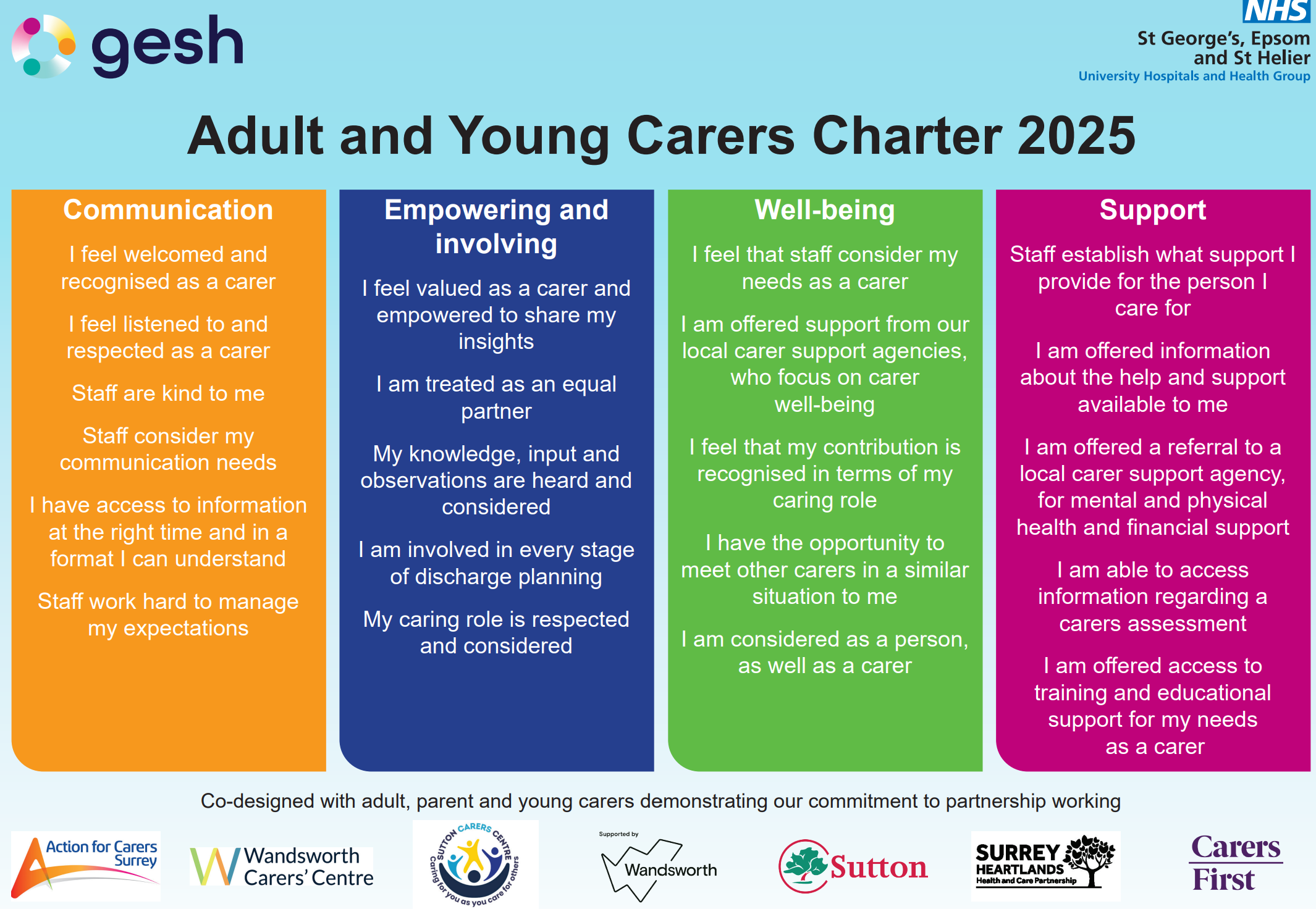
  • As chair I shared St George’s new Carers Charter as a tool for accountability

Carer-Led Developments in Primary Care

A group of Lewisham unpaid carers has begun major work with GP practices, including:

  • Creating a PCN-wide carers information pack
  • Ensuring carer champions in GP surgeries
  • Working with pharmacies to distribute information
  • Improving identification on GP systems
  • Exploring alignment with Lewisham’s new Carers Action Plan

Plans for the Future

  • More invitations to NHS carer strategy leads
  • Sharing SOP materials with non-pilot hospitals where possible.
  • Matthew to link contacts across councils and hospitals for ongoing monitoring, being the following boroughs e.g.

Lewisham

  • Assistant Director – Adult Mental Health & Wellbeing
  • Joint Commissioner – Adult Mental Health & Wellbeing

Greenwich

  • Strategic Commissioning Lead
  • Commissioning Lead for Carers

Bromley

  • Assistant Director – Commissioning
  • Commissioning Officer

Bexley

  • Service Manager – Adult Social Care

Lambeth

  • Integrated Commissioning Manager – Adults and Health

Southwark

  • Strategic Programmes Manager
  • Commissioning Manager

Medium-term aims

  • Push for in-hospital carer support teams in Lewisham & Greenwich.
  • Expand training and embed carers into staff induction.
  • Improve pre-admission and discharge-planning pathways on carer identification and involvement for familes and carers.
  • Stronger collaboration between LD nurses, dementia teams, and carers services.

Longer-term aspirations

  • Greater consistency across trusts
  • Unified carers strategy within each hospital
  • A system where carers are routinely recognised, supported, and involved in decisions

Closing Remarks

As cchair I closed the meeting by thanking attendees and acknowledging the collective effort to improve carers’ experiences across London hospitals. I reaffirmed the importance of:

  • Making carers visible
  • Ensuring rights are upheld
  • Strengthening trust–carer relationships
  • Carrying learning into the new year

The next meeting will be scheduled in January, with hopes of smoother cross-hospital collaboration in 2024.

The Digital Revolution in Unpaid Care: Empowering Carers Through Technology

From Matthew McKenzie carer activist

For Unpaid carers those who support loved ones living with long-term physical or mental health conditions, they face a unique set of challenges. The role is often demanding, emotionally taxing, and can feel isolating. Yet, in recent years, the rapid advancement of digital tools, apps, and online platforms has begun to transform the landscape of unpaid care, offering new avenues for support, organization, and connection.

My blog is a short transcript of my longer video below

Drawing from the lived experience as a passionate advocate for unpaid carers and an IT professional, my article and video explores how digitization, artificial intelligence, and mobile technology are reshaping the way informal carers manage their responsibilities. We’ll delve into the practical benefits, the most useful apps, and the limitations of technology in the caring role, providing a comprehensive guide for carers seeking to harness digital tools for their own well-being and the well-being of those they support.


Understanding the Role of Technology in Unpaid Care

The Growing Demands on Carers

Unpaid carers often juggle multiple responsibilities: managing medication schedules, tracking symptoms, coordinating appointments, and advocating for their loved ones with health professionals. The emotional and cognitive load can be overwhelming, especially when combined with work, family, and personal commitments.

As I points out, “As humans, we can only remember things so often. So, especially when we’re getting older or if we are under a lot of stress trying to juggle our caring role and busy lives, it does help to have apps that can schedule these things.”

The Promise of Digitization

Digitization offers carers a “second brain”, a way to offload tasks, reminders, and information, reducing stress and mental clutter. Mobile phones, now more powerful than ever, serve as hubs for health management, communication, and emotional support. But while technology can be transformative, it’s not without its challenges, including digital literacy, access, and the irreplaceable of value of human connection.

The Future of Care: Technology as an Empowering Force

The digital revolution is reshaping unpaid care, offering carers new ways to manage responsibilities, connect with others, and support their own well-being. While technology is not a replacement, it can be a powerful ally, reducing stress, improving organization, and fostering community.

As my experience shows, embracing digital tools can transform the caring journey. By leveraging apps for health management, communication, and emotional support, carers can reclaim control, reduce isolation, and find new sources of strength.

Ultimately, the goal is not to replace human kindness or connection, but to empower carers with the tools they need to thrive. With thoughtful adoption and ongoing support, technology can help unpaid carers navigate the challenges of their role and build a brighter, more connected future.

Resources and Recommendations my video covers

Essential Apps for Carers

  • Pill Reminder: Medication management and alerts
  • Medsafe: Medication tracking and scheduling
  • NHS App: Health records, care plans, and feedback (UK)
  • Google Calendar / Microsoft Outlook: Appointment and routine management
  • To-Do List / Trello: Task organization
  • Zoom / Microsoft Teams / Google Chat: Virtual support groups and communication
  • Siri / Google Assistant: Voice commands and reminders
  • AI Journals / Well-being Apps: Emotional support and mindfulness

Tips for Safe and Effective Use

  • Choose reputable apps with strong privacy policies
  • Keep software updated to ensure security
  • Seek training or support if you’re new to digital tools
  • Balance online and offline support for holistic well-being

Conclusion

Unpaid carers are the unsung heroes of our communities, providing vital support to those living with long-term ill health. The rise of digital tools and technology offers new hope, making the caring role more manageable, less isolating, and more connected.

By embracing digitization, carers can streamline their responsibilities, access emotional support, and build resilient communities. While challenges remain, the future of care is bright, powered by technology and the enduring spirit of human kindness.

Calling All Carers: Get Involved with the OSMOSIS Research Project

Blog by Matthew McKenzie – Carer activist

As someone who’s been advocating for carers for years through A Caring Mind, I know how important it is that carers’ experiences influence the way support systems are built. The OSMOSIS project offers a real chance to help improve understanding and services for those of us supporting loved ones with severe mental health conditions.

If you are caring for someone living with psychosis, schizophrenia, or bipolar disorder, here’s an opportunity to make your voice heard.

Continue reading

Lewisham, Southwark & Lambeth carer forum update September 2025

By Matthew McKenzie – Carer activist and facilitator of the group

The group is a community of carers in Lambeth, Southwark and Lewisham that exists to provide support, advocacy, and connection for people looking after loved ones living with mental illness. It brings together unpaid carers of all ages and backgrounds to share experiences, learn from one another, and build confidence in dealing with health and social care professionals. A core part of its mission is reducing isolation by creating a safe space where carers can speak openly, develop skills, and access practical resources like advocacy services.

The meeting began with introductions and updates from various participants, including myselff where I discussed work with London Hospitals and the NHS app, while other carers introduced themselves to the group. In attendance was Tama from PohWer presented information about carer complaints and support services across different regions, including discussions about the potential impact of Healthwatch’s dissolution on patient and carer support services.

Continue reading

Hospital Carers Discharge toolkit Meeting Update September 2025

By Matthew McKenzie – Carer activist

London Carer Organizations Network Update

The meeting focused on introductions and updates from various organizations supporting unpaid carers across London. Matthew McKenzie facilitated the session, introducing participants from different boroughs and organizations, including

  • NHS England
  • Healthwatch (local advisory committee involvement)
  • North Central London Carer Support Project (covering Barnet, Haringey, Camden, Enfield, and Islington)
  • The PSE (supporting South East London local authorities: Bexley, Bromley, Lambeth, Lewisham, Greenwich, and Southwark)
  • Richmond Borough Mind
  • Richmond Carers Centre
  • Kingston Carers Network
  • St George’s, Epsom and St Helier Hospital Group
  • Sutton Carers Centre
  • Carers Hub Lambeth (supporting unpaid carers, with hospital carers leads at King’s College Hospital and Guy’s & St Thomas’ Hospital)
  • Lewisham carers services (Imargo service manager)

Apologies from

Bromley Wells
Bexley Carers Support
Greenwich Carers
Ealing Carers Partnership
Tower Hamlets Carers Centre

NHS England updates including Universal Care Plan Updates

A representative from NHS England highlighted good news about the Hospital Discharge Toolkit, which had been originally developed in London by Debbie Hustings. The toolkit has already been adopted across much of southwest London with strong results. Recently, all NHS regions were asked to contribute work on hospital discharge, focusing particularly on carers’ experiences. When this went up to the Executive Quality Board at the national level, the London toolkit received recognition. The recommendation that came back was that all regions should develop something similar they could adopt London’s version directly or tailor one for their own needs. The representative stressed that this kind of recognition is significant because it helps the toolkit be taken more seriously and provides momentum for further rollout

Continue reading

Interview with Elsie

Caring for a loved one is a role that often goes unseen and undervalued. In this interview, Matthew McKenzie speaks with Elsie, a 73-year-old carer and activist, about her journey as an unpaid carer, the challenges she’s faced, and her mission to support others walking the same path.

Standing Strong for Carers’ Rights

Elsie refuses to be silenced. Though at times labeled as a “persistent, unreasonable complainer,” she sees her persistence as a duty to her loved ones and to other carers. For her, raising concerns is about advocating for better care and systemic improvements.

Her advice to carers is simple but powerful:

  • Trust your instincts.
  • Don’t give up until your loved one gets the right care.
  • Learn about carers’ rights and stay engaged in decisions.

Finding Strength in Words

In a deeply moving moment, Elsie shared a poem she had written for the Book of Remembrance at Honor Oak Crematorium, in memory of her son. Her words reflect not only grief but also strength, love, and the motivation to keep advocating for change.

You’ll always be our hero.

Although you’re gone, we’re not apart.
Our love for you keeps going,
It stays deep within our hearts.

Football, food and fishing
Were what it was all about.
Blue is the color,
Come on, you lions, to shout.

Lewisham, Southwark & Lambeth carer forum update August 2025

The meeting facilitated by Matthew McKenzie began with introductions from participants and updates on various carer support initiatives, including forum mergers and NHS plan changes.

Local council strategies and initiatives were discussed across different boroughs, with particular focus on Lambeth and Southwark’s carer support plans and the development of a carer’s forum in Lewisham. The group explored challenges faced by carers, including access to primary care and the need for better coordination, while discussing recent conferences and upcoming events aimed at supporting and advocating for carers’ rights.

Lewisham Carers Strategy and Service Updates

Lewisham is currently refreshing its Carers Strategy to strengthen support for unpaid carers and improve access to local services. The focus is on ensuring carers are included in decision-making through co-production and collaboration with the council, health providers, and community organisations. A major priority is improving well-being services, providing better information, and ensuring carers know their rights under the Carers Leave Act.

As part of wider NHS reforms, Lewisham is moving towards a neighbourhood-based care model designed to bring services closer to local communities. While this aims to make access more seamless, carers raised concerns about inconsistent GP access, gaps in communication, and challenges navigating between boroughs when supporting loved ones. The forum highlighted the importance of better coordination between primary care, hospital discharge planning, and mental health services to ensure carers are recognised and supported.

Lambeth Carers Strategy Refresh

Lambeth is currently refreshing its Carers Strategy with the aim of improving services, increasing visibility, and ensuring carers have a stronger voice in decision-making. The updated strategy focuses on key priorities such as well-being, access to assessments, respite options, and workforce training for those supporting unpaid carers.

There was a particular focus on improving support for mental health carers in Lambeth. The Carers Hub Lambeth team continues to facilitate peer support groups and collaborates closely with the South London and Maudsley NHS Foundation Trust to ensure carers are recognised as partners in care planning. Initiatives like Triangle of Care are gaining momentum, emphasising better communication between professionals and families while creating pathways for carers to get involved in shaping local mental health services.

Carers Hub Lambeth also celebrated the growing range of community-based activities available for carers and families in Lambeth. Over the summer, there have been several events designed to support young carers, including trips, tours, and group workshops aimed at helping them connect with others and access emotional support. These initiatives are part of Lambeth’s broader goal to make sure younger carers, who are often overlooked, receive the help they need both at home and within education.

One of the key upcoming events for Lambeth carers is the Lambeth Carers Strategy Event taking place on 25th September 2025 at 336 Brixton Road. The session will bring together carers, professionals, and decision-makers to review plans, share ideas, and set priorities for the future. Carers are strongly encouraged to attend to ensure their voices are heard and to take part in shaping the borough’s action plans moving forward.

Southwark Council Carers Support and Strategy Group

Matthew fed back on how Southwark Council continues to strengthen its approach to supporting unpaid carers, with a growing emphasis on improving access to information, assessments, and respite services.

The Unpaid Carers Strategy Refresh is a project running from August 2025 to April 2026, led by Southwark Council in collaboration with Adult Social Care, the NHS, local voluntary groups, and unpaid carers themselves. The plan focuses on improving support for carers by updating evidence on local needs, strengthening engagement with seldom-heard groups, and mapping gaps in current services.

Key priorities include better access to respite care, enhanced referral pathways, stronger partnerships with health services, and improved inclusion of young carers, carers with disabilities, and LGBTQ+ carers. The initial phase, from August to October, involves reviewing existing strategies, mapping current services, gathering insights through focus groups and surveys, and benchmarking against national policies and neighbouring boroughs.

The forum highlighted the importance of co-production, ensuring that carers are actively involved in shaping local strategies and service priorities.

Update on Key Themes from the final NHS England Carers Conference

Matthew highlighted that the 2025 NHS England carers conference placed a strong emphasis on recognising unpaid carers as essential partners in delivering effective healthcare. The NHS stressed its commitment to involving carers in shaping services and policies, ensuring their voices are reflected at every stage of decision-making. There was a clear acknowledgement that without unpaid carers, many health and social care systems would face significant pressure.

You can watch the conference below.

A major focus was on the NHS’s shift towards neighbourhood-based care models designed to bring services closer to communities. Matthew explained that this change aims to improve coordination between GPs, hospitals, and mental health services, but he also highlighted concerns raised about fragmented communication and the risk of carers being left out of local planning. Carers at the conference called for better access to information and more joined-up pathways across boroughs.

The conference also featured interactive workshops and discussion groups focused on co-production, digital innovations, and addressing inequalities among carers. Specific sessions explored improving support for young carers, carers from minority backgrounds, and those supporting loved ones with mental health needs. The event closed with a call to action for stronger collaboration between carers, NHS teams, local authorities, and community organisations. Attendees were encouraged to get involved in upcoming forums and engagement opportunities to help shape future services and ensure carers’ voices are at the heart of decision-making.

Matthew shared updates on national policy developments discussed at the conference, including the Carers Leave Act and commitments to expanding access to respite, assessments, and flexible working rights. There was also a discussion about new digital tools and support platforms designed to make it easier for carers to connect with professionals and access resources. However, many attendees expressed concerns that these initiatives need proper funding and training to work effectively in practice.

Why Unpaid Carers need to be aware of learning Digital Skills

By Matthew McKenzie

The Urgent Need for Digital Skills Among Unpaid Carers

Unpaid carers who provide support to family members, friends, or neighbors with long-term health conditions are the backbone of many communities. Their work is often invisible, yet it is essential for the well-being of countless individuals. As healthcare systems rapidly digitize, the landscape of caregiving is undergoing a profound transformation. Unpaid carers now face the challenge of adapting to new technologies, digital platforms, and online resources that are becoming integral to the delivery of care.

This blog explores why technical and digital skills are no longer just optional for unpaid carers. The blog is also a transcript of matthew’s video below.

Drawing on insights from matthew’s experience as an unpaid carer & IT professional and advocate for carers, we delve into the practical reasons behind this shift, the opportunities and challenges it presents, and the future trends that will shape caregiving in the years to come.

The Changing Face of Caregiving

Digitization in Healthcare

Healthcare is moving online at an unprecedented pace. Electronic health records, telehealth platforms, wearable health devices, and digital prescriptions are becoming the norm. The reasons are clear: digitization streamlines processes, reduces costs, and enables real-time access to critical health data. For unpaid carers, this means that many aspects of their role now require interaction with digital tools.

The Role of Carer Centers

Local carer centers have traditionally been the first point of contact for those seeking support. As these centers will play a crucial role in helping carers acquire the skills needed to navigate the new landscape. Online training, virtual support groups, and digital resource libraries are just some of the ways carer centers are evolving.

Overcoming Barriers to Digital Inclusion

Challenges Faced by Carers

Not all carers are comfortable with digital environments. Some may lack the means to access technology, while others face disabilities that make using digital platforms difficult. For example, visual impairments can pose significant challenges. It’s important for carer centers and support organizations to recognize these barriers and provide alternative solutions where possible.

The NHS 10-Year Plan

Digitization is at the heart of the NHS’s long-term strategy. Unfortunately, unpaid Carers who fail to meet the demand for digital skills may find themselves excluded from essential services and support. Embracing technology is not just about keeping up, it’s about empowering carers to meet the needs of those they support with confidence and efficiency.

Conclusion

The digitization of healthcare is transforming the role of unpaid carers. Technical and digital skills are now essential for accessing resources, coordinating care, and advocating for loved ones. While the transition may be challenging, it offers opportunities for greater efficiency, independence, and empowerment.

If you are an unpaid carer, now is the time to invest in your digital skills. Seek out training, connect with support networks, and take advantage of the tools available. Your role is vital, and with technology on your side, you can continue to make a difference in the lives of those you care for.

Understanding Care Guilt and Shame in Culturally Tight-Knit Communities

By Matthew McKenzie

Caring for someone with long-term mental illness is a profound act of love and responsibility, just as i cared for my mother, but it is also fraught with emotional complexities, especially within culturally tight-knit communities. The experience of unpaid carers, those who provide care without financial compensation, can be shaped by powerful cultural expectations, traditions, and social pressures. These factors often lead to hidden challenges such as guilt and shame, which can create barriers to seeking help and support.

This blog post which is a transcript of my video explores the intricate dynamics of care guilt and shame, drawing on my insights as facilitator of the National Ethnic Mental Health Care Forum.

While the focus often falls on ethnic minority carers, many of the themes discussed I feel are universal, affecting unpaid carers from all backgrounds. However By examining the cultural ideals, emotional burdens, and systemic challenges faced by carers, we can better understand how to support them and promote positive change in mental health care.


The Role of Culture in Shaping the Carer Experience

Family Duty and Community Honor

In many tight-knit communities, caring for a family member is seen as a moral duty and a source of honor. The expectation is clear: “We look after our own.” This deeply rooted tradition fosters strong family bonds and a sense of belonging. The carer’s role is often defined by values handed down through generations, reinforcing the idea that caring is not just a responsibility but an essential part of one’s identity.

However, these cultural ideals can also create significant challenges. The notion that the “perfect carer never complains or needs help” sets an unrealistic standard, making it difficult for carers to express their struggles or seek support. Weakness is discouraged, and the pressure to cope without showing strain is especially pronounced among men, who may feel compelled to “man up” and avoid displaying vulnerability.

Keeping Illness Within the Family

Another common theme is the tendency to keep issues of ill health, particularly mental illness, within the family or community. This approach is often seen as a way to protect the family’s reputation and maintain social cohesion. Religious and cultural beliefs may further reinforce the idea that problems should be addressed privately, sometimes through prayer or spiritual practices, rather than seeking external help.

While these traditions can provide comfort and a sense of solidarity, they can also lead to isolation and prevent carers from accessing the support they need. The fear of gossip, judgment, or being seen as failing in one’s duty can be overwhelming, especially when mental health is stigmatized or misunderstood within the community.


The Emotional Weight of Caring: Guilt and Shame

How Guilt Creeps In

Guilt is a pervasive emotion among carers, particularly when cultural norms dictate that they should be able to handle all challenges alone. The demands of caring often mean missing out on community events, family gatherings, or social obligations. Community leaders or members may notice these absences and interpret them as letting the community down, adding to the carer’s sense of guilt.

This guilt can manifest in several ways:

  • Resentment and Frustration: Carers may feel frustrated with themselves or the person they are caring for, leading to emotional strain and potential conflict.
  • Personal Guilt: The belief that needing a break or personal time is selfish can prevent carers from prioritizing their own well-being, even when burnout is imminent.
  • Fear of Judgment: In large families or communities, the expectation to manage alone can be overwhelming. Carers may worry about being judged or seen as failing in their role.

The Catch-22 of Self-Care

The need for personal time and self-care is undeniable, yet carers often feel trapped in a catch-22. Taking time for themselves is viewed as selfish, but neglecting their own needs can have detrimental effects on their mental and physical health. The pressure to uphold cultural ideals and avoid showing weakness makes it difficult to break this cycle.

In some communities, there may not even be a word for “carer”—it is simply assumed that family members will step in as needed. This lack of recognition further compounds the challenges, as carers struggle to articulate their needs or seek validation for their efforts.

The Impact of Shame and Stigma

Saving Face and Avoiding Help

Shame is closely linked to guilt, and both emotions can prevent carers from reaching out for help. The desire to “save face” is strong in many communities, where reputation and social standing are highly valued. Admitting to struggles or accepting support may be seen as a sign of weakness or failure, leading carers to reject offers of assistance from mental health services or outreach programs.

Internalized comments such as “this is your duty,” “you must put up a front,” or “we don’t put family in care” reinforce the belief that seeking help is unacceptable. The fear of gossip and misunderstanding is real, especially in communities where mental health is poorly understood or lacks a cultural vocabulary.

Religious and Cultural Barriers

Religious identity can also play a role in shaping attitudes toward mental health and caring. In some faith-based communities, there may be little space for open discussion about mental illness, and spiritual solutions may be favored over professional support. This can create additional barriers for carers, who may feel unsupported or misunderstood by both their community and the wider mental health system.


Systemic Challenges: Inequalities in Mental Health Care

The Patient Care Race Equality Framework (PCREF)

Recognizing the unique challenges faced by minority carers, NHS England has developed the Patient Care Race Equality Framework (PCREF). These set of policies aims to tackle inequalities in mental health care, particularly for ethnic minority groups. The framework emphasizes the importance of breaking down guilt and shame, promoting better outcomes for minority communities, and ensuring that carers’ voices are central to service design and decision-making.

However, systemic barriers persist. Minority carers may be reluctant to engage with mental health services due to fears of poor outcomes, discrimination, or further isolation. The double tragedy is that those who need support the most are often the least likely to receive it, as both community and systemic factors conspire to keep them from seeking help.

The Importance of Carers’ Voices

A key focus of the National Ethnic Mental Health Care Forum is to ensure that carers’ voices are heard and valued. Too often, the emphasis is placed solely on patients or those with lived experience, overlooking the vital role that families and carers play. Guilt and shame can stop carers from engaging with services, making it essential for mental health systems to recognize and address cultural barriers.

Breaking the Cycle: Towards Better Support and Outcomes

Engaging with Communities

To break the cycle of guilt and shame, it is crucial to engage directly with communities. This means attending religious and cultural gatherings, listening to minority carers and patients, and understanding the specific struggles they face. Education is key!! both for carers and for mental health professionals. Training staff to appreciate community values and avoid assumptions about disengaged carers can help foster trust and collaboration.

Creating Safe, Non-Judgmental Spaces

Safe spaces where carers feel invited and heard are essential. These settings should be non-judgmental and designed to encourage open dialogue. Just like my Ethnic carer forum. Co-production, where patients and carers are involved in designing and delivering services and can help ensure that support is tailored to the needs of diverse communities.

Promoting Positive Role Models

Just as I mentioned when I spoke at the North East London NHS PCREF event, I feel that Role models play a powerful role in challenging stigma and inspiring change. Mental health trusts and systems should promote positive examples of carers who have reached out for help and benefited from support. Sharing stories and experiences can help others see that seeking help is not a weakness, but a strength.

Self-Care as Strength

Promoting self-care as a strength, rather than a weakness, is vital. Carers need to recognize that it is okay to ask for help and take time for themselves. Engaging with community leaders and faith networks can help change attitudes and reduce stigma, using trusted voices to advocate for better understanding and support.

The Path Forward: Building Inclusive Mental Health Services

Co-Production and Service Design

Including carers in service design and decision-making is essential for building inclusive mental health services. By putting carers at the center of policy and practice, systems can better address the unique challenges they face and promote positive outcomes for all.

Education and Awareness

Ongoing education and awareness-raising are critical. Carers, communities, and professionals must work together to challenge stigma, promote understanding, and create environments where everyone feels supported.

The Power of Conversation

Ultimately, breaking the cycle of care guilt and shame requires open conversation and a willingness to learn from each other. By sharing experiences, listening to diverse voices, and fostering empathy, we can build stronger, more inclusive communities and mental health systems.


Conclusion

Care guilt and shame are complex, deeply rooted issues that affect unpaid carers across culturally tight-knit communities. The emotional weight of caring, compounded by cultural expectations and systemic barriers, can lead to isolation, burnout, and reluctance to seek help. Addressing these challenges requires a multifaceted approach engaging with communities, promoting positive role models, creating safe spaces, and ensuring carers’ voices are central to service design.

By working together to challenge stigma and promote understanding, we can support carers in their vital role and build mental health services that truly meet the needs of all. The journey is ongoing, but with awareness, education, and compassion, positive change is possible.

Caring for someone with mental illness? Check out our Ethnic carer forum. Dates shown below.

Lewisham, Southwark & Lambeth Mental Health carer forum – July 2025 update

By Matthew McKenzie

LLS Carers Forum – July Update: Voices, Concerns & Community Strength

Welcome to the July update for the Lewisham, Lambeth, and Southwark Mental Health Carers Forum. This month’s meeting, chaired by Matthew McKenzie, provided space for powerful updates, critical reflections, and a sobering insight into national developments affecting carer support.

🔸 Growing the Carers Voice

Our forum continues to evolve, bringing together unpaid carers from across boroughs. It remains a space for empowerment, where carers can speak openly, challenge services, and influence support structures. Several attendees introduced themselves and reflected on their caring roles, often crossing borough boundaries and facing ongoing questions about their own place in the system.

🔸 Spotlight: Healthwatch Update

One of the major concerns raised was the planned abolition of Healthwatch England and its local branches, which is a development that has deeply unsettled many in our community.

Anna from Healthwatch Lambeth joined us (on her day off—thank you, Anne!) to explain what’s happening:

  • Healthwatch functions—listening to service users, signposting, and enter-and-view visits, which are set to be absorbed by local authorities and ICBs.
  • As a statutory body, Healthwatch cannot be dissolved without legislation, so operations continue for now.
  • Carers voiced serious concerns over the loss of Healthwatch’s independence and trust, especially as a safe channel for feedback.

Anne reminded us: Healthwatch is still active and listening. A final report on black men’s experiences in Lambeth mental health services is due by mid-August.

🔸 Key Questions Raised

  • How will services preserve independent feedback mechanisms once Healthwatch is gone?
  • What accountability structures will replace them?
  • What are the implications of the broader wave of health service body consolidations?

🔸 Updates from the Ground

We also heard from other carer members:

  • A carer from Lewisham shared feedback she submitted to the Lewisham Unpaid Carers Forum regarding carer engagement, with little response so far unfortunately highlighting an all-too-common issue.
  • Other Carers reflected on Lambeth’s carer engagement structures, noting some decline in carer-led decision-making over the years.
  • Another Carer emphasized the importance of real, consistent carer champions within NHS teams particularly in mental health crisis services.

🔸 Carers Forum Reflections

Matthew provided a helpful comparison between Lewisham and Lambeth carer engagement models. While Lewisham has a formal Unpaid Carers Forum, its independence is limited. Lambeth’s model leans more on the collaborative network and carer support groups. Both boroughs face challenges in consistency, clarity, and co-production.

A concern raised repeatedly: carer champions are often named but rarely visible and sometimes, not even known by their own teams.

📅 Next Forum: August 25 or 26

Due to the bank holiday, the next forum will likely be held on August 26. We’ll aim to have a guest speaker and will explore new ways for carers to hold services to account especially in light of the potential Healthwatch closure.


If you’d like to contribute to future discussions or attend the next forum, please reach out. This is your space.

📣 Let’s continue to speak up, stand together, and push for better mental health support for all carers.