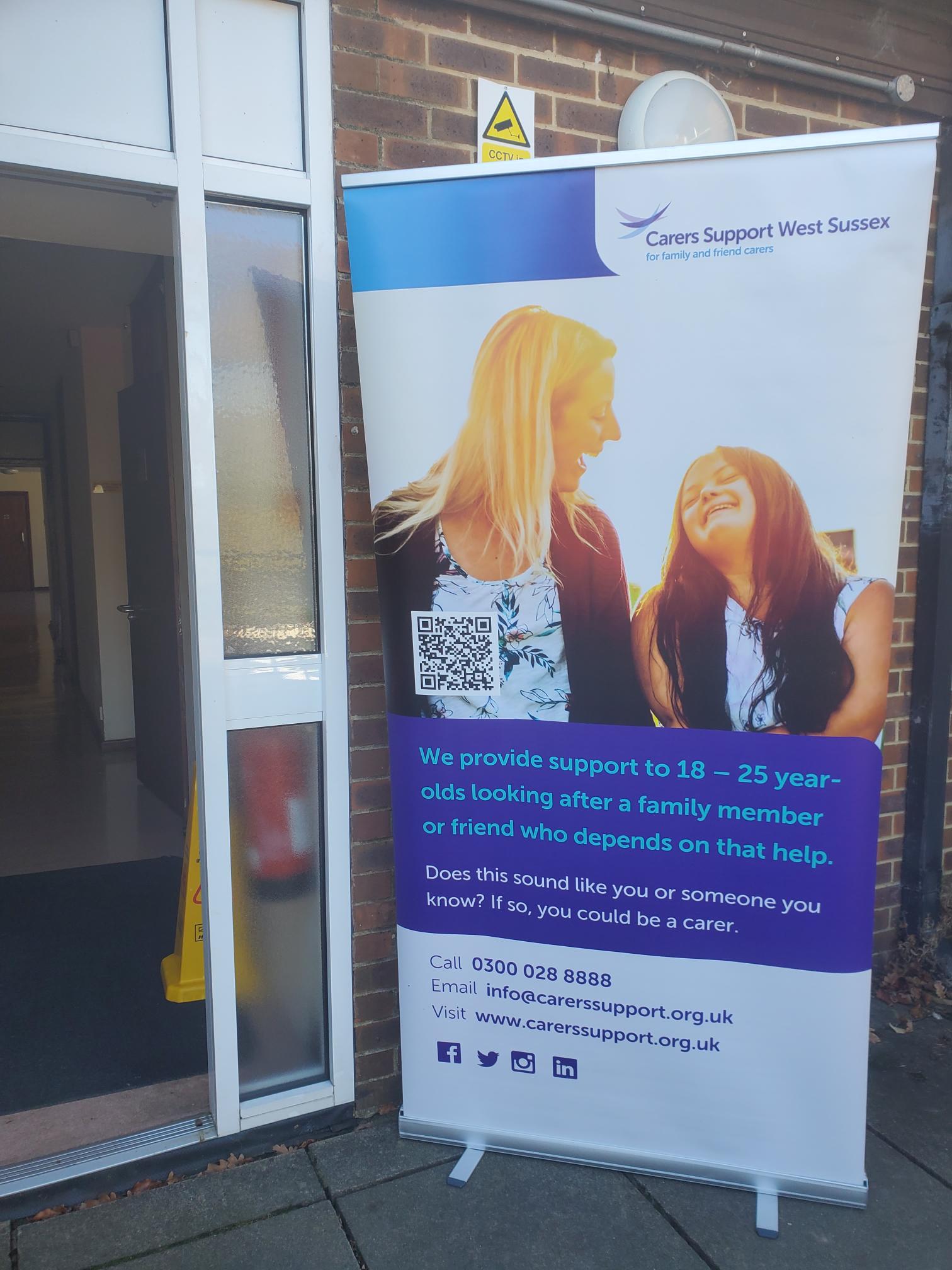
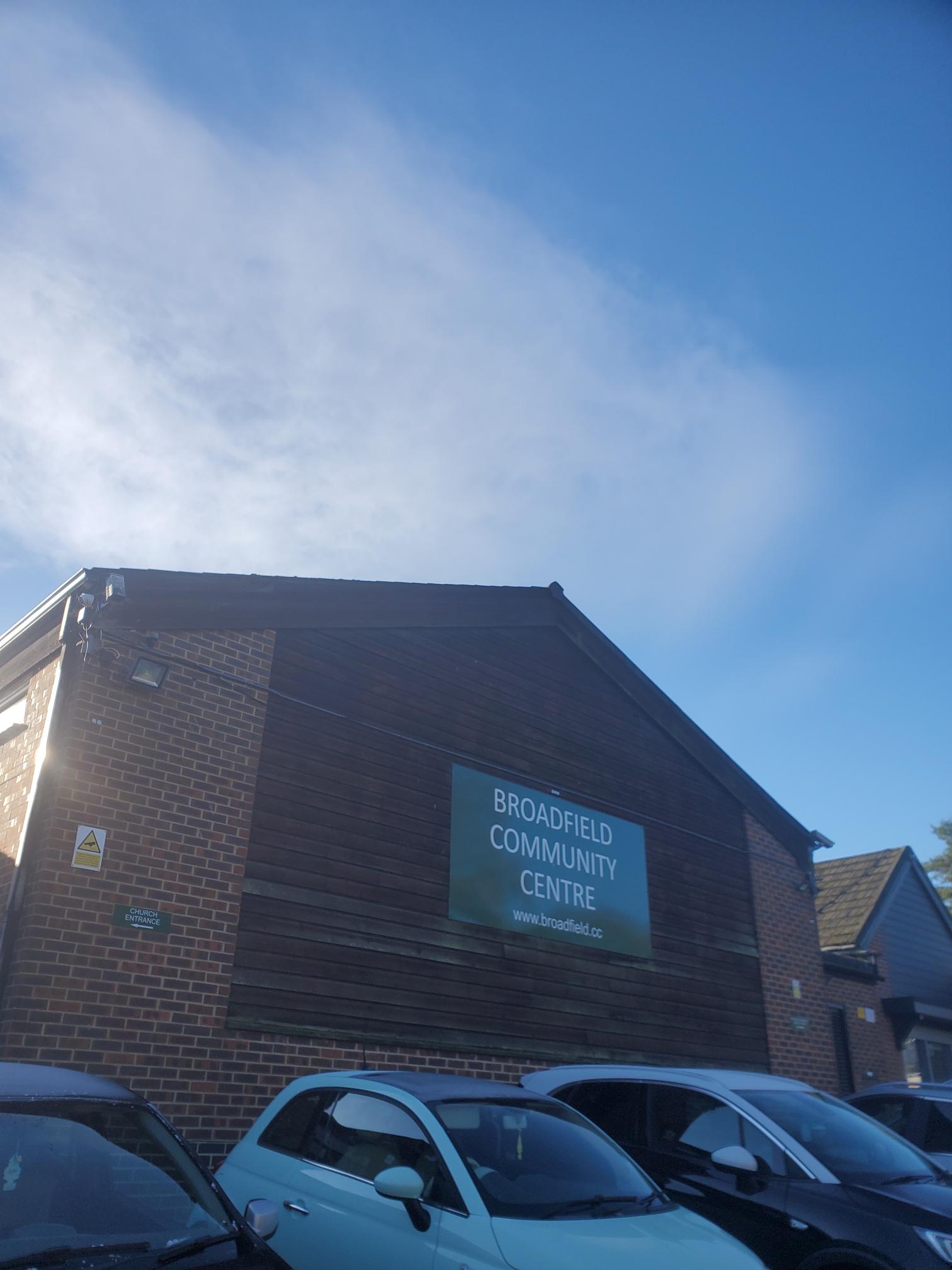
On Thursday 20th November, I had the privilege of attending and speaking at the Memory, Wellbeing and Brain Health event hosted at Broadfield Community Centre in Crawley. Organised by Carers Support West Sussex, the event formed part of Carers Rights Day, bringing together carers, professionals, community teams, and people living with dementia for a day of learning, connection, and support.
Although I couldn’t stay for the full programme due to travelling to another Carers Rights Day engagement later that afternoon, I was grateful to take part in the early sessions and witness the energy and compassion that shaped the whole day.
On this year’s Carers Rights Day 2025 (Thursday 20 November), the theme is “Know your rights, use your rights.”
If you care for someone, whether it’s a partner, parent, child or friend; you may be missing out on vital support simply because you didn’t realise you have rights as a carer.
In my new video I walk you through what those rights actually are, and how you can use them in practice.
In this video you’ll discover:
Why recognising yourself as a carer matters
Key rights every carer should know (from assessments to flexible working)
How to make use of those rights in your daily life
Where to go for help, guidance and support
Click the link, take two minutes, and empower yourself today.
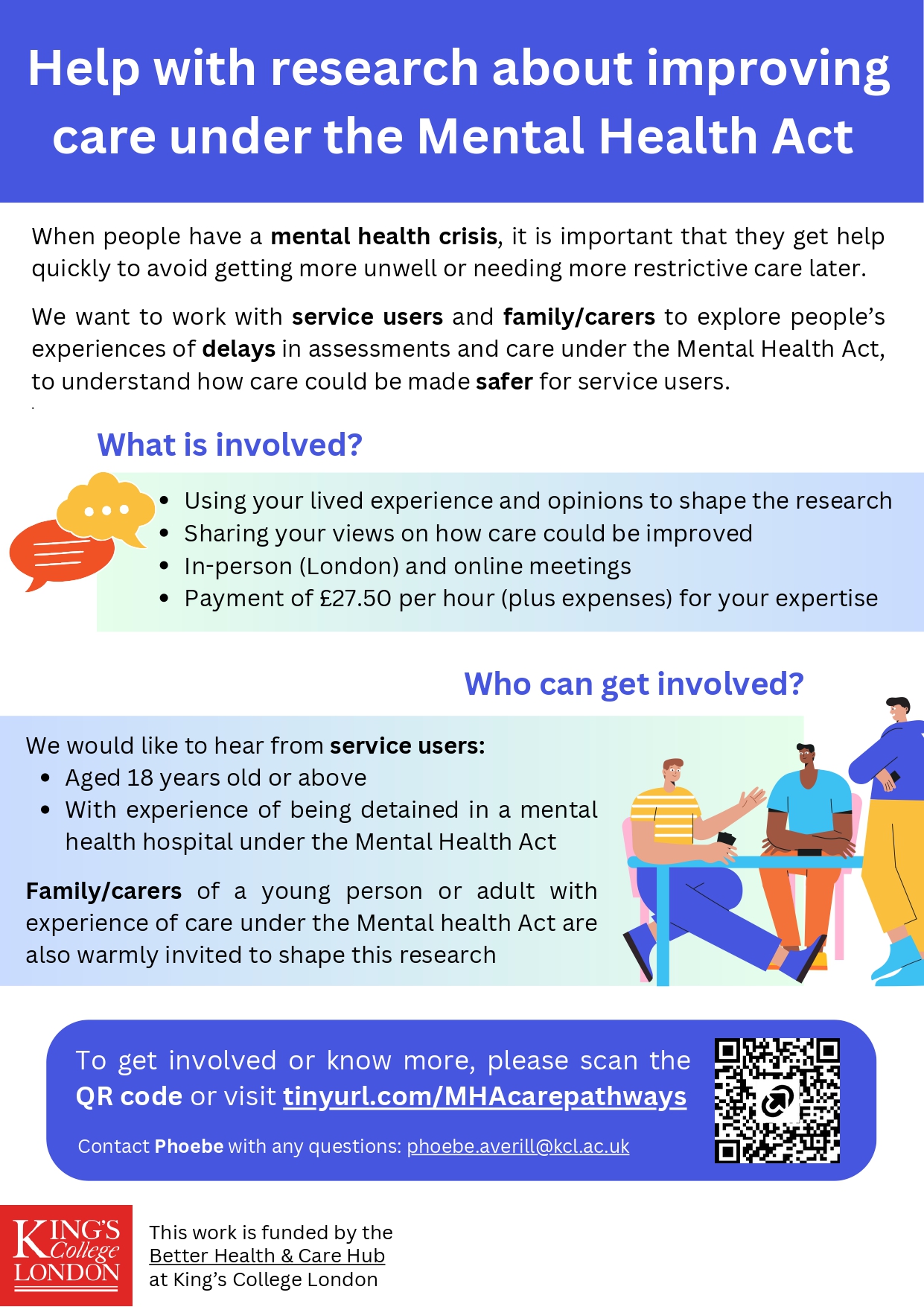
As someone who’s been advocating for carers for years through A Caring Mind, I know how important it is that carers’ experiences influence the way support systems are built. The OSMOSIS project offers a real chance to help improve understanding and services for those of us supporting loved ones with severe mental health conditions.
If you are caring for someone living with psychosis, schizophrenia, or bipolar disorder, here’s an opportunity to make your voice heard.
By Matthew McKenzie FRSA BEM, Chair, Triangle of Care Community Group
This week’s Triangle of Care Member Webinar, hosted by Carers Trust, which focused on a vital question: What makes for meaningful carer involvement?
We heard from across the Triangle of Care network, these being carers, professionals, and trust representatives coming together to share what genuine involvement looks like in practice.
I spoke about my own lived experience as a carer, supporting two non-verbal brothers with autism and my late mother with mental health challenges and how this journey has shaped my advocacy for stronger partnerships between carers and professionals.
Over the years, through the Triangle of Care, I’ve seen how much difference early and equal involvement can make.
By Matthew McKenzie – Carer activist and facilitator of the group
The group is a community of carers in Lambeth, Southwark and Lewisham that exists to provide support, advocacy, and connection for people looking after loved ones living with mental illness. It brings together unpaid carers of all ages and backgrounds to share experiences, learn from one another, and build confidence in dealing with health and social care professionals. A core part of its mission is reducing isolation by creating a safe space where carers can speak openly, develop skills, and access practical resources like advocacy services.
The meeting began with introductions and updates from various participants, including myselff where I discussed work with London Hospitals and the NHS app, while other carers introduced themselves to the group. In attendance was Tama from PohWer presented information about carer complaints and support services across different regions, including discussions about the potential impact of Healthwatch’s dissolution on patient and carer support services.
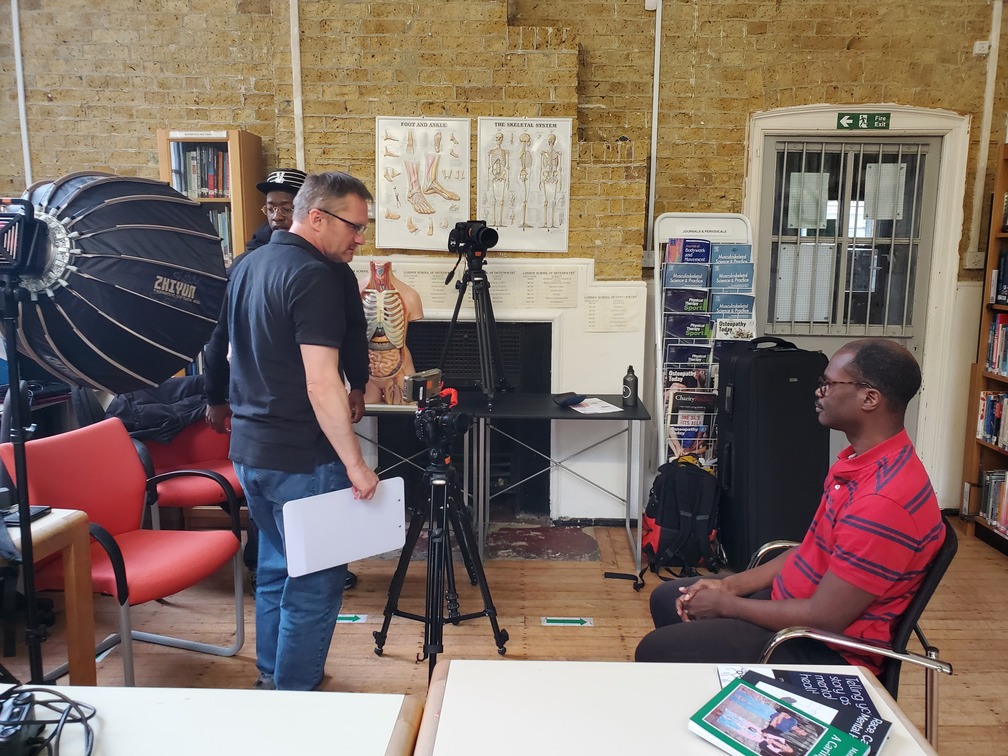
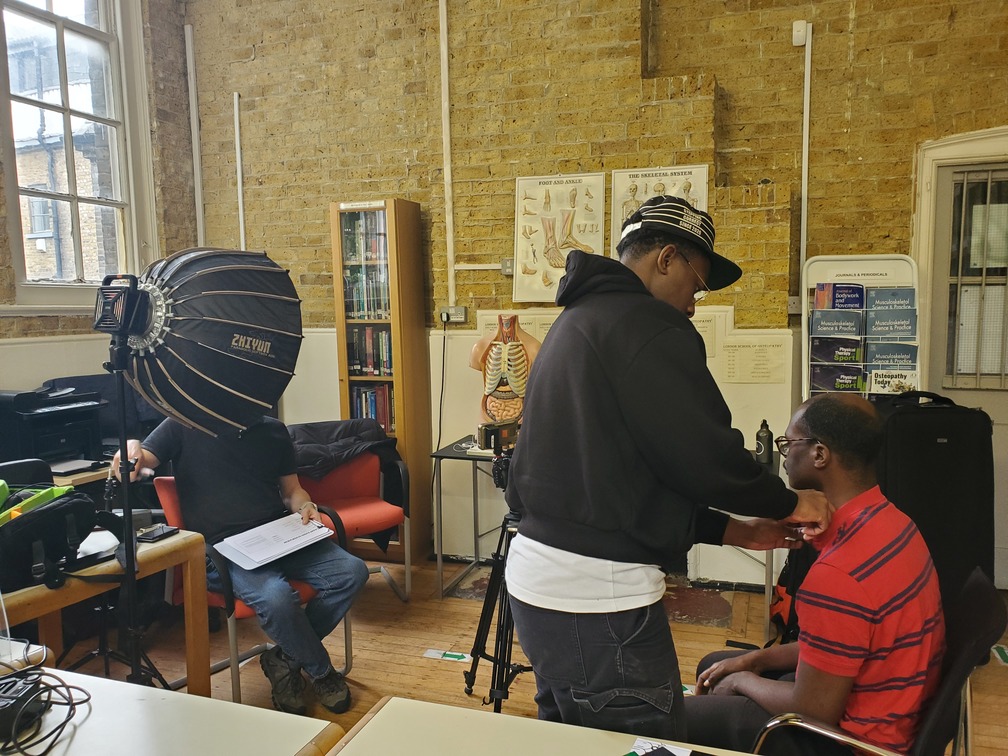
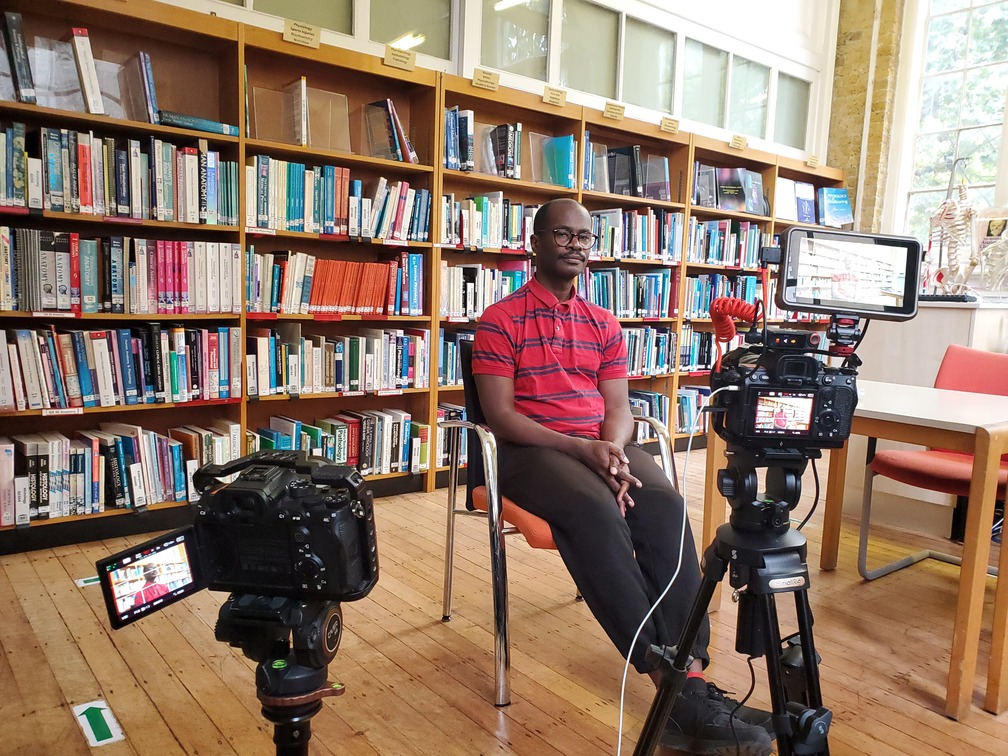
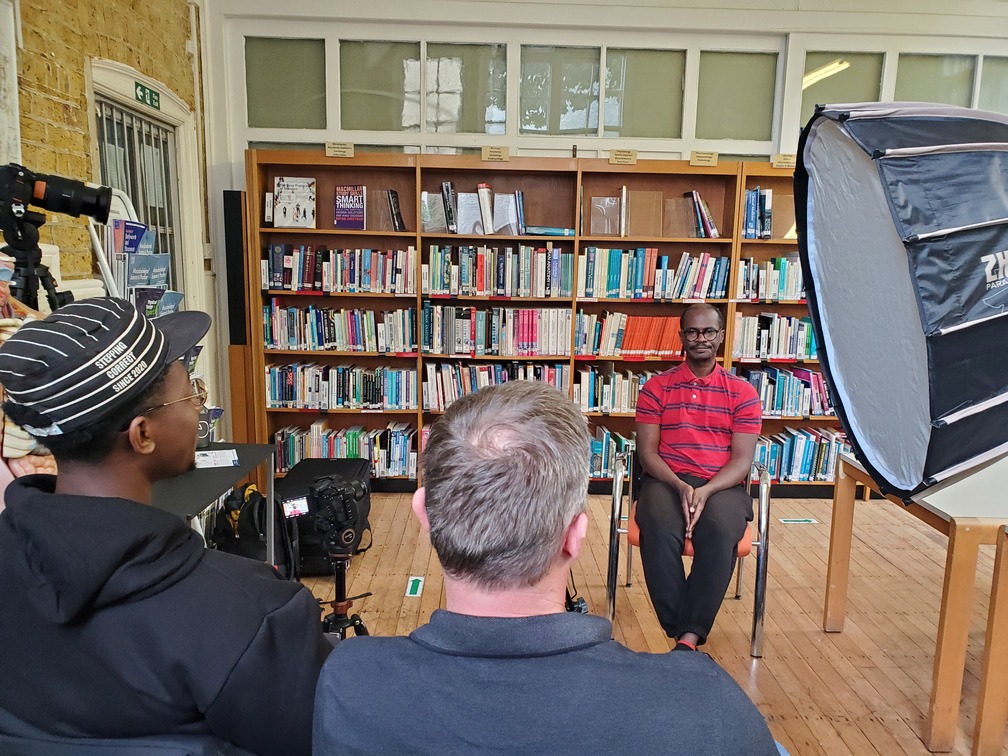
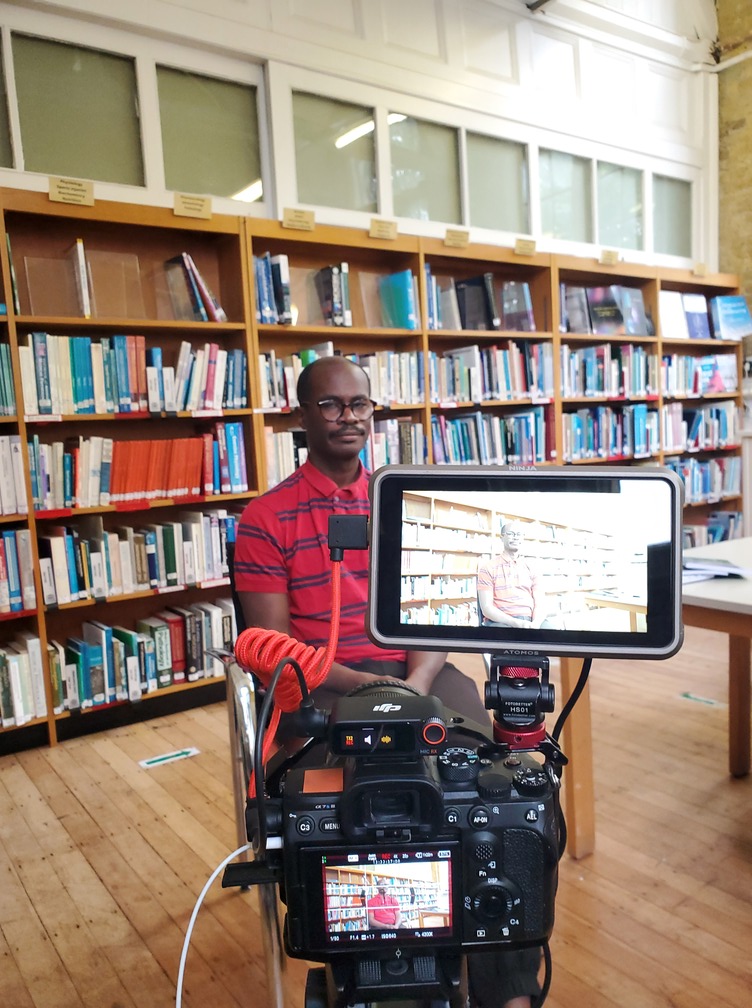
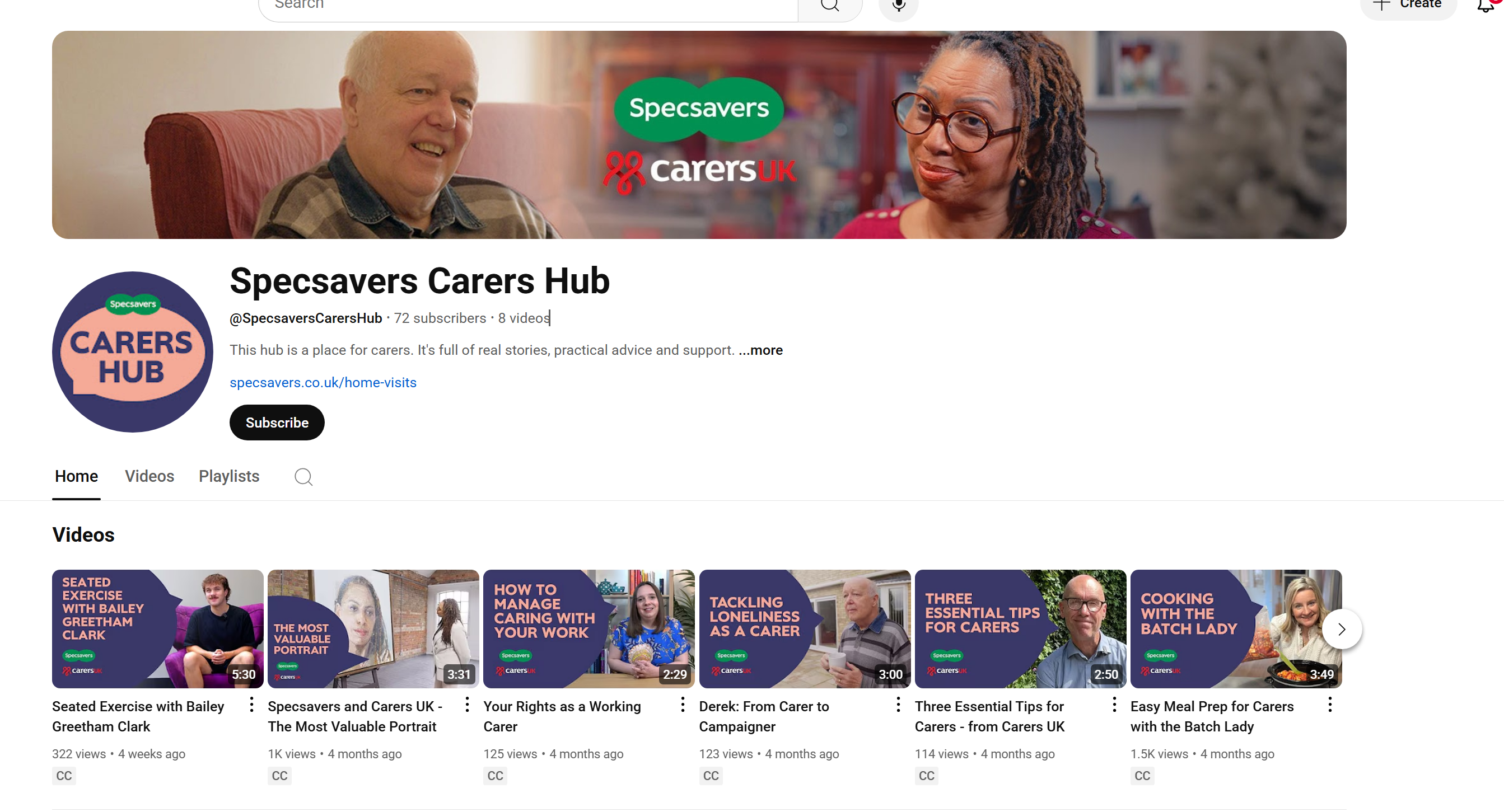
Today I had the opportunity to be interviewed for the Specsavers Carers Hub, a platform that shares real stories, advice, and support for those who dedicate their lives to caring. It was a chance to reflect not only on my role as a carer but also on the deeper themes of healing, connection, and creativity that shape my journey.
Telling My Story
As someone with lived experience of caring for my mother and brothers, I know first-hand how demanding and emotional the role of an unpaid carer can be. I shared their story through my words and memories.
Speaking on camera about my caring role reminded me why visibility matters. Carers often go unseen, yet carer voices hold the power to inspire change, raise awareness, and remind others that they are not alone.
The Importance of Self-Healing
One of the most important parts of my journey has been recognising the need for self-care and self-healing. Carers often put the needs of others before their own, but to continue supporting loved ones, we must nurture our own wellbeing. Whether through reflection, community, or creative outlets, finding ways to heal is not selfish.
Connecting with Carers
During the interview, I spoke about the importance of connection. Meeting other carers, whether through groups, campaigns from Carers UK, or online spaces, brings a sense of solidarity. I wont say much about the interview, you will need to watch the video when it is released.
The Power of Poetry and Words
For me, poetry has always been a form of healing. Writing and performing allows me to give shape to emotions that are often hard to express. In the beginning of my caring journey, words were painful, but after a while words can be medicine they can validate, soothe, and inspire both writer and listener.
A Special Thanks to Specsavers
I couldn’t end without mentioning the role my Specsavers glasses played in my journey. Whether it’s writing late into the night, reading the works that inspire me, or standing up to perform poetry, my glasses have been an essential tool.
To check out previous carer stories, please viset the Specsavers Carers Hub below.
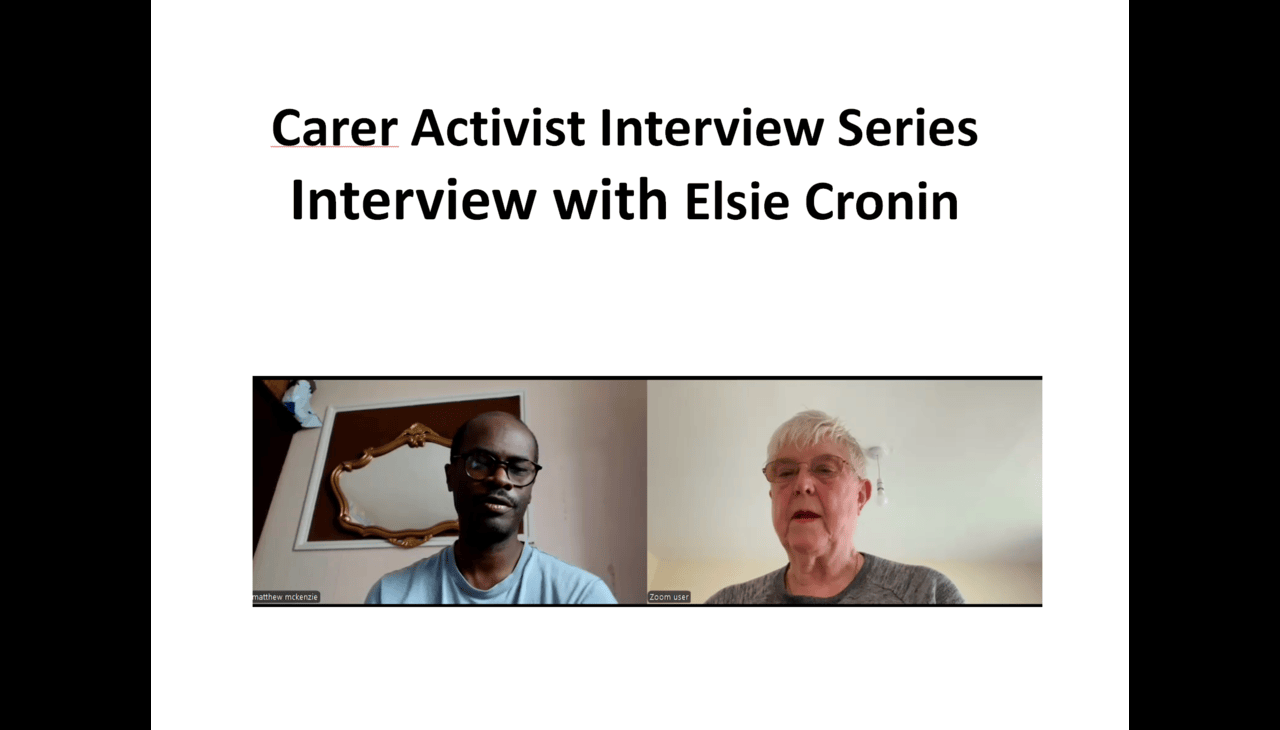
Caring for a loved one is a role that often goes unseen and undervalued. In this interview, Matthew McKenzie speaks with Elsie, a 73-year-old carer and activist, about her journey as an unpaid carer, the challenges she’s faced, and her mission to support others walking the same path.
Standing Strong for Carers’ Rights
Elsie refuses to be silenced. Though at times labeled as a “persistent, unreasonable complainer,” she sees her persistence as a duty to her loved ones and to other carers. For her, raising concerns is about advocating for better care and systemic improvements.
Her advice to carers is simple but powerful:
Trust your instincts.
Don’t give up until your loved one gets the right care.
Learn about carers’ rights and stay engaged in decisions.
Finding Strength in Words
In a deeply moving moment, Elsie shared a poem she had written for the Book of Remembrance at Honor Oak Crematorium, in memory of her son. Her words reflect not only grief but also strength, love, and the motivation to keep advocating for change.
You’ll always be our hero. Although you’re gone, we’re not apart. Our love for you keeps going, It stays deep within our hearts.
Football, food and fishing Were what it was all about. Blue is the color, Come on, you lions, to shout.
Community is a word we hear often, but its true meaning and significance can sometimes be overlooked. At its core, a community is a network, a web of relationships built on shared identity, common themes, and mutual trust. Communities are formed when people come together, united by a sense of belonging and shared responsibility. This sense of belonging is not just about being part of a group; it’s about feeling valued, having a purpose, and working towards common ideals.
This blog is a transcript of the video below.
Communities exist in many forms. The most immediate and intimate is the family, where the seeds of unpaid caring are often sown.
The session opened with updates and heartfelt check-ins. One of our carer members, shared a deeply personal and challenging situation regarding her loved ones declining mental and physical health. Despite strained family dynamics and the emotional burden of caring, a carer is courageously advocating for her loved one and seeking support through nursing services and assessments.
Peer Support: Insights from Experience
Long-time members offered valuable perspectives from their own journeys. A carer shared their struggle supporting individuals, which showed a stark reminder of the emotional and logistical toll caring can take. Another carer encouraged fellow carers to prioritise their own well-being, even in small ways a cup of tea, a short walk, a moment to breathe.
Understanding Learning Disability Week: A Time to See, Value, and Empower
Learning Disability Week is an annual event dedicated to raising awareness, promoting understanding, and challenging the stigma surrounding learning disabilities. Each year, this important week brings together individuals, families, carers, organizations, and communities to celebrate the achievements of people with learning disabilities and to advocate for a more inclusive society. The 2025 theme, “Do You See Me?”, calls on everyone to look beyond labels and truly recognize the unique individuals behind them, as well as the invaluable contributions of those who support them.
Before continuing reading my blog, you can watch the video version below
The Importance of Learning Disability Week
I feel Learning Disability week is a time to reflect on the progress made, the challenges that remain, and the collective responsibility we all share in creating a society where everyone is seen, heard, and valued. The week is proudly led by Mencap, a national charity at the forefront of learning disability advocacy, providing resources, easy-read guides, and campaigning materials to help spread the message far and wide.
Mencap works in partnership with local authorities, NHS trusts, and other charities such as Choice Support, Kids, Brandon Trust, and KeyRing. The campaign is also championed in the media by organizations like The Big Issue and supported by community groups, carers, and arts organizations. This collaborative approach ensures that the message of inclusion and empowerment reaches as many people as possible.
The Theme: “Do You See Me?”
Looking Beyond the Label
The 2025 theme, “Do You See Me?”, is a powerful call to action. It asks us to look beyond the diagnosis or label of “learning disability” and to see the person—their talents, ambitions, and unique voice. People with learning disabilities are artists, colleagues, friends, athletes, and advocates. They are individuals with dreams, skills, and stories to share.
Too often, society focuses on what people with learning disabilities cannot do, rather than celebrating what they can achieve. This year’s theme challenges us to change that narrative. It’s about recognizing the whole person and valuing their contributions in every aspect of life.
Recognizing Unpaid Carers
Behind many individuals with learning disabilities are unpaid carers being parents, siblings, young carers, friends, and loved ones—who provide essential support, often with little recognition. These carers play a vital role in the lives of those they support, helping them to navigate daily challenges, access services, and pursue their goals. Learning Disability Week is also a time to acknowledge and celebrate the dedication and resilience of these carers.
The Aims of Learning Disability Week
Celebrating Achievements
One of the central aims of Learning Disability Week is to celebrate the achievements of people with learning disabilities. Whether it’s excelling in the arts, sports, advocacy, or everyday life, these accomplishments deserve to be recognized and applauded. By sharing success stories, we can inspire others and challenge stereotypes.
Raising Awareness of Challenges
While there is much to celebrate, it’s also important to acknowledge the challenges that people with learning disabilities face. These can include barriers to education, employment, healthcare, and social inclusion. Learning Disability Week provides a platform to highlight these issues, share lived experiences, and advocate for change.
Sharing Good Practice and Improving Services
Learning Disability Week is an opportunity to share examples of good practice and to learn from one another. By highlighting innovative approaches and successful initiatives, we can help improve services and support for people with learning disabilities. This collaborative spirit is essential for driving progress and ensuring that everyone has the opportunity to thrive.
Campaigning for Equality and Inclusion
At its core, Learning Disability Week is about campaigning for equality and inclusion. It’s about challenging discrimination, breaking down barriers, and creating a society where everyone is treated with dignity and respect. This requires ongoing advocacy, partnership working, and a commitment to listening to the voices of people with learning disabilities and their carers.
The Power of Creativity and Self-Expression
Art as a Tool for Empowerment
Art and creativity play a vital role in self-expression, particularly for individuals with learning disabilities. Through painting, music, dance, storytelling, and poetry, people can communicate their thoughts, feelings, and experiences in powerful ways. Creative activities provide a platform for individuals to tell their stories, build confidence, and connect with others.
For many, art is not just a hobby, it’s a means of empowered communication. It allows people to express themselves on their own terms, to challenge stereotypes, and to showcase their talents. Arts organizations and community groups play a crucial role in providing opportunities for creative expression and in promoting the work of artists with learning disabilities.
Poetry and Storytelling
Poetry and storytelling are particularly powerful forms of self-expression. They allow individuals to explore themes that are important to them, to share their experiences, and to connect with others on a deep and personal level. By encouraging and supporting creative expression, we can help people with learning disabilities to find their voice and to be heard.
How to Get Involved
Celebrate Achievements
Take time during Learning Disability Week to celebrate the achievements of people with learning disabilities. Share stories, highlight successes, and recognize the contributions that individuals make to their families, communities, and society as a whole.
Share Resources and Raise Awareness
Use your voice and your platform to share resources, raise awareness, and challenge stigma. Whether it’s through social media, community events, or conversations with friends and colleagues, every action counts. Mencap and other organizations provide a wealth of resources, including easy-read guides and campaign materials, to help you get started.
Support Campaigns for Better Services
Support campaigns that advocate for better healthcare, education, and social services for people with learning disabilities. Organizations like Mencap and NHS trusts are working hard to raise awareness and improve services, but they need the support of the wider community to drive change.
Donate and Volunteer
If you are able, consider donating to organizations that support people with learning disabilities and their carers. Your contribution can help fund vital services, advocacy, and creative projects. Volunteering your time and skills is another valuable way to make a difference.
Attend Events and Webinars
Many local authorities, charities, and community groups organize events and webinars during Learning Disability Week. These provide opportunities to learn more, connect with others, and get involved in the campaign. Check out local listings and online resources to find events in your area.
Continue the Conversation
Learning Disability Week may only last for seven days, but the need for awareness, advocacy, and inclusion is ongoing. Even if you discover the campaign after the official week has ended, you can still play a part in celebrating the contributions of people with learning disabilities and supporting their rights.
The Role of Community and Collaboration
Working Together for Change
Creating a more inclusive society requires collaboration. Local authorities, NHS trusts, charities, community groups, carers, and individuals all have a role to play. By working together, sharing knowledge, and supporting one another, we can drive meaningful change.
The Importance of Visibility
Visibility is key to challenging stigma and promoting inclusion. When people with learning disabilities are seen and heard when their stories are shared and their achievements celebrated it helps to break down barriers and change perceptions. The “Do You See Me?” theme is a reminder that everyone deserves to be recognized and valued.
The Ongoing Journey Toward Inclusion
Building a Society Where Everyone Belongs
Learning Disability Week is a milestone in the ongoing journey toward a more inclusive society. It’s a time to reflect on how far we’ve come, to celebrate progress, and to renew our commitment to equality and inclusion. But the work doesn’t end when the week is over. It’s up to all of us to continue advocating for change, supporting one another, and building a world where everyone belongs.
The Power of Advocacy
Advocacy is at the heart of Learning Disability Week. Whether you are a person with a learning disability, a carer, a professional, or an ally, your voice matters. By speaking out, sharing your experiences, and supporting campaigns, you can help to create a society where everyone is seen, heard, and valued.
Resources and Further Information
Where to Find Support and Get Involved
If you want to learn more about Learning Disability Week, get involved in campaigns, or access resources, there are many organizations that can help:
Here’s your version with links included for each of the main organisations — ready for web, LinkedIn, or video descriptions:
Community Groups and Arts Organisations: These groups including disability arts initiatives like DaDaFest and local community networks offer opportunities for creative expression and community involvement.
Check the official websites and social media channels of these organizations for the latest information, events, and resources.
Conclusion
Learning Disability Week is a powerful reminder of the importance of seeing, valuing, and empowering people with learning disabilities. It’s a time to celebrate achievements, raise awareness of challenges, and advocate for a more inclusive society. By supporting campaigns, sharing resources, and promoting creativity and self-expression, we can all play a part in building a world where everyone is seen, heard, and valued—not just during Learning Disability Week, but every day of the year.
Let’s continue to work together, challenge stigma, and create opportunities for everyone to shine. Happy Learning Disability Week 2025!