Tag Archives: carers forum

SW London Carers Forum – November 2025 Update

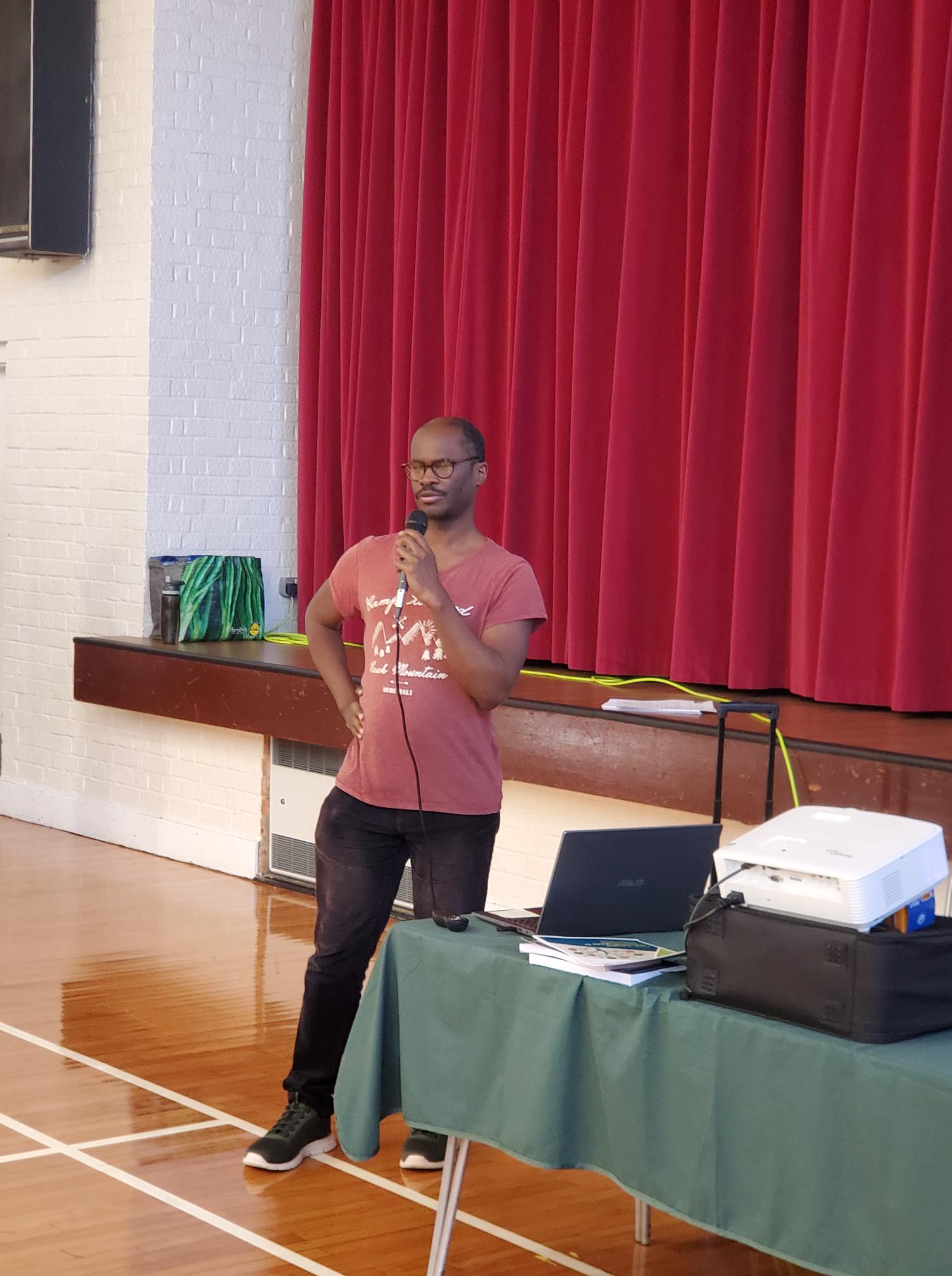
By Matthew McKenzie, Co-Facilitator – SW London Carers Forum

About the South West London Carers Group

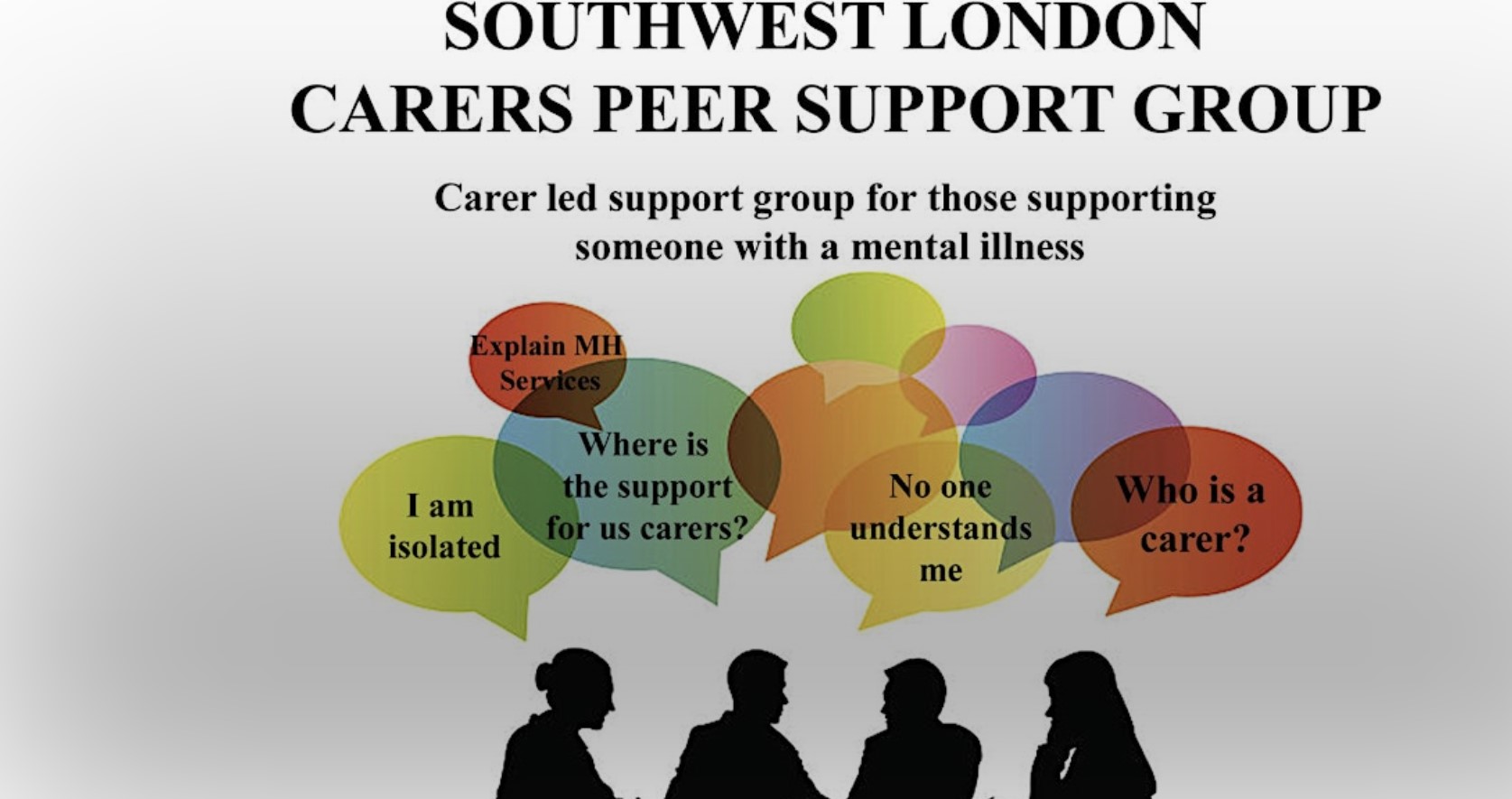
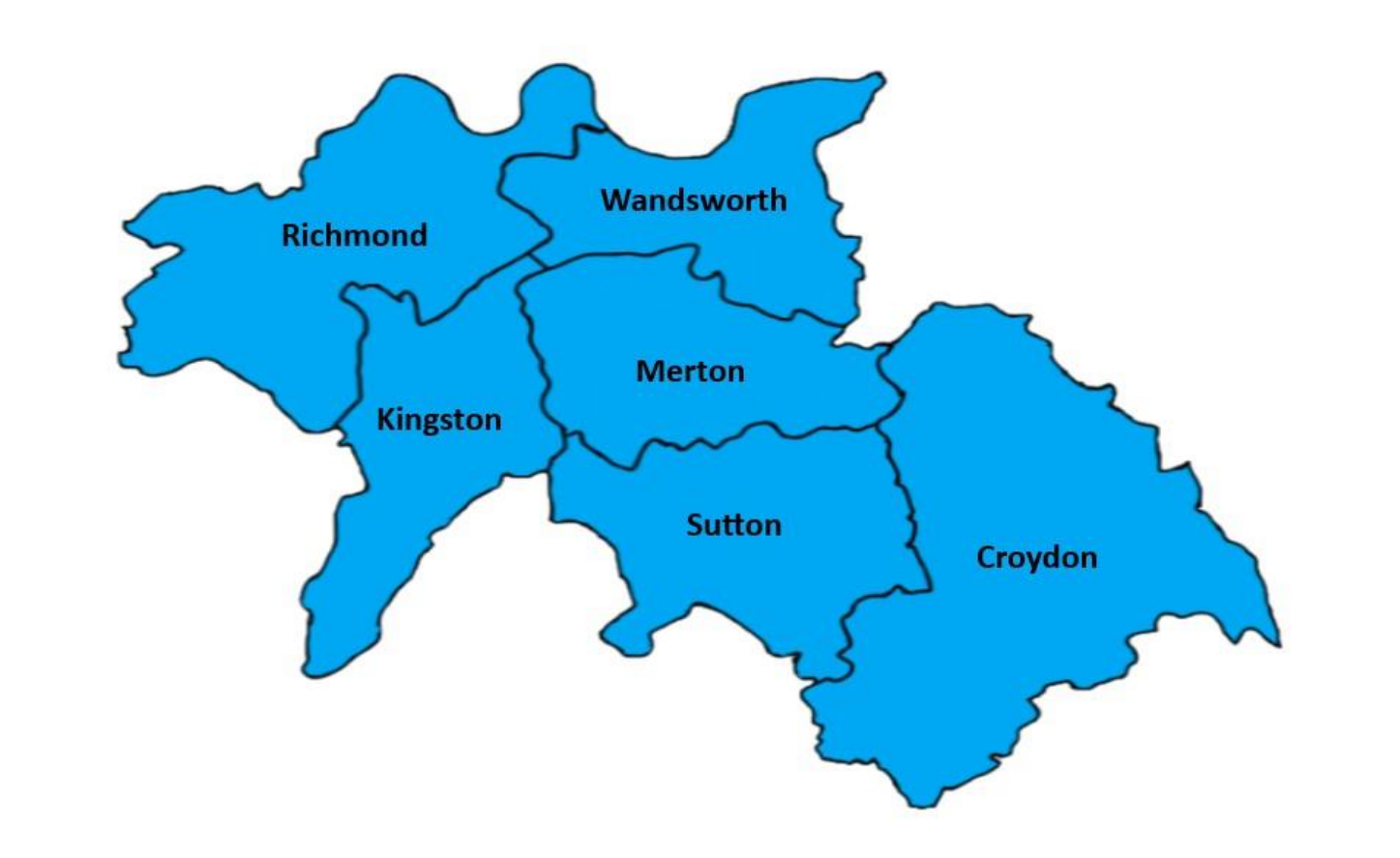
The South West London Carers Group brings together unpaid mental health carers from across the boroughs of Sutton, Merton, Wandsworth, Richmond and Kingston, to share experiences, gain peer support, and stay informed about local health and social care developments.

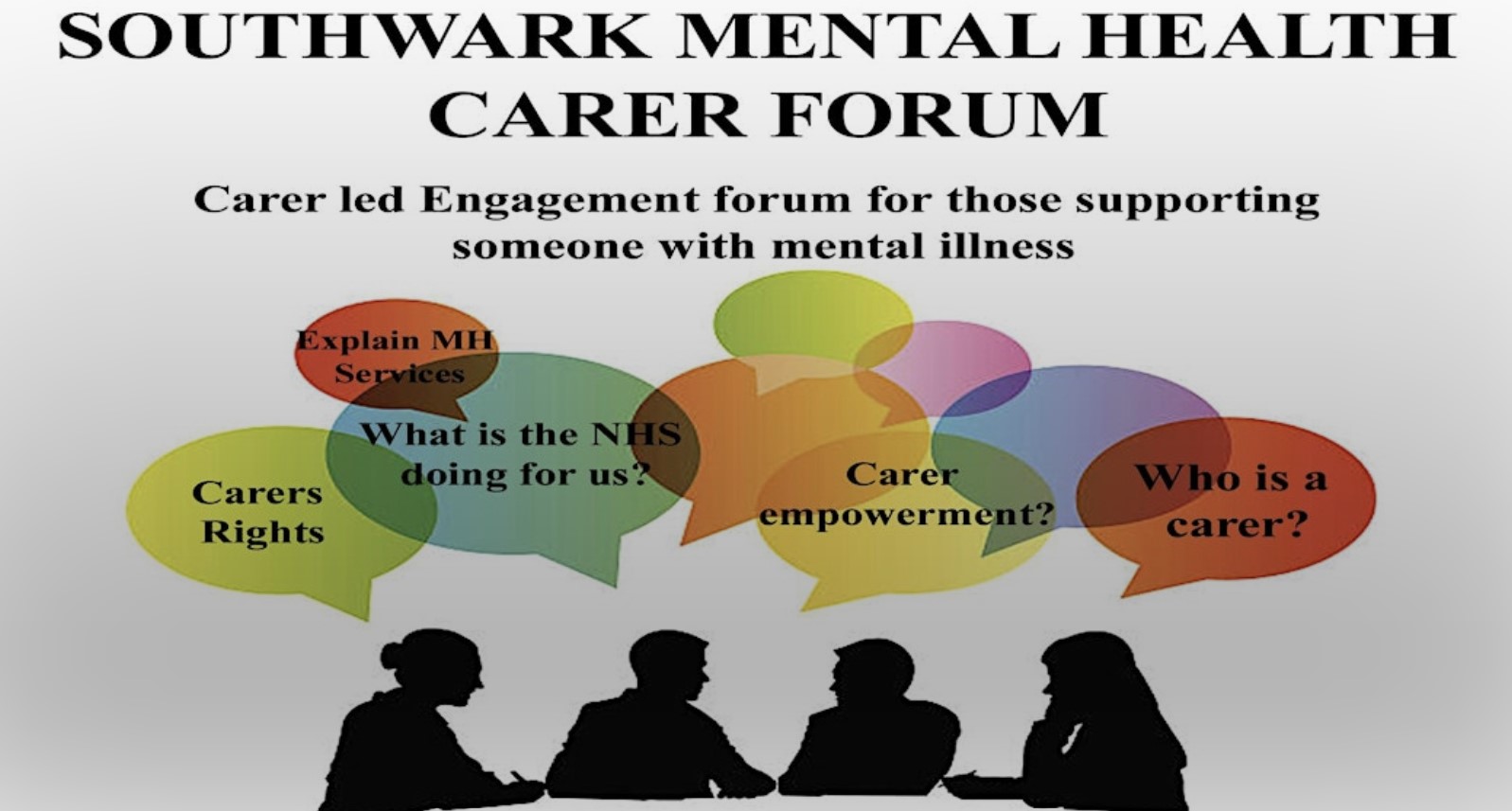
The group provides a safe and welcoming space where carers can discuss the challenges of supporting loved ones particularly those with long-term conditions or mental health needs while also learning from guest speakers, professionals, and each other. Co-facilitated by myself, the forum plays an important role in making carers’ voices heard and strengthening connections between carers and local NHS, mental health, and community services.

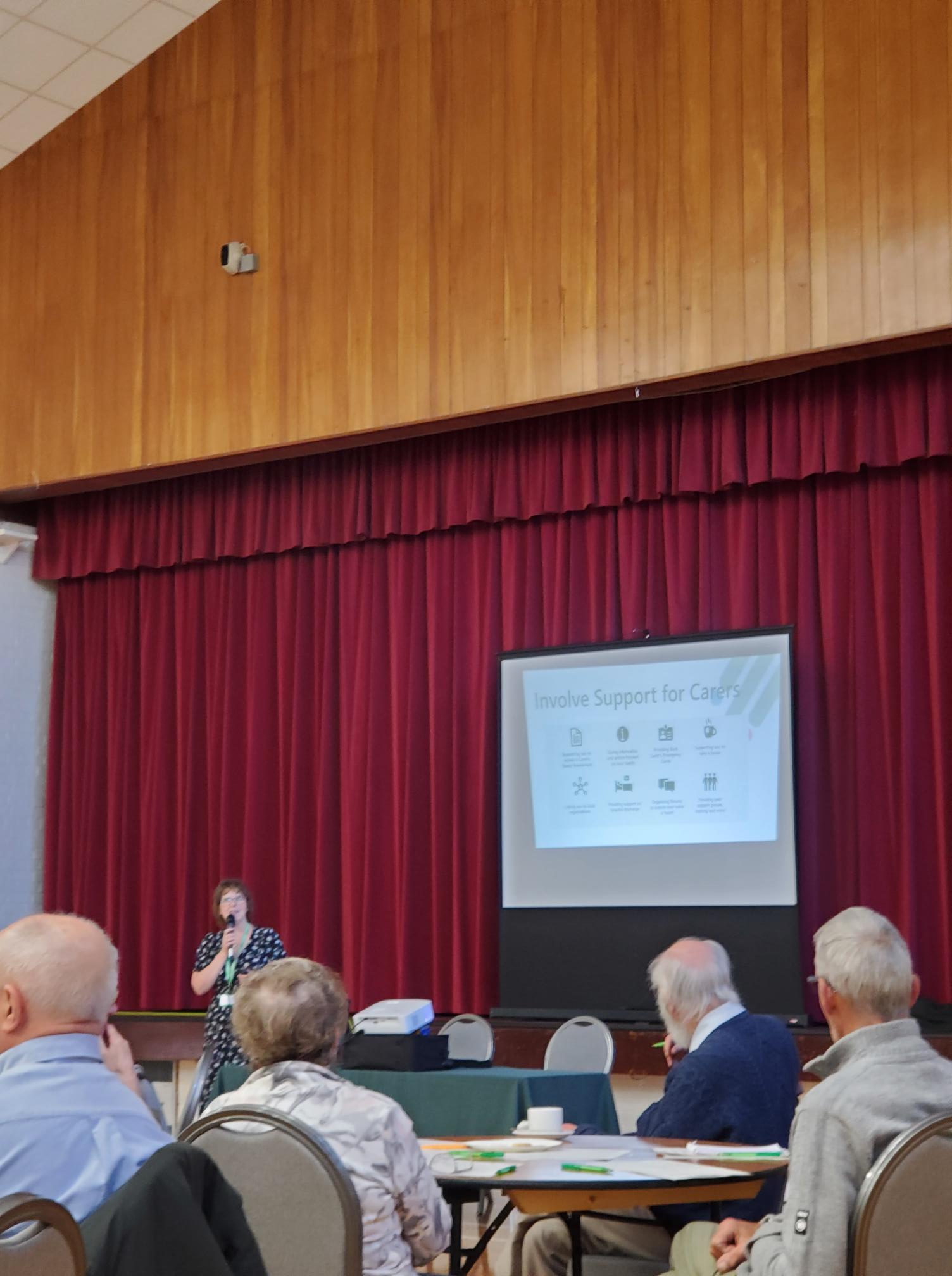
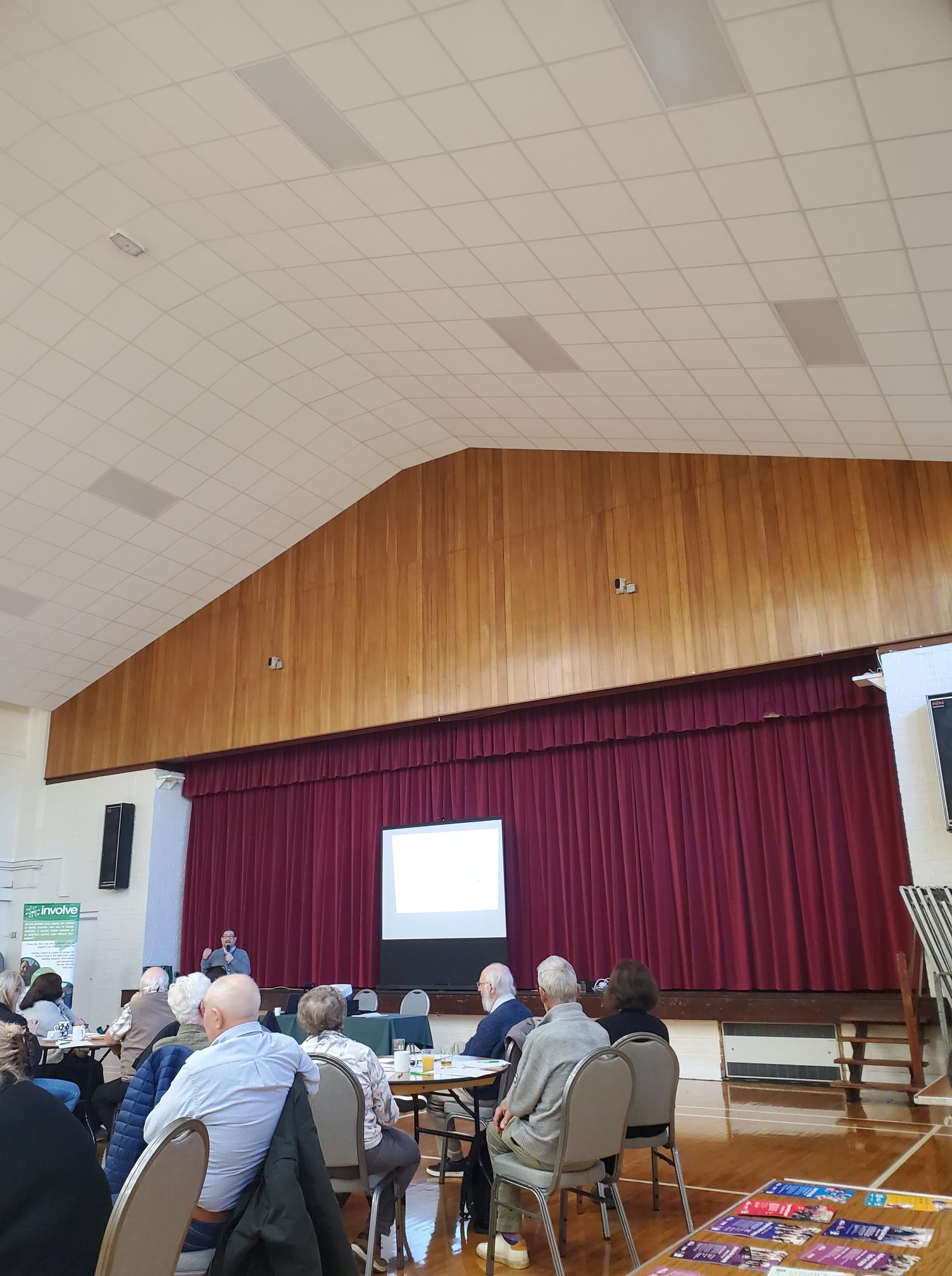
Our November South West London Carers Group meeting brought one of the most informative sessions we’ve had all year. We were joined by Dalvinder, the Patient Experience Lead for NHS 111, who provided a thorough and eye-opening look at how the 111 urgent care service really works, what carers can expect, and how the system is evolving.

Dal’s role involves reviewing patient feedback, monitoring the quality of calls, and ensuring that the service remains compassionate, safe, and responsive. He also regularly meets with community groups, like ours to raise awareness of what 111 can offer.

24/7 Telephone Assessments

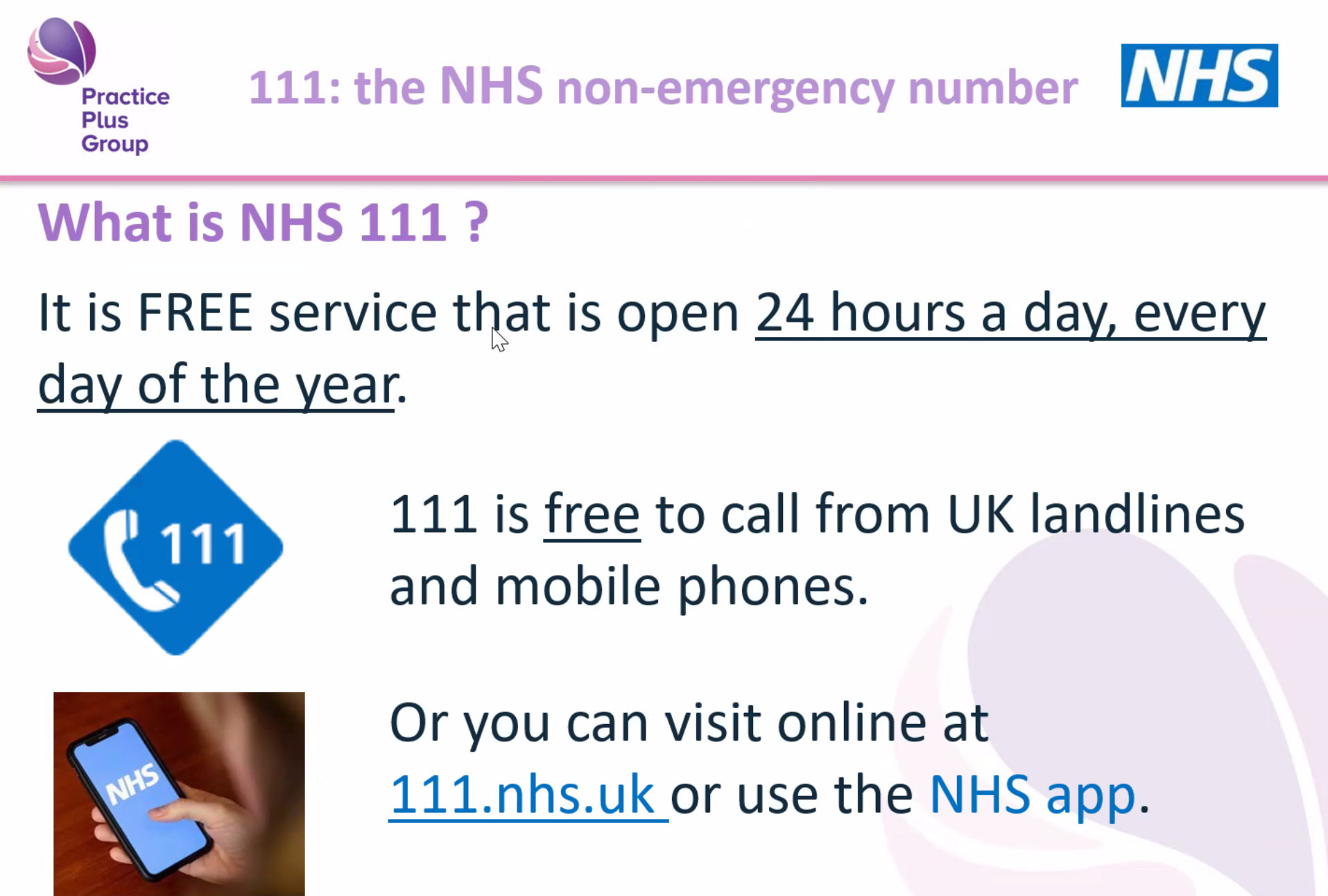
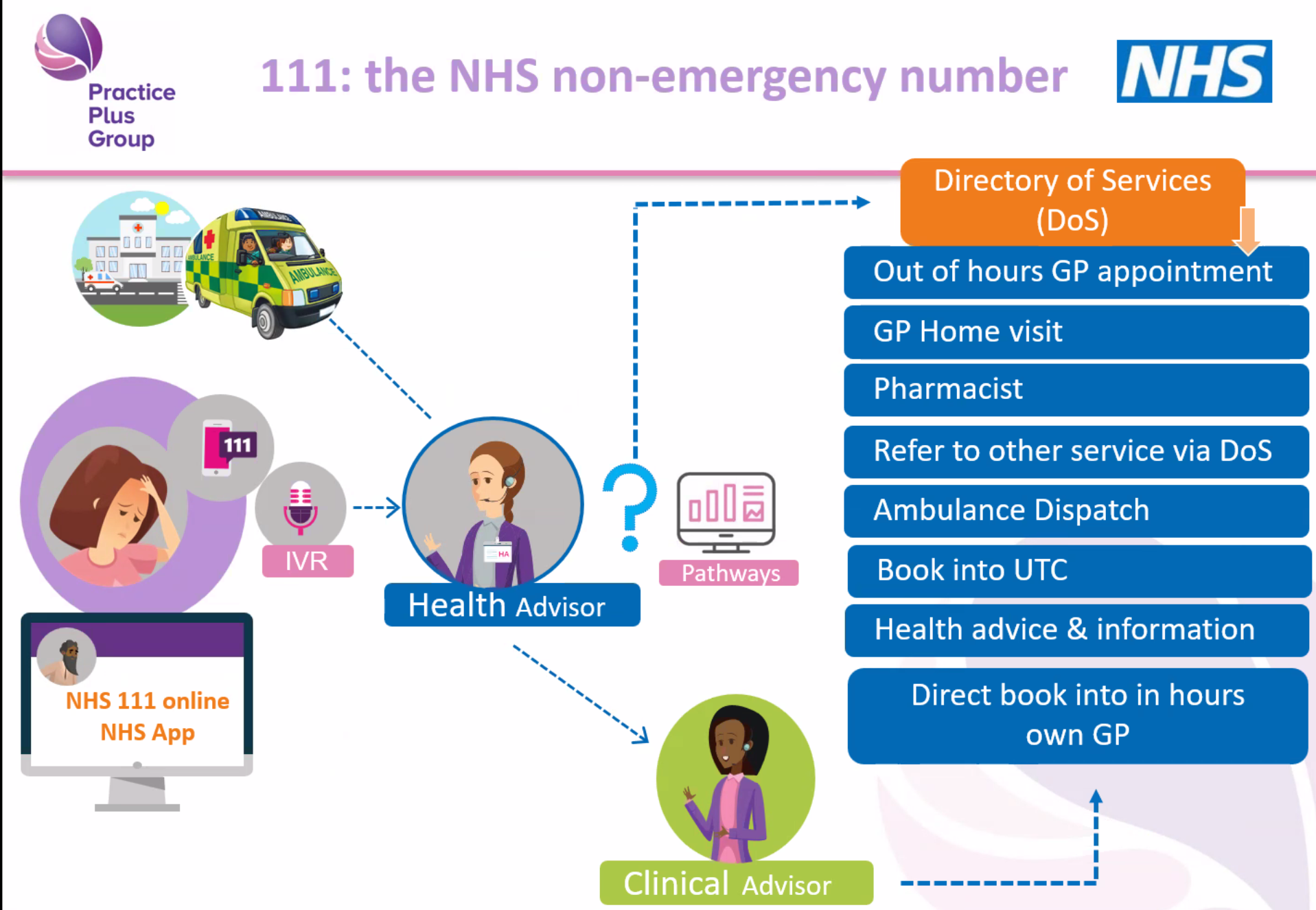
Dal opened by reminding us that NHS 111 operates 24 hours a day, 365 days a year, and never closes. The telephone assessment is often the first point of contact, and callers speak to a trained health advisor who uses the NHS Pathways system to ask structured questions. This ensures the call handler can rule out serious issues and direct the caller to the right service quickly. Dal emphasised that while questions can feel detailed or repetitive, each answer opens or closes clinical “pathways,” helping the system determine the safest next step.


GP Home Visiting (Evenings, Overnights, Weekends)

One of the biggest surprises for many carers was learning that NHS 111 has a GP home visiting service, specifically for times when GP surgeries are closed weekday evenings, overnight, weekends, and bank holidays. This service is intended for people who cannot safely travel, including those with mobility issues, caring responsibilities, or urgent health needs that don’t require hospital care. If a home visit is determined to be appropriate, a GP working for 111 can visit in a dedicated GP car and may provide medication on the spot or issue prescriptions if needed.


Primary Care Clinics (PCCs) – Same-Day Appointments via 111

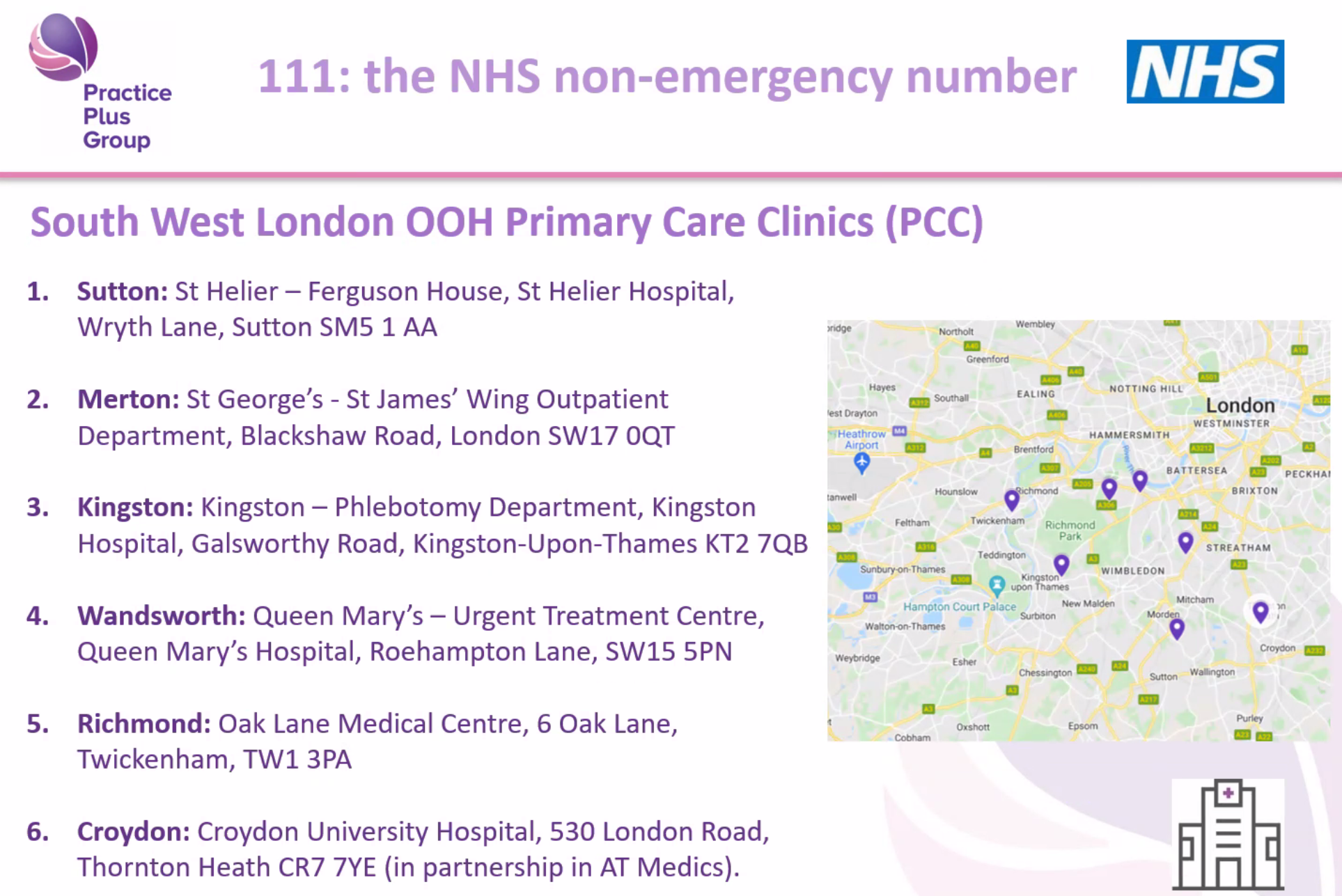
Dal also explained the role of Primary Care Clinics (PCCs) located across South West London. These clinics operate outside normal GP hours and can see patients the same day—but crucially, access is by 111 referral only. If 111 decides that someone needs to see a GP face-to-face and can travel, they may be booked into a PCC appointment. Carers learned that you cannot walk into these clinics directly; 111 must assess the situation and confirm the appointment. This helps manage demand and ensures that appointments go to those who need them most urgently.


The Expanding Role of Pharmacies and “Pharmacy First”

Another major theme was the evolving role of pharmacies in urgent care. Dal explained that pharmacists are highly trained professionals—more trained than many realise—and 111 can now direct callers to pharmacists for assessments, repeat prescriptions, and urgent medication needs. The Pharmacy First scheme allows some pharmacies to provide consultations and treatment in private rooms for a range of minor illnesses. 111 can also arrange emergency prescription access if someone runs out of routine medication while travelling, provided the medication is part of their regular treatment.


Arranging Call-Backs From Your Own GP

In certain situations, NHS 111 can request that your own GP practice contacts you, especially for non-face-to-face issues such as renewal of regular medication, questions about paperwork, or administrative needs. While GP appointment slots reserved for 111 are limited and fill quickly, the service can still send urgent notifications to GP surgeries when clinically necessary. Dal encouraged carers to mention when the need is time-sensitive so the system can prioritise appropriately.


Mental Health Support via 111 Option 2

One of the most important updates for mental health carers was the introduction of 111 Option 2, currently being trialled across London. When callers choose this option, the call is diverted away from standard 111 and straight to local specialist mental health teams, who can assess issues such as relapse, agitation, distress, changes in behaviour, or crises at home. Dal emphasised that while 111 is not a specialist mental health service, Option 2 ensures that people with mental health needs receive expert support. Data from the pilot is expected next year, and Dal offered to return to share the outcomes.


What We Learned About NHS 111

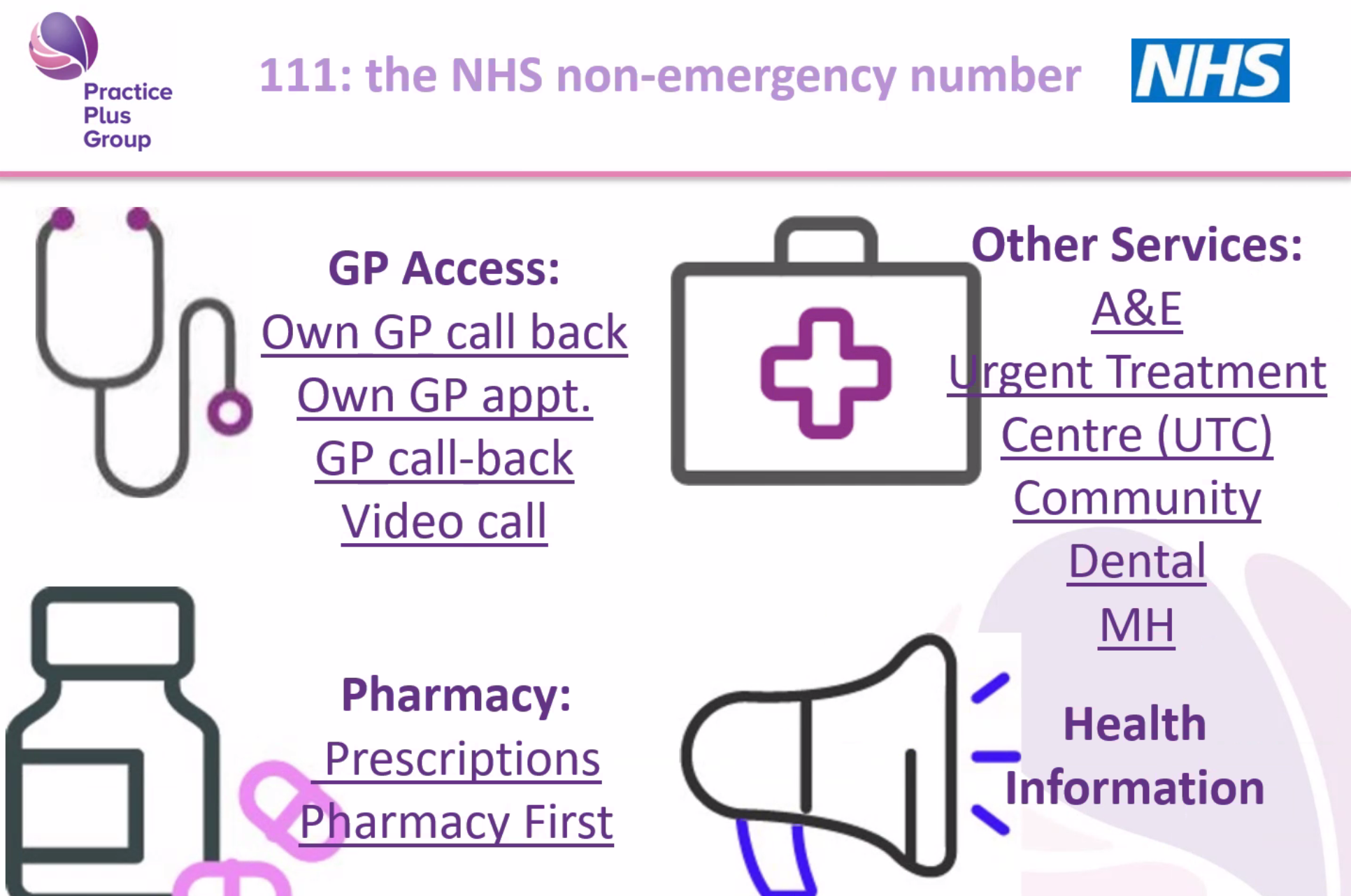
Many carers know the NHS 111 number exists, but few realise the range of services behind it. Dal explained that 111 is a free, 24/7 service (including weekends and holidays) designed for urgent health concerns that are not life-threatening.

Many carers commented that they had no idea 111 provided such a broad range of services.


Questions From Carers

Carers asked many thoughtful and practical questions during the session, including:

1. Mental Health Crises

A carer asked how 111 responds to mental health emergencies, particularly when someone becomes distressed, unwell, or difficult to support at home.

Dal explained that 111 itself is a generic urgent care service, but Option 2 sends callers straight to trained mental health professionals, who can triage cases such as relapse, agitation, or risk concerns in a more specialist way.

2. Access to Medical Records

A question was raised about whether 111’s clinicians can view a patient’s medical history.

Dal clarified that clinicians have access to the Summary Care Record, containing essential medical information, medications, conditions, and recent interactions—if the caller gives consent.

3. Home Visiting Times and Coverage

Carers asked about response times and geographical limits.

Dal explained that SW London is fully covered, though travel times vary depending on the area and how busy the service is. Home visiting is evenings, nights, and weekends only.

4. Staffing Levels and Training

One question focused on whether call handlers are medically trained.

Dal shared that 111 employs 180 health advisors in SW London—non-clinical staff who have completed an intensive six-week training program. They follow the NHS Pathways system and are supported by clinical advisors (GPs, nurses, paramedics) who can join or take over calls when needed.

5. Using 111 When Travelling

A carer asked about getting medication while away from home.

Dal explained that 111 can arrange for prescription collections at pharmacies in another part of England, which has helped many travellers who forget medication.

6. Hearing Impairment and Accessibility

There was interest in support for people who cannot make phone calls.

Dal confirmed services such as text relay, online 111, and the NHS App, all of which improve accessibility for carers and patients with additional needs.


Carer Reflections and Experiences

Several carers shared personal experiences both positive and challenging. One described how 111 triage was vital when they urgently needed treatment for a severe infection, while another discussed difficulties when GP surgeries didn’t always respond quickly to reports sent by 111.
These real stories helped emphasise how important it is for carers to know when and how to use the service, and how essential accurate information is during triage.


Key Tips Dal Shared for Carers

  • Give as much information as possible, including social factors such as caring responsibilities, mobility challenges, or inability to travel.
  • Stay with the person you’re calling about, as the call handler will ask you to check symptoms in real time.
  • Tell 111 if symptoms change—this can alter the urgency and outcome.
  • Always keep your phone nearby when waiting for a callback; 111 will try only three times.
  • Don’t hesitate to call again if you’re unsure or worried.

Closing Thoughts

The session was incredibly well-received. Many carers said they learned things they never knew, even though they had used 111 before. Dal’s openness and honesty—both about what the service can do and what its limitations are—made his presentation especially valuable.

As co-facilitator, I (Matthew McKenzie) will continue to share information like this to help carers navigate local health services more confidently. We hope to invite Dal back once the evaluation of 111 Option 2 (mental health) is published, we also have a keen interest on what the ICB is doing especially regarding carer involvement.

Lewisham, Southwark & Lambeth carer forum update October 2025

The recent Carers Forum brought together unpaid carers, health professionals, and community organisations from across South London to share updates, experiences, and ideas for improving mental health support. The event, chaired by Matthew McKenzie, created a safe and open space for carers to connect, exchange information, and have their questions heard by local health leaders.

Setting the Scene

Matthew opened the session by welcoming carers from across Lambeth, Lewisham, and Southwark. He spoke about the importance of providing carers with dedicated time to hear from service providers, particularly those supporting someone with mental ill-health and to ensure their voices shape local mental health strategies.

Continue reading

Hospital Carers Discharge toolkit Meeting Update September 2025

By Matthew McKenzie – Carer activist

London Carer Organizations Network Update

The meeting focused on introductions and updates from various organizations supporting unpaid carers across London. Matthew McKenzie facilitated the session, introducing participants from different boroughs and organizations, including

  • NHS England
  • Healthwatch (local advisory committee involvement)
  • North Central London Carer Support Project (covering Barnet, Haringey, Camden, Enfield, and Islington)
  • The PSE (supporting South East London local authorities: Bexley, Bromley, Lambeth, Lewisham, Greenwich, and Southwark)
  • Richmond Borough Mind
  • Richmond Carers Centre
  • Kingston Carers Network
  • St George’s, Epsom and St Helier Hospital Group
  • Sutton Carers Centre
  • Carers Hub Lambeth (supporting unpaid carers, with hospital carers leads at King’s College Hospital and Guy’s & St Thomas’ Hospital)
  • Lewisham carers services (Imargo service manager)

Apologies from

Bromley Wells
Bexley Carers Support
Greenwich Carers
Ealing Carers Partnership
Tower Hamlets Carers Centre

NHS England updates including Universal Care Plan Updates

A representative from NHS England highlighted good news about the Hospital Discharge Toolkit, which had been originally developed in London by Debbie Hustings. The toolkit has already been adopted across much of southwest London with strong results. Recently, all NHS regions were asked to contribute work on hospital discharge, focusing particularly on carers’ experiences. When this went up to the Executive Quality Board at the national level, the London toolkit received recognition. The recommendation that came back was that all regions should develop something similar they could adopt London’s version directly or tailor one for their own needs. The representative stressed that this kind of recognition is significant because it helps the toolkit be taken more seriously and provides momentum for further rollout

Continue reading

Lewisham, Southwark & Lambeth carer forum update August 2025

The meeting facilitated by Matthew McKenzie began with introductions from participants and updates on various carer support initiatives, including forum mergers and NHS plan changes.

Local council strategies and initiatives were discussed across different boroughs, with particular focus on Lambeth and Southwark’s carer support plans and the development of a carer’s forum in Lewisham. The group explored challenges faced by carers, including access to primary care and the need for better coordination, while discussing recent conferences and upcoming events aimed at supporting and advocating for carers’ rights.

Lewisham Carers Strategy and Service Updates

Lewisham is currently refreshing its Carers Strategy to strengthen support for unpaid carers and improve access to local services. The focus is on ensuring carers are included in decision-making through co-production and collaboration with the council, health providers, and community organisations. A major priority is improving well-being services, providing better information, and ensuring carers know their rights under the Carers Leave Act.

As part of wider NHS reforms, Lewisham is moving towards a neighbourhood-based care model designed to bring services closer to local communities. While this aims to make access more seamless, carers raised concerns about inconsistent GP access, gaps in communication, and challenges navigating between boroughs when supporting loved ones. The forum highlighted the importance of better coordination between primary care, hospital discharge planning, and mental health services to ensure carers are recognised and supported.

Lambeth Carers Strategy Refresh

Lambeth is currently refreshing its Carers Strategy with the aim of improving services, increasing visibility, and ensuring carers have a stronger voice in decision-making. The updated strategy focuses on key priorities such as well-being, access to assessments, respite options, and workforce training for those supporting unpaid carers.

There was a particular focus on improving support for mental health carers in Lambeth. The Carers Hub Lambeth team continues to facilitate peer support groups and collaborates closely with the South London and Maudsley NHS Foundation Trust to ensure carers are recognised as partners in care planning. Initiatives like Triangle of Care are gaining momentum, emphasising better communication between professionals and families while creating pathways for carers to get involved in shaping local mental health services.

Carers Hub Lambeth also celebrated the growing range of community-based activities available for carers and families in Lambeth. Over the summer, there have been several events designed to support young carers, including trips, tours, and group workshops aimed at helping them connect with others and access emotional support. These initiatives are part of Lambeth’s broader goal to make sure younger carers, who are often overlooked, receive the help they need both at home and within education.

One of the key upcoming events for Lambeth carers is the Lambeth Carers Strategy Event taking place on 25th September 2025 at 336 Brixton Road. The session will bring together carers, professionals, and decision-makers to review plans, share ideas, and set priorities for the future. Carers are strongly encouraged to attend to ensure their voices are heard and to take part in shaping the borough’s action plans moving forward.

Southwark Council Carers Support and Strategy Group

Matthew fed back on how Southwark Council continues to strengthen its approach to supporting unpaid carers, with a growing emphasis on improving access to information, assessments, and respite services.

The Unpaid Carers Strategy Refresh is a project running from August 2025 to April 2026, led by Southwark Council in collaboration with Adult Social Care, the NHS, local voluntary groups, and unpaid carers themselves. The plan focuses on improving support for carers by updating evidence on local needs, strengthening engagement with seldom-heard groups, and mapping gaps in current services.

Key priorities include better access to respite care, enhanced referral pathways, stronger partnerships with health services, and improved inclusion of young carers, carers with disabilities, and LGBTQ+ carers. The initial phase, from August to October, involves reviewing existing strategies, mapping current services, gathering insights through focus groups and surveys, and benchmarking against national policies and neighbouring boroughs.

The forum highlighted the importance of co-production, ensuring that carers are actively involved in shaping local strategies and service priorities.

Update on Key Themes from the final NHS England Carers Conference

Matthew highlighted that the 2025 NHS England carers conference placed a strong emphasis on recognising unpaid carers as essential partners in delivering effective healthcare. The NHS stressed its commitment to involving carers in shaping services and policies, ensuring their voices are reflected at every stage of decision-making. There was a clear acknowledgement that without unpaid carers, many health and social care systems would face significant pressure.

You can watch the conference below.

A major focus was on the NHS’s shift towards neighbourhood-based care models designed to bring services closer to communities. Matthew explained that this change aims to improve coordination between GPs, hospitals, and mental health services, but he also highlighted concerns raised about fragmented communication and the risk of carers being left out of local planning. Carers at the conference called for better access to information and more joined-up pathways across boroughs.

The conference also featured interactive workshops and discussion groups focused on co-production, digital innovations, and addressing inequalities among carers. Specific sessions explored improving support for young carers, carers from minority backgrounds, and those supporting loved ones with mental health needs. The event closed with a call to action for stronger collaboration between carers, NHS teams, local authorities, and community organisations. Attendees were encouraged to get involved in upcoming forums and engagement opportunities to help shape future services and ensure carers’ voices are at the heart of decision-making.

Matthew shared updates on national policy developments discussed at the conference, including the Carers Leave Act and commitments to expanding access to respite, assessments, and flexible working rights. There was also a discussion about new digital tools and support platforms designed to make it easier for carers to connect with professionals and access resources. However, many attendees expressed concerns that these initiatives need proper funding and training to work effectively in practice.

Hospital Carers Discharge Meeting Update July 2025

Posted: July 2025
By: Matthew McKenzie

In July 2025, we held another meeting of the London Hospital Discharge Carers Forum, which brings together carer centres, NHS professionals, and lived experienced unpaid carers to explore how we can better support unpaid carers through the complex hospital discharge journey.

With key developments shared, questions raised, and future opportunities on the table, I’m sharing this blog to ensure everyone is informed.

A Focus on Hospital Discharge but With Carers at the Centre

The forum continues to highlight how vital carer centres are in delivering effective, compassionate discharge support. But alongside that recognition comes rising expectations: better digital access, stronger links with acute hospital teams, more formal involvement in care planning, and even new digital tools to manage carer identity and input.

Our role is growing and so is the need for collective visibility and coordinated action.


Key Themes from July’s Discussion

1. NHS England Hospital Discharge Toolkit & Care Contingency Plan
As an involved carer, I delivered the NHS England update. The main message? The Care Contingency Plan (CCP) is becoming a key focus across the system. There are planning sessions due in September, and carer centres might be asked whether they can take on CCP delivery alongside existing carers assessments.

This triggered a crucial question: Will additional funding or contractual support be offered to carer centres taking on CCPs? because we can’t afford to quietly absorb additional workload without clarity on resources or expectations.

2. Digital Tools – NHS App & Carer Self-Identification
With the growing digitisation of NHS services, there are plans to enable carers to self-identify via a digital route. The Universal Care Plan (UCP) is being built into the NHS app, but there’s confusion about whether a separate “carer app” is being developed too.

We’ve asked NHS England for clarification: Will carers be expected to use one NHS app to manage both contingency plans and carer registration, or will multiple systems be introduced? The answer will have implications for how we support carers with digital skills and accessibility.

3. The Bigger Picture – NHS 10-Year Plan and Local Adaptation
We explored how the new 10-Year NHS Plan mentions carers primarily in the context of discharge, but offers little in terms of direct support or investment in carers themselves. Several carer centres raised concerns about being seen only as a means to improve discharge outcomes, rather than as partners in their own right.

That said, some centres are using the plan as an opportunity, working with local Integrated Care Boards (ICBs) to adapt and influence how the priorities are rolled out locally, including integration with neighbourhood health centres and walk-in clinics.


Peer Learning and Local Centre Updates

As always, our meeting included practical insights from carer centres embedded in local hospitals. Topics included:

  • Establishing hospital-based carer hubs and information desks.
  • Hosting monthly drop-ins for carers on specific wards (e.g. stroke and frailty).
  • Using ward rounds to identify and build relationships with staff willing to act as carer champions.
  • Overcoming challenges in gaining visibility, sustaining presence, or maintaining resource levels for in-hospital work.
  • Planning carers coffee mornings and pop-up stands to increase footfall and engagement.

For newer hospital-based carer workers, this space proved invaluable as a place to learn from colleagues, gather ideas, and avoid isolation.


Project Developments: What Centres Need to Know

Several borough-wide and London-wide initiatives are taking shape that could directly affect how carer centres operate in coming months:

  • A standard operating procedure for hospital discharge, currently being developed across South East London, is aiming to streamline how carers are engaged at discharge, with pilot sites starting this September.
  • In North Central London, work is underway on a web portal that makes it easier for hospital and emergency staff to refer carers into local support services including from the London Ambulance Service.
  • Carer Centres in several areas are starting or refreshing carer charters, carer passports, and surveys designed to codify carer involvement and measure experience across hospital pathways.
  • Carer support workers at one major South London hospital are re-establishing visibility post-staff transition. Efforts are underway to build new ward-level relationships and identify carer champions among staff. The centre is also exploring monthly carer drop-ins, asking the group for ideas on what works well and what doesn’t.
  • One East London carer centre has established a hospital-based hub on a specific ward floor, acting as a go-to space for carers needing support or information. They also run monthly drop-in sessions on elderly/frailty and stroke wards conditions where family involvement in discharge planning is often critical.

These projects are at different stages, but all point to one thing: carer centres are being asked to operate more visibly, more formally, and more digitally. It’s essential we shape this process and not just respond to it.

With NHS England’s CCP work moving fast and carer integration into digital systems ramping up, carer centres can no longer afford to remain on the sidelines.

  • We have a chance to be informed of policy changes early not after implementation.
  • Carer centres and hospitals can raise concerns about workload, training, and funding before it’s too late.
  • Newer or isolated workers benefit from collective knowledge-sharing and support.

This is not just another meeting, it’s one of the few cross-borough forums focused squarely on carer centres in the acute hospital context.


Looking Ahead: September Session

Our next meeting will be held usually the last week of September.

Let’s not let carers be an afterthought. Let’s make sure carer centres are seen, heard, and properly resourced.

South West London Mental Health carers group update for June 2025

A Space to Share, a Space to Be Heard

The session opened with updates and heartfelt check-ins. One of our carer members, shared a deeply personal and challenging situation regarding her loved ones declining mental and physical health. Despite strained family dynamics and the emotional burden of caring, a carer is courageously advocating for her loved one and seeking support through nursing services and assessments.

Peer Support: Insights from Experience

Long-time members offered valuable perspectives from their own journeys. A carer shared their struggle supporting individuals, which showed a stark reminder of the emotional and logistical toll caring can take. Another carer encouraged fellow carers to prioritise their own well-being, even in small ways a cup of tea, a short walk, a moment to breathe.

Continue reading

Lewisham, Southwark & Lambeth Mental Health carer forum – June 2025 update

About the Forum:
The Lewisham, Lambeth & Southwark Carers Forum is a collaborative online space that brings together unpaid carers, carer leads, mental health professionals, and support organizations to share experiences, raise concerns, and influence change. Focused primarily on mental health caregiving, the forum serves as a platform for peer support, policy updates, training insights, and service development. Led by carer advocate Matthew McKenzie, the group fosters empowerment through regular discussions, creative expression, and co-produced solutions, ensuring carers’ voices are heard across local systems and beyond.

Carers Week Collaboration Discussion

The meeting began with introductions from Matthew McKenzie, who leads a merged online carers group, and other participants including Yvonne, a carers navigator at Southwark Carers, and Margaret, a carer representative with the Royal College of Psychiatrists. The group discussed Carers Week activities and their various roles in supporting carers across different organizations. Karen Hooper, connected with the Lambeth Living Well Collaborative, while Lee Roach, the carers lead for South London & Maudsley in Lambeth, shared his involvement with the Trustwide Family and Carers Committee.

Continue reading

Greenwich Mental Health carers forum update June 2025

Why Unpaid Carers Should Join Our Mental Health Carers Forum and Why Oxleas & Our Local Authorities Should Listen

By Matthew McKenzie

Caring for a loved one with mental health needs is a journey full of challenges, isolation, and too often lack of support. That’s why we run a dedicated Mental Health Carers Forum with Greenwich Carers Centre that brings together unpaid carers from across Greenwich and sometimes other boroughs since Oxleas covers Bromley and Bexley.

In our most recent forum, carers opened up about what it’s really like to navigate services and support their loved ones. The message was clear: unpaid carers are doing more than ever often alone and we need to work together to make sure they are not left behind.

The Power of Peer Support

One carer said:

“I’m a sandwich carer — looking after my elderly parents and my daughter with complex needs. Groups like this are a lifeline. It’s a space to share, learn, and recharge.”

For many carers, peer support is one of the few places where they are truly heard. Another participant explained:

“It helps so much to hear from others going through similar things. It’s the only way I know what services are available and what’s changing.”

Challenges That Carers Face

Through the forum, we heard repeated concerns:

  • Lack of joined-up care between GPs and mental health services
  • Delays in care planning and assessments — or carers being excluded altogether
  • Confusing systems — carers are often left chasing up GPs or social workers themselves
  • Failure to take carers’ expertise seriously in assessments and planning
  • Emotional strain — many carers at breaking point, needing better respite and emotional support

One mother of three autistic children shared:

“I told them my son cannot tolerate bright light that’s why the curtains were drawn. But the assessor just complained about the curtains and parking. They didn’t listen to what my son really needs.”

Presentation: Advocating for a Loved One During and After Mental Health Crisis

Matthew McKenzie delivered a detailed presentation on how unpaid carers can effectively advocate for their loved ones, particularly around mental health services.

Key points included:

  • Carers are not just supporters, they are also advocates for their loved ones
  • Building relationships with key professionals (GP, care coordinator, psychiatrist, social worker) is crucial
  • Carers should keep records of symptoms, interventions and communications to support advocacy
  • During a crisis, carers should:
    • Stay calm
    • Be factual about symptoms and risks
    • Be assertive (but respectful) in requests for urgent action
    • Request risk assessments and ask for information to be recorded
    • Understand confidentiality rights and use carers’ rights under the Care Act
  • The importance of self-care for carers, advocacy can be exhausting, and carers must seek peer support and breaks
  • Carers should also use the complaints process and escalate concerns when services fail

A Call to Oxleas NHS and Local Authority

We know big changes are coming, NHS England reorganisations, funding pressures, staff reductions. But one thing won’t change: the system depends on unpaid carers.

That’s why we urge Oxleas NHS Trust and the local authorities to:

✅ Regularly engage with this forum to hear carers’ voices
✅ Ensure carers are meaningfully included in care plans and reviews
✅ Offer more training and support for staff on carer involvement
✅ Improve clarity on who carers can contact in a crisis
✅ Work with us to strengthen co-production, not just in theory, but in practice

As one member put it:

“If the services won’t be there in full anymore — then carers will have to do even more. But we can’t do it if we’re broken.”

Join Us

If you’re an unpaid carer supporting someone with mental health needs, whether you’re new to caring, or have years of experience, please come along.

You’ll find a space to share, learn advocacy skills, and connect with others who truly understand. We also run a peer WhatsApp group, ask if you’d like to join.

Together we are stronger and louder. The more carers attend, the harder it is for services to ignore us.

For more info or to attend the next forum: contact

info@greenwichcarers.org
0300 300 2233

Social workers & Managers Away Day event – Unpaid carers in Southwark

On February 25th, 2025, carers, professionals, and support organizations gathered at Tooley Street for a Carers event provided by Southwark Council. The event was developed by Sarah Bullman, Senior Policy and Strategy Lead for Adult Social Care over in Southwark. The event, hosted by Simon Rayner, provided an opportunity to connect, share updates, and explore ways to support carers in the community.

Key Highlights from the Event:

🔹 Carefree – Presented by Salil Meech Mazumdar, Carefree shared their work in providing much-needed short breaks and respite opportunities for unpaid carers, ensuring they have time to rest and recharge.

🔹 Southwark CarersSarah Bullman introduced Southwark Carers including Verinder CEO of Southwark Carers, an essential organization offering tailored advice, practical support, and advocacy for carers in the borough of Southwark.

🔹 Mobilise – A digital-first platform supporting carers, Mobilise was discussed in depth, highlighting how online peer support and coaching can help carers navigate their roles more effectively.

🔹 Imago – Known for their work in youth and adult carer services, Imago shared updates on their projects that focus on young carers, connecting them with resources and professional guidance.

🔹 Carers Hub/Centre – Southwark council focus on a new Carers Hub set for next year, where updates on focus groups and workshops on how the carers centre will be used for supporting unpaid carers.

The last section of the event was below

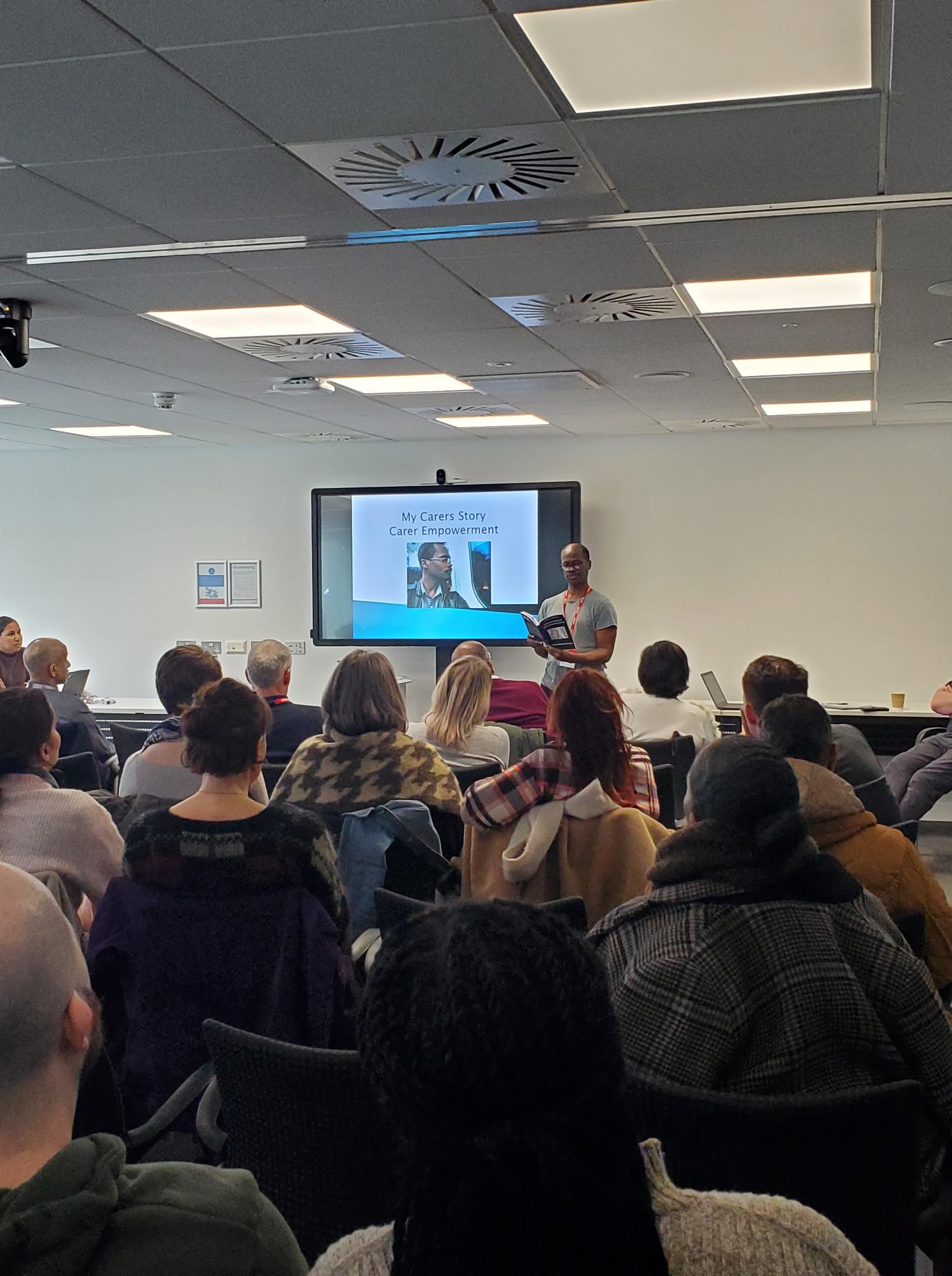
🔹 Voice of the Carer & Carer EmpowermentChloe Harvey and Sarah Bullman provided updates on Southwark’s Carers Strategy, reinforcing the importance of carer voices in shaping policy.

Plus Matthew McKenzie, a well-known carer advocate, spoke passionately about listening to carers, empowering them, and ensuring co-production in decision-making. He also read moving excerpts from his book, The Poetry of Mental Health Caring, which resonated deeply with attendees.

The event concluded with a networking lunch, allowing attendees to connect, share experiences, and strengthen their collective efforts in supporting carers.

This forum was a powerful reminder that carers should never feel alone—there is a strong and growing community dedicated to uplifting and advocating for them. 💙

Lewisham BAME MH Carer Forum September 2020

Welcome to the brief update of my Lewisham BAME Mental Health carer forum which is aimed at minorities caring for someone with a mental illness in the borough of Lewisham. The September forum looked at engagement from South London & Maudsley’s IAPT service (Ellen Heralall) and also engagement from the SLaM QI Peer Project Worker (Richard Mortan).

We were joined by the regular carer members and also newer members including some from my other carer group in Greenwich. There were also some members from community groups including African Advocacy Foundation, Bromley, Greenwich & Lewisham Mind’s community wellbeing group and others.

We were also joined by the comms rep from Birmingham Community Healthcare NHS Trust who was interested on BAME developments in the area. We were also joined by Leonie Down from SLaM who is developing partnerships across Lewisham as part of the transformation of mental health services. Part of her role is to bring together a community strategy for service users, staff and carers within slam.

Ellen explained more about the IAPTs service which means Increasing Access to Psychological Therapy. The IAPTs service has just been running over a decade. They are based in primary care. So they operate very closely with the GPs and operations within GP surgeries. The IAPTs is also now part of the national framework, which is provided by NICE (National Institute of Care and Excellence) which recommend treatments. The aim is to provide easy access for the community to receive psychological therapies for depression and anxiety primarily, but not complex mental health conditions.

The referrals would come up from the GP and people can refer online to go through the triage process. Then they’re offered either step two treatment, which is a Guided Self Help well-being option via online CBT and psycho-education.

Ellen explained that the therapy will usually last generally from six to eight weeks. She mentioned that as with a lot of NHS services, they are fully aware of the discrepancy in the quality of services for the BAME community, accessing IAPT services. Plus when they do access our services, we are also aware of the inequality of their experience and their outcome in poor experiences.

So SLaM have been working on their objectives, but they are resourcing and working hard to look at improving the access of IAPTs to the BAME community,

SLaM are working with our community partners. Which is the big drive for SLaM at the moment to work with community groups, especially with ones attending such forums e.g. community groups, wellbeing groups and fitness garden projects that already exist in the borough. SLaM are partnering up with such groups and seeing how they can work together to bring psychological therapy and mental health awareness treatment to the community in a way that is relevant for them.

Ellen reported that SLaM are also reaching out to step outside of the box and make themselves more accessible to provide such psychological treatments, but also to build more relevant services where to a greater racial understanding of how racism, and discrimination and inequality affects mental health. This helps in raising the awareness of triggers in such experiences. Racism is a trigger and discrimination can also be a trigger to mental health. It is important such forums like the BAME carer forum exist so these things can be talked about in safe spaces.

Ellen mentioned that it’s good to be at the carers forum to talk and network about how how we can continue to become a more accessible and more relevant service.

IAPTs will work with those from culturally sensitive support groups. So there’s lots of different projects IAPTs is involved in. They have become a sort of a broader service that is probably in excess of 100 staff on IAPTs alone.

Ellen felt it was time to open up to questions from the members and attendees from the Lewisham BAME carers forum.

Question and answer session at the forum

The first question was on working with grassroots practictioners on issues with racism, discrimination and some data triggers that effect on mental health.

They wondered how IAPTs is mainly dealing with practitioners and the community within that kind of setting and how does it actually work? Especially with the aim to raise awareness and to deal with the issues of the experience of racism in the community.

Ellen mentioned that there was someone who had been running these groups already. She runs the groups in culturally sensitive emotional support groups aimed at the black and African African Caribbean community, which were 12 weeks. Ellen quoted that the groups were safe spaces to talk about mental health and a convient way to develop emotional wellbeing.

Other questions were on staff and how many were from the BAME community. Ellen did not have the figures to hand, but is bound to bring them at a later date, although she did mentioned about 50% to be vague. Ellen actually leads on the counseling team and because they come through a different sort of training and different routes they tend to get a very diverse range of counselors.

The psychological well being of practitioner to practitioners are now become more increasingly diversity, Ellen might have to get back to exactly the figures, but SLaM are certainly visibly increasing numbers of young BAME psychologists coming into that work stream, where the mental health service have the biggest problem is in in high intensity CBT.

Although BAME therapists certainly are increasing, Ellen felt we’re not there yet. The service is still actively recruiting BAME therapists.

The impact of COVID and technology

Another question arised regarding COVID-19. The carer member queried about lockdowns going on for another six months, he felt carers will come to the organization in six months time, with the community suffering with depression, anxiety and stress. The carer was wondering how they’re going to cope with the extra load BAME carers who have suffered.

Ellen responded on why she is glad to be at the forum. She would like to speak with the group to be able to plan resources. She admitted it would be a difficult task. Within the Lewisham IAPTs she mentioned they have got two priority streams. One of the streams they call priority pathways where One of them is NHS and social care and the priority stream can be tailored to support BAME carers who have been hit hard by the COVID-19 impact.

The carer member responded back stating supporting BAME carers through the crisis is only part of the problem. He felt how can black people know what IAPTs is doing? Especially for COVID-19. So they feel they can come to you when they have a mental health issue and not waiting till they’re in a crisis.

Even the internet can be a problem in itself. If you haven’t got the internet, how do you get on onto a website? So I’m just looking about what IAPTs is doing?

Ellen did completely agree that they are also concerned about people who don’t have access to the Internet and digital services. The services are hoping to open up one of our sites, so that they can do face to face work for people who can’t access digital treatment. They even do telephone treatment which works quite. There is still a lot of work to do.

Other carer members were interest in the size of the Lewisham IAPTs team and how the core element works in diversity. The carer member was interested in how IAPTs is reaching the community. Other members gave some ideas regarding churches, supermarkets and leaflets. Some members mentioned there is a problem with GP referrals and there was criticism on social perscribing in where people just get endlessly referred and not supported.

One other question I felt was interesting was from another carer interested in if there is a body? Which has overarching responsibility for your services in terms of any mental health? This then led to another question from another carer regarding when IAPTs signposts people to the other services, social services and so on. Is there an effort made to check with how that signposting is working? How did they actually make a good connection? How long? How long does it take for that person to get an appointment.

Presentation from SLaM QI Peer Project Worker

Next up to speak to the BAME carer forum was Richard Merton whose role at South London & Maudsly NHS Foundation trust is to try and improve service user and carer voices into MH services. Richard started about how they had an event in July, where the aim was to talk about people’s experiences of meaningful contact during COVID and the sort of things that might help going forward.

From that event they took that away some themes and feedbacks. One of the themes or discussions that was touched upon in that event was of how the trust can support BAME carers. So Richard reminder us that there is another event on the 8th of October and it would be great if anybody wanted to come along to that. A lot of the things that was also discussed at the last event in July was around technology and access to technology, plus some of the things that the forum had been talking about.

Question and answer session regarding Quality Improvement

One carer member was interested in the speed of action from meetings as in how long when they have decided what the outcomes are of these meetings? The carer member continued stating how will Richard or the NHS Trust be able to really take to put decisions into practice? Because he does not want us to say, yeah, we’re going to do this and We’re going to do that. And then this time next year, we’re still working for the outcomes of these, because of the situation we are were under a moment.

The response from Richard was on how things are going to take some more of a structural change. However the event is kind of a listening event based on what communities asked initially. Richard suggested that he thinks it’s always important to come back to someone and annouce what could or could not be done based on what was requested.

Another carer member issued a request stating that if Richard be sure to send information about the October event through the involvement register. Plus to make sure to use ways and other means of sending the information out and spread it as widely as possible to the community.

Another member of the forum mentioned the situation with local government and the impact on BAME carers. She felt that people are not looking at financial aspect of that being at home and having to be connected digitally. Its like having to use the internet and there is no compensation because BAME carers are having to make sure they have to stay online, to be able to be in contact with all the things that are going on in the community, but the bills are going up.

The community support member continued to mention that she has lots of clients who are actually in financial problems. As in losing money in which they can’t have the internet, they can’t be able to be involved. So what aspects are they going to help people like that, she thinks this needs to be looked at the long term due to the high risk of people losing their jobs.

Richard mentioned that NHS England, have got a branch called NHS-X, which looks at technology. And so that’s slightly will take a bit longer, but they’re looking at questions like the community support member raised. Richard also raised the point that at the trust they had a response to COVID. They have a few what they call workstreams going on and one of them is remote consultations and how we can do that across the trust.

Another carer repeated the question saying this problem with technology and paying for broadband and so on, has been going on even before COVID-19. She had to support someone and still supporting that person after she had spiralled down into severe depression. It seems that one of the causes was the person she is supporting was in serious debt, partly because of phone bill.

One of the newer carer members pointed out that the financial issues have always been an issue. And it’s a mental issue. And it’s just the way it is, and it’s never gonna change any time soon. But the question really is how you change that. And when you use the word inclusion, or what we use when we talk about community, there was a way of taking that deficit and turning it into a positive. This is what is needed to be involved in a community. So if there’s a way of paying it back then it is a sort of benefit. Because then you’re giving help to that person who then learns as if it’s an education. I have no idea why this is not happening, but all businesses should have a social responsibility

Richard mentioned how there was support from Charity especially regarding the purchase of mobile phones to help mental health staff connect more with their patients. Richard admitted charity cannot be the complete answer. Richard also wanted to say that a few of people at the forum came to an event in June, which was a big broadcast, where SLaM plan on developing work streams linking the leaders of the council’s together, and and looking at some of these social issues.

Some of the members of the forum are also members of the Lewisham BME Network, one member of the group mentioned an initative from Microsoft that is currently investing in BAME communities. She felt that it is really significant if Microsoft is connecting with some of the groups, and maybe other providers are doing the same like Virgin, or one of those. She felt that perhaps we could ask them on what they do for charities. So there’s probably things we could do in the community that would impact the way we take on the digital platform.

Other carer member raised an important point on that there are many strands to what needs to be done within the community. But if we’re talking about the individuals, within the community, black and white who are experiencing poverty and no access to the internet and phones. He thinks there’s more of a structural in political resolution to this and not just community based solutions. So maybe talking to MPs and putting pressure on them in that sphere, to look at the whole wide community as a whole, not just particularized issues that we’re raising today.

This concludes the brief update of the September Lewisham BAME carer forum.