By Matthew McKenzie – Chair of Triangle of Care community group, NHS England involvement & Carer Poet
We are delighted to invite carers to “Caring Together, Stronger Together” a special event hosted by West London NHS Trust to recognise, support and celebrate the vital role of carers.
The event is open to all carers across Ealing, Hounslow, and Hammersmith & Fulham, so please could you share this information and the attached flyer with all of your networks.
Join us for an enjoyable and informative afternoon featuring:
Opportunities to socialise and connect with other carers
Inspiring talks, presentations and poetry
A carers’ services marketplace with information stands
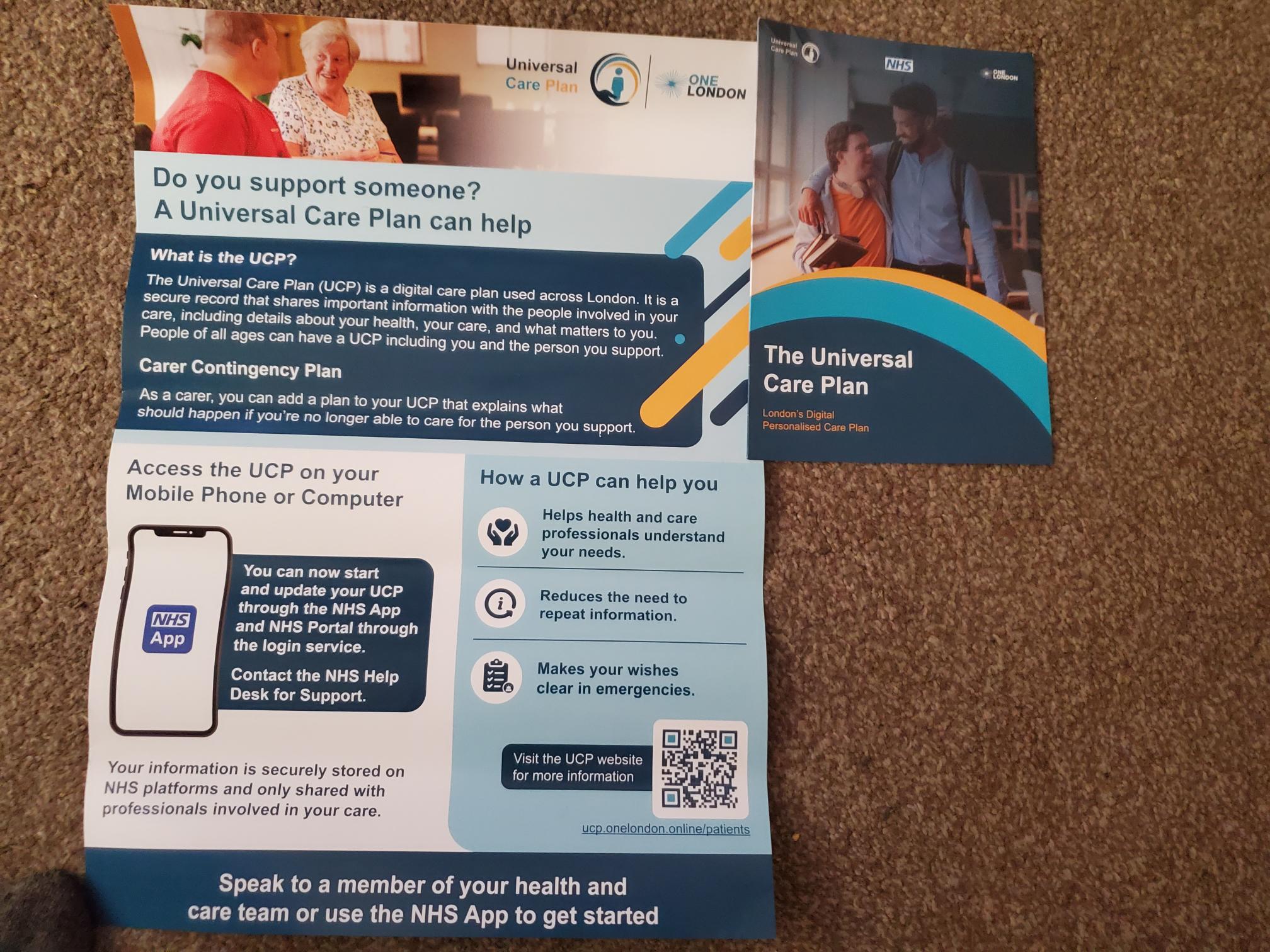
I will also be hosting a Carer stall providing leaflets for Carers including UCP
Wellbeing activities, including mindfulness and hand massages
A complimentary hot lunch
Event details: 📅 Wednesday 29 July 🕐 1:00pm – 4:00pm 📍 Irish Cultural Centre, 5 Blacks Road, London W6 9DT
The event is designed to help carers connect, access information, and take some well-deserved time for themselves in a welcoming and supportive environment.
Looking forward to welcoming carers from across our West London communities. Please help us spread the word by sharing this invitation and the attached flyer.
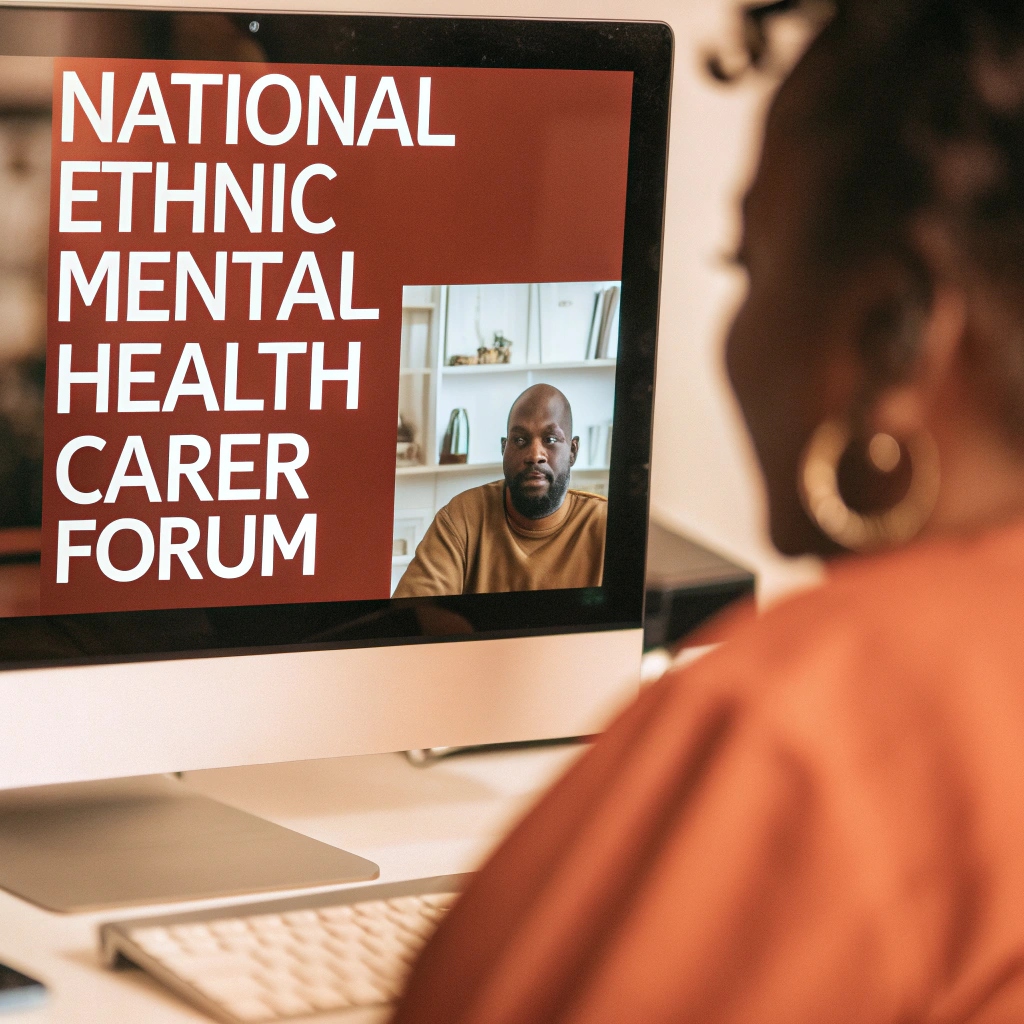
By Matthew McKenzie – Carer & Chair of the National Ethnic MH carer Forum
The June 2026 National Ethnic Mental Health Carer Forum brought together carers, NHS Trusts, researchers, voluntary organisations and mental health professionals from across England to discuss one shared ambition improving mental health services through genuine co-production with ethnic minority carers.
Matthew reminded delegates that carers develop expertise through lived experience. Supporting a family member with severe mental illness means navigating NHS services, social care, benefits systems and advocacy. These experiences provide knowledge that cannot be learned through textbooks alone.
Opening Presentation
Matthew McKenzie
The Importance of Co-production
Forum Chair Matthew McKenzie opened the meeting by welcoming carers and professionals from across England and reflecting on more than a decade of leading the National Ethnic Mental Health Carer Forum.
By Matthew McKenzie – member of UCP Lived experience group
Many unpaid carers worry about one question: “What would happen if I suddenly became ill or was unable to provide care?” It is a concern that often sits in the background but can cause enormous anxiety.
A new approach being developed across London aims to provide reassurance and practical support. Through the Universal Care Plan (UCP) and the Carer Contingency Plan (CCP), unpaid carers can record important information and make plans so that the people they care for continue to receive support if circumstances change.
What is a Universal Care Plan?
The Universal Care Plan (UCP) is a secure digital care record used across London. It allows important information to be shared with health and care professionals involved in a person’s care.
The plan records information that matters most to the individual, including:
Health conditions and medical information.
Personal wishes and preferences.
Details about family members and carers.
Important contacts.
Information that can help professionals provide better care.
The UCP can help reduce the need to repeat information and ensures that health and care staff have access to information when it matters most.
People of all ages can have a Universal Care Plan, including both carers and the people they support.
For unpaid carers, one of the most valuable developments is the Carer Contingency Plan (CCP).
The CCP allows carers to record what should happen if they are suddenly unable to continue caring because of illness, an emergency or another unexpected event.
The plan can include:
Emergency contacts.
Information about daily routines.
Medication arrangements.
Communication needs.
Important preferences and wishes.
Details about replacement support or family members who could help.
Having this information available means professionals and family members can respond more quickly and with greater confidence during a crisis.
Why is this important for unpaid carers?
Many carers provide support around the clock and often put their own needs last. Yet emergencies can happen to anyone.
A Carer Contingency Plan can:
Provide peace of mind.
Help avoid unnecessary hospital admissions.
Ensure continuity of care.
Reduce stress during emergencies.
Make carers more visible to health and care services.
Improve communication between professionals and families.
Most importantly, it recognises the crucial role unpaid carers play and helps ensure they are not overlooked.
Accessible and Easy to Use
Universal Care Plans and Carer Contingency Plans are designed to be practical and accessible.
Plans can be created:
In hospitals.
In community services.
Through voluntary sector organisations.
By individuals themselves using the NHS App and NHS digital services.
Support materials and guidance are continuing to expand, making it easier for both professionals and carers to understand and use the system.
Working Together Across Health and Care
The UCP and CCP are being used across hospital, community and voluntary sector settings. Their purpose is simple but powerful: to improve communication, support carers and ensure that important information is available when it is needed most.
For unpaid carers, this represents a positive step forward. Carers have long spoken about wanting greater recognition and reassurance that there is a plan in place should something happen to them. The Carer Contingency Plan helps answer that concern.
A Message to Carers
If you support a family member, partner, friend or neighbour, you are not alone. Your role matters, and planning ahead is not about expecting the worst—it is about providing reassurance and protecting the person you care for.
The Universal Care Plan and Carer Contingency Plan offer a practical way to make your wishes known, improve communication with professionals and ensure that support can continue when it is needed most.
If you would like to know more, speak to your hospital’s carers service, community team, GP practice, local carers organisation or ask a member of your health and care team about the Universal Care Plan and Carer Contingency Plan.
Planning ahead today can bring peace of mind tomorrow for both carers and the people they care for.
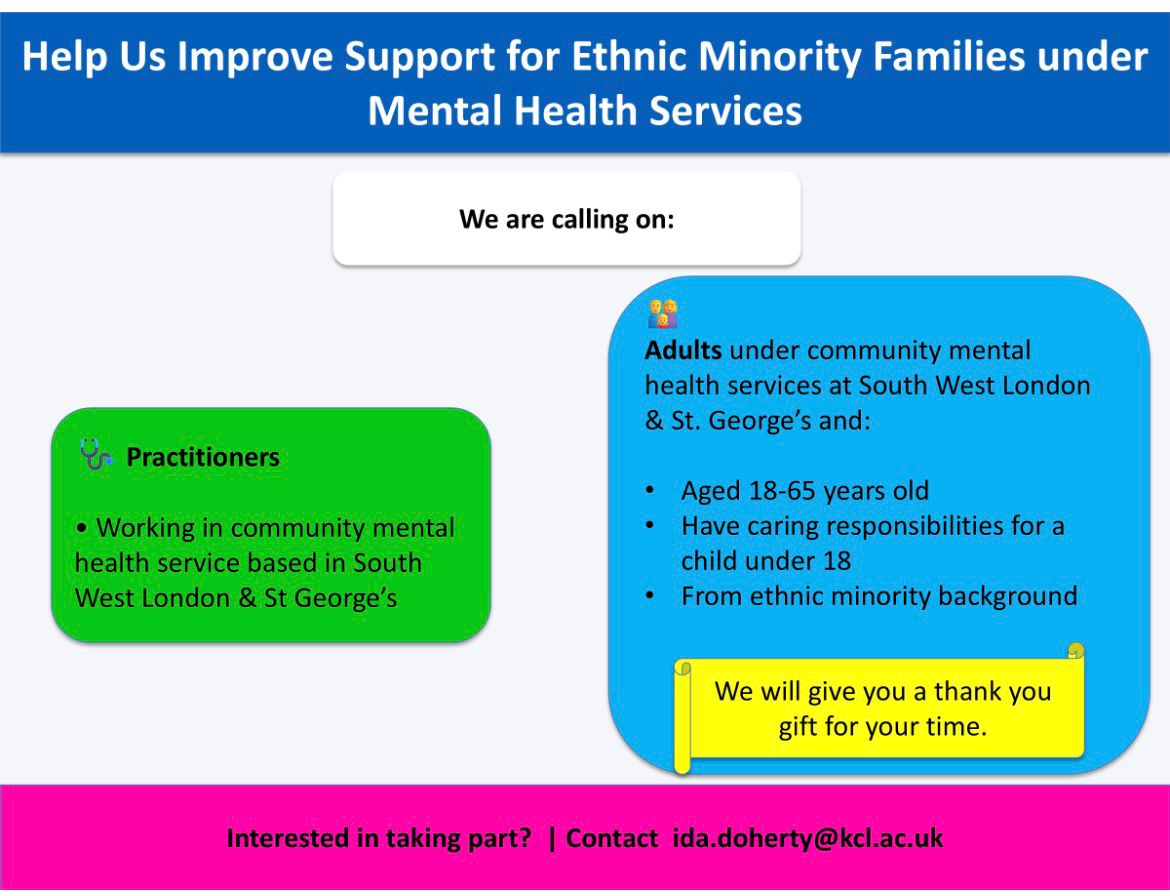
Are you a parent or carer from an ethnic minority background who is currently receiving support from community mental health services in South West London? Researchers at King’s College London are looking to hear from families about their experiences to help improve the support available to parents and carers.
Who can take part?
You may be eligible if you:
Are aged 18–65
Are currently under the care of South West London and St George’s Mental Health NHS Trust community mental health services
Have caring responsibilities for a child under 18
Identify as being from an ethnic minority background
Why take part?
Parents and carers from ethnic minority communities often face unique challenges when accessing mental health support. By sharing your experiences, you can help researchers understand what works well, what could be improved, and how services can better support families across South West London.
Your voice can contribute to developing more inclusive, family-focused mental health services for future generations.
Are practitioners involved?
The study is also inviting practitioners working in community mental health services within South West London and St George’s Mental Health NHS Trust to take part, helping to bring together both professional and lived experience perspectives.
Thank You for Your Time
Participants apart from practitioners will receive a thank-you gift in recognition of their time and contribution.
Interested in Taking Part?
For more information or to express your interest, please contact:
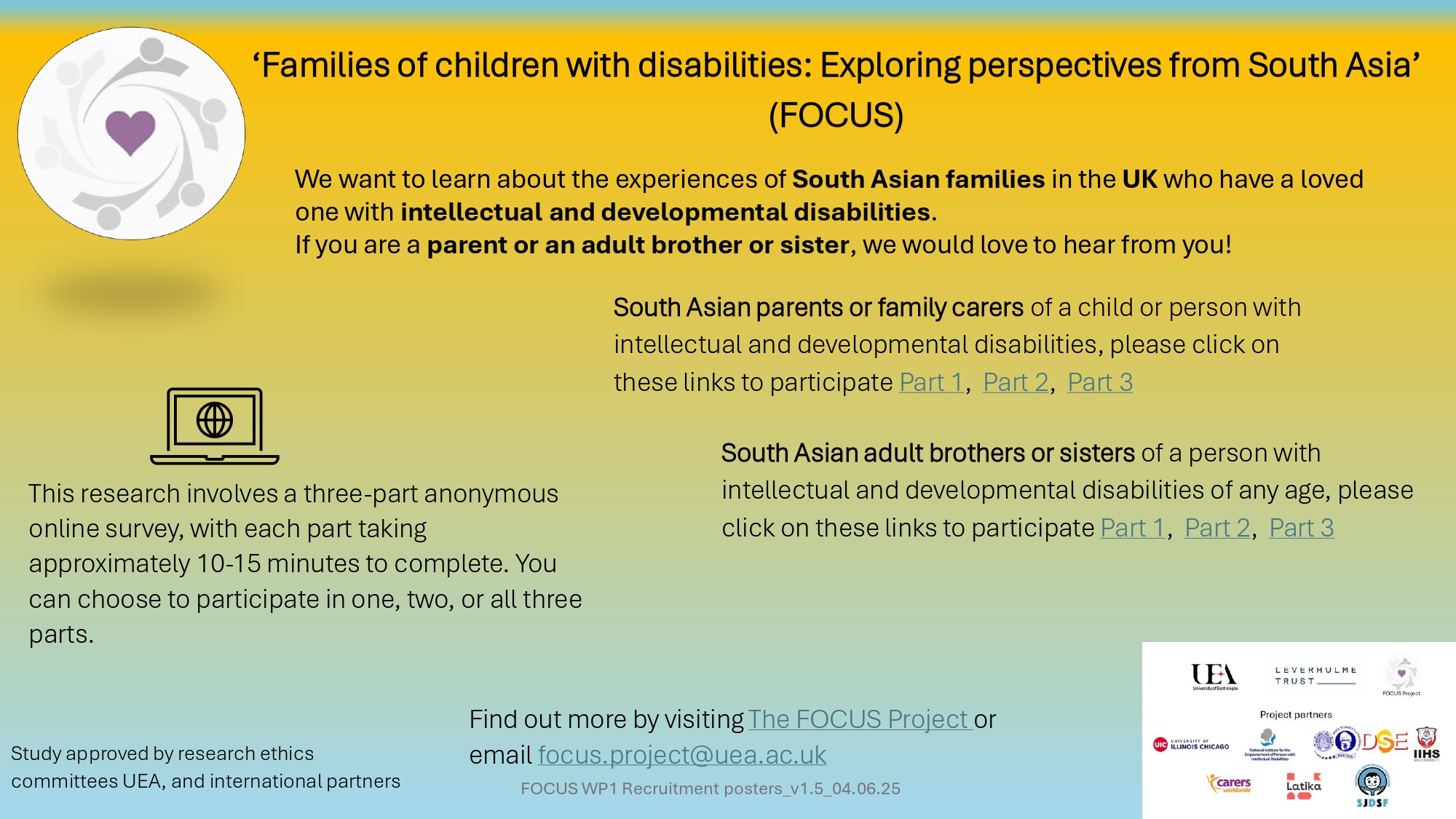
The FOCUS Project, an international research study exploring the experiences of South Asian families who have a family member with intellectual and developmental disabilities.
Researchers are seeking to hear from:
South Asian parents and family carers
Adult brothers and sisters of people with intellectual and developmental disabilities
Professionals who work with South Asian families and children with disabilities
Families interested in sharing their experiences through surveys and discussion groups
The study aims to improve understanding of the challenges, strengths, and support needs of South Asian families, helping to inform future services and policies.
Ways to Get Involved
Work Package 1 – Family Survey Take part in an anonymous online survey exploring family experiences. Each section takes approximately 10–15 minutes, and participants can complete one, two, or all three parts.
Work Package 2 – Professional Survey Professionals working with children and young people with intellectual and developmental disabilities from South Asian backgrounds are invited to share their views on family-oriented partnership practices.
Work Package 3 – Online Discussion Groups South Asian parents and adult siblings are invited to join a small online discussion group lasting around one hour to share their experiences in more depth.
Your Voice Matters
Every family’s experience is unique. By taking part, you can help researchers better understand the realities of caring for a loved one with intellectual and developmental disabilities and contribute to improving support for future generations.
For more information about the FOCUS Project, please visit the study website or contact the research team at focus.project@uea.ac.uk.
To hear more about the project, they will present at my National ethnic mental health carers forum for the 26th of June. Book via my forum page.
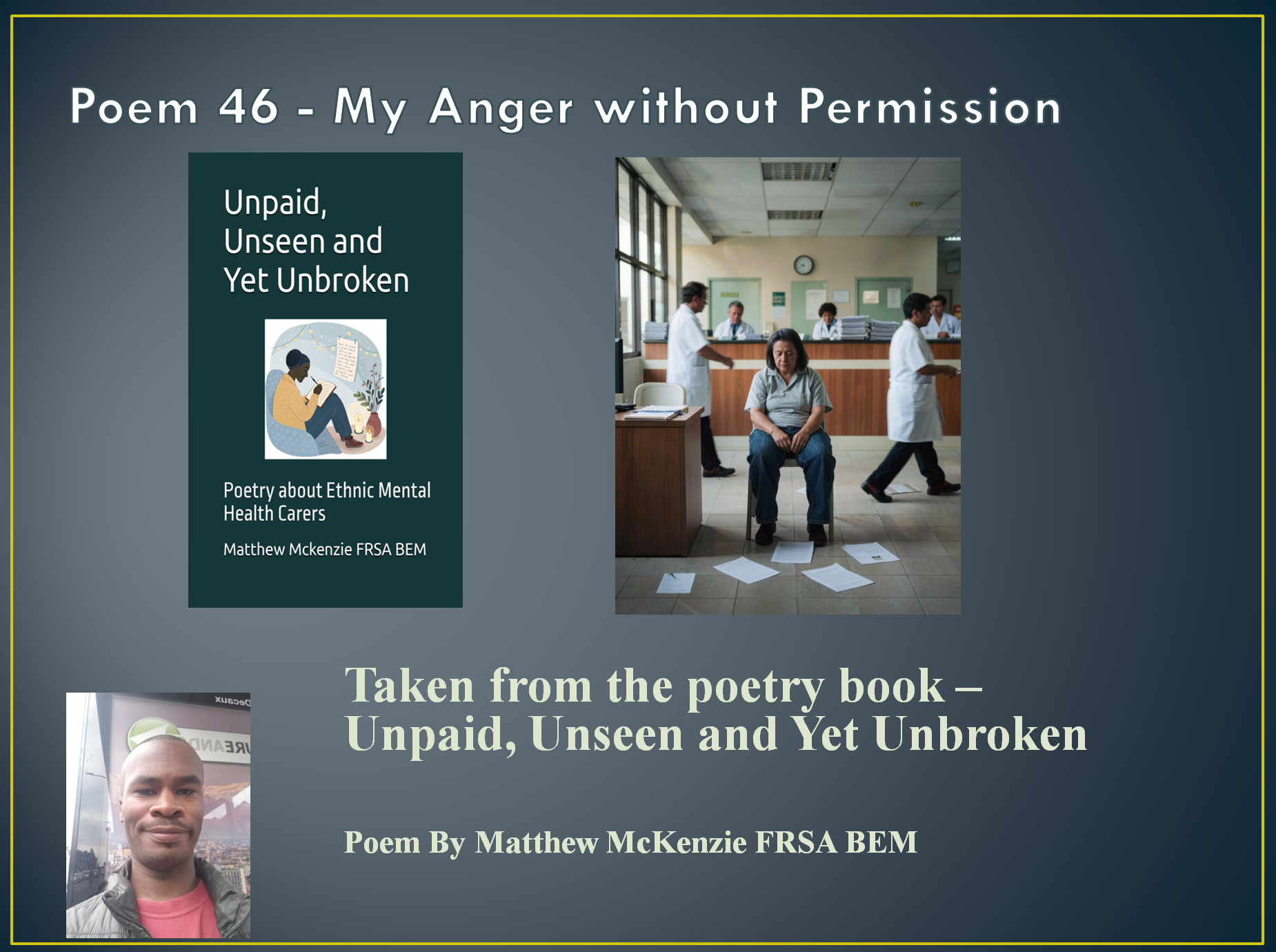
Poetry has a unique ability to capture experiences that are often absent from reports, datasets, and meeting minutes. My Anger Without Permission explores the emotional reality of being an ethnic minority unpaid carer navigating mental health services while experiencing exclusion, microaggressions, invisibility, and a lack of recognition.
These themes are closely connected to the aims of the Patient and Carer Race Equality Framework (PCREF), NHS England’s anti-racism framework for mental health services, which seeks to improve access, experience, and outcomes for racialised communities by ensuring that patients and carers are listened to, involved, and able to influence change.
Central to PCREF is the belief that lived experience should shape services, and poetry provides a powerful way for carers to share those experiences in their own words.
My poem also highlights why unpaid carers must be visible within conversations about race equality and mental health. Many carers from ethnic minority communities provide significant emotional and practical support while feeling overlooked by the very systems they help sustain. By sharing stories through poetry, carers can challenge assumptions, increase understanding, and contribute to more culturally responsive services.
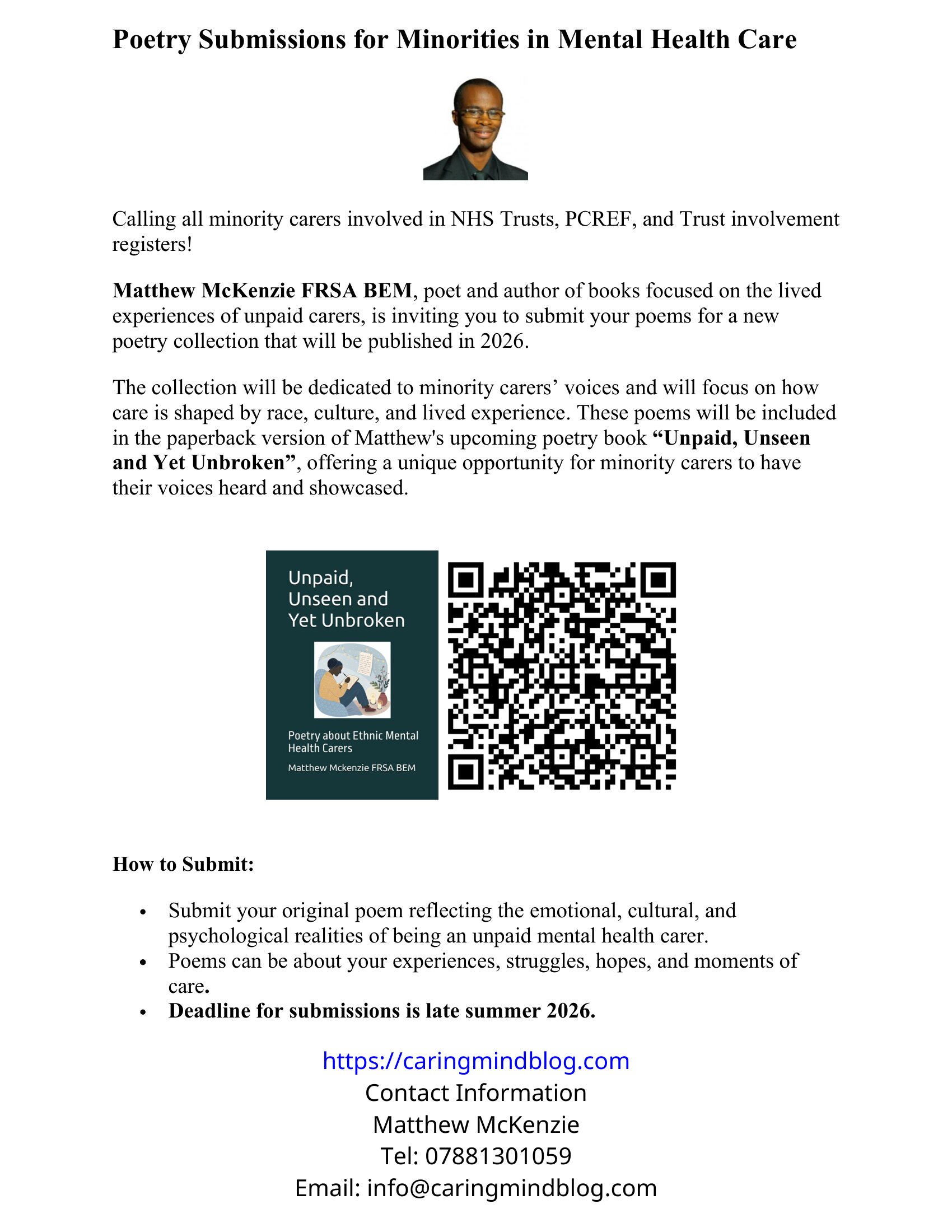
To help amplify these voices, submissions are now being invited for Unpaid, Unseen and Yet Unbroken, a forthcoming poetry collection edited by Matthew McKenzie FRSA BEM. The anthology will showcase poems from minority ethnic unpaid carers, creating a lasting record of their experiences, resilience, hopes, and challenges.
If you are an unpaid carer with a story to tell, this is an opportunity to have your voice heard, published, and become part of a growing movement for equity, recognition, and change within mental health services.
By Matthew McKenzie – Carer, Campaigner, Author and Speaker
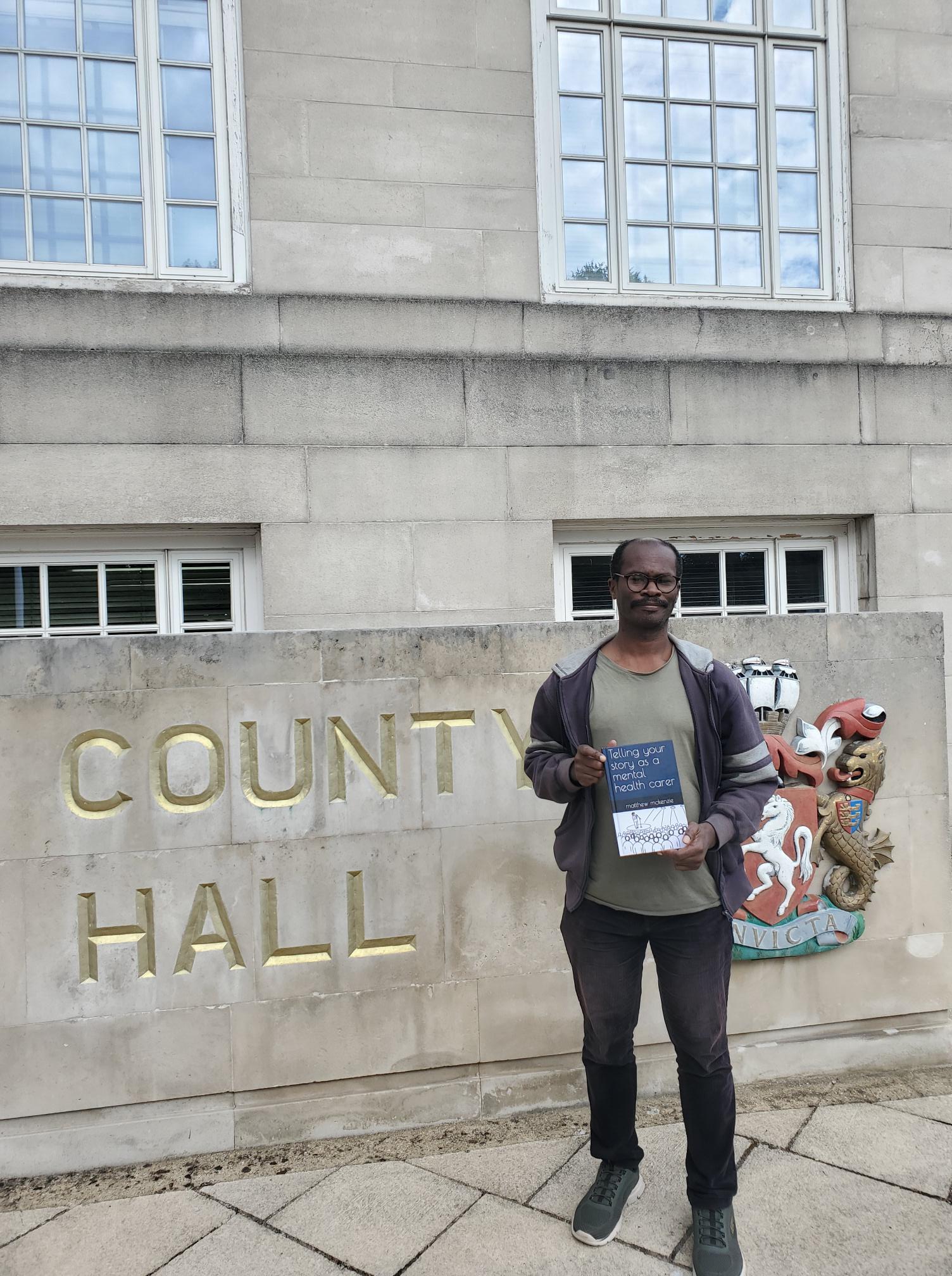
5 June 2026 – Supporting Kent County Council’s Carer Awareness Campaign
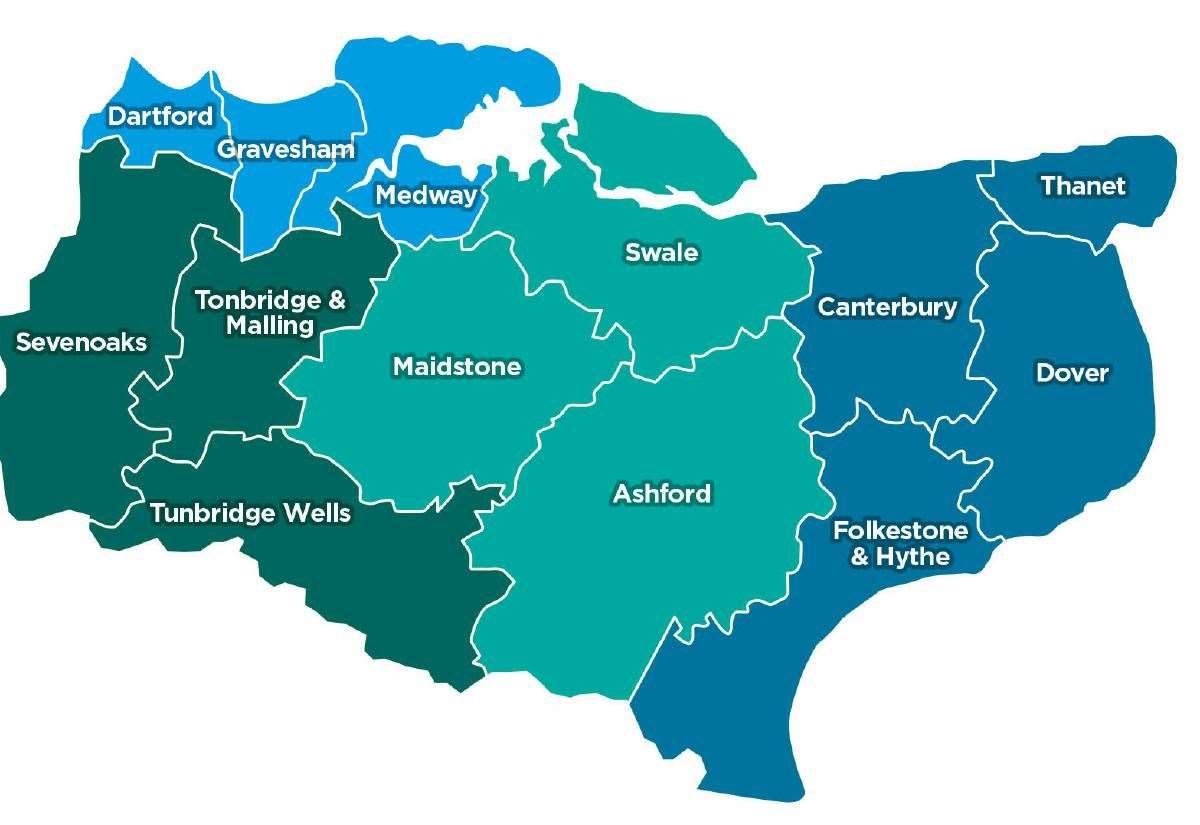
Although not officially part of Carers Week, my activities with Kent County Council formed an important part of my ongoing commitment to raising awareness of unpaid carers. I supported the county’s long-term carer awareness campaign by taking part in filming designed to help train council staff to better recognise and support carers.
I also discussed future opportunities to speak at Kent County Council carer groups and continued promoting my own support groups across the county. It was encouraging to see local government investing in carer awareness and recognising the importance of ensuring carers are identified, valued and supported within their communities.
9 June 2026 – Developed Video promotion for Carers Week 2026
I did my bit to raise awareness of Carers Week 2026 via a video I developed, which you can see below.
8 June 2026 – Carers Week Stall at St George’s University Hospital
Carers Week officially began with a rewarding day at St George’s University Hospital, where I hosted a Carers UK information stall. The event provided an opportunity to engage directly with unpaid carers, patients, hospital staff and visitors, sharing information about the support available to carers both locally and nationally.
Written by Matthew McKenzie, Speaker, Carer, Campaigner and Poet
As part of Carers Week 2026, I had the privilege of travelling to East Dean in East Sussex to speak at the East Sussex Carers Voices – Celebrating Carers Week Event, organised by Care for the Carers. The event brought together unpaid carers, carers’ organisations, NHS representatives, local authority leaders, health professionals, community groups and carers from across East Sussex to discuss the realities of caring and identify ways to improve support for unpaid carers.
The event was hosted by Dr Neil Churchill, Chair of Care for the Carers, who guided the day’s discussions and emphasised the vital role carers play in society. Throughout the day, carers shared their personal stories, experiences and recommendations directly with decision-makers and service providers.
If you have cared for, supported, or helped someone navigate mental health services, your experience matters.
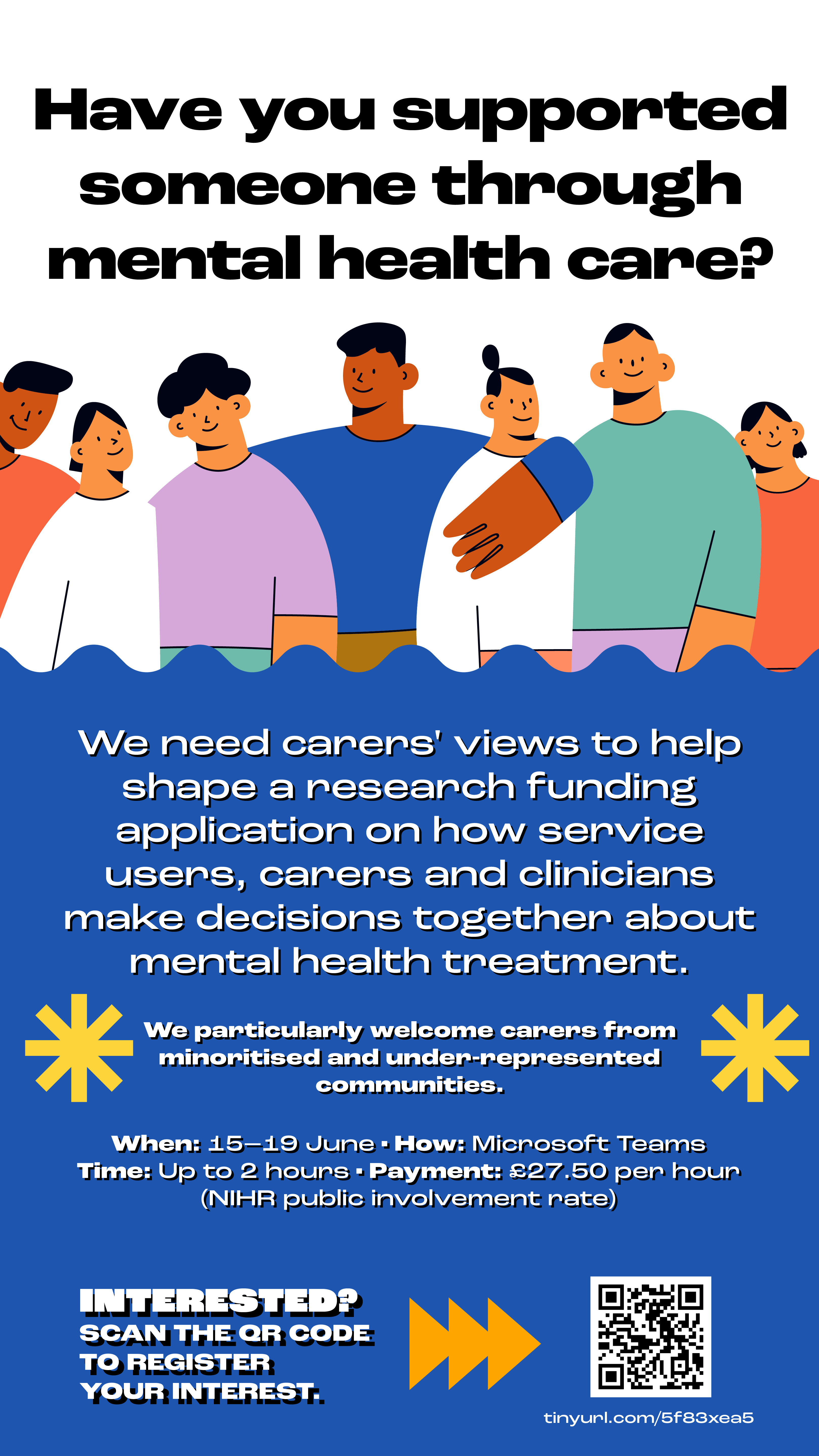
Researchers are seeking carers to share their perspectives as part of a project exploring how people make decisions about mental health treatment together. The insights gathered will help shape a research funding application focused on understanding how service users, carers, and clinicians can work collaboratively when making decisions about care and treatment.
Use your Carers’ Voice
Carers often play a vital role in supporting loved ones through mental health challenges. You may have helped someone:
Understand treatment options
Attend appointments
Manage medication and care plans
Communicate with healthcare professionals
Make important decisions during difficult times
Your experiences can provide valuable insights into what works well, what could be improved, and how mental health services can better support collaborative decision-making.
Who Can Take Part?
We are looking for people who have supported someone through mental health care.
We are particularly keen to hear from carers from minoritised and under-represented communities, whose perspectives are often missing from research but are essential to ensuring services meet the needs of everyone.
What’s Involved?
Participants will be invited to take part in an online discussion via Microsoft Teams.
Dates: 15–19 June Format: Microsoft Teams Time commitment: Up to 2 hours Payment: £27.50 per hour (NIHR public involvement rate)
Make a Difference Through Your Experience
By sharing your views, you can help influence future research and contribute to improving how mental health treatment decisions are made between service users, carers, and clinicians.
Every experience is valuable, and your contribution could help shape better mental health care for individuals and families in the future.
Interested?
Register your interest by scanning the QR code on the poster or visiting:
tinyurl.com/5f83xea5
Thank you for considering taking part and helping ensure carers’ voices are heard.
By Matthew McKenzie – Carer, Author, Poet and Host of the Carers UK Information Stall 10 June 2026, Perceval House, Ealing
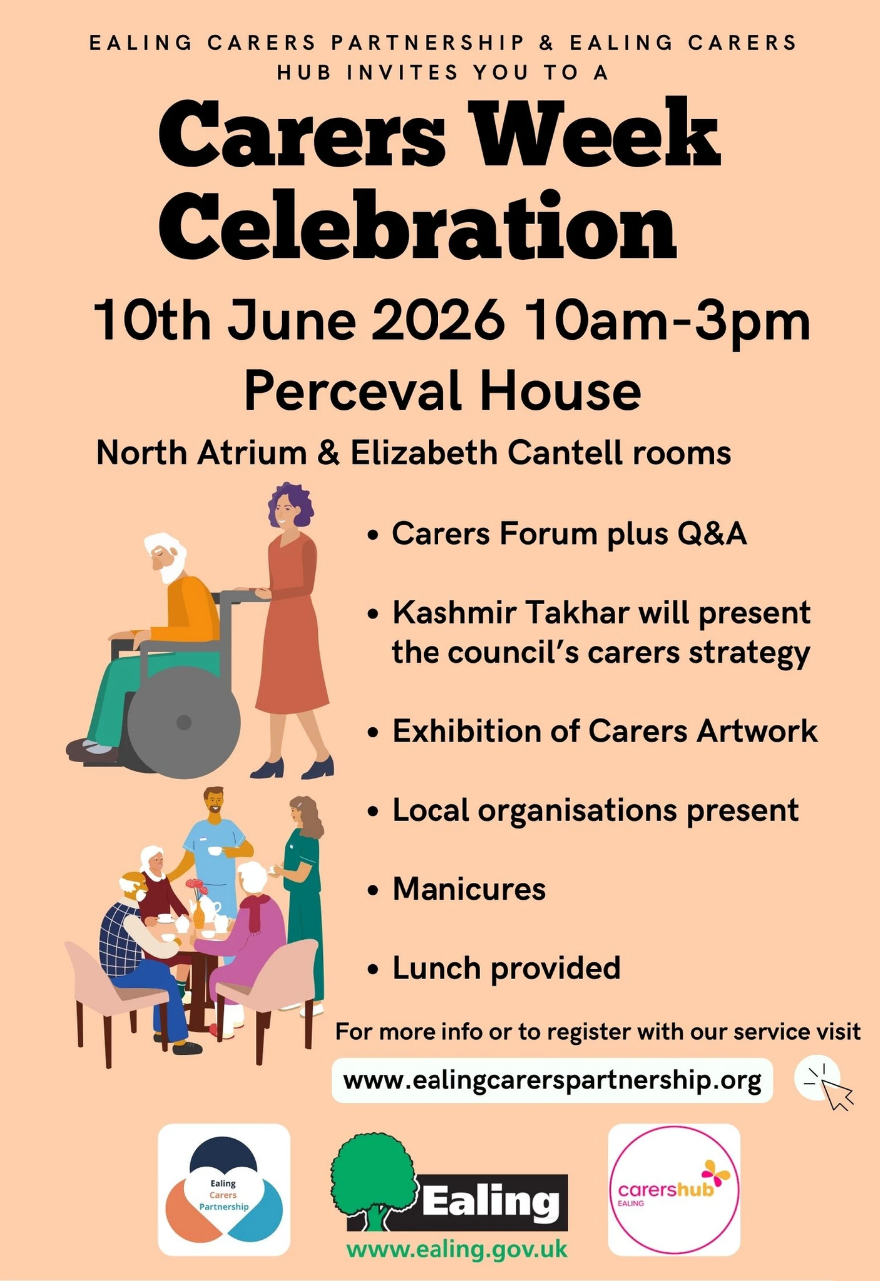
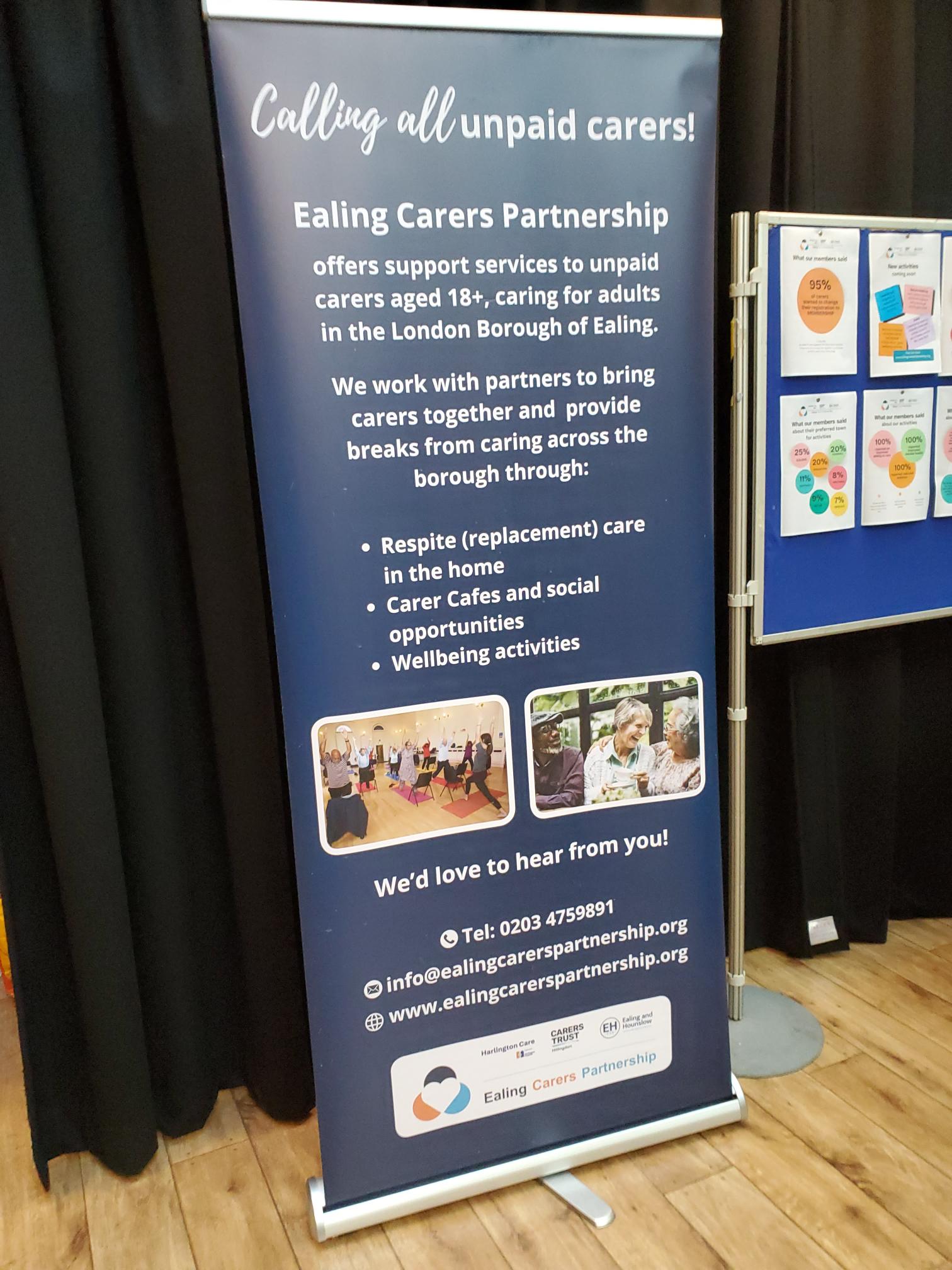
As a carer myself, supporting both of my brothers, I understand that caring is often a role we never planned for, yet one we embrace out of love, duty and commitment. It can be rewarding, but it can also be isolating, exhausting and overwhelming. That is why events such as the Carers Week Celebration 2026, organised by Ealing Carers Partnership, Ealing Carers Hub and Ealing Council, are so important.
I think it reminds us that carers matter, that our voices are heard and that we are not alone.
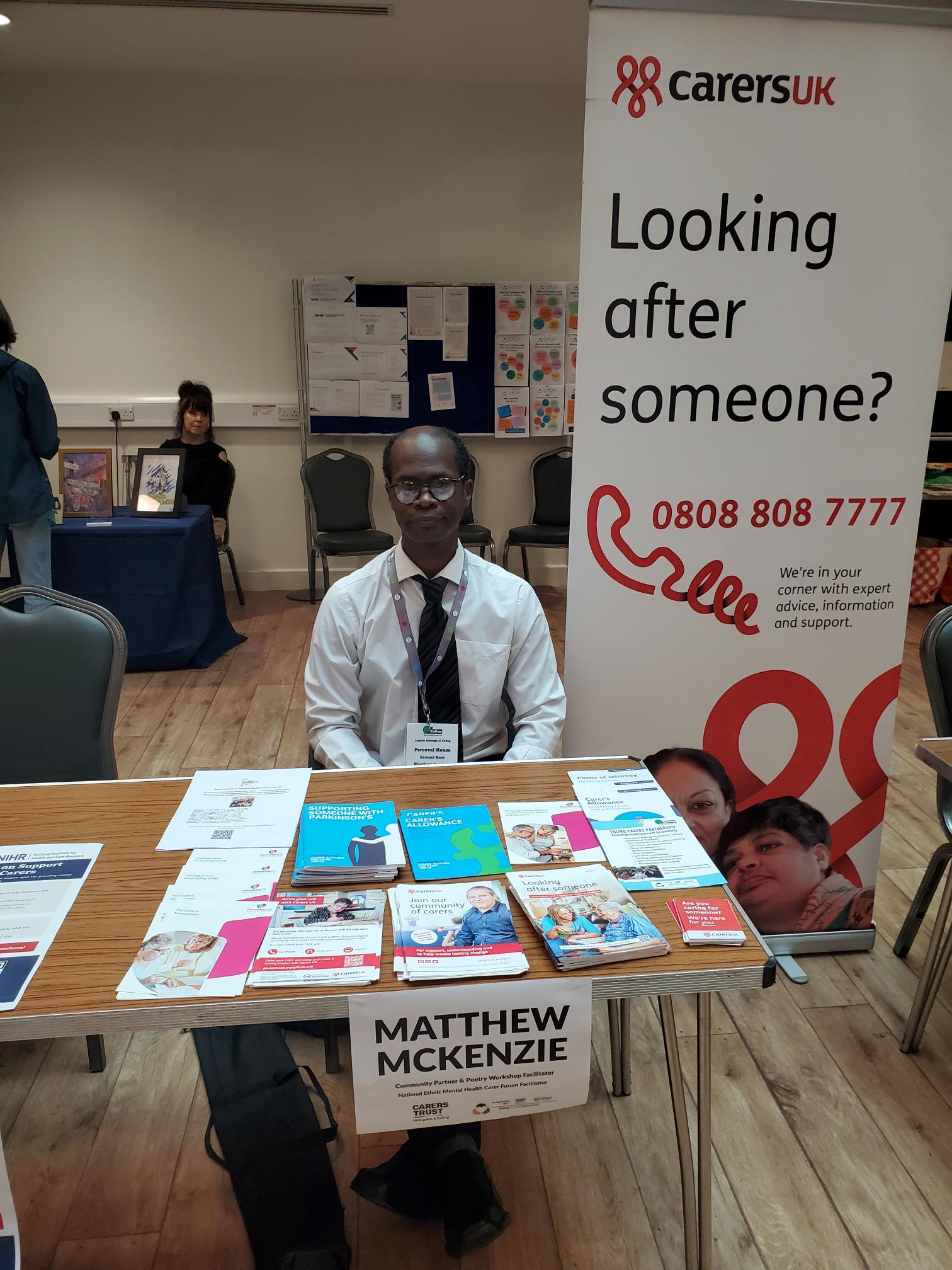
Having the privilege of hosting the Carers UK information stall, while also attending as a carer, poet and author, I witnessed first-hand the incredible sense of community that filled Perceval House throughout the day.
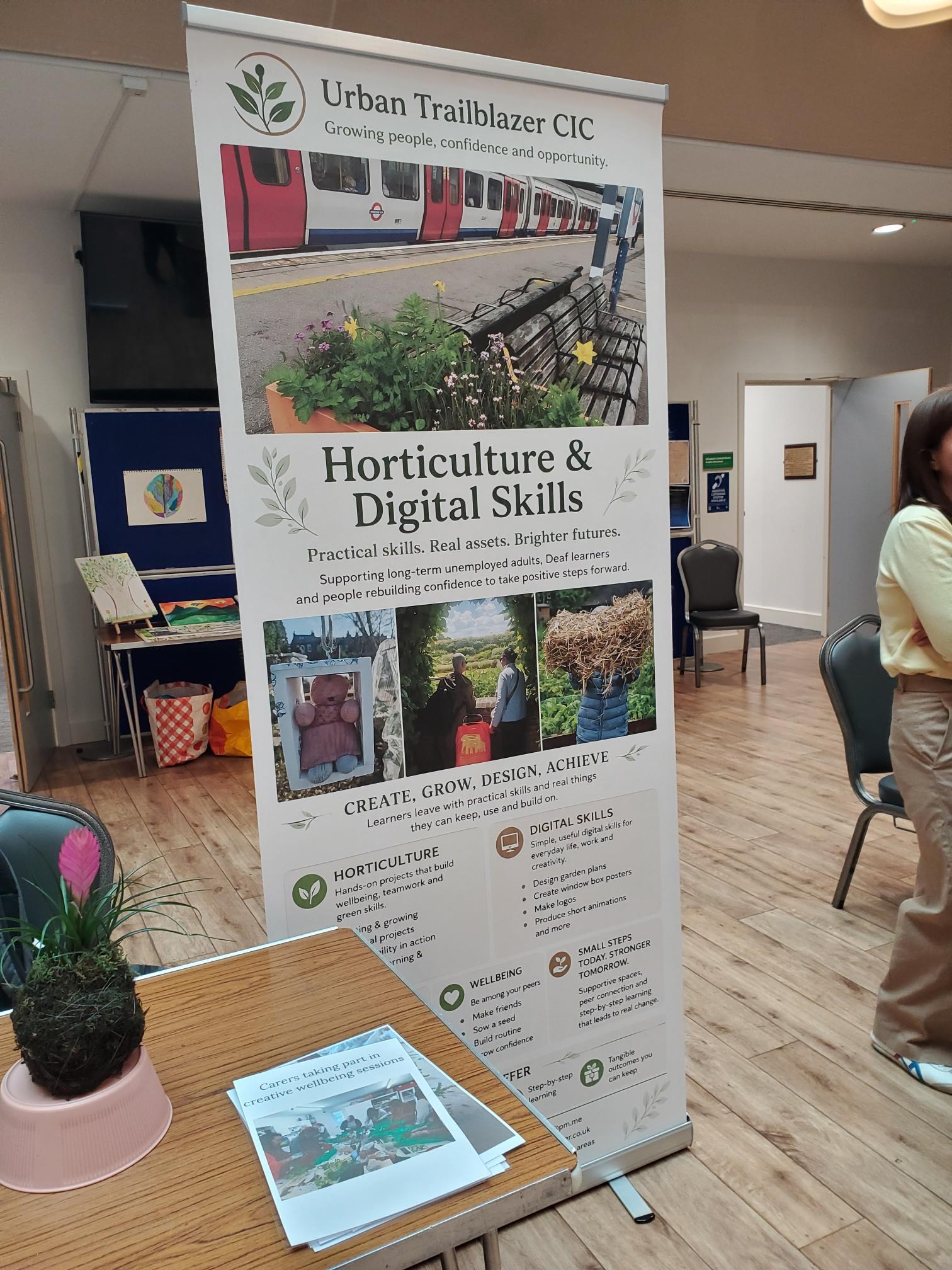
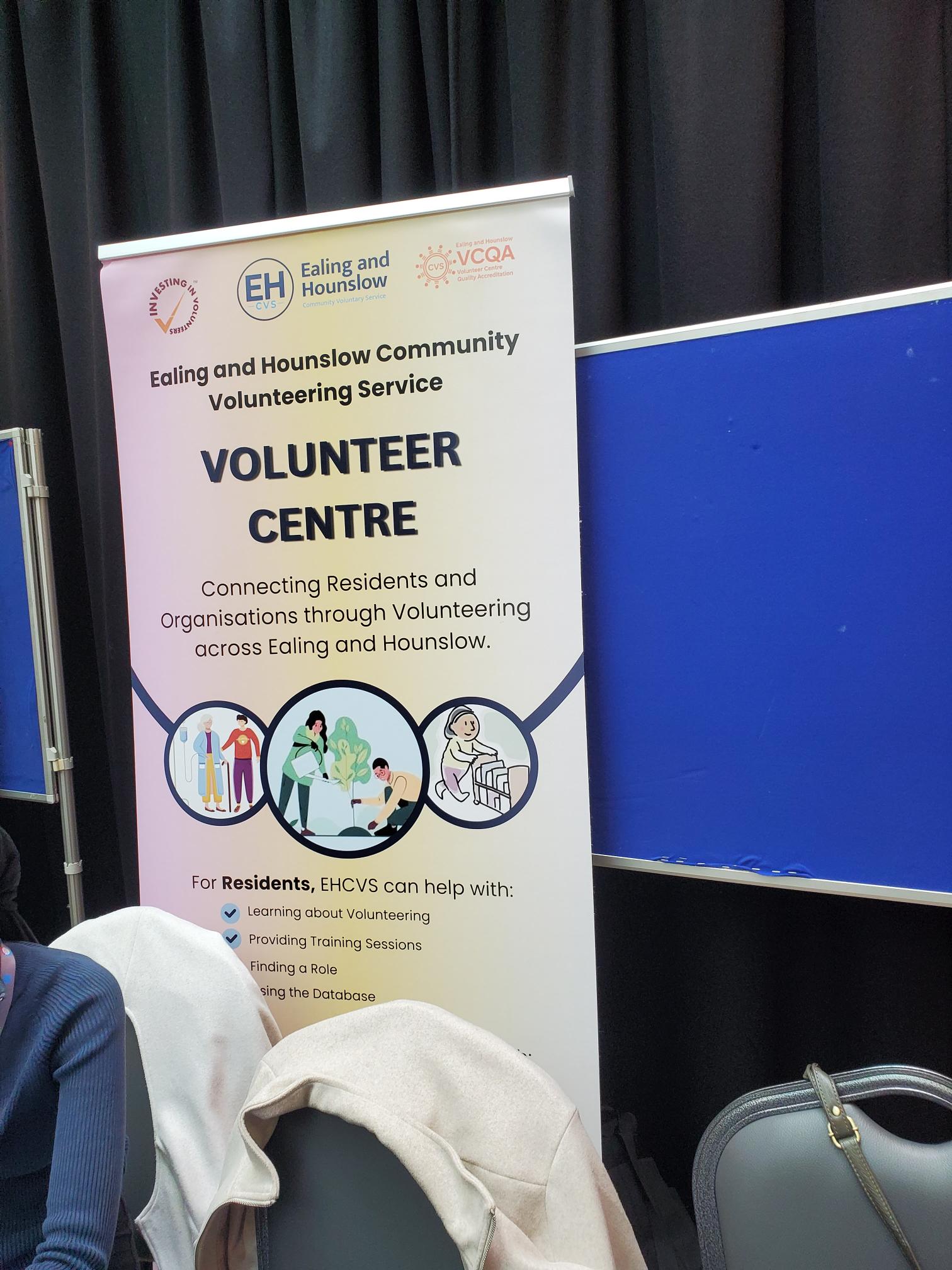
The event brought together carers, professionals, charities, community organisations and council representatives for a celebration that was both informative and inspiring. Alongside the opportunity to gather information and advice, carers enjoyed complimentary refreshments, free manicures from students of Uxbridge College, artwork exhibitions and the chance to connect with others who truly understand the caring journey.