By Matthew McKenzie – Chair of ethnic MH Carer forum / Chair of Cancer Carergiver group
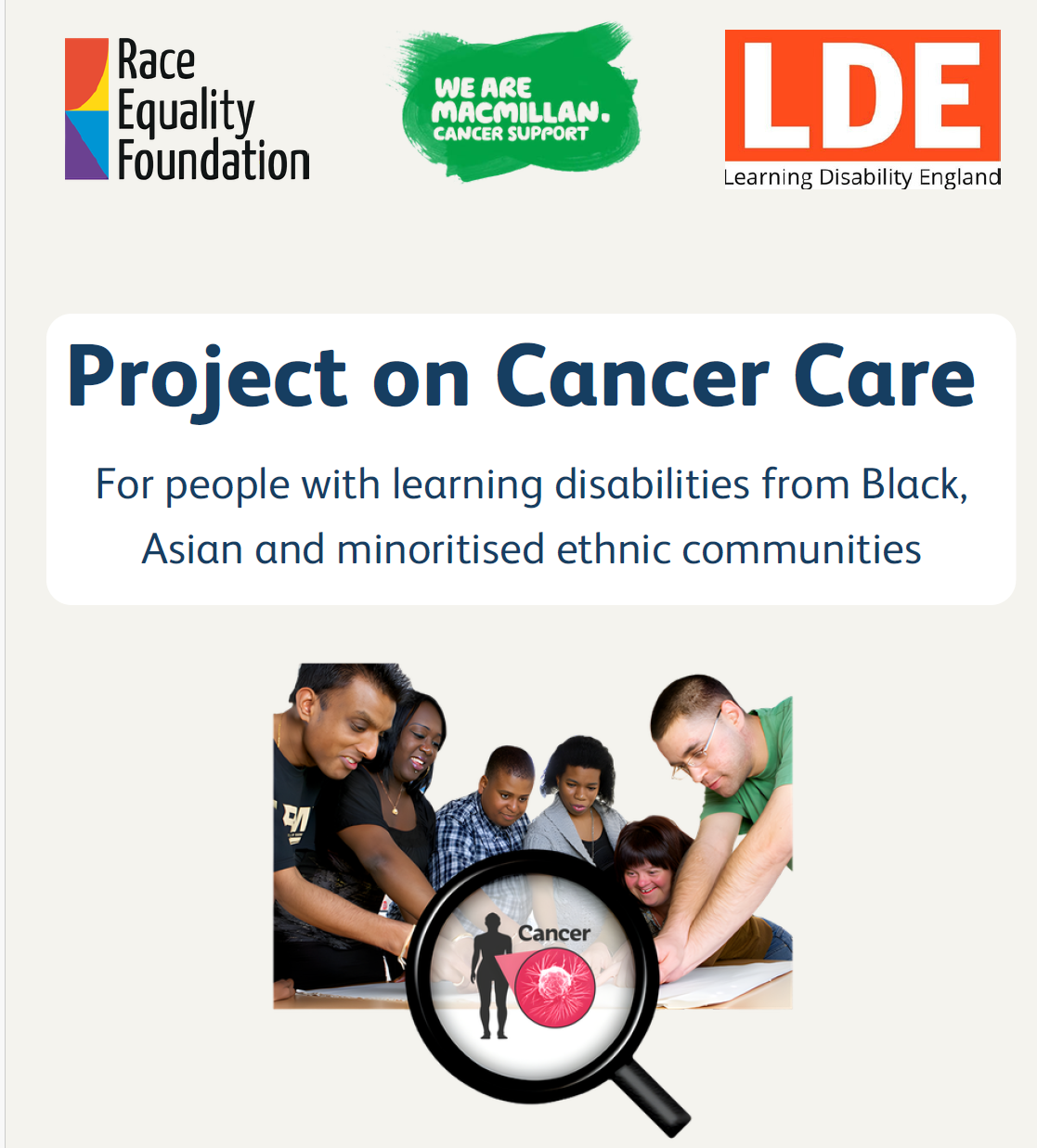
I was recently sent information about an important cancer care project being led by Learning Disability England in partnership with the Race Equality Foundation which is funded by Macmillan Cancer Support.
The project aims to improve cancer care for people with learning disabilities from Black, Asian and minoritised ethnic communities. A working group is being established involving self-advocates, family members and friends who have experience of cancer.
By Matthew McKenzie – Carer Activist and Carer Advocate
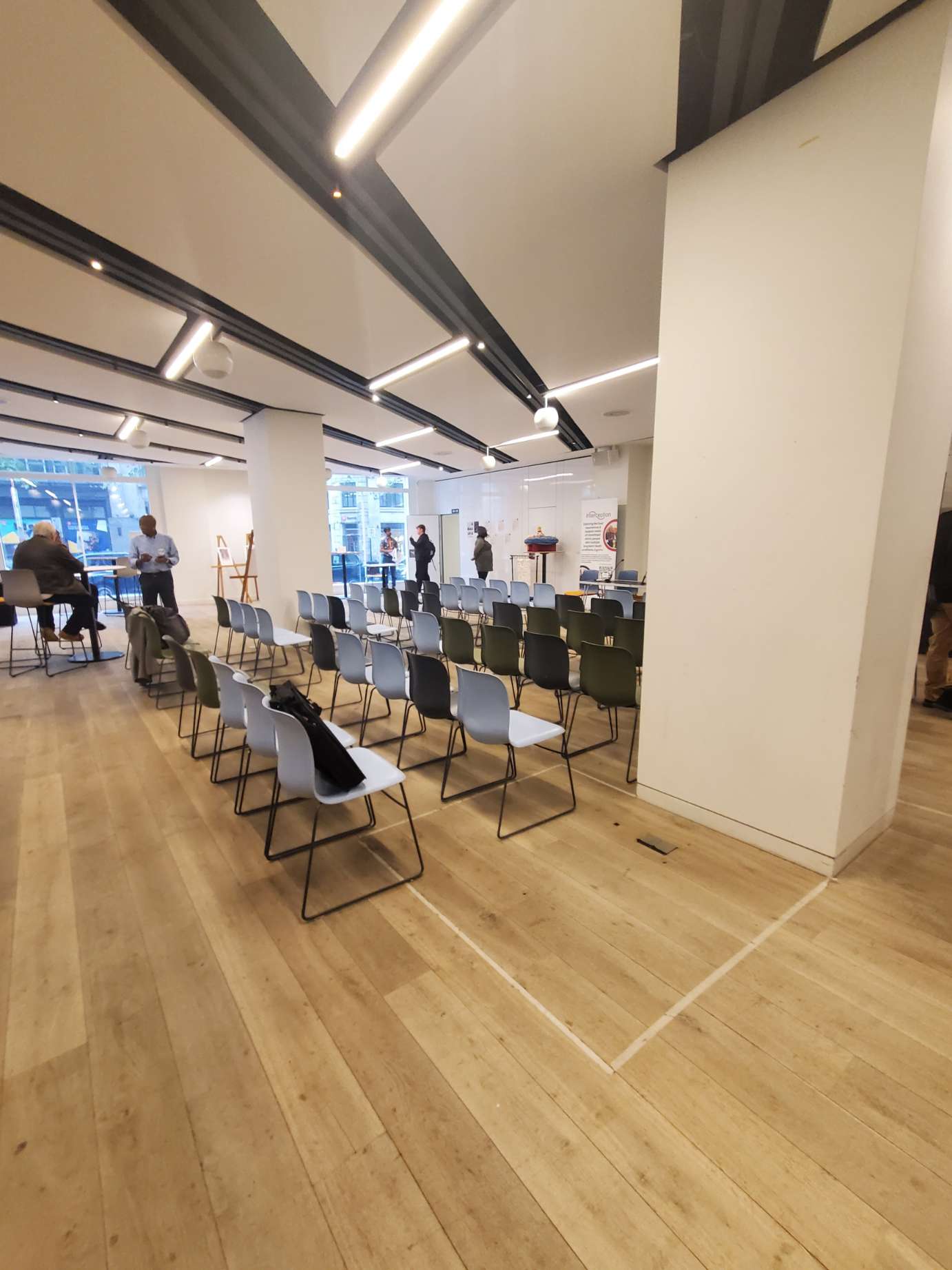
On 8 September 2026, I had the honour of attending the DUALITY event at King’s College London, held at Bush House.
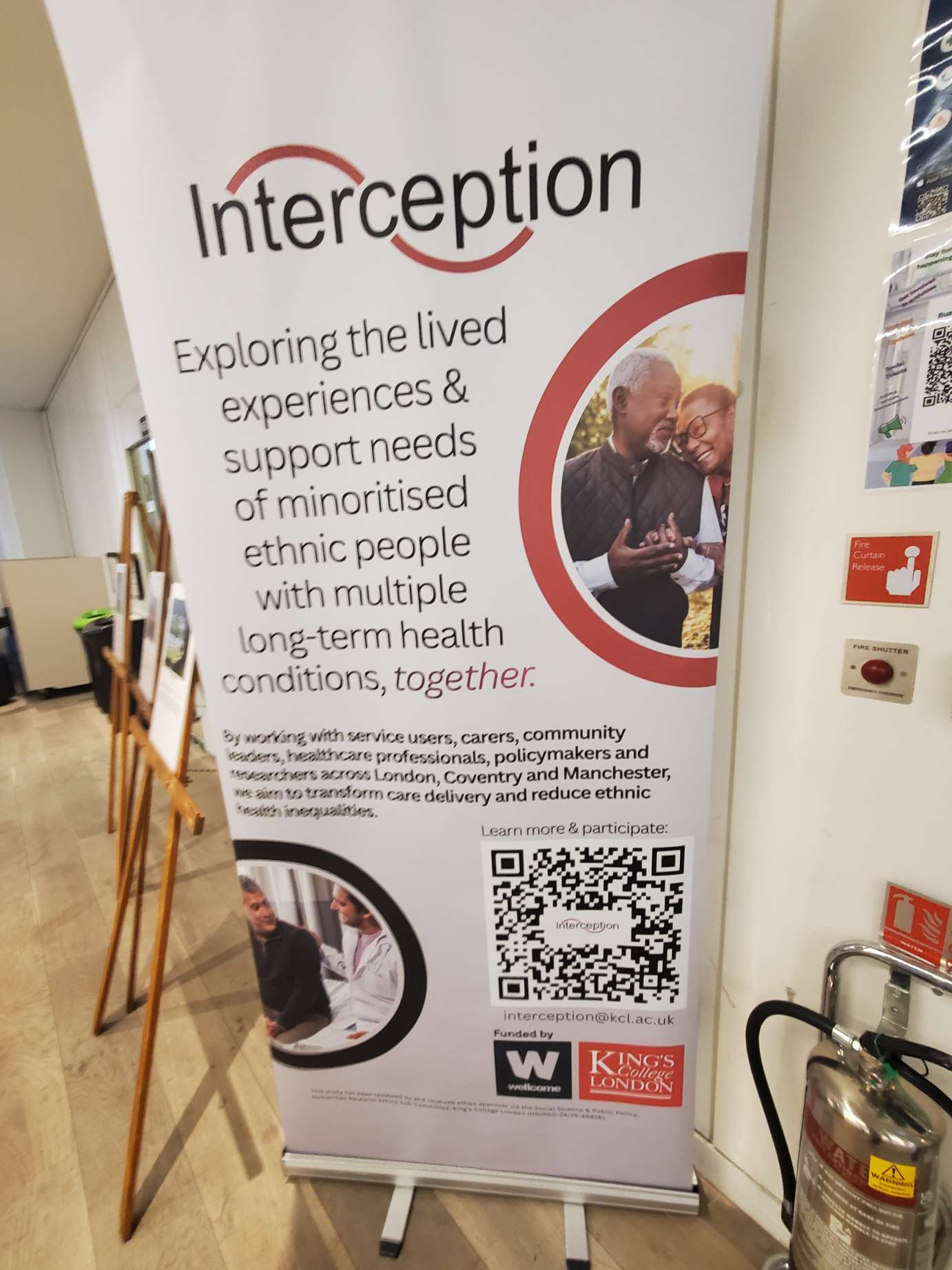
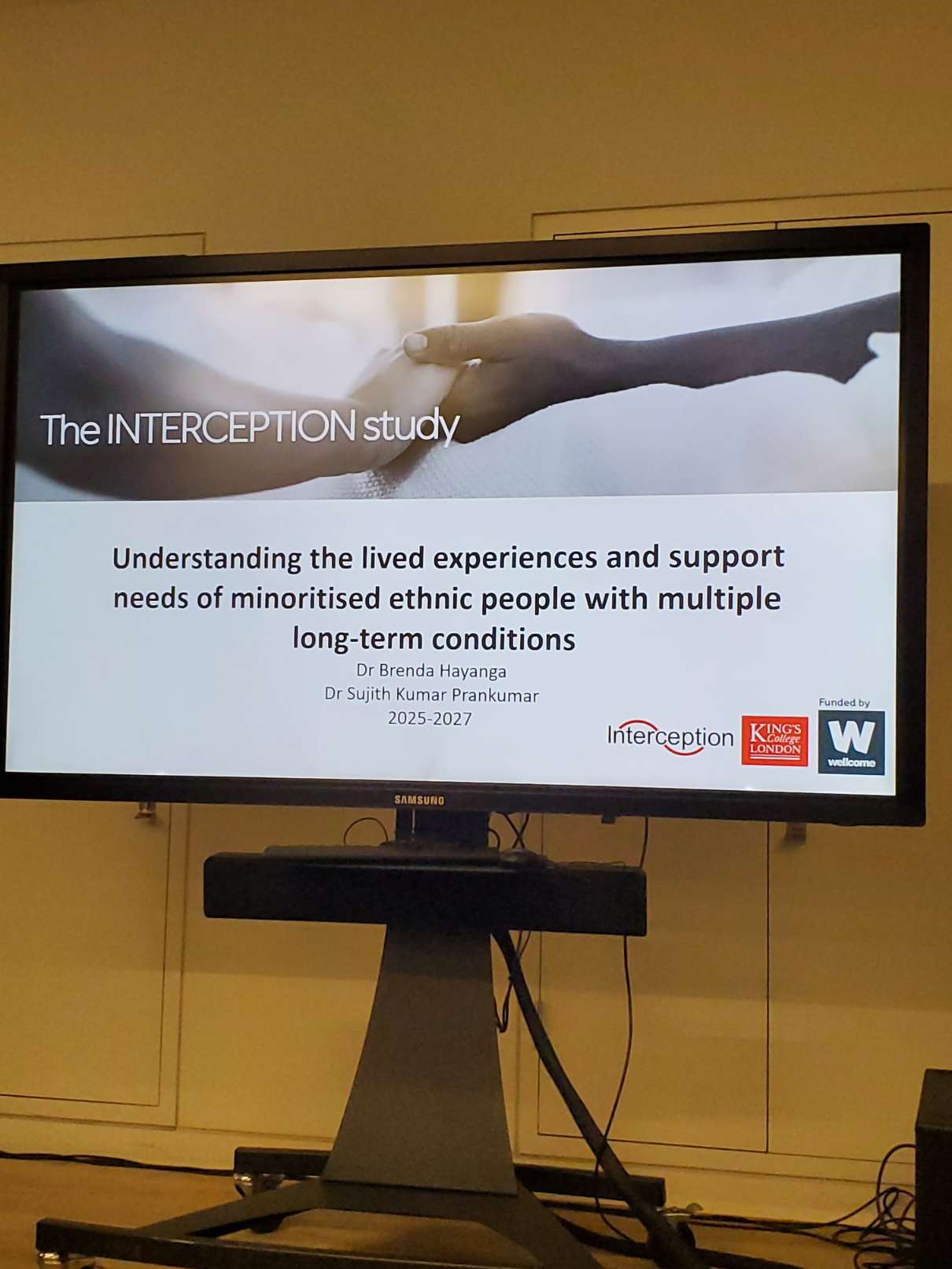
The event was a research and public/community engagement event connected to the INTERCEPTION study, based in King’s Department of Global Health & Social Medicine, within the School of Global Affairs / Faculty of Social Science & Public Policy.
There was a packed agenda, which I have shown below.
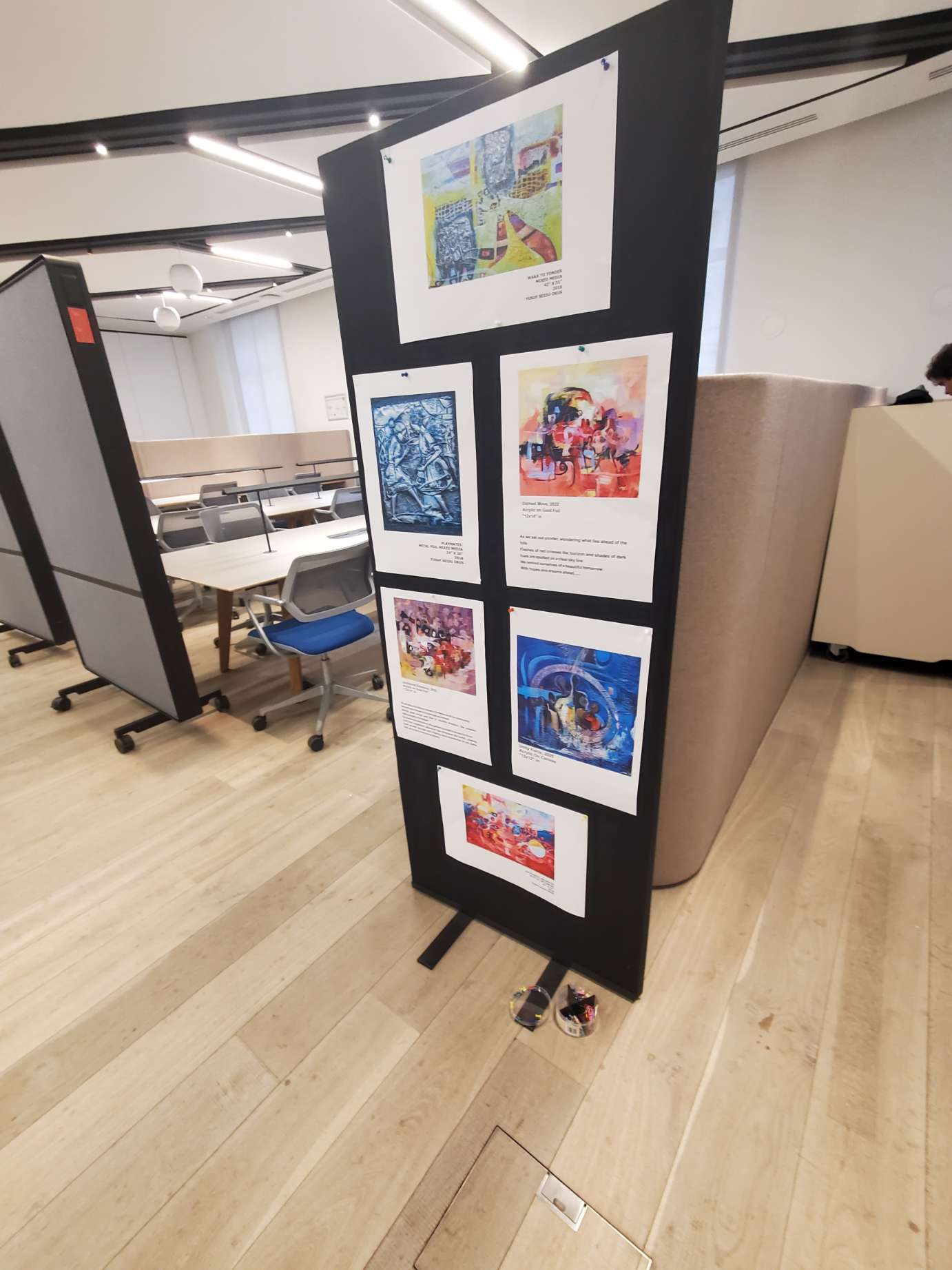
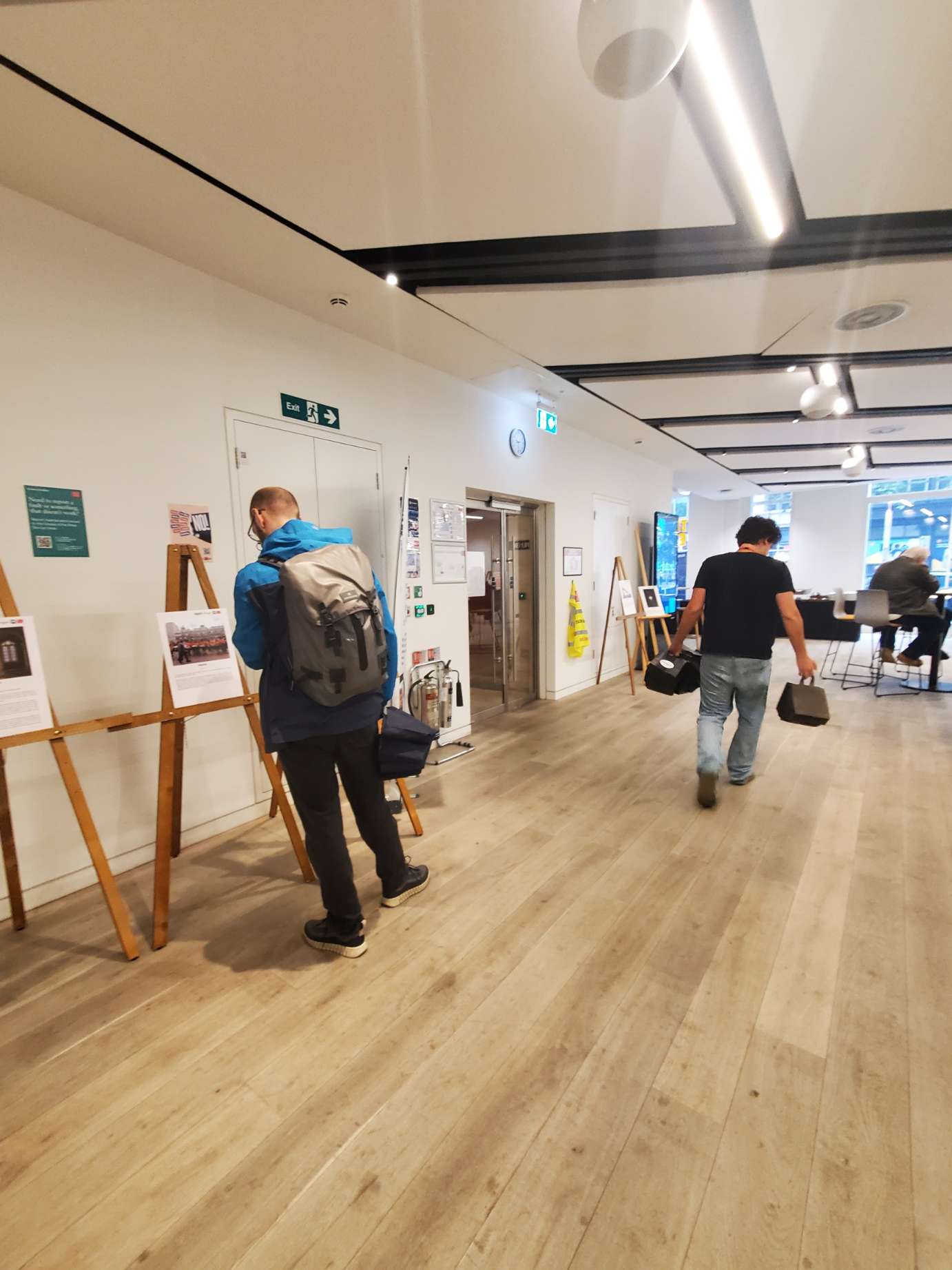
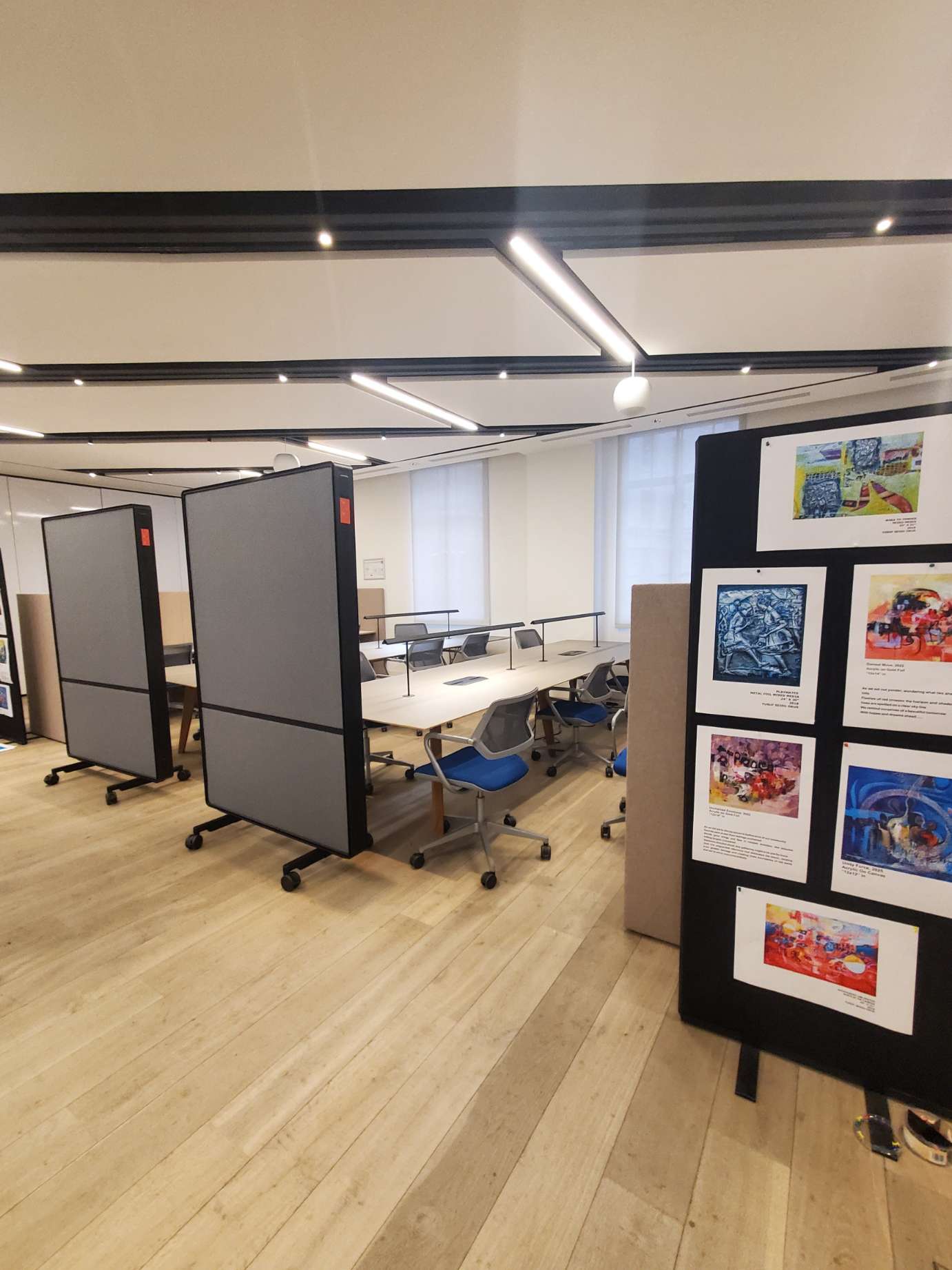
Registration, refreshments and photo exhibition — Attendees arrived, had refreshments and had an opportunity to look around the community photography exhibition.
Welcome and introduction to DUALITY — The organisers introduced the event and its focus on ageing, ethnicity, health and experiences of living with multiple long-term conditions.
Research Panel: Ethnicity, Ageing and Health — Researchers discussed work exploring inequalities and experiences at the intersection of ethnicity, ageing, health and multiple long-term conditions.
King’s Sport & Wellness energiser — Attendees were invited to take part in accessible seated stretches and movement exercises.
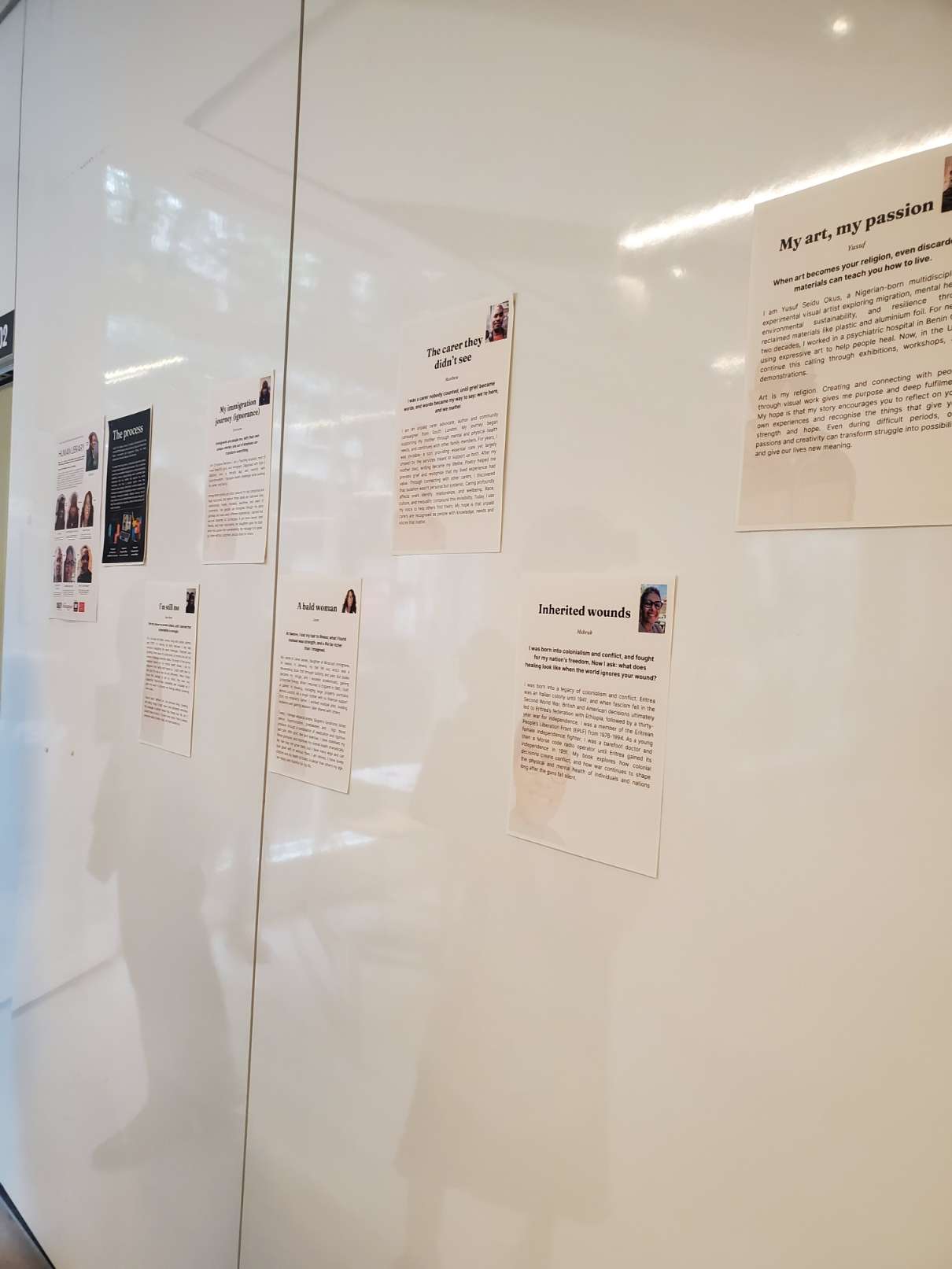
Human Library — Attendees could “borrow” Living Books for short conversations, hearing personal stories intended to build understanding, foster empathy and challenge assumptions. My Living Book was “The Carer They Didn’t See.”
Community information booths — Organisations and community representatives provided information and resources. This was also where I supported the Carers UK stall.
DUALITY Photography Exhibition — Photographs used visual storytelling to explore support, health, ageing and lived experience. My photograph “The Carer They Didn’t See” was included in the exhibition.
Photography Competition Awards — Winners of the DUALITY Photography Competition were announced, with “The Carer They Didn’t See” selected as one of the winning entries.
Creative performance — The programme included a creative lived-experience performance exploring identity, Caribbean heritage, racism, family, memory and culture.
Keeping Fit with Multiple Long-Term Conditions — This discussion brought professional and lived-experience perspectives together to explore chronic conditions, exercise, confidence and wellbeing.
Dinner and networking — The evening concluded with food and an opportunity for attendees, researchers, community groups and people with lived experience to connect.
This was quite a different event for me. I have attended many conferences, workshops and involvement events over the years as an unpaid carer, carer advocate and speaker. This time, however, I wasn’t simply attending or presenting.
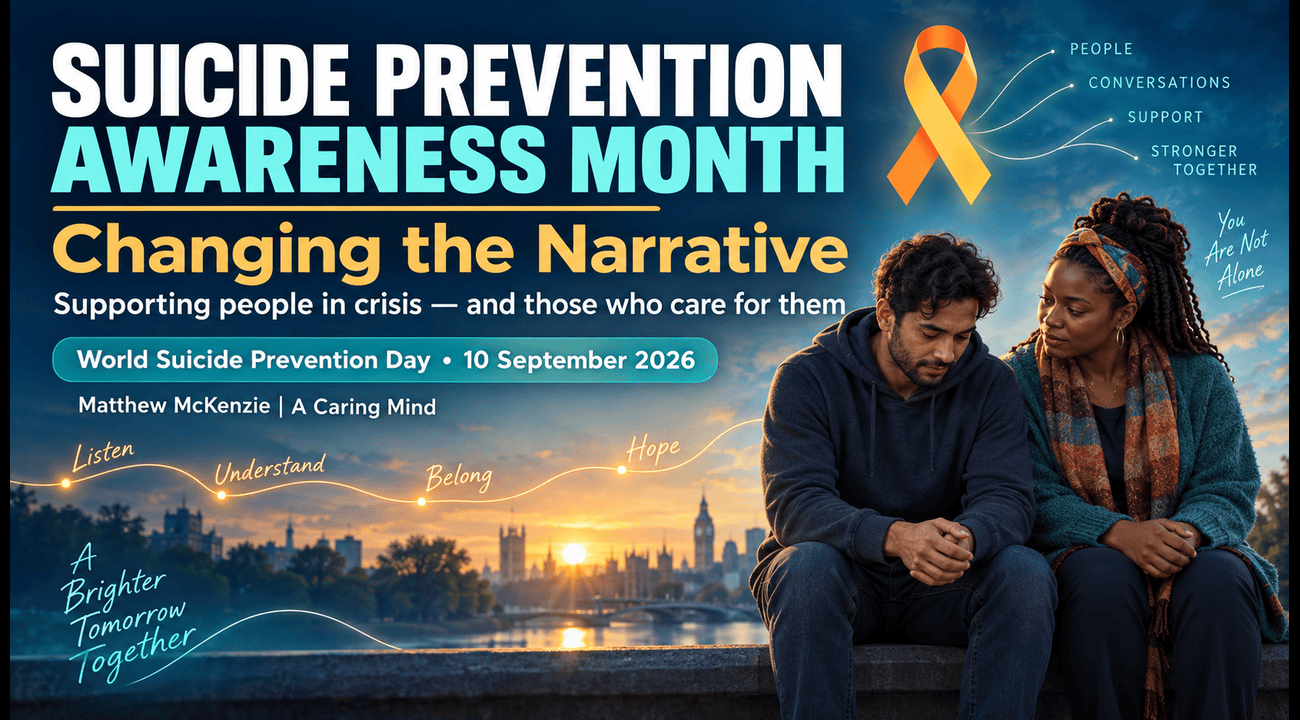
September is widely recognised as Suicide Prevention Awareness Month, with World Suicide Prevention Day taking place on 10 September.
Organised internationally by the International Association for Suicide Prevention and supported by the World Health Organization, the 2026 theme is “Changing the Narrative on Suicide,” with the call to action “Start the Conversation.”
Organisations such as Samaritans, PAPYRUS, Mind, Rethink Mental Illness and members of the National Suicide Prevention Alliance also work to raise awareness, challenge stigma and improve suicide prevention across the UK.
For this year’s campaign, I have produced a new awareness vlog focusing not only on people experiencing suicidal thoughts, but also on the unpaid mental health carers supporting them.
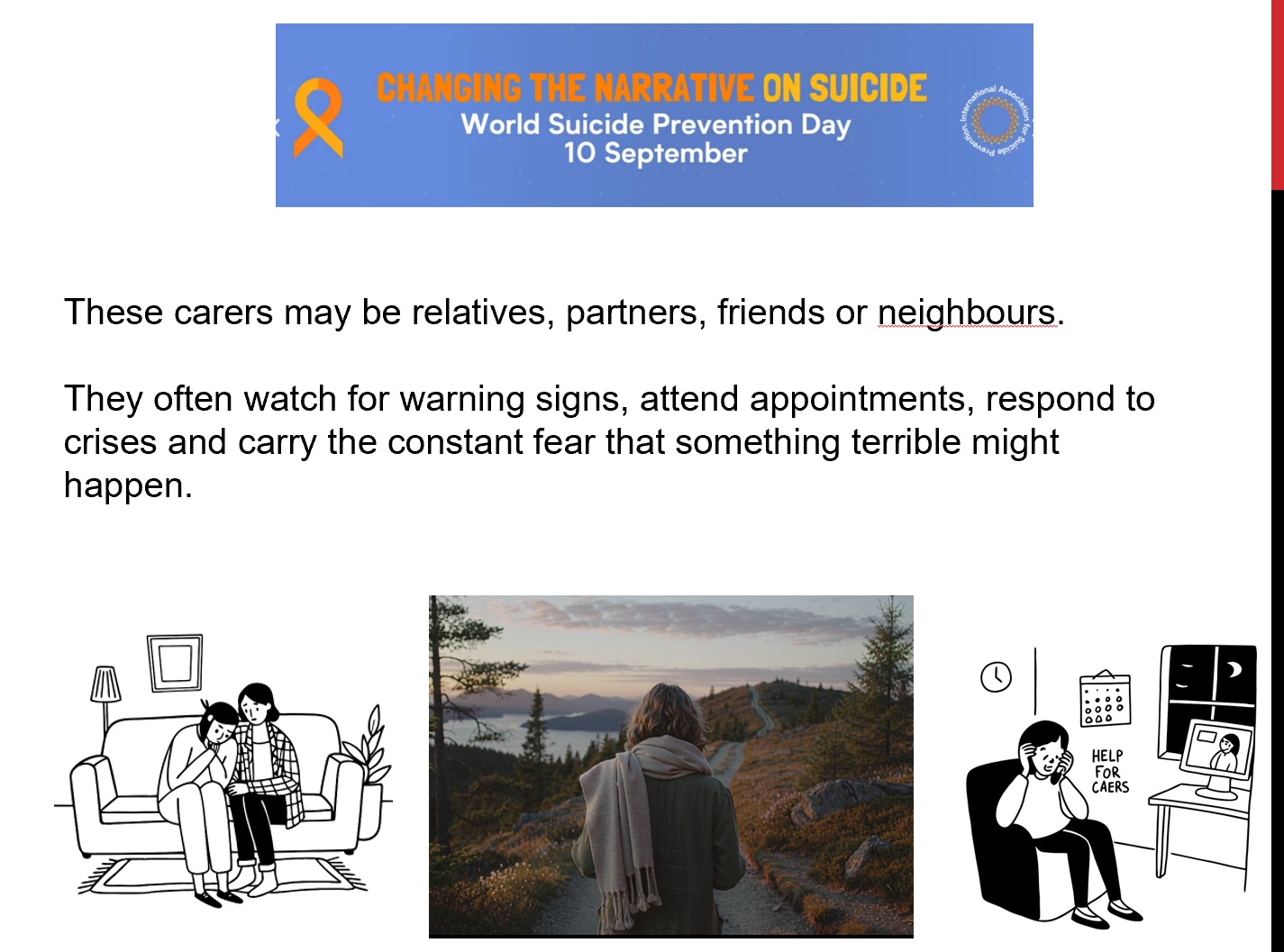
Relatives, partners and friends may spend long periods watching for warning signs, attending appointments and responding to crises. They can carry an enormous level of fear and responsibility, yet their own emotional needs are frequently overlooked.
Carers should never be expected to manage suicide risk alone. Professionals must listen to their concerns, involve them appropriately and ensure they can access support themselves.
In my new vlog, I discuss how we can challenge stigma, start compassionate conversations, listen without judgement and remember to check in with the person providing care as well as the person in crisis.
If you or someone you know needs urgent mental health support in England, call NHS 111 and select the mental health option. Samaritans can be contacted free, day or night, on 116 123. If someone is in immediate danger, call 999 or go to A&E.
Together, we can move from silence to conversation, from stigma to compassion, and from carers coping alone to communities sharing responsibility.
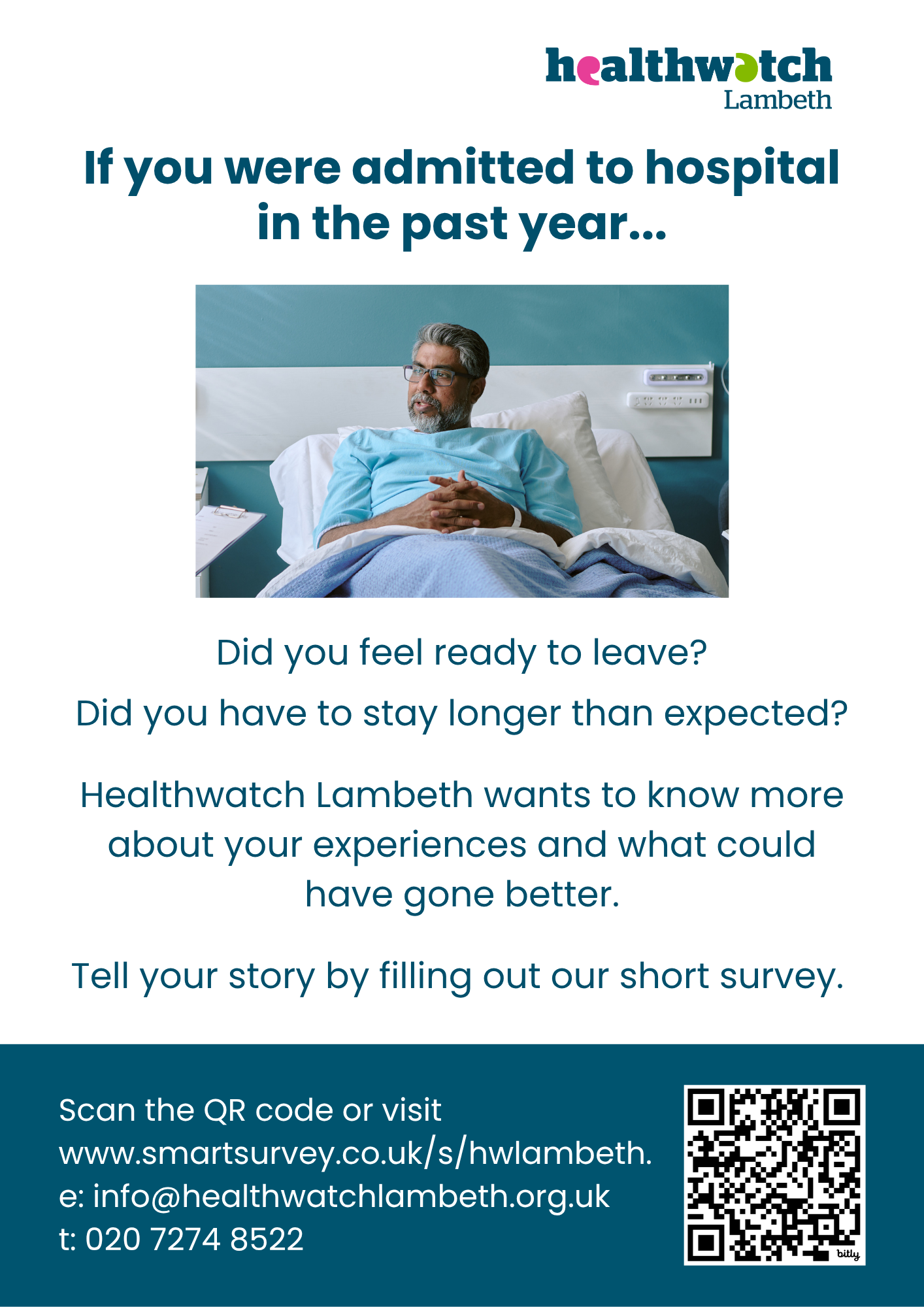
Healthwatch Lambeth is inviting patients and unpaid carers to share their experiences of leaving hospital.
The survey is part of a nationwide Healthwatch England project examining hospital discharge. Healthwatch Lambeth is particularly seeking responses from people living in Lambeth who have experienced a difficult hospital discharge within the past 12 months.
This may include situations where:
Discharge was delayed.
The patient was sent home before they felt ready.
Information about the discharge was unclear or incomplete.
Essential equipment or support was not available.
Follow-up care had not been properly arranged.
An unpaid carer was not sufficiently involved, informed or prepared.
The survey can be completed by patients themselves or by an unpaid carer describing the experience of someone they care for.
Healthwatch Lambeth is especially interested in hearing from people whose experiences may not always be represented in health and care feedback, including men and people from ethnic minority communities.
Hospital discharge can place significant responsibility on families and unpaid carers. When carers are not recognised, involved or given the right information, they may suddenly find themselves managing medication, personal care, appointments and recovery without adequate preparation.
Sharing these experiences can help identify what needs to improve and highlight the importance of involving carers as genuine partners throughout discharge planning.
Please share this survey with Lambeth residents, patients and unpaid carers who may have had a difficult hospital discharge experience during the past year.
By Matthew McKenzie – Chair, National Ethnic Mental Health Carers Forum
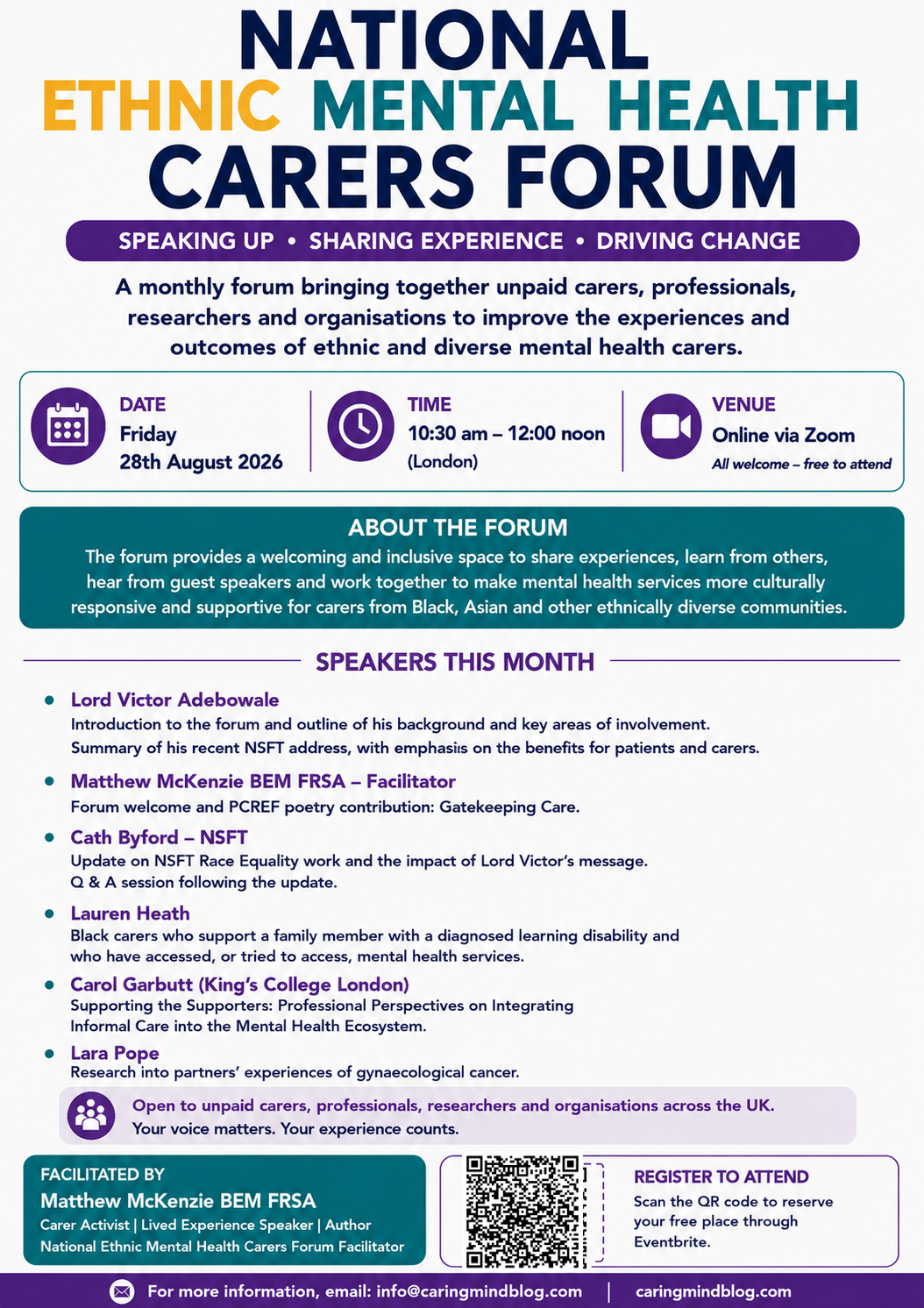
The August meeting of the National Ethnic Mental Health Carer Forum brought together unpaid carers, NHS leaders, healthcare professionals, academic researchers, and voluntary sector advocates from across the country. The session provided a vital space to address race equity, systemic racism, lived experience, and ongoing research into minoritised caring experiences.
Matthew McKenzie opened the meeting by welcoming attendees and reinforcing the core purpose of the national forum. He reflected on how the platform has grown into a crucial space where family carers can directly challenge health structures, influence decision-makers, and learn about national policy developments such as the Patient and Carer Race Equality Framework (PCREF). Matthew acknowledged that while discussions around institutional racism and health inequalities can be heavy and emotional, the forum remains a safe, respectful, and healing space dedicated to driving real, actionable change across the NHS.
By Matthew McKenzie, Co-Facilitator – South West London Mental Health Carers Forum
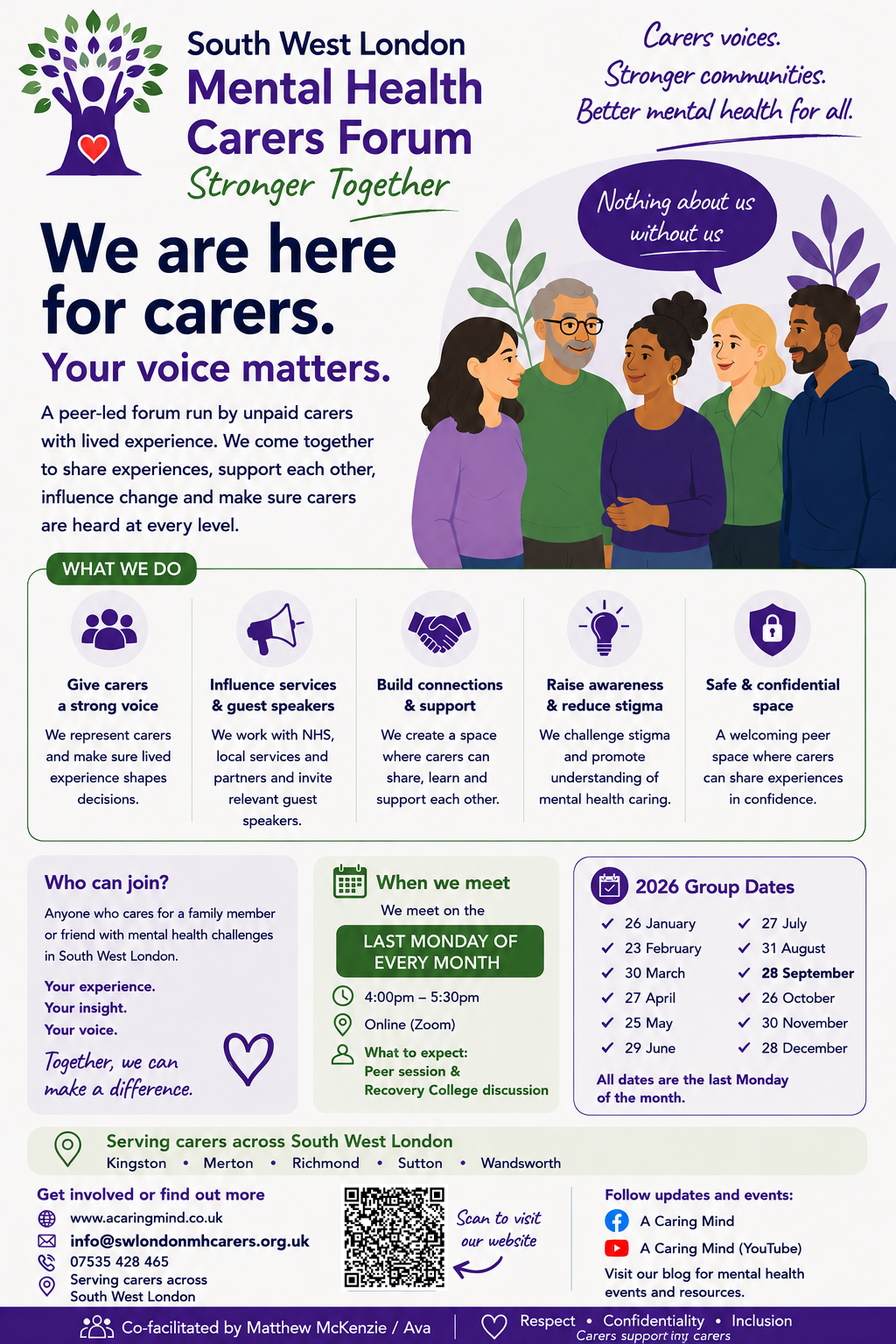
The South West London Mental Health Carers Forum met again during August 2026, bringing together unpaid carers to share experiences, discuss how the forum is developing and look at ways we can strengthen the voice of carers across South West London.
The forum continues to be a peer-led space shaped by carers themselves. An important message from the August meeting was that this is a group for carers, run with carers and influenced by carers. Members spoke about wanting people who join the forum to feel recognised, valued and able to support one another, rather than the group becoming overly formal or service-led.
The Ealing Carers Online Poetry Group returned in August for another warm and creative evening of poetry, reflection and peer support. Delivered with the support of Ealing Carers Partnership, the group has now been running for two years and continues to provide carers with a welcoming space in which they can express themselves, meet others and take some valuable time away from the pressures of their caring roles.
Carers joined the session for different reasons. Some wanted inspiration to write, while others valued the opportunity to relax, listen and spend time with people who understood the realities of caring. One member described how they often begin an exercise believing they will not be able to write anything, only to be surprised by the words and emotions that emerge.
By Matthew McKenzie – Facilitator of Cancer Caregiver group
It has been a long while since I published a full update from my National Cancer Caregiver Forum. Although I have continued working to raise awareness of unpaid cancer caregiving, this latest meeting reminded me why the forum remains so necessary.
The National Cancer Caregiver Forum provides an online space for people caring for someone affected by cancer, former carers, researchers and organisations interested in improving support. It combines peer support with engagement, research and opportunities to influence cancer services.
Why cancer caregivers still need a voice
I opened the forum by reflecting on the shortage of dedicated groups for unpaid cancer carers. There are many services and support groups for people receiving cancer treatment, as there should be, but far fewer spaces focused specifically on the partners, relatives and friends supporting them.
On Monday 24 August, I facilitated another meeting of the South London Mental Health Carers Forum. The forum brings together unpaid carers and carer representatives from Lewisham, Lambeth, Southwark and Croydon, giving people a space to share experiences, learn about their rights and influence the development of local mental health services.
We welcomed carers with many different experiences, including parents supporting adult children with serious mental illness, autism and substance misuse, as well as people involved in advocacy, peer support, staff training and service development. Some members had been navigating the mental health system for many years, while others were newer to caring and looking for guidance.
Dr Eiluned Pearce, a trainee clinical psychologist and researcher at the University of Oxford, is seeking help recruiting participants for an important study about unpaid carers’ wellbeing.
The study will explore whether attending social and community groups, including carer support groups, clubs and other group activities is associated with improved wellbeing among people supporting someone with a severe mental illness.
This is particularly relevant to what I promote at my site because many unpaid carers rely on peer groups and carer forums for understanding, information and a sense of connection. However, you do not need to attend any kind of group to participate. The researchers need to hear from carers who attend groups and those who do not.
Who can take part?
You may be eligible if you:
Are aged 18 or over
Live in the United Kingdom
Speak English fluently
Provide unpaid emotional or practical support to someone aged 16 or over
Support someone experiencing psychosis, bipolar disorder, an eating disorder, or complex emotional needs/personality disorder
Do not personally experience a severe mental illness
You do not have to describe yourself as a “carer” or “caregiver”. You might consider yourself a relative, partner, parent, sibling or friend who provides essential support.
What does participation involve?
Participants will complete an anonymous online survey lasting approximately 40 minutes. You can take breaks and return to it using the same internet browser, provided it is completed within one week of starting.
Questions will cover your wellbeing and mental health, the support you provide, its impact on you, any groups you attend and some information about your background.
Individual responses will not be shared outside the research team, and IP addresses will not be recorded.
Take part in the study
To read more about the research and access the survey, visit:
Research into carers’ wellbeing remains limited, and it is important that the experiences of people supporting someone with a severe mental illness are properly heard and understood.